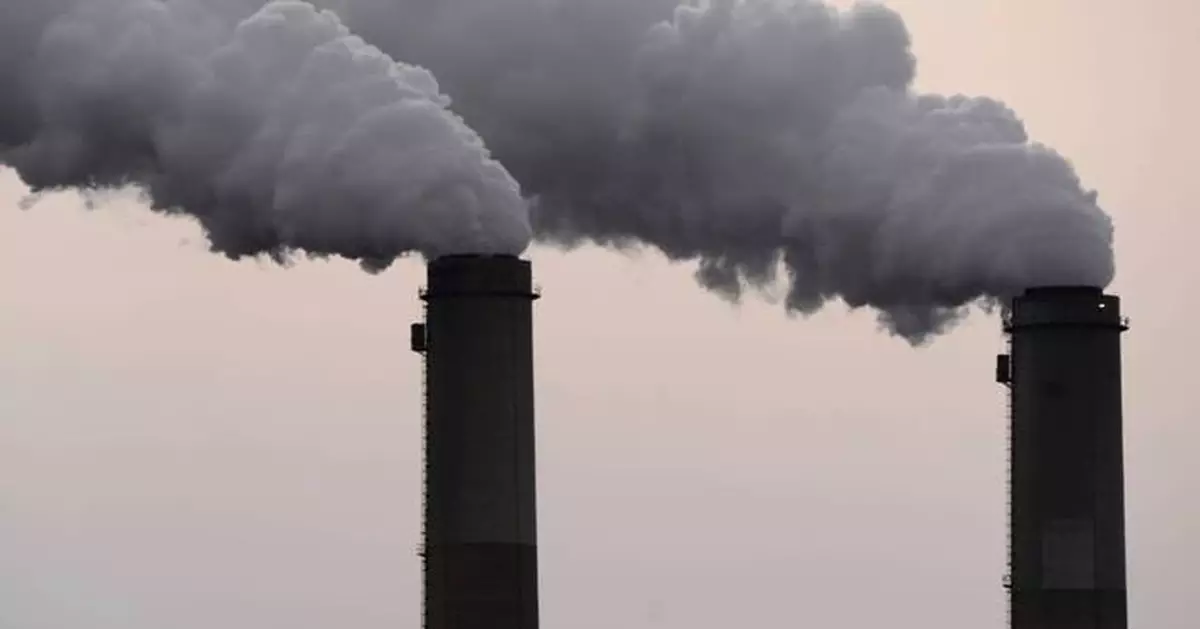
LOUISVILLE, Ky. (AP) — The Environmental Protection Agency on Friday weakened limits on mercury and other toxic emissions from coal-fired power plants, the Trump administration’s latest effort to boost the fossil fuel industry by paring back clean air and water rules.
Toxic emissions from coal- and oil-fired plants can harm the brain development of young children and contribute to heart attacks and other problems in adults. The plants are also a major source of greenhouse gas emissions that drive climate change. The EPA announced the repeal of the tightened Mercury and Air Toxics Standards rule, or MATS, at a massive coal plant next to the Ohio River in Louisville, Kentucky.
“EPA's actions today rights the wrongs of the last administration's rule and will return the industry to the highly effective original MATS standards that helped pave the way for American energy dominance,” said EPA Deputy Administrator David Fotouhi. The agency said the change should save hundreds of millions of dollars.
The final rule reverts the industry to standards first established in 2012 by the Obama administration that have reduced mercury emissions by nearly 90%. The Biden administration had sought to tighten those standards even further after the first Trump administration had moved to undermine them.
Operators of the Mill Creek Generating Station gave agency officials a tour of the coal plant before hosting the announcement inside.
Coal-fired power plants are the largest single human source of mercury pollutants. Power plants release the mercury into the atmosphere, which then falls in rain or simply by gravity, entering the food chain through fish and other items that people consume.
Environmental groups said the tightened rules have saved lives and made communities that live near coal-fired power plants healthier. But industry groups argued that the tougher standards, along with other rules that limited emissions from coal plants, made operating them too expensive.
They accused the Biden administration of piling on so many requirements that it would drive a rush of plant retirements.
“For too long, the entire coal supply chain has been the target of bad and onerous environmental regulations,” said Michelle Bloodworth, CEO of America's Power, a coal industry group. “Repealing the 2024 MATS rule and today's actions are an important step for maintaining a reliable and affordable supply of electricity and ensuring that coal-based generation can continue supporting the nation's economy and the electric grid.”
The coal industry's outlook has changed dramatically in the last year.
In March, the EPA promoted the “biggest deregulatory action in U.S. history,” announcing their intention to peal back dozens of environmental protections. The Biden administration's focus on climate change was over — EPA Administrator Lee Zeldin said the actions marked “the death of the ‘green new scam.’” Fossil fuel rules were big targets, including major efforts to reduce carbon emissions from coal plants and mandate greenhouse gas reporting. The Trump administration has also extended deadlines for dozens of coal-fired power plants to comply with certain Clean Air Act rules.
Beyond fewer environmental protections, the Trump administration has issued emergency orders halting the planned shutdown of several coal plants. Officials say the plants produce consistent power during major storms or at other times when need is high. Removing coal would reduce the grid's reliability, especially at time when a rush of new data centers is demanding more than ever from the grid, they say. Officials have dismissed concerns about higher customer costs from keeping coal plants operating, their plentiful emissions and their significant contribution to climate change.
And earlier this month, the EPA revoked a finding that climate change is a threat to public health, which has long been the basis for U.S. action to regulate greenhouse gas emissions. Recently, President Donald Trump hosted a group of coal miners who honored him as the “Undisputed Champion of Beautiful, Clean Coal.”
Activists say favoring coal makes little sense at a time when renewables are cleaner, cheaper and reliable.
Gina McCarthy, who headed the EPA under former President Barack Obama, said the Trump administration will be remembered for helping the coal industry at the expense of public health.
“By weakening pollution limits and monitoring for brain-damaging mercury and other pollutants, they are actively spiking any attempt to make America - and our children – healthy,” said McCarthy, who is also the chair of the climate action group America Is All In.
Associated Press writer Matthew Daly contributed. Phillis reported from Washington.
The Associated Press receives support from the Walton Family Foundation for coverage of water and environmental policy. The AP is solely responsible for all content. For all of AP’s environmental coverage, visit https://apnews.com/hub/climate-and-environment.
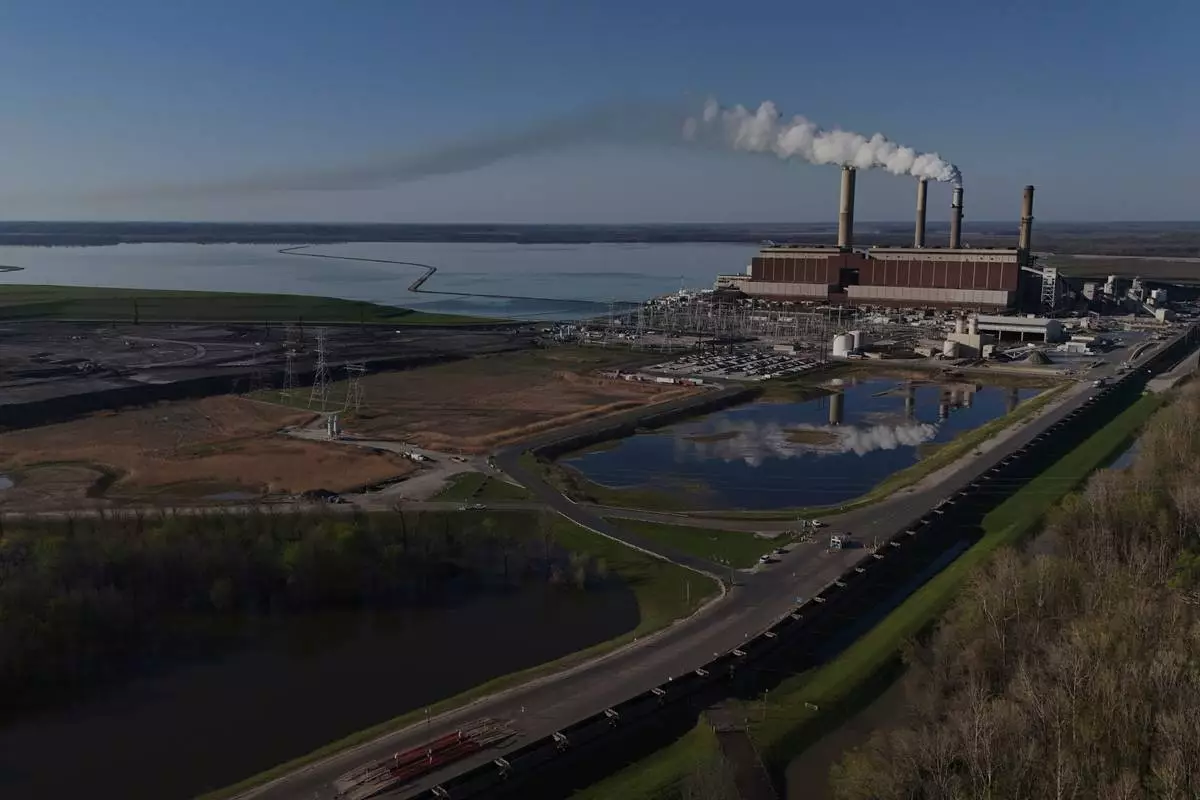
FILE - The Gibson Power Plant, a coal-fired power plant, operates April 10, 2025, in Princeton, Ind. (AP Photo/Joshua A. Bickel, File)
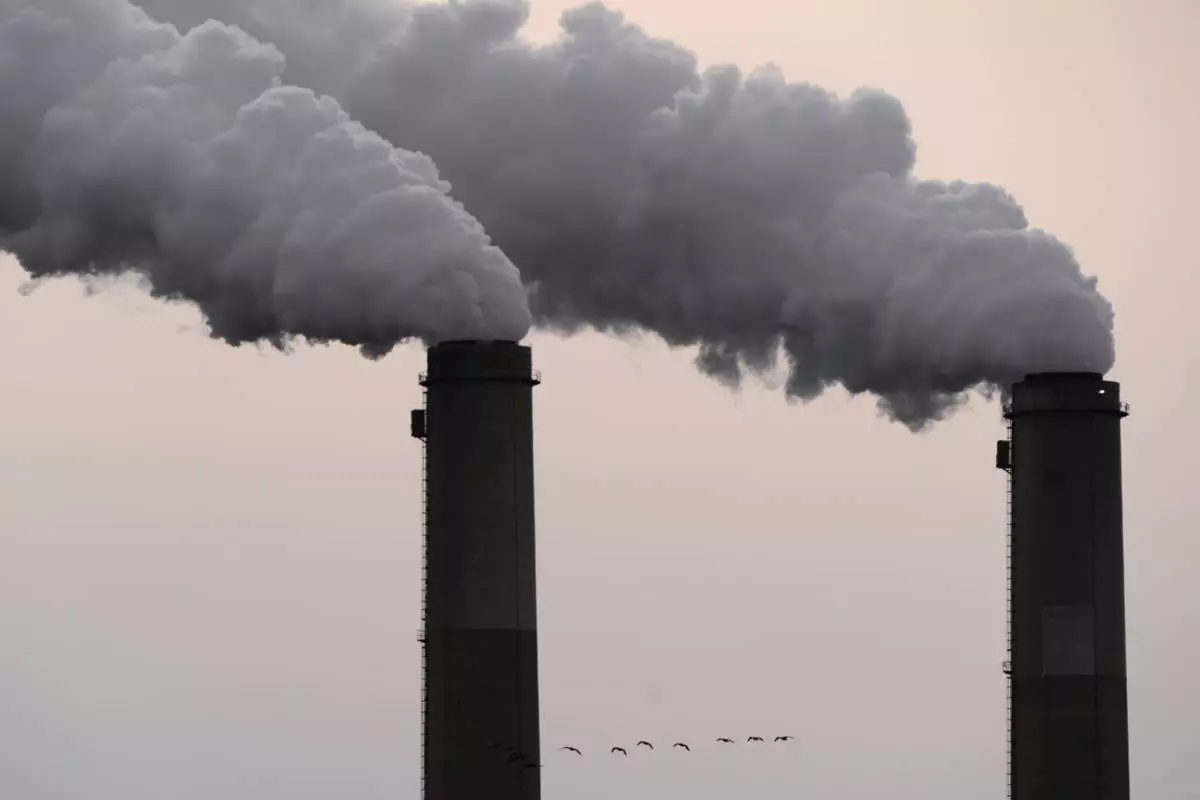
FILE - The Jeffrey Energy Center coal-fired power plant operates near Emmett, Kan., Jan. 25, 2025. (AP Photo/Charlie Riedel, File)