Skip to Content Facebook Feature Image

ICE is quietly buying warehouses for detention centers and leaving local officials out of the loop

News

ICE is quietly buying warehouses for detention centers and leaving local officials out of the loop
News

News

ICE is quietly buying warehouses for detention centers and leaving local officials out of the loop

2026-02-21 21:06 Last Updated At:21:10

SOCORRO, Texas (AP) — In a Texas town at the edge of the Rio Grande and a tall metal border wall, rumors swirled that federal immigration officials wanted to purchase three hulking warehouses to transform into a detention center.

As local officials scrambled to find out what was happening, a deed was filed showing the Department of Homeland Security had already inked a $122.8 million deal for the 826,000-square-foot (76,738-square-meter) warehouses in Socorro, a bedroom community of 40,000 people outside El Paso.

More Images
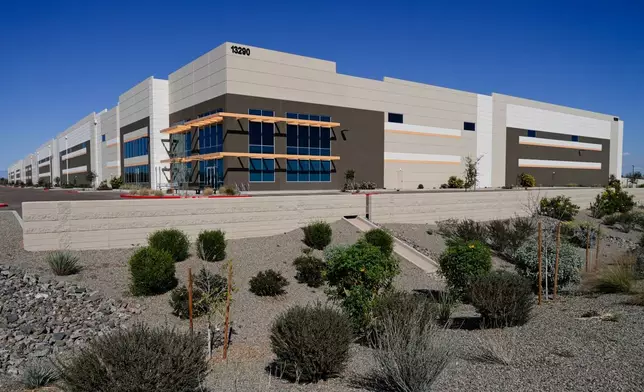
A warehouse purchased by U.S. Immigration and Customs Enforcement in Surprise, Ariz., is seen Saturday, Feb. 14, 2026. (AP Photo/Ty ONeil)
A warehouse purchased by U.S. Immigration and Customs Enforcement in Surprise, Ariz., is seen Saturday, Feb. 14, 2026. (AP Photo/Ty ONeil)

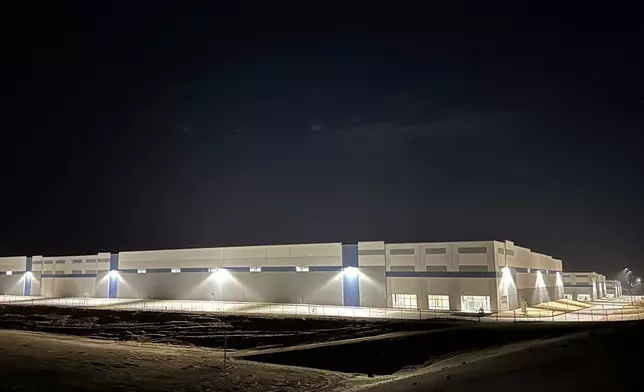
Three hulking warehouses light up the night in Socorro, Texas, Thursday, Feb. 12, 2026, amid concern about the purchase of the property by federal authorities in connection with U.S. Immigration and Customs Enforcement’s $45-billion expansion of immigrant detention centers. (AP Photo/Morgan Lee)
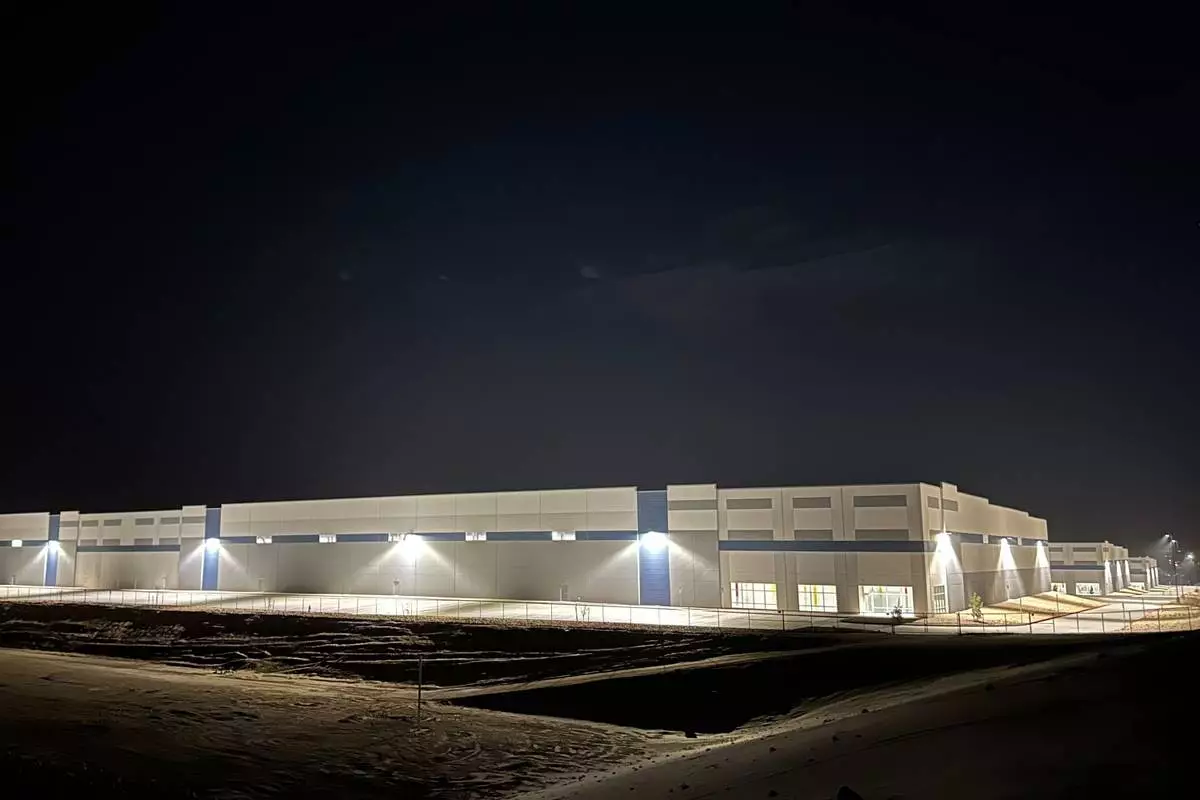
Three hulking warehouses light up the night in Socorro, Texas, Thursday, Feb. 12, 2026, amid concern about the purchase of the property by federal authorities in connection with U.S. Immigration and Customs Enforcement’s $45-billion expansion of immigrant detention centers. (AP Photo/Morgan Lee)

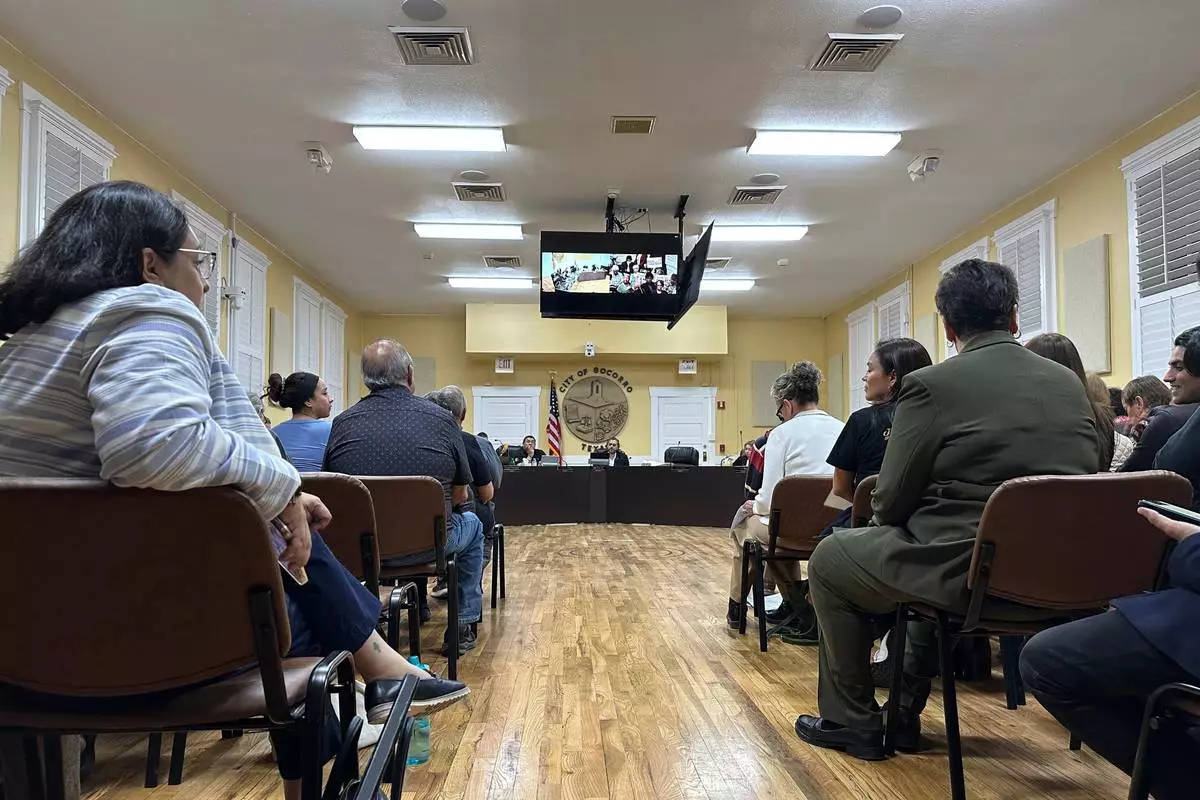
A public comment session takes place at a City Council meeting on Wednesday, Feb. 11, 2026, in Socorro, Texas, regarding the purchase of three hulking warehouses in connection with U.S. Immigration and Customs Enforcement's expansion of immigrant detention centers. (AP Photo/Morgan Lee)
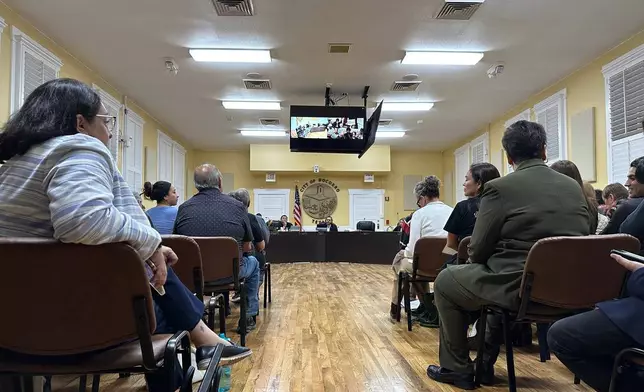
A public comment session takes place at a City Council meeting on Wednesday, Feb. 11, 2026, in Socorro, Texas, regarding the purchase of three hulking warehouses in connection with U.S. Immigration and Customs Enforcement's expansion of immigrant detention centers. (AP Photo/Morgan Lee)
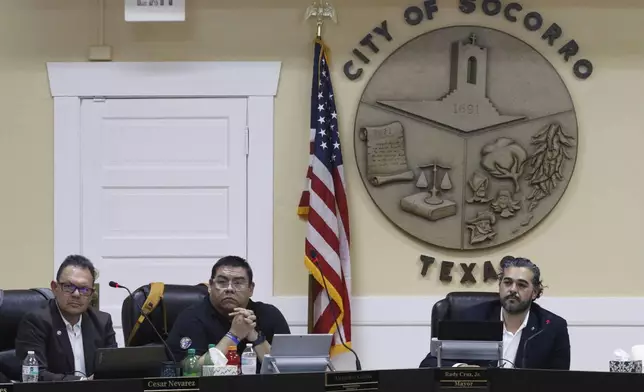
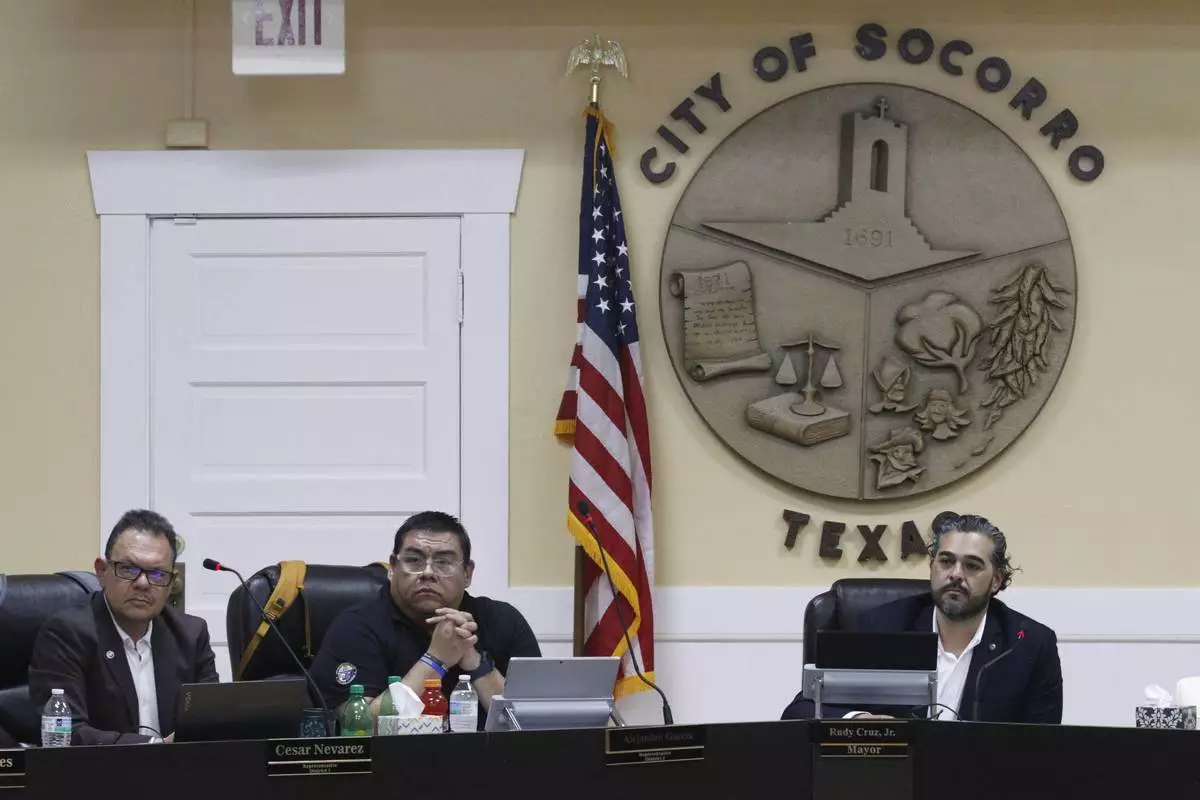
Mayor Rudy Cruz Jr., right, listens to public comments at a City Council meeting on Wednesday, Feb. 11, 2026, in Socorro, Texas, regarding the purchase of three hulking warehouses in connection with U.S. Immigration and Customs Enforcement's expansion of immigrant detention centers. (AP Photo/Morgan Lee)

Mayor Rudy Cruz Jr., right, listens to public comments at a City Council meeting on Wednesday, Feb. 11, 2026, in Socorro, Texas, regarding the purchase of three hulking warehouses in connection with U.S. Immigration and Customs Enforcement's expansion of immigrant detention centers. (AP Photo/Morgan Lee)

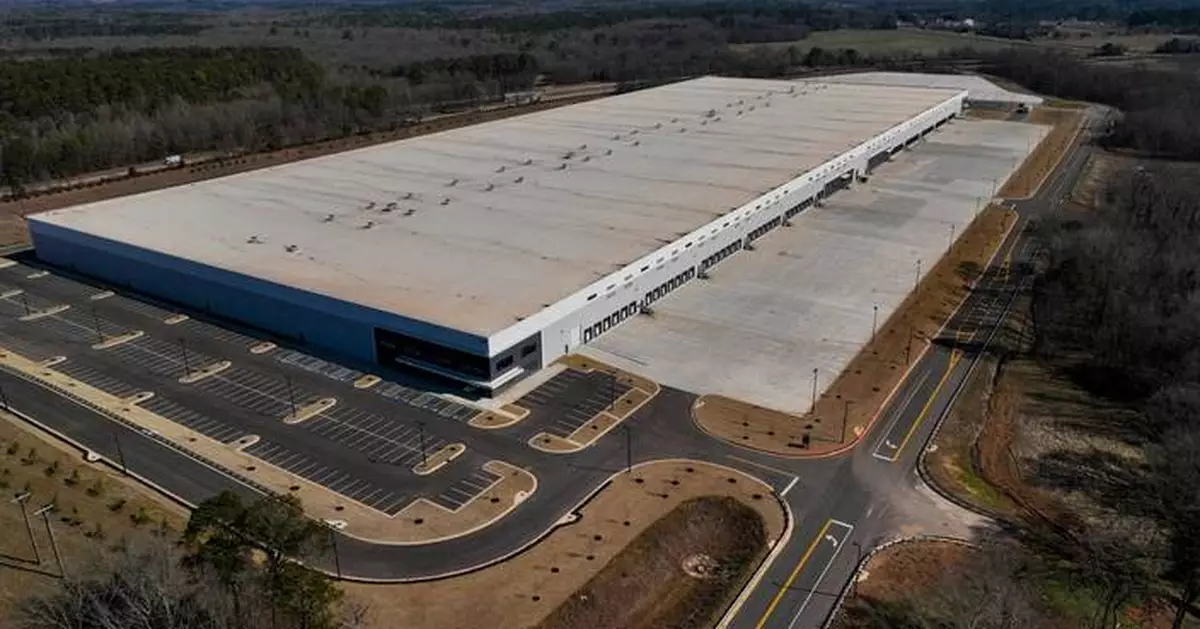
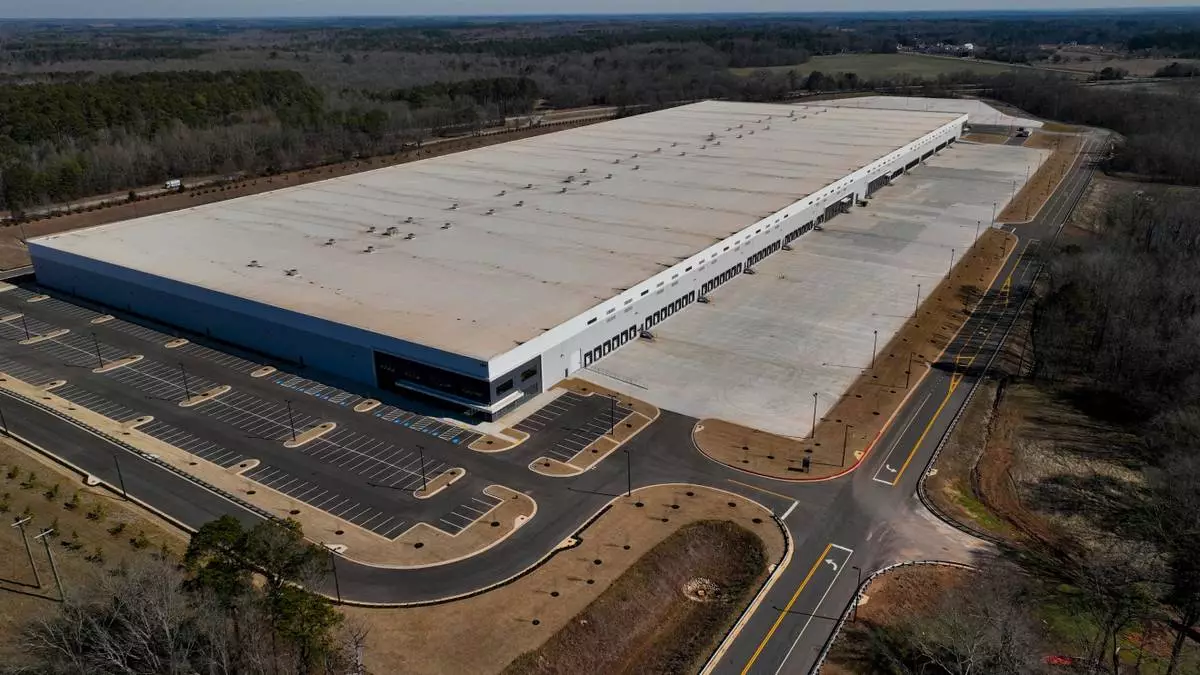
A newly built warehouse is seen on Friday, Feb. 6, 2026, in Social Circle, Ga., where officials are concerned about U.S. Immigrations and Customs Enforcement's plans connected to a $45-billion expansion of immigrant detention centers. (AP Photo/Mike Stewart)

A newly built warehouse is seen on Friday, Feb. 6, 2026, in Social Circle, Ga., where officials are concerned about U.S. Immigrations and Customs Enforcement's plans connected to a $45-billion expansion of immigrant detention centers. (AP Photo/Mike Stewart)

“Nobody from the federal government bothered to pick up the phone or even send us any type of correspondence letting us know what’s about to take place,” said Rudy Cruz Jr., the mayor of the predominantly Hispanic town of low-slung ranch homes and trailer parks, where orchards and irrigation ditches share the landscape with strip malls, truck stops, recycling plants and distribution warehouses.

Socorro is among at least 20 communities with large warehouses across the U.S. that have become stealth targets for Immigration and Customs Enforcement’s $45-billion expansion of detention centers.

As public support for the agency and President Donald Trump’s immigration crackdown sags, communities are objecting to mass detentions and raising concerns that the facilities could strain water supplies and other services while reducing local tax revenue. In many cases, mayors, county commissioners, governors and members of Congress learned about ICE’s ambitions only after the agency bought or leased space for detainees, leading to shock and frustration even in areas that have backed Trump.

“I just feel,” said Cruz, whose wife was born in Mexico, “that they do these things in silence so that they don’t get opposition.”

ICE, which is part of DHS, has purchased at least seven warehouses in Arizona, Georgia, Maryland, Pennsylvania and Texas, signed deeds show. Other deals have been announced but not yet finalized, though buyers scuttled sales in eight locations.

DHS objected to calling the sites warehouses, stressing in a statement that they would be “very well structured detention facilities meeting our regular detention standards.”

The process has been chaotic at times. ICE this past week acknowledged it made a “mistake” when it announced warehouse purchases in Chester, New York, and Roxbury, New Jersey. Roxbury then announced Friday that the sale there had closed.

DHS has confirmed it is looking for more detention space but hasn’t disclosed individual sites ahead of acquisitions. Some cities learned that ICE was scouting warehouses through reporters. Others were tipped off by a spreadsheet circulating online among activists whose source is unclear.

It wasn’t until Feb. 13 that the scope of the warehouse project was confirmed, when the governor’s office in New Hampshire, where there is backlash to a planned 500-bed processing center, released a document from ICE showing the agency plans to spend $38.3 billion to boost detention capacity to 92,000 beds.

Since Trump took office, the number of people detained by ICE has increased to 75,000 from 40,000, spread across more than 225 sites.

ICE could use the warehouses to consolidate and to increase capacity. The document describes a project that includes eight large-scale detention centers, capable of housing 7,000 to 10,000 detainees each, and 16 smaller regional processing centers. The document also refers to the acquisition of 10 existing “turnkey” facilities.

The project is funded through the big tax and spending cuts bill passed by Congress last year that nearly doubled DHS' budget. To build the detention centers, the Trump administration is using military contracts.

Those contracts allow a lot of secrecy and for DHS to move quickly without following the usual processes and safeguards, said Charles Tiefer, a professor emeritus of law at the University of Baltimore Law School.

In Socorro, the ICE-owned warehouses are so large that 4 1/2 Walmart Supercenters could fit inside, standing in contrast to the remnants of the austere Spanish colonial and mission architecture that defines the town.

At a recent City Council meeting, public comments stretched for hours. “I think a lot of innocent people are getting caught up in their dragnet,” said Jorge Mendoza, an El Paso County retiree whose grandparents immigrated from Mexico.

Many speakers invoked concerns about three recent deaths at an ICE detention facility at the nearby Fort Bliss Army base.

Even communities that backed Trump in 2024 have been caught off guard by ICE's plans and have raised concerns.

In rural Pennsylvania's Berks County, commissioner Christian Leinbach called the district attorney, the sheriff, the jail warden and the county’s head of emergency services when he first heard ICE might buy a warehouse in Upper Bern Township, 3 miles (4.8 kilometers) from his home.

No one knew anything.

A few days later, a local official in charge of land records informed him that ICE had bought the building — promoted by developers as a “state-of-the art logistics center” — for $87.4 million.

“There was absolutely no warning,” Leinbach said during a meeting in which he raised concerns that turning the warehouse into a federal facility means a loss of more than $800,000 in local tax dollars.

ICE has touted the income taxes its workers would pay, though the facilities themselves will be exempt from property taxes.

In Social Circle, Georgia, which also strongly supported Trump in 2024, officials were stunned by ICE’s plans for a facility that could hold 7,500 to 10,000 people after first learning about it through a reporter.

The city, which has a population of just 5,000 and worries about the infrastructure needs for such a detention center, only heard from DHS after the $128.6 million sale of a 1 million-square-foot (92,900-square-meter) warehouse was completed. Like Socorro and Berks County, Social Circle questioned whether the water and sewage system could keep up.

ICE has said it did due diligence to ensure the sites don’t overwhelm city utilities. But Social Circle said the agency's analysis relied on a yet-to-be built sewer treatment plant.

“To be clear, the City has repeatedly communicated that it does not have the capacity or resources to accommodate this demand, and no proposal presented to date has demonstrated otherwise,” the city said in a statement.

And in the Phoenix suburb of Surprise, officials sent a scathing letter to Homeland Security Secretary Kristi Noem after ICE without warning bought a massive warehouse in a residential area about a mile from a high school. Arizona Attorney General Kris Mayes, a Democrat, raised the prospect of going to court to have the site declared a public nuisance.

Back in Socorro, people waiting to speak against the ICE facility spilled out of the City Council chambers, some standing beside murals paying tribute to the World War II-era Braceros Program that allowed Mexican farmworkers to be guest workers in the U.S. The program stoked Socorro’s economy and population before President Dwight D. Eisenhower’s administration in the 1950s began mass deportations aimed at people who had crossed the border illegally.

Eduardo Castillo, formerly an attorney for the U.S. Department of Justice, told city officials it is intimidating but “not impossible” to challenge the federal government.

“If you don’t at least try,” he said, “you will end up with another inhumane detention facility built in your jurisdiction and under your watch.”

Hollingsworth reported from Kansas City, Missouri. Holly Ramer in Concord, New Hampshire, and Marc Levy in Harrisburg, Pennsylvania, also contributed.

A warehouse purchased by U.S. Immigration and Customs Enforcement in Surprise, Ariz., is seen Saturday, Feb. 14, 2026. (AP Photo/Ty ONeil)
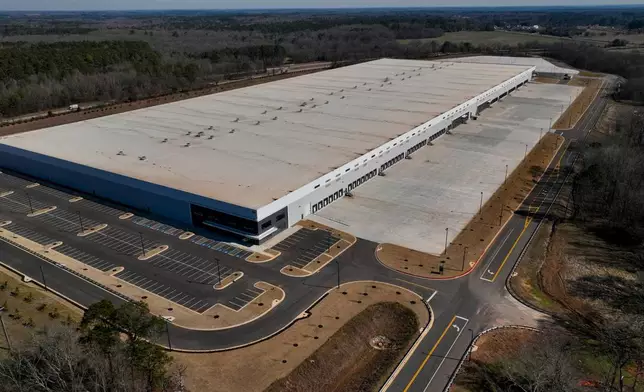
A warehouse purchased by U.S. Immigration and Customs Enforcement in Surprise, Ariz., is seen Saturday, Feb. 14, 2026. (AP Photo/Ty ONeil)

Three hulking warehouses light up the night in Socorro, Texas, Thursday, Feb. 12, 2026, amid concern about the purchase of the property by federal authorities in connection with U.S. Immigration and Customs Enforcement’s $45-billion expansion of immigrant detention centers. (AP Photo/Morgan Lee)
Three hulking warehouses light up the night in Socorro, Texas, Thursday, Feb. 12, 2026, amid concern about the purchase of the property by federal authorities in connection with U.S. Immigration and Customs Enforcement’s $45-billion expansion of immigrant detention centers. (AP Photo/Morgan Lee)

A public comment session takes place at a City Council meeting on Wednesday, Feb. 11, 2026, in Socorro, Texas, regarding the purchase of three hulking warehouses in connection with U.S. Immigration and Customs Enforcement's expansion of immigrant detention centers. (AP Photo/Morgan Lee)
A public comment session takes place at a City Council meeting on Wednesday, Feb. 11, 2026, in Socorro, Texas, regarding the purchase of three hulking warehouses in connection with U.S. Immigration and Customs Enforcement's expansion of immigrant detention centers. (AP Photo/Morgan Lee)
Mayor Rudy Cruz Jr., right, listens to public comments at a City Council meeting on Wednesday, Feb. 11, 2026, in Socorro, Texas, regarding the purchase of three hulking warehouses in connection with U.S. Immigration and Customs Enforcement's expansion of immigrant detention centers. (AP Photo/Morgan Lee)

Mayor Rudy Cruz Jr., right, listens to public comments at a City Council meeting on Wednesday, Feb. 11, 2026, in Socorro, Texas, regarding the purchase of three hulking warehouses in connection with U.S. Immigration and Customs Enforcement's expansion of immigrant detention centers. (AP Photo/Morgan Lee)

A newly built warehouse is seen on Friday, Feb. 6, 2026, in Social Circle, Ga., where officials are concerned about U.S. Immigrations and Customs Enforcement's plans connected to a $45-billion expansion of immigrant detention centers. (AP Photo/Mike Stewart)

A newly built warehouse is seen on Friday, Feb. 6, 2026, in Social Circle, Ga., where officials are concerned about U.S. Immigrations and Customs Enforcement's plans connected to a $45-billion expansion of immigrant detention centers. (AP Photo/Mike Stewart)

Social media addiction has been compared to casinos, opioids and cigarettes.

While there’s some debate among experts about the line between overuse and addiction, and whether social media can cause the latter, there is no doubt that many people feel like they can’t escape the pull of Instagram, TikTok, Snapchat and other platforms.

The companies that designed your favorite apps have an incentive to keep you glued to them so they can serve up ads that make them billions of dollars in revenue. Resisting the pull of the endless scroll, the dopamine hits from short-form videos and the ego boost and validation that come from likes and positive interactions, can seem like an unfair fight. For some people, “rage-bait,” gloomy news and arguing with internet strangers also have an irresistible draw.

Much of the concern around social media addiction has focused on children. But adults are also susceptible to using social media so much that it starts affecting their day-to-day lives.

Dr. Anna Lembke, a psychiatrist and the medical director of addiction medicine at Stanford University’s School of Medicine, defines addiction as “the continued compulsive use of a substance or behavior despite harm to self or others.”

During her testimony at a landmark social media harms trial in Los Angeles, Lembke said that what makes social media platforms so addictive is the “24/7, really limitless, frictionless access” people have to them.

Some researchers question whether addiction is the appropriate term to describe heavy use of social media, arguing that a person must be experiencing identifiable symptoms. These include strong, sometimes uncontrollable urges and withdrawal to qualify as addiction.

Social media addiction is not recognized as an official disorder in the Diagnostic and Statistical Manual of Mental Disorders, which is the standard reference psychiatrists and other mental health practitioners use to assess and treat patients. That's partly because there is no widespread consensus on what constitutes social media addiction and whether underlying mental health issues contribute to problematic use.

But just because there is no official agreement on the issue doesn't mean excessive social media use can't be harmful, some experts say.

“For me, the biggest signpost is how does the person feel about the ‘amount,’ and how viewing it makes them feel,” said Dr. Laurel Williams, professor of psychiatry and behavioral sciences at Baylor College of Medicine. “If what they discover is they view it so much that they are missing out on other things they may enjoy or things that they need to attend to, this is problematic use. Additionally, if you leave feeling overwhelmed, drained, sad, anxious, angry regularly, this use is not good for you.”

In other words, is your use of social media affecting other parts of your life? Are you putting off chores, work, hobbies or time with friends and family? Have you tried to cut back your time but realized you were unable to? Do you feel bad about your social media use?

Ofir Turel, a professor of information systems management at the University of Melbourne who has studied social media use for years, said there was “no agreement” over the term social media addiction, and he doesn’t “expect agreement soon.”

“It’s obvious that we have an issue,” Turel said. “You don’t have to call it an addiction, but there is an issue and we need, as a society, to start thinking about it.”

Before setting limits on scrolling, it's helpful to understand how social media feeds and advertising work to draw in users, Williams said.

“Think of social media as a company trying to get you to stay with them and buy something — have the mindset that this is information that I don’t need to act on and may not be true,” she added. “Get alternate sources of information. Always understand the more you see something, anyone can start to believe it is true."

Ian A. Anderson, a postdoctoral scholar at California Institute of Technology, suggests making small, meaningful changes to stop you from opening your social media app of choice. Moving the app’s place on your phone or turning off notifications are “light touch interventions,” but more involved options, like not bringing your phone into the bedroom or other places where you tend to use it, could also help, Anderson said.

Tech tools can also help to cut back on tech overuse. Both iPhones and Android devices have onboard controls to help regulate screen time.

Apple’s Screen Time controls are found in the iPhone’s settings menu. Users can set overall Downtime, which shuts off all phone activity during a set period of their choice.

The controls also let users put a blanket restriction on certain categories of apps, such as social, games or entertainment or zero in on a specific app, by limiting the time that can be spent on it.

The downside is that the limits aren’t hard to get around. It’s more of a nudge than a red line that you can’t cross. If you try to open an app with a limit, you’ll get a screen menu offering one more minute, a reminder after 15 minutes, or to completely ignore it.

If a light touch isn't working, more drastic steps might be necessary. Some users swear by turning their phones to gray-scale to make it less appealing to dopamine-seeking brains. On iPhones, adjust the color filter in your settings. For Android, turn on Bedtime Mode or tweak the color correction setting. Downgrading to a simpler phone, such as an old-school flip phone, could also help curb social media compulsions.

Some startups, figuring that people might prefer a tangible barrier, offer hardware solutions that introduce physical friction between you and an app. Unpluq, for instance, is a yellow tag that you have to hold up to your phone in order to access blocked apps. Brick and Blok are two different products that work along the same lines — they’re squarish pieces of plastic that you have to tap or scan with your phone to unlock an app.

If that's not enough of an obstacle, you could stash away your phone entirely. There are various phone lockboxes and cases available, some of them designed so parents can lock up their teenagers’ phones when they’re supposed to be sleeping, but there's no rule that says only teenagers can use them.

Yondr, which makes portable phone locking pouches used at concerts or in schools, also sells a home phone box.

If all else fails, it may be a good idea to look for deeper reasons for feeling addicted to social media. Maybe it’s a symptom of underlying problems like anxiety, stress, loneliness, depression or low self-esteem. If you think that’s the case, it could be worth exploring therapy that is becoming more widely available.

“For people struggling to stay away — see if you can get a friend group to collaborate with you on it. Make it a group effort. Just don’t post about it! The more spaces become phone free, the more we may see a lessened desire to be ‘on,’” Williams said.

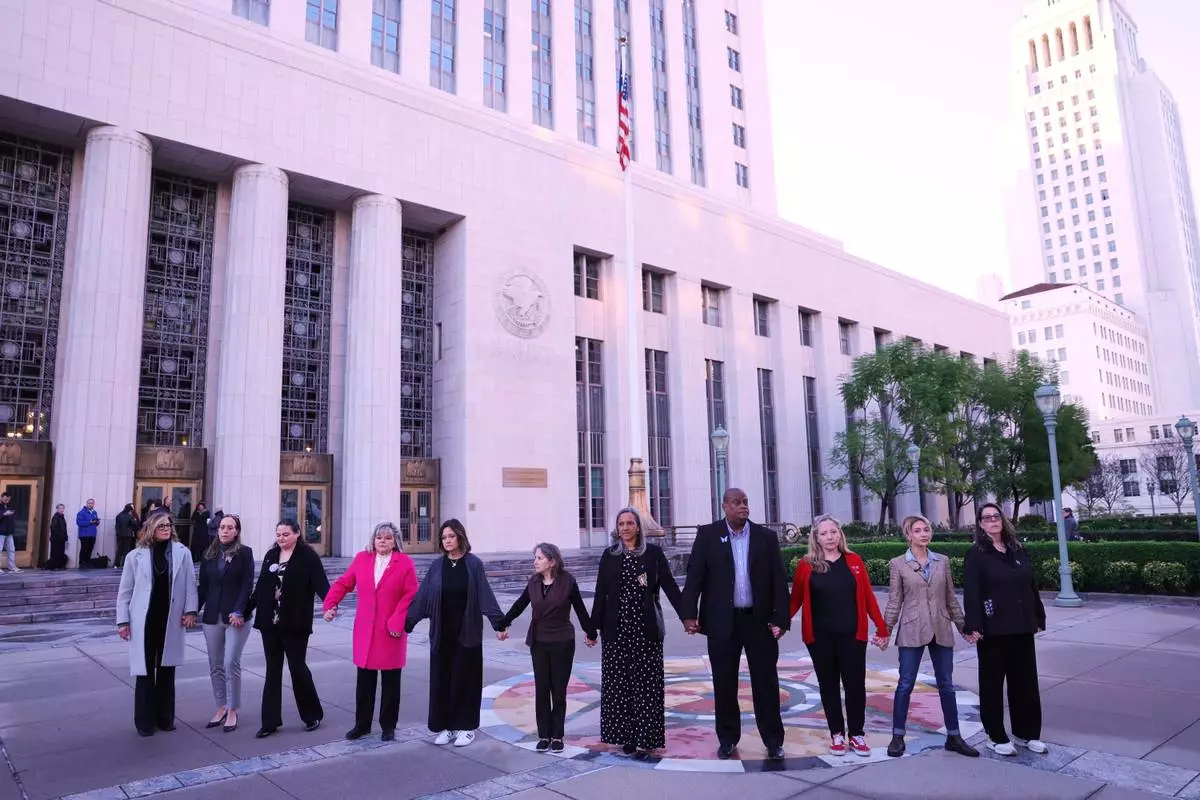
FILE - A group holds hands outside a landmark trial over whether social media platforms deliberately addict and harm children, Wednesday, Feb. 18, 2026, in Los Angeles. (AP Photo/Ryan Sun, File)

FILE - A group holds hands outside a landmark trial over whether social media platforms deliberately addict and harm children, Wednesday, Feb. 18, 2026, in Los Angeles. (AP Photo/Ryan Sun, File)

Recommended Articles