The U.S.-led "Board of Peace", proposed as a mechanism to oversee post-war arrangements in the war-ravaged Gaza Strip, has met with skepticism from Gaza residents, who questioned the initiative's sincerity after previous political efforts failed to solve their daily hardships.
The inaugural meeting of the so-called "Board of Peace" took place on Thursday. During the meeting, nine members pledged seven billion U.S. dollars for reconstruction efforts, alongside a separate ten-billion-U.S.-dollar contribution from the United States.
U.S. President Donald Trump formally launched the "Board of Peace" on Jan. 22 at a charter-signing ceremony during the World Economic Forum in Davos, Switzerland. The move has sparked concerns that it could erode the authority of the United Nations and undermine the established multilateral peacekeeping framework. Some major global powers and traditional U.S. allies have also chosen not to join the board.
In Gaza, reactions remain cautious. While residents welcome any effort to rebuild, many are skeptical, pointing out that previous political initiatives have failed to bring about meaningful change on the ground.
"U.S. policy during the war was fully biased toward Israel, politically and militarily. The administration provided weapons and diplomatic cover, including the veto [at the United Nations Security Council], while also challenging international justice institutions," said Amjad Al-Shawa, director general in Gaza of the Palestinian Non-Governmental Organization Network (PNGO).
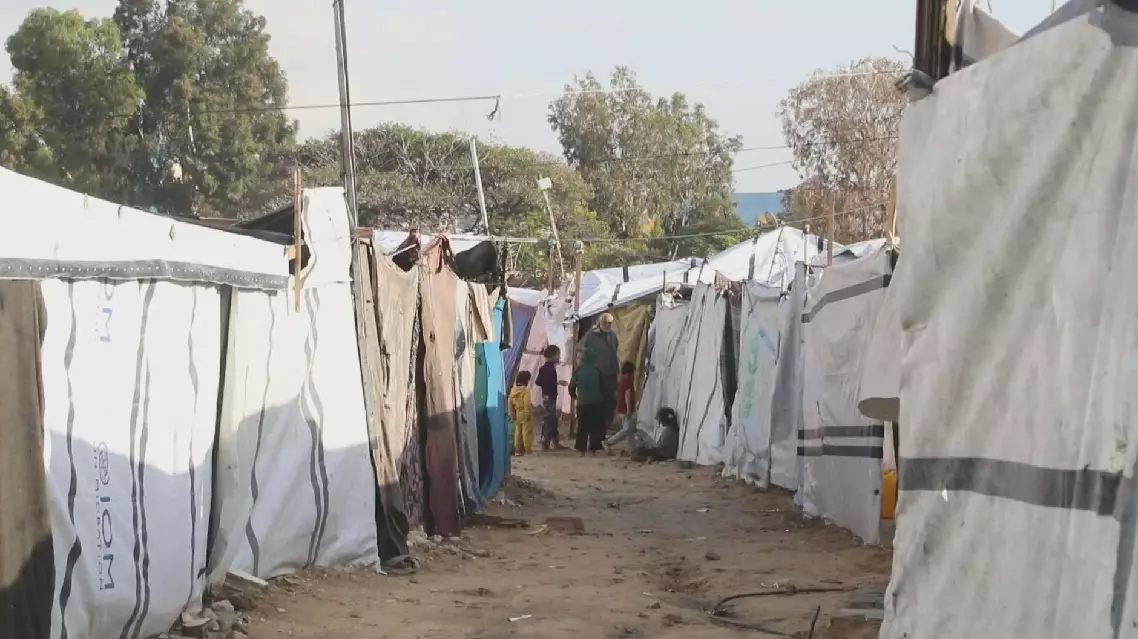
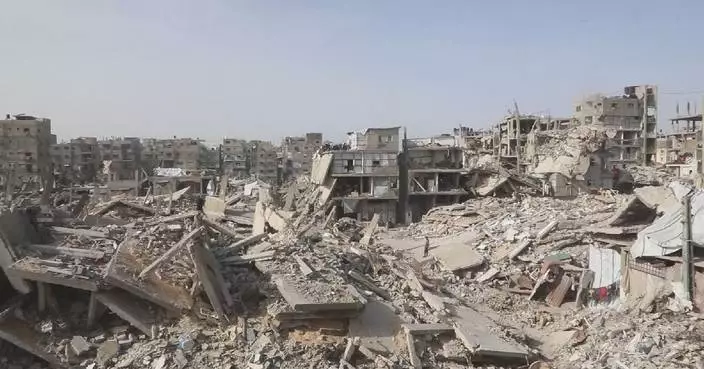
Meanwhile, hundreds of thousands of displaced Palestinians continue to live in tents, with entire neighborhoods still reduced to rubble. Many say they are waiting for real action, not more meetings that leave their daily hardships unchanged.
"We hope they are sincere this time and that they will lift the suffering we endured. Our people went through hunger, killing, and the suspension of education. Many children have stopped going to school," said Hassan Al-Batniji, a displaced Palestinian.
Analysts say that although the initiative contributed to a ceasefire, it may also carry political implications for the future of Palestinian governance.
"Palestinians are focused first on ending the war and preserving their land and people, while also addressing the political risks that could affect the Palestinian political system," said Ahmed Al-Tannani, a political analyst.

Gaza residents voice skepticism toward U.S.-led "Board of Peace"