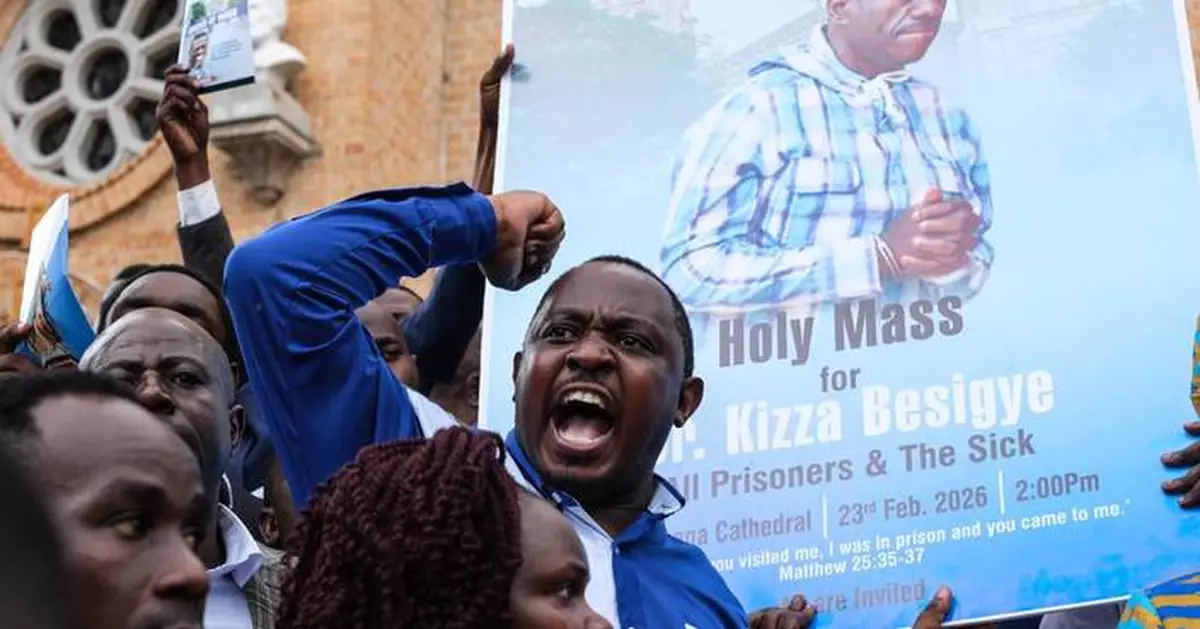
KAMPALA, Uganda (AP) — Hundreds of supporters of detained Ugandan opposition figure Kizza Besigye held a defiant prayer service inside a Catholic cathedral on Monday to press authorities to free him after more than a year without trial on treason charges, saying he is in failing health.
The archbishop of Kampala, Paul Ssemogerere, had been expected to preside but attendees were told the event had been postponed. The chancellor of the archdiocese, Pius Male, told The Associated Press the archbishop sought a postponement “because there were issues which were still being discussed so that may have harmony.” He gave no details.
Click to Gallery
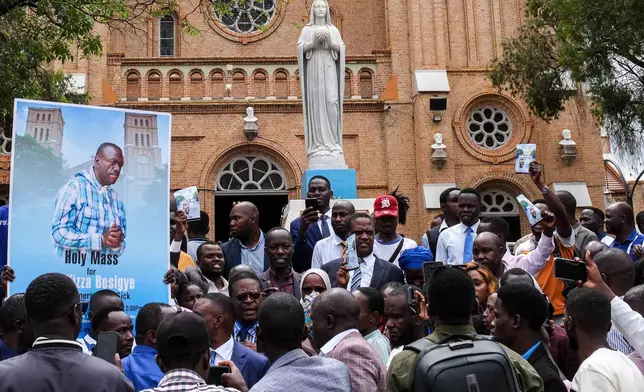
Supporters of detained Ugandan opposition figure Kizza Besigye gather for a prayer to press authorities to free him at Rubaga Cathedral in Kampala, Monday, Feb. 23, 2026. (AP Photo/Hajarah Nalwadda)
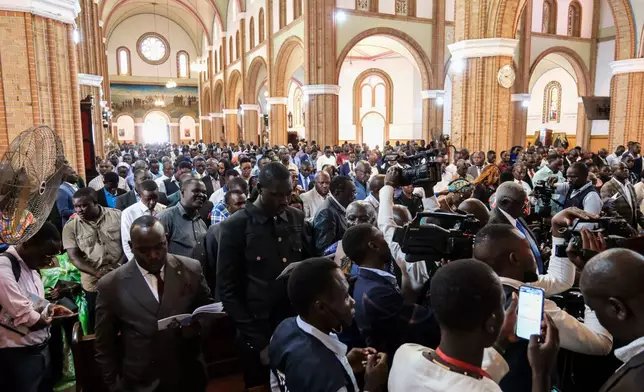
Supporters of detained Ugandan opposition figure Kizza Besigye gather for a prayer to press authorities to free him at Rubaga Cathedral in Kampala, Monday, Feb. 23, 2026. (AP Photo/Hajarah Nalwadda)
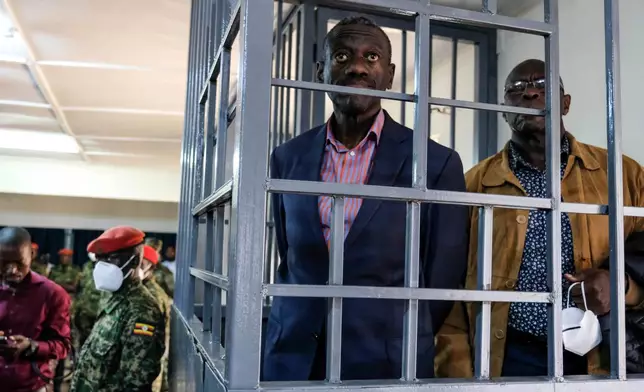
FILE - Ugandan opposition leader and four-time presidential candidate Kizza Besigye, stands in the dock at the Makindye Martial Court in Kampala, Uganda, Nov. 20. 2024. (AP Photo/Hajarah Nalwadda, File)
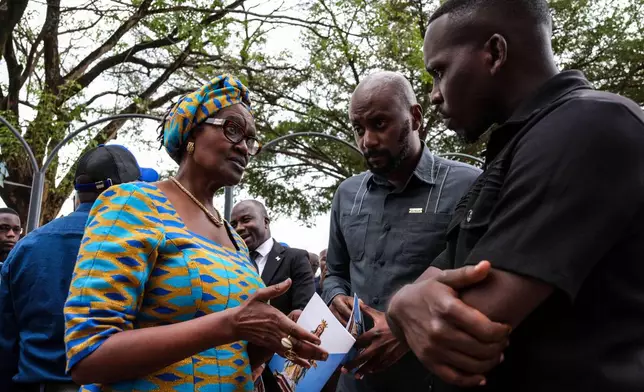
Winnie Byanyima, left, UNAIDS chief and wife of detained Ugandan opposition figure Kizza Besigye, talks with leaders during a prayer for him at Rubaga Cathedral in Kampala, Monday, Feb. 23, 2026. (AP Photo/Hajarah Nalwadda)
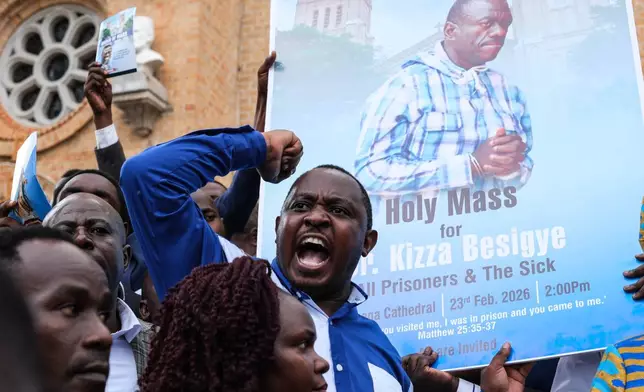
Supporters of detained Ugandan opposition figure Kizza Besigye gather for a prayer to press authorities to free him at Rubaga Cathedral in Kampala, Monday, Feb. 23, 2026. (AP Photo/Hajarah Nalwadda)
Instead of heading out, those inside Lubaga Cathedral sang hymns and prayed, led by Winnie Byanyima, the UNAIDS director who married Besigye in the church years ago.
The event was the first of its kind in support of Besigye, who has sometimes appeared in court in a wheelchair. He has been repeatedly denied bail, even as many Ugandans urge compassion. His trial is yet to formally start.
Byanyima told the crowd that the archbishop had informed her of President Yoweri Museveni’s request to postpone the event pending an investigation into whether it was political.
“So we are here and unable to have the Mass that we wanted because of the order of our president,” she said. “I would like that we still pray because we came to pray.”
Sandor Walusimbi, a spokesperson for the presidency, didn’t respond to a request for comment.
Uganda's president has said Besigye must answer for “the very serious offenses he is alleged to have been planning,” and has called for “a quick trial so that facts come out.”
Besigye, once Uganda’s most prominent opposition figure and four-time presidential candidate, is accused of plotting to remove Museveni by force.
Besigye went missing in the Kenyan capital of Nairobi in November 2024. Days later, he was presented before a military tribunal in Kampala to face charges related to threatening national security. The case later was transferred to civilian court and amended as treason, which carries the death penalty.
Museveni’s son, Gen. Muhoozi Kainerugaba, has alleged that Besigye plotted to kill his father. Kainerugaba, Uganda’s top military commander, last week called Besigye “a dead man walking.”
Those urging Besigye’s release on compassionate grounds point out his age, 69, and say he needs to consult with a doctor of his choice and not the government-appointed medics available at the maximum-security facility where he is held.
Besigye once was a trusted ally of Museveni in the guerrilla war that propelled the president to power in 1986, and served as Museveni’s personal doctor and military assistant.
He later became a fierce critic of the president, condemning what he saw as a descent into authoritarianism that betrayed the democratic promise of Museveni’s early years. Term and age limits on the presidency have since been scrapped.
Museveni was declared the winner of last month’s election, with more than 71% of the vote, and will now serve a seventh term. His main opponent, the opposition figure known as Bobi Wine, has since gone into hiding, fearing for his safety.
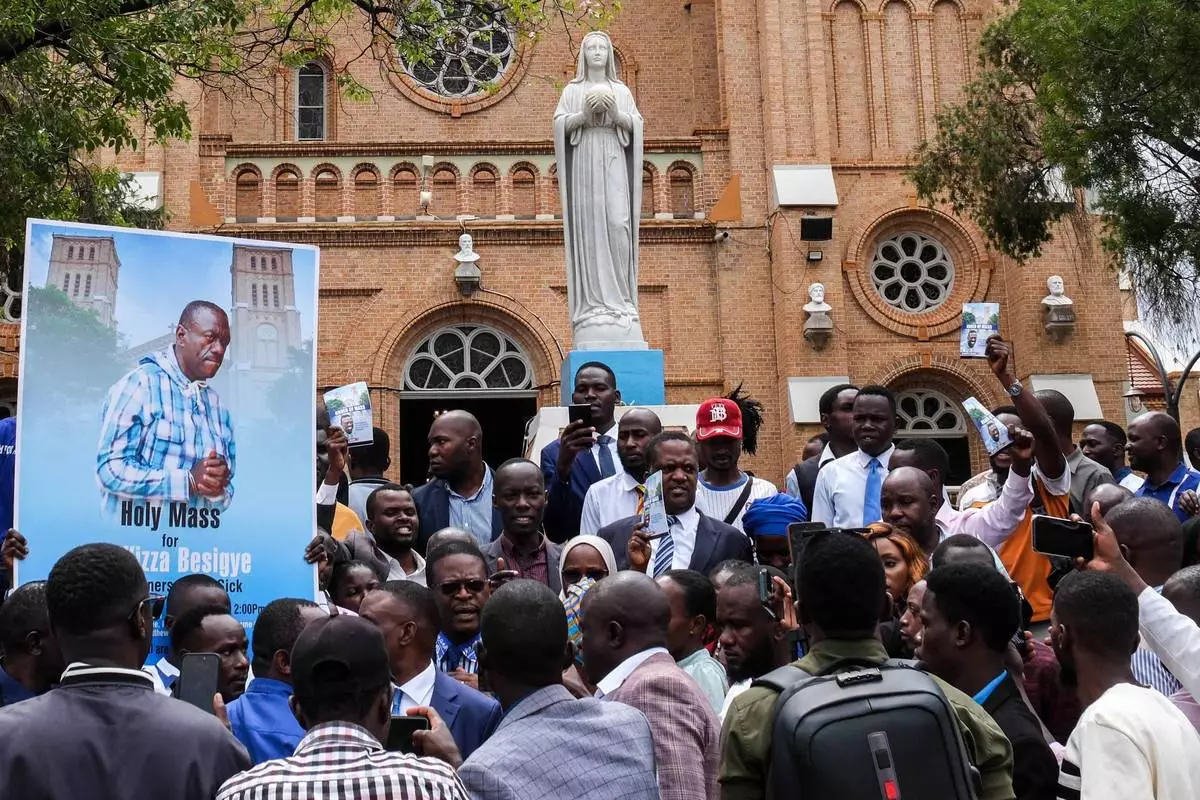
Supporters of detained Ugandan opposition figure Kizza Besigye gather for a prayer to press authorities to free him at Rubaga Cathedral in Kampala, Monday, Feb. 23, 2026. (AP Photo/Hajarah Nalwadda)
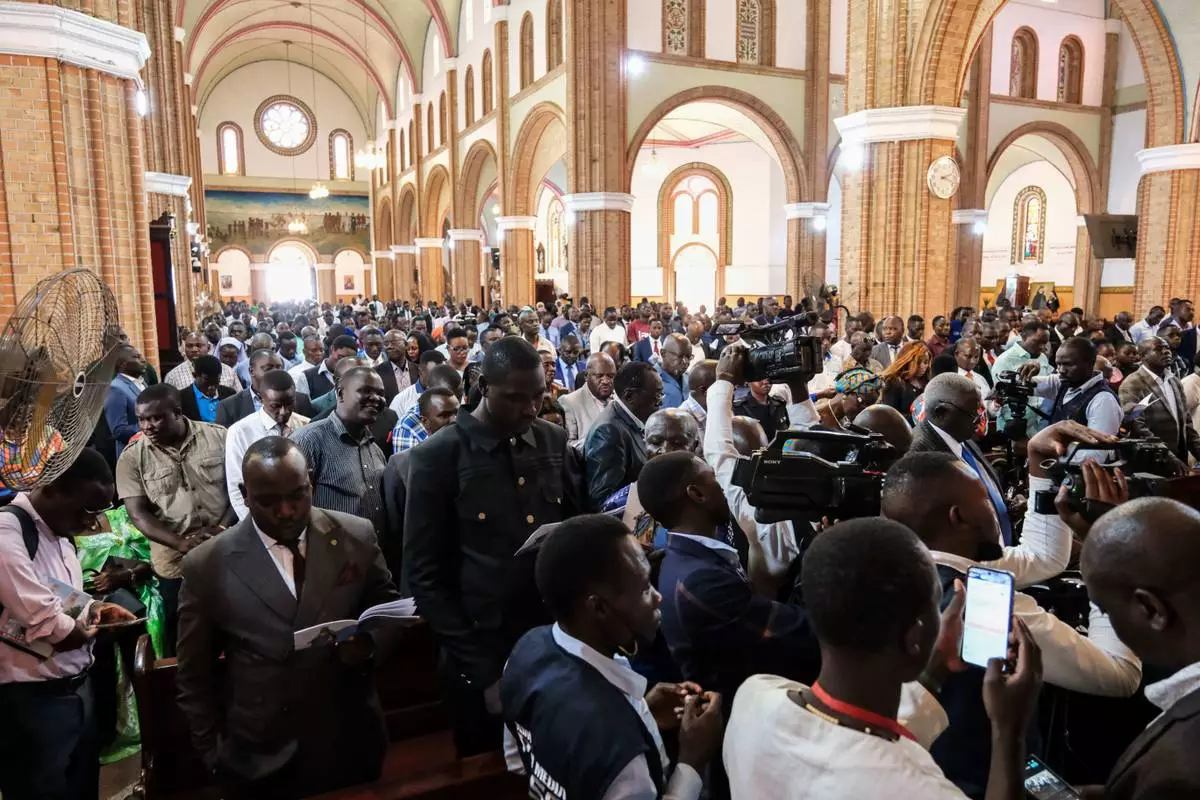
Supporters of detained Ugandan opposition figure Kizza Besigye gather for a prayer to press authorities to free him at Rubaga Cathedral in Kampala, Monday, Feb. 23, 2026. (AP Photo/Hajarah Nalwadda)
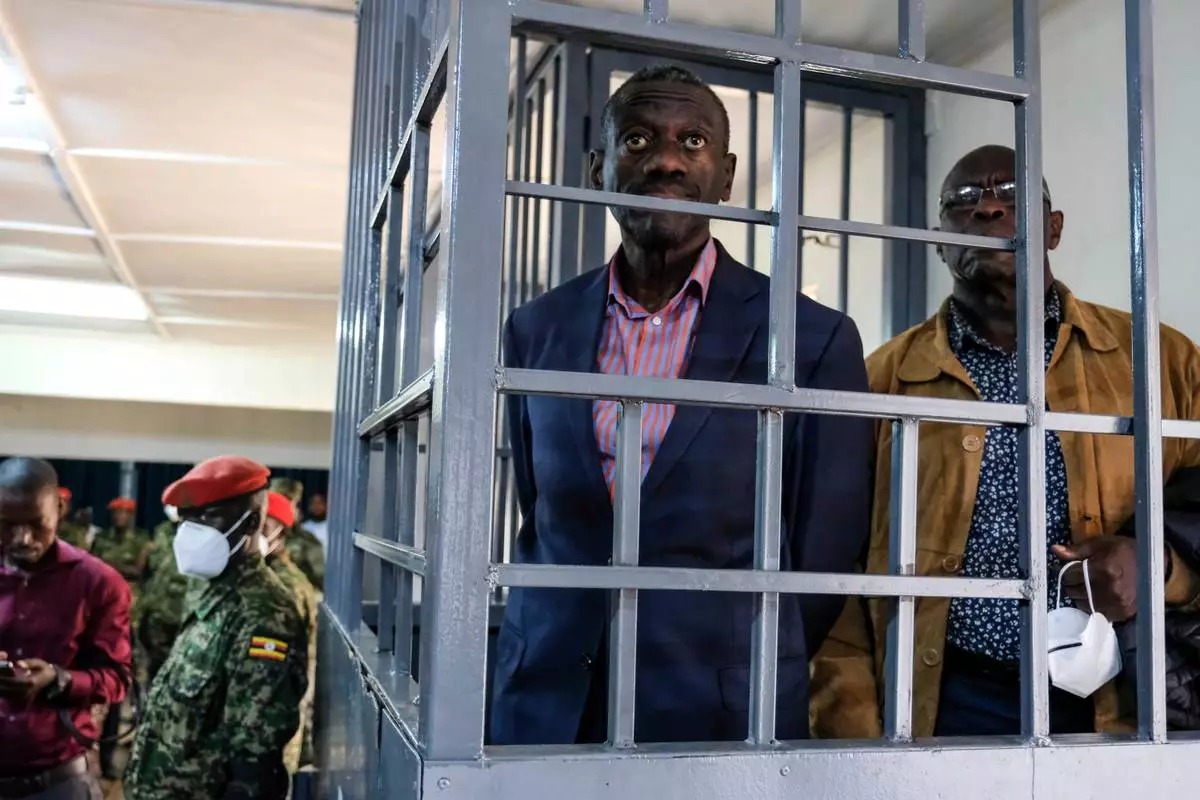
FILE - Ugandan opposition leader and four-time presidential candidate Kizza Besigye, stands in the dock at the Makindye Martial Court in Kampala, Uganda, Nov. 20. 2024. (AP Photo/Hajarah Nalwadda, File)
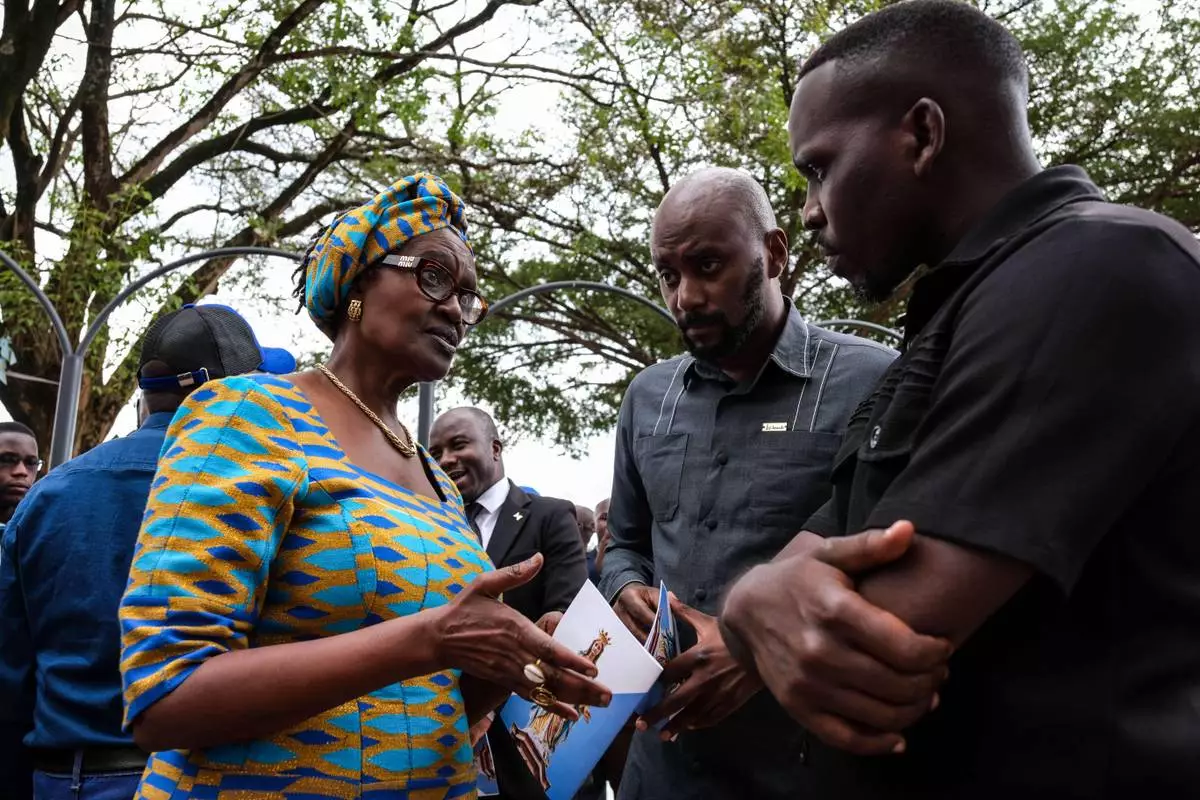
Winnie Byanyima, left, UNAIDS chief and wife of detained Ugandan opposition figure Kizza Besigye, talks with leaders during a prayer for him at Rubaga Cathedral in Kampala, Monday, Feb. 23, 2026. (AP Photo/Hajarah Nalwadda)
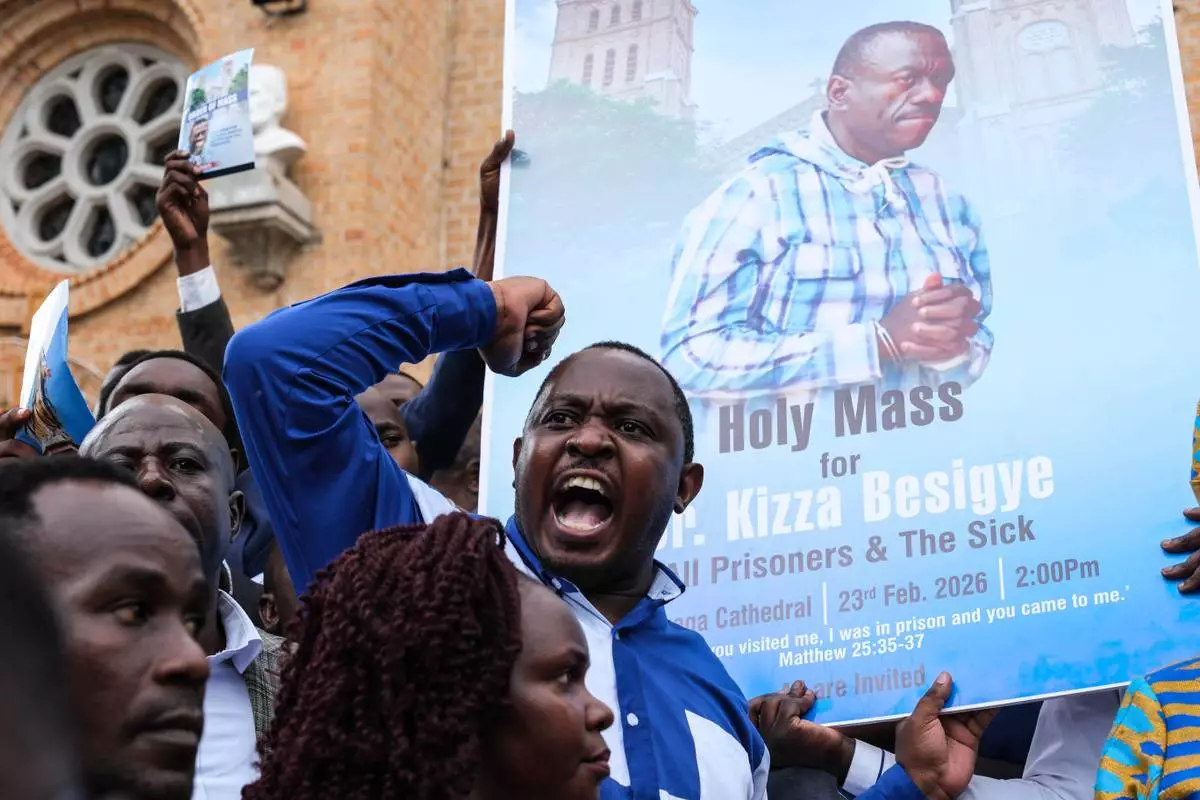
Supporters of detained Ugandan opposition figure Kizza Besigye gather for a prayer to press authorities to free him at Rubaga Cathedral in Kampala, Monday, Feb. 23, 2026. (AP Photo/Hajarah Nalwadda)