China's Foreign Ministry spokeswoman on Tuesday reaffirmed China's objective stance on the Ukraine crisis, emphasizing that China neither exploits the situation nor accepts blame-shifting.
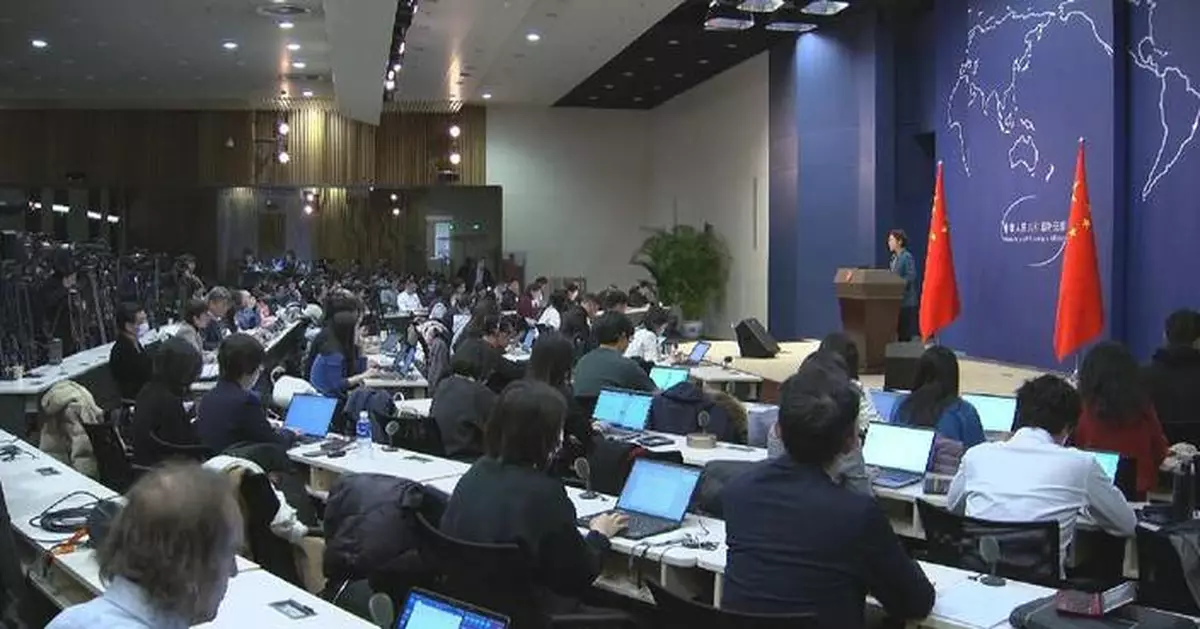
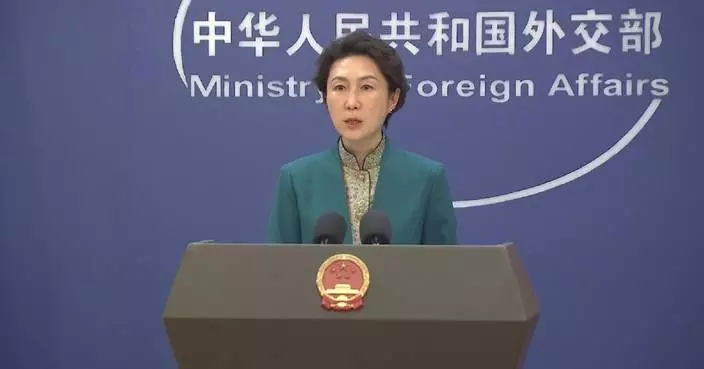
At a regular press briefing, Mao Ning, the spokeswoman, responded to questions regarding the Ukraine crisis.
China's position on the Ukraine crisis has been objective and fair, as is widely recognized. We have consistently encouraged peace talks, promoting ceasefire and the end of hostilities. China never adds fuel to the fire, never takes advantage of the situation for gains, and of course, we do not accept any blame-shifting," said Mao.
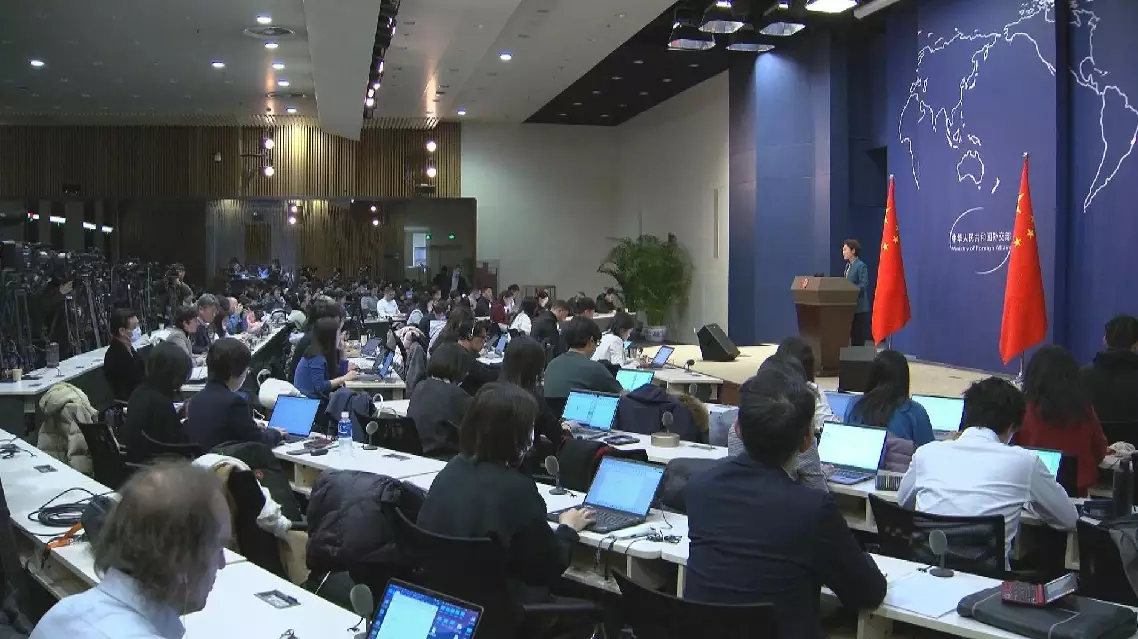
China rejects blame-shifting, seeks peace in Ukraine crisis: spokeswoman
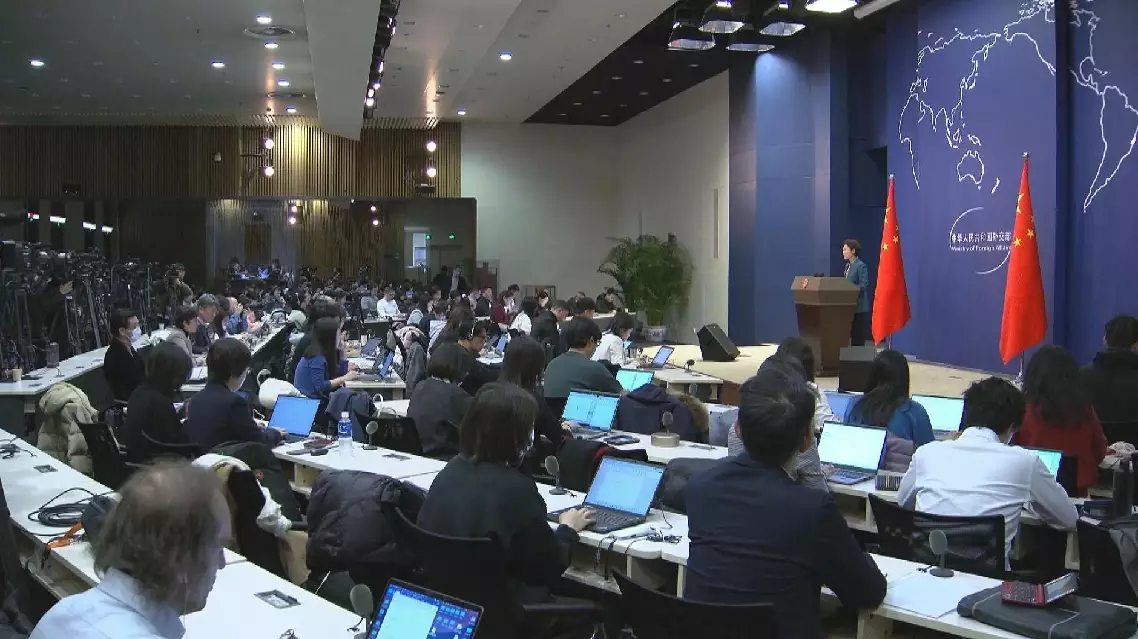
China rejects blame-shifting, seeks peace in Ukraine crisis: spokeswoman
The U.S. Customs and Border Protection (CBP) will halt collection of additional duties pursuant to the International Emergency Economic Powers Act (IEEPA) starting Tuesday, following a ruling by the U.S. Supreme Court on Feb 20.
The latest guidance involves additional ad valorem duties covered by seven executive orders signed from Feb 1, 2025 to Aug. 6, 2025, according to a bulletin issued by the U.S. CBP on Feb 22.
The U.S. Supreme Court ruled on Feb 20 that U.S. President Donald Trump's sweeping tariffs under IEEPA meant for use in national emergencies were illegal, officially striking down the global tariffs introduced since April.
In light of recent events, the additional ad valorem duties imposed pursuant to IEEPA shall no longer be in effect and, as soon as practicable, shall no longer be collected, the executive order said.
Trump authorized all executive departments and agencies to immediately take appropriate steps to terminate the collection of the additional ad valorem duties imposed under the IEEPA.
CBP has collected as much as 175 billion U.S. dollars in duties pursuant to the IEEPA, according to an estimate by Penn-Wharton Budget Model.
Meanwhile, the Trump administration is scheduled to impose an additional 15 percent tariff on imported goods from all countries starting Tuesday, according to a White House proclamation and one of Trump's social media posts on Saturday.
Section 122 of the Trade Act of 1974 allows the president to impose duties of up to 15 percent for up to 150 days on any and all countries to address "large and serious" balance of payments issues. After 150 days, Congress would need to approve their extension.
US to stop collecting duties following Supreme Court ruling
US to stop collecting duties following Supreme Court ruling