FedEx is suing the U.S. government, requesting a full refund on what it paid for tariffs set by President Donald Trump last year after the Supreme Court ruled that the tariffs are illegal.
FedEx said in a filing with the U.S. Court of International Trade that they have “suffered injury” from having to pay the tariffs and that the relief they're seeking from the court would redress those injuries.
Other companies have already launched efforts to recoup costs from the illegal tariffs, including large U.S. corporations like Costco and Revlon.
The National Retail Federation said in a statement on Friday that the Supreme Court's ruling provided certainty for U.S. businesses and manufacturers.
“We urge the lower court to ensure a seamless process to refund the tariffs to U.S. importers,” it said. "The refunds will serve as an economic boost and allow companies to reinvest in their operations, their employees and their customers.”
The Supreme Court struck down President Donald Trump’s far-reaching global tariffs on Friday. Trump said he was “absolutely ashamed” of some justices who ruled 6-3 against him, calling them “disloyal to our Constitution” and “lapdogs.” At one point he even raised the specter of foreign influence without citing any evidence.
The court’s ruling found tariffs that Trump imposed under an emergency powers law were unconstitutional, including the sweeping “reciprocal” tariffs he levied on nearly every other country.
The Treasury had collected more than $133 billion from the import taxes the president has imposed under the emergency powers law as of December, federal data shows. The impact over the next decade has been estimated at some $3 trillion.
Trump has vowed to collect tariffs through other means. He reached for a stopgap option immediately after his defeat Friday at the Supreme Court: Section 122 of the Trade Act of 1974 allows the president to impose tariffs of up to 15% for up to 150 days. But any extension beyond 150 days must be approved by a Congress likely to balk at passing a tax increase as November’s midterm elections loom.
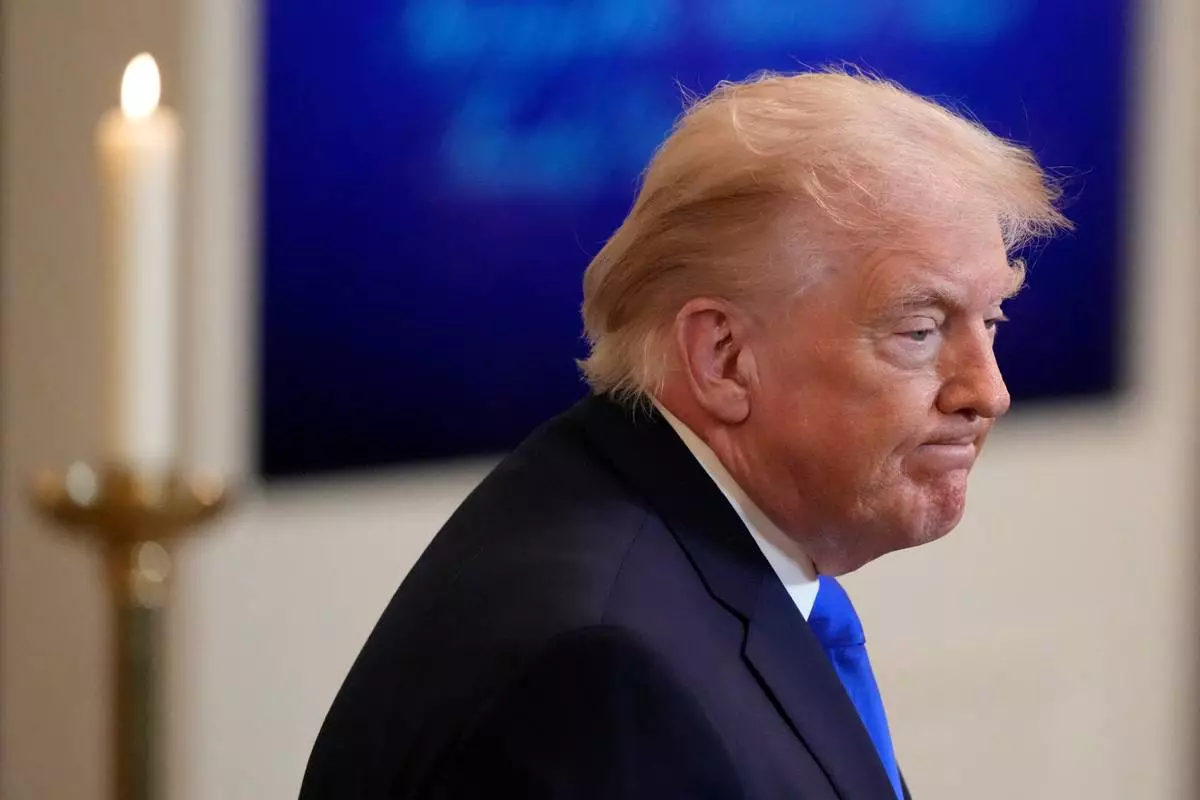
President Donald Trump leaves after an event to proclaim "Angel Family Day" in the East Room of the White House, Monday, Feb. 23, 2026, in Washington. (AP Photo/Alex Brandon)
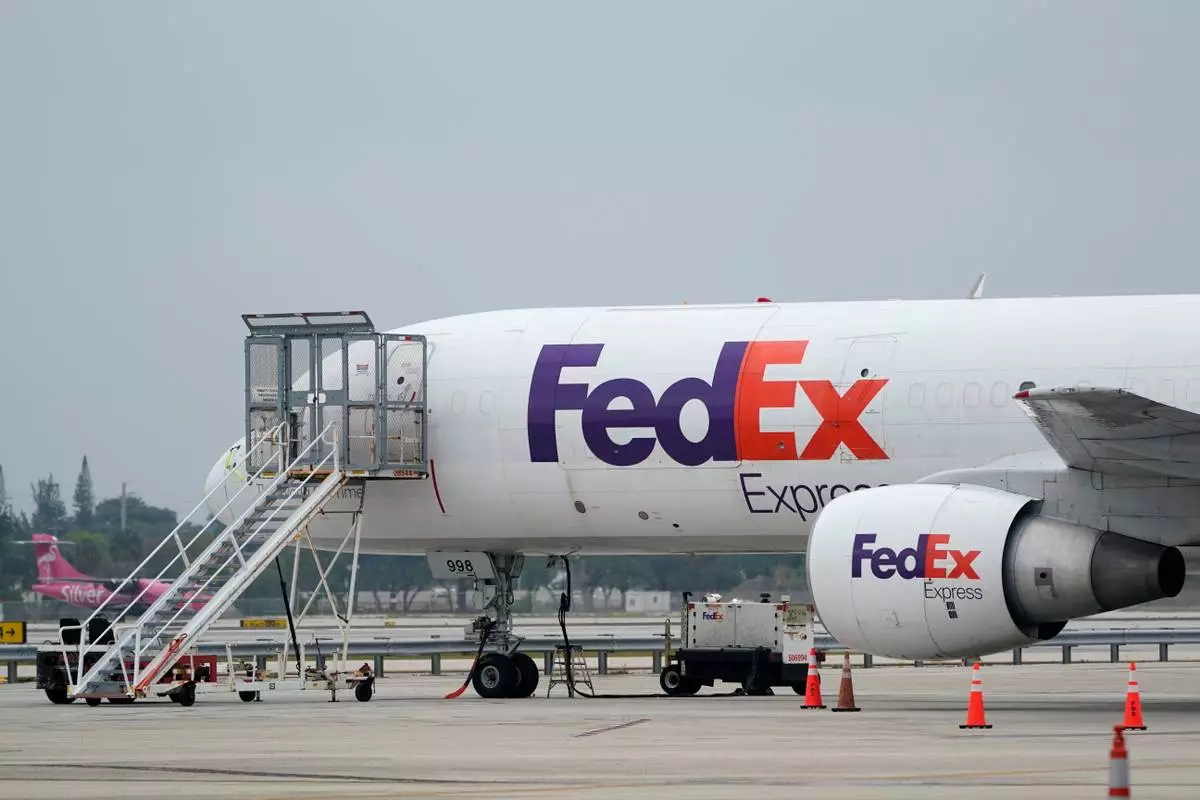
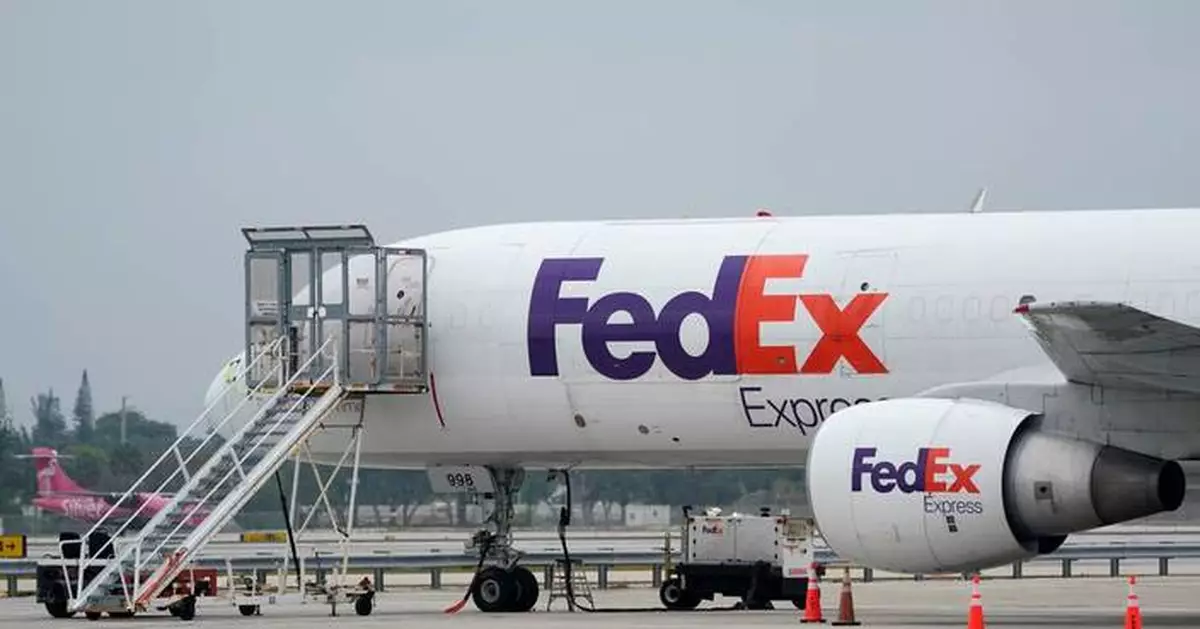
FILE-A FedEx cargo plane is shown on the tarmac at Fort Lauderdale-Hollywood International Airport, Tuesday, April 20, 2021, in Fort Lauderdale, Fla. (AP Photo/Wilfredo Lee, File)
Facebook owner Meta Platforms will buy artificial intelligence chips from Advanced Micro Devices in a deal that will also give it the opportunity to buy up to a 10% stake of the chip company.
News of the AMD deal comes just days after Meta announced a long-term partnership where it will use millions of chips and other equipment from Nvidia for its artificial-intelligence data centers.
Meta will buy AMD's latest chips, the MI450, to help power data centers. The 6-gigawatt agreement will see shipments supporting the first gigawatt deployment set to start during the second half of this year. The agreement could potentially be worth more than $100 billion.
AMD is looking to keep pace with Nvidia in the AI craze that’s widely viewed as the biggest tectonic shift in technology since Apple co—founder Steve Jobs unveiled the first iPhone.
Nvidia carved out an early lead in tailoring its chipsets known as graphics processing units, or GPUs, from use in powering video games to helping to train powerful AI systems, like the technology behind ChatGPT and image generators. Demand skyrocketed as more people began using AI chatbots. Tech companies scrambled for more chips to build and run them.
While the appetite for AI chips is still large, there are some concerns about how much companies like Meta are spending on AI and whether they can make back their huge investments through higher profits and productivity in the future.
For Meta, the company has been pushing to revive its commercial AI efforts as the company faces tough competition from rivals such as Google and OpenAI, maker of ChatGPT. In June, the company made a $14.3 billion investment in AI data company Scale and recruited its CEO Alexandr Wang to help lead a team developing “superintelligence” at the tech giant. And in December, Meta bought artificial intelligence startup Manus, as the owner of Instagram continues an aggressive push to amp up AI offerings across its platforms.
AMD issued Meta a performance-based warrant for up to 160 million shares of its common stock at $0.01 a piece, structured to vest as long as certain milestones are achieved.
The first tranche vests with the initial 1-gigawatt of shipments, with additional tranches vesting as Meta’s purchases scale to 6 gigawatts.
Shares of AMD jumped more than 9% before the market open on Tuesday.

FILE -A Meta logo is shown on a video screen at LlamaCon 2025, an AI developer conference, in Menlo Park, Calif., April 29, 2025. (AP Photo/Jeff Chiu, File)