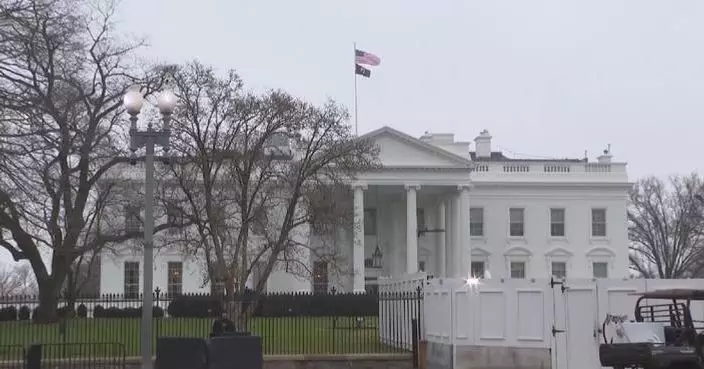
Chinese Foreign Ministry Spokesperson Mao Ning said on Tuesday that the Chinese military's response to recent U.S. military aircraft activities in relevant air space of the Yellow Sea was fully in line with laws and regulations.
"Regarding the U.S. aircraft’s activities in relevant air space of the Yellow Sea, the Chinese military tracked and monitored the activities and stayed on alert throughout the process and effectively responded to and handled the situation in accordance with laws and regulations," Mao said at a regular press briefing in Beijing.
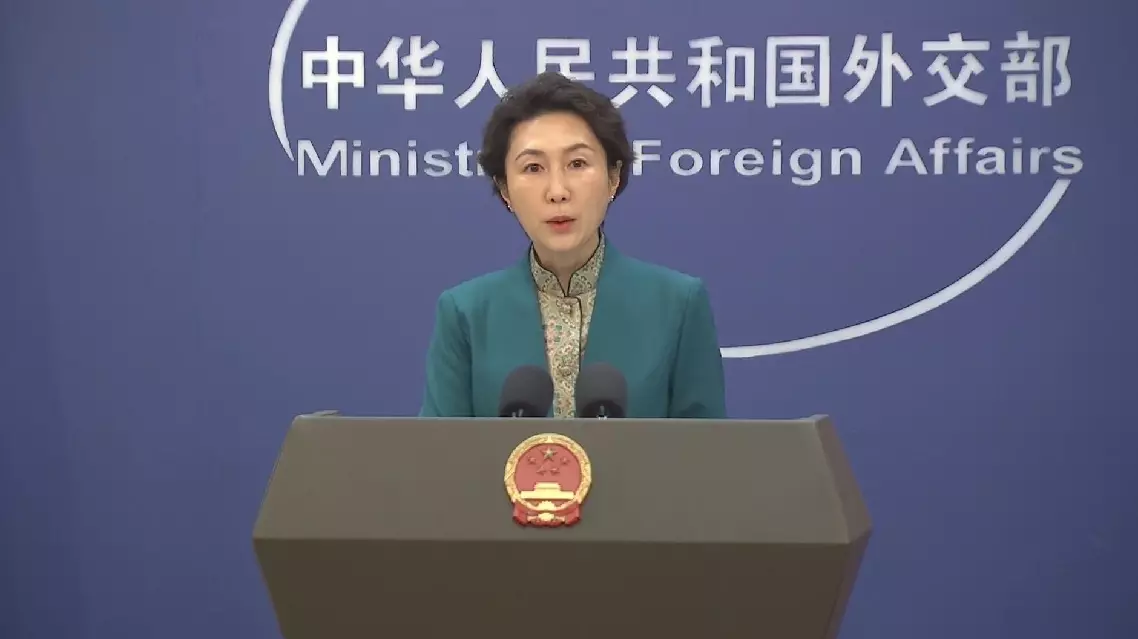
China’s military response to U.S. aircraft activities over Yellow Sea fully lawful: Foreign Ministry
Farmers in India, a major agricultural producer and fertilizer importer, are raising concerns over fertilizer availability ahead of the planting season, as the escalating Middle East conflict and disruptions to shipping through the Strait of Hormuz put global supplies at risk.
The Middle East serves as both a vital energy hub and a major global fertilizer supplier, yet the ongoing U.S.-Israeli war with Iran has heightened risks of disruption to international supplies.
Chand Singh Yadav, a farmer in Haryana, a northern Indian state, said poor crop yields would be disastrous for the country and called on the government to ensure adequate supplies of fertilizers, agrochemicals and seeds to prevent a food crisis. "Without fertilizers, our crops will not grow well, and this would be disastrous for the entire country. If farmers cannot grow crops, people will not be able to buy food in the market. We urge the government to improve the supply system for fertilizers, agrochemicals and seeds to prevent the country and society as a whole from sliding into a food crisis," he said.
The Indian government is stepping up subsidies for farmers and optimizing fertilizer distribution and allocation to stabilize the supply. Prices have remained broadly stable, but demand is expected to surge ahead of the planting season, potentially exacerbating supply pressures.
"The current situation is worrying for us farmers. Spring sowing has not yet started, and the rainy season has not arrived. Fertilizer prices are temporarily stable, but in two months, demand for agricultural fertilizers will become pressing. Without fertilizers, it will be difficult to properly cultivate various types of crops. Urea and diammonium phosphate are especially critical. Crops can only grow normally when these fertilizers are applied. As these fertilizers are largely imported, if the conflict persists, supplies cannot be guaranteed," said Santosh Mishra, a farmer in India's eastern state of Odisha.
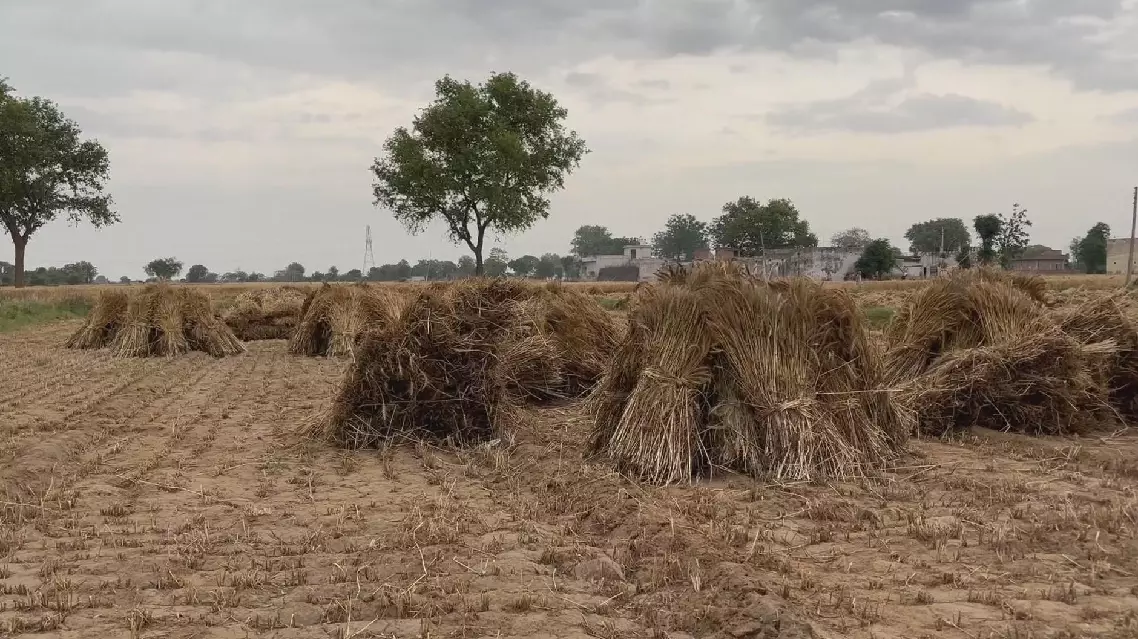
Escalating Middle East conflict strains India’s fertilizer supply