China hopes the United States will adopt an objective, rational view of the implementation of the China-U.S. phase-one economic and trade agreement, the Ministry of Commerce said on Wednesday.
China urges the U.S. to refrain from shifting blame, and to avoid using China as a pretext to create trouble or provoke issues, the ministry said.
The remarks were made in response to U.S. Trade Representative Jamieson Greer's statement that the United States will continue to advance its Section 301 investigation into China's compliance with the phase-one economic and trade agreement, and that it may impose tariff measures.
If the United States insists on advancing the investigation, or imposes tariffs or other restrictive measures under the guise of investigation, China will take all necessary measures to firmly safeguard its legitimate rights and interests, the ministry noted.
It said that since the phase-one economic and trade agreement took effect in early 2020, China has worked hard to implement it, overcoming multiple adverse factors such as the pandemic and subsequent supply chain disruptions, as well as a global economic downturn.
China has earnestly fulfilled its obligations under the agreement, meeting commitments related to intellectual property protection and promoting financial and agricultural market openness on schedule, and fully delivering on the expansion of trade cooperation, the ministry said.
It said that in contrast, the U.S. has tightened export controls related to China, restricted bilateral investment, escalated economic, trade and other forms of suppressive or restrictive measures continuously, hindered normal bilateral trade and investment activities, violated the spirit of the agreement, and undermined the atmosphere and conditions for its implementation.
Since last year, China and the United States have undertaken five rounds of economic and trade consultations, achieving a series of important outcomes and reaching multiple consensuses on extending the suspension period for reciprocal tariffs, agricultural trade, export controls and the reduction of investment restrictions, the ministry said.
During this process, both sides have also been in communication about the phase-one economic and trade agreement on multiple occasions, it said.
Guided by the important consensus reached between the heads of state of the two countries, China is willing to work with the U.S. to make good use of their bilateral economic and trade consultation mechanism, focus on the future and the implementation of existing, mutually agreed economic and trade outcomes, and actively explore the convergence points of interests between the two sides, it said.
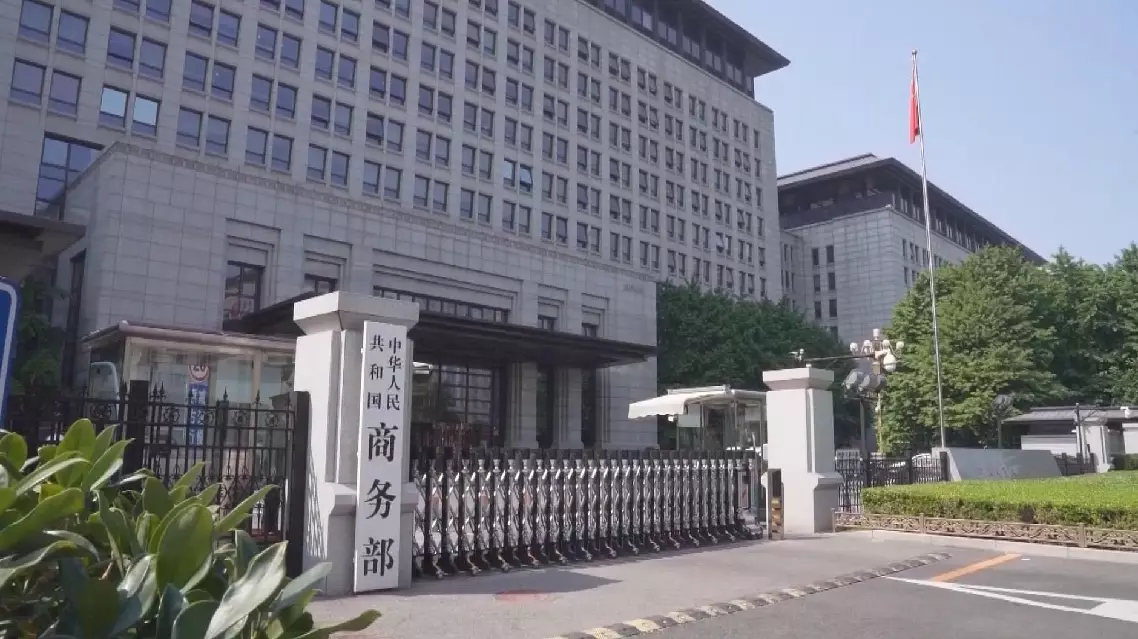
China hopes U.S. will view implementation of phase-one trade deal objectively