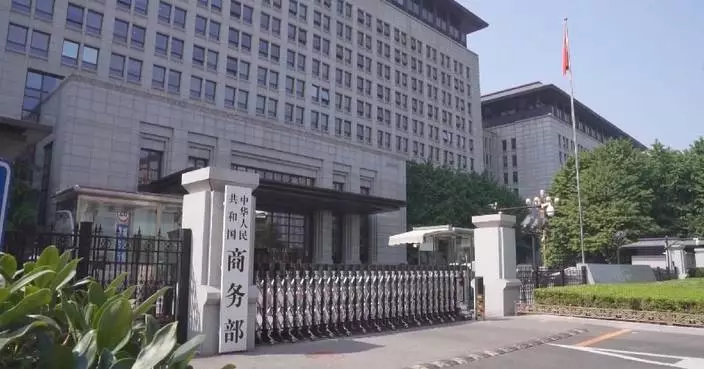
Troops of the Eastern Theater Command of the Chinese People's Liberation Army (PLA) stay vigilant around the clock in guarding Nan'ao Island close to China's Taiwan region.
Chinese navy troops have been deployed at an observation and communication station on the island in Shantou City of south China's Guangdong Province for 75 years.
Located at the southern mouth of the Taiwan Strait, the island is Guangdong's closest point to the Taiwan region.
"Our station has personnel on duty around the clock over years. We all do our duty as if we were fighting on the battlefield and stay vigilant all the time," said Wang Changyue, a soldier of the observation and communication station under the naval force of the PLA Eastern Theater Command.
Due to the island's special geographical location, soldiers stationed there shoulder heavy tasks regarding combat readiness and daily trainings.
They had just completed their mission in a large-scale military drill not long ago.
"We have our own responsibilities and missions. Troops like us who are stationed on mountains and islands are an integral part of the strict and resolute coastal defense for our motherland," said Liu Jiajing, another solider of the station.
"I hope that I would make my contribution to realizing China's complete reunification," said soldier Yang Yi.
Passed through by the Tropic of Cancer, Nan'ao Island is also a popular destination among tourists during the Spring Festival holiday for its beautiful scenery.
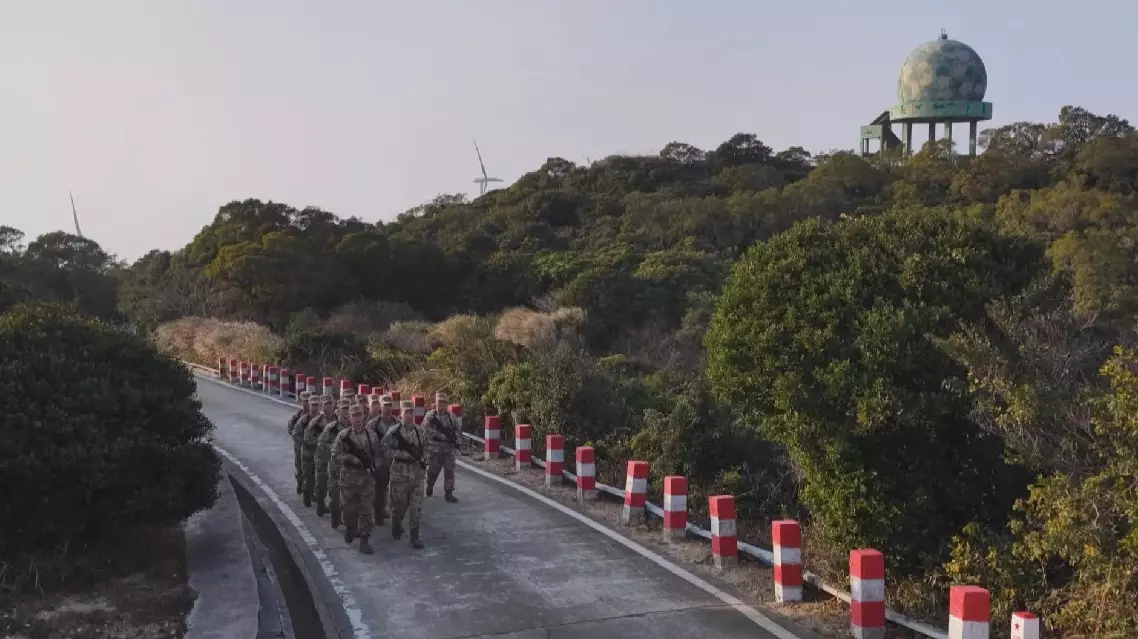
Naval troops stay vigilant in guarding Guangdong island
The direction of dialogue between the U.S. and Iran is increasingly determined not by words spoken at the negotiating table, but by military actions, according to military analyst Hossein Kanani Moghaddam.
After a week of intensive behind-the-scenes diplomatic maneuvering, a new round of U.S.-Iran talks is scheduled for Thursday in Geneva and is expected to focus on Iran's nuclear program.
Meanwhile, tensions are escalating between the negotiations and the realities in the region. The recent deployment of a U.S. Navy aircraft carrier to the region has raised concerns. While some see it as a deterrent, Iran views it as a threat.
In an interview with China Global Television Network (CGTN), Moghaddam said the key question is where any potential strike could originate.
"Arab countries in the region continue to assert that they will not permit the U.S. to use military bases on their soil for strikes against Iran. In my view, the deployment of U.S. aircraft carriers to the region is intended precisely to avoid reliance on those regional bases," said military analyst Hossein Kanani Moghaddam, who is also the former commander of Iran's Islamic Revolutionary Guard Corps (IRGC). He also said that Iran views its red line for any attack as absolute.
"If the U.S. attacks facilities inside Iran or targets the country's Supreme Leader, the entire region will inevitably be drawn into war. Iran has already made it clear to the Americans that, before targeting their regional bases, 2,000 missiles will be launched toward Israel," he said.
With a wide gap between Tehran's red lines and Washington's demands, the outlook for a deal appears increasingly uncertain, said the military expert.
"It seems we are approaching the zero hour as the countdown has begun. War or an agreement lies ahead, either the U.S. will back down, or Iran will offer major concessions," he said.
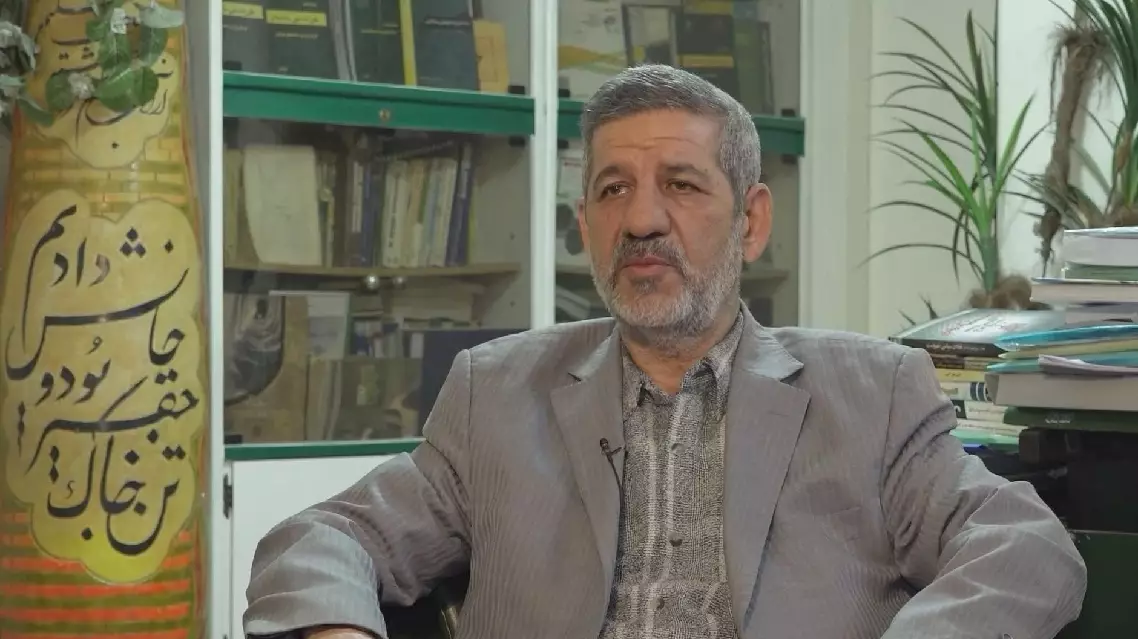
Direction of Iran-US talks determined by military actions away from negotiating table: analyst