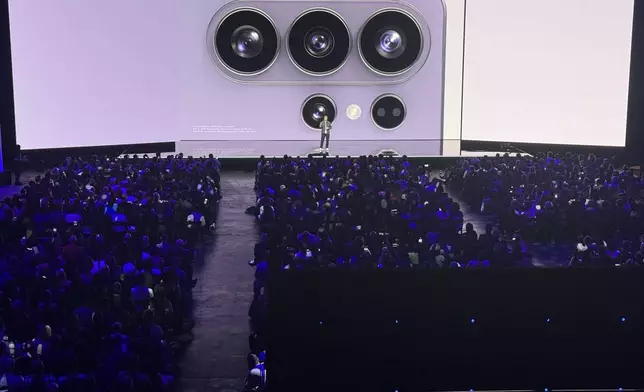
SAN FRANCISCO (AP) — Samsung on Wednesday unveiled its latest Galaxy smartphones, which boast an even bigger toolbox of artificial intelligence technology than the previous two generations and introduce a new privacy shield mode that blocks snoopy bystanders from sneaking a peek at the display screen.
The upgrades on the Galaxy S26 lineup — arriving in stores March 11 — will also include price increases of 10% to 13% on the basic and mid-tier models while the Ultra device will cost the same as last year's version. The standard Galaxy S26 will sell for $899, while the Plus model will cost $1,099. That's $100 more than what Samsung charged for the comparable devices released in each of the past two years. The Galaxy S26 Ultra remains at $1,299.
Click to Gallery
FILE - The logo of the Samsung is seen at the Samsung Electronics' Seocho building in Seoul, South Korea, Friday, July 5, 2024. (AP Photo/Lee Jin-man, File)
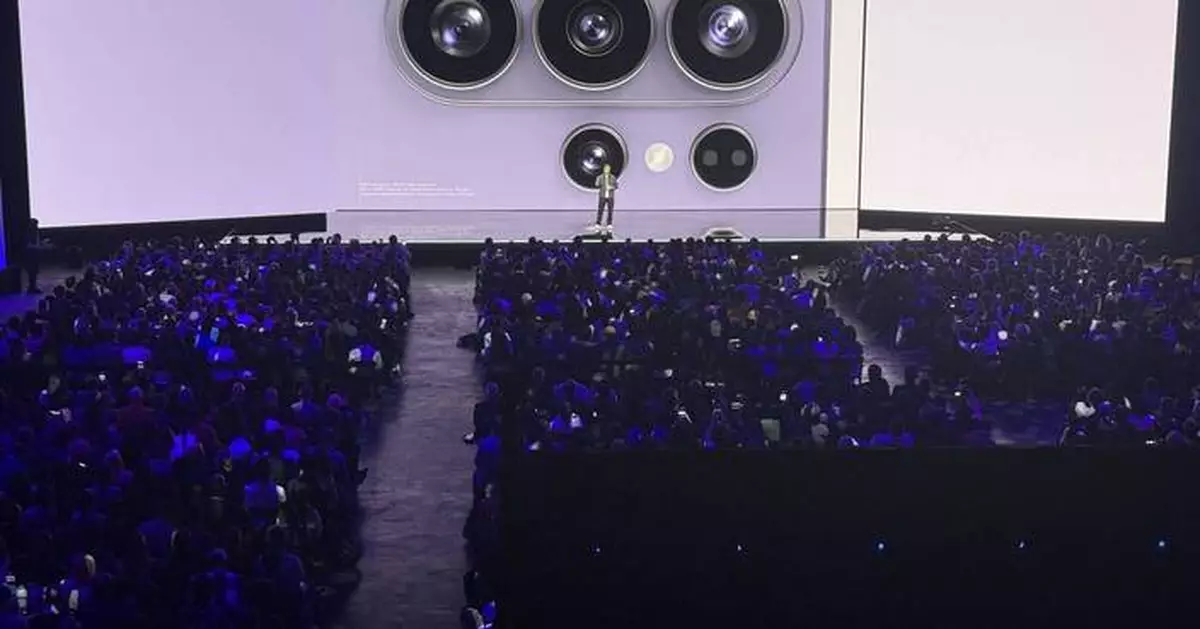
Samsung unveils its latest Galaxy smartphones during a showcase in San Francisco on Wednesday, Feb. 25, 2026. (AP Photo/Haven Daley)
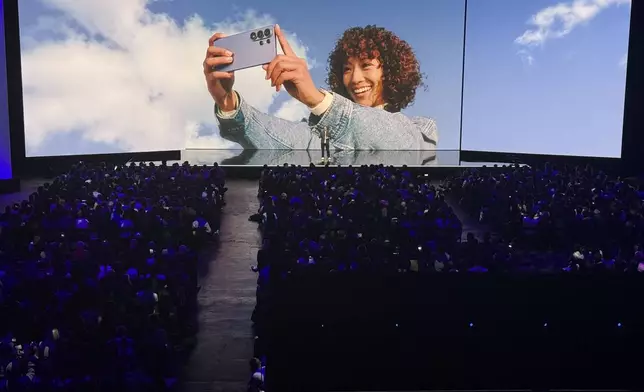
Samsung unveils its latest Galaxy smartphones during a showcase in San Francisco on Wednesday, Feb. 25, 2026. (AP Photo/Haven Daley)
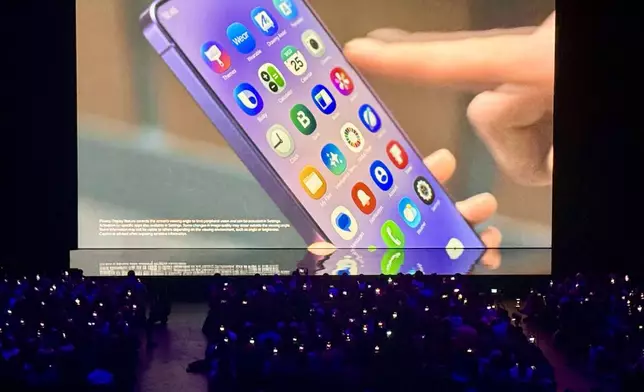
Samsung unveils its latest Galaxy smartphones during a showcase in San Francisco on Wednesday, Feb. 25, 2026. (AP Photo/Haven Daley)
As has become commonplace for all new smartphones, Samsung has improved the camera and battery for the Galaxy S26 because those features weigh so heavily on consumers' decisions on whether it's worth upgrading from the devices they already have.
Samsung is also dangling a new reason to pony up for its most expensive Galaxy S26 with a built-in feature called “Privacy Display” that will only be available on the Ultra.
When the privacy protection option is turned on, the pixels on the Ultra change in a way that enables the display screen to only be seen when looking directly down at it. The screen appears off when viewed from the side, preventing “shoulder surfing” from people standing or sitting nearby. The controls can be set up so specific apps, such as those dealing with financial information or other sensitive information, will always open in the Privacy Display mode.
PP Foresight analyst Paolo Pescatore predicts Privacy Display could turn out to be “the sleeper hit, a standout feature in a sea of AI noise.”
But Samsung continues to highlight AI as a marquee attraction on its Galaxy phones, amplifying on a theme that it began harping on two years ago when the company began to embrace the technology as a way to make its devices even more versatile and compelling.
“AI must become part of our infrastructure,” said TM Roh, Samsung's CEO of device experience, during a showcase held in San Francisco. “You should be able to enjoy its benefits through the devices you use every day.”
Samsung is promising this year's Galaxy lineup is loaded with AI that will act as multipurpose agents that fetches information and content so users won't have to spend time doing it on their own.
“This is the agentic AI phone,” Roh said of the Galaxy S26.
As it has in the previous years, Samsung is leaning heavily on Google's Gemini technology for its AI, but also is adding another assistant option from Perplexity, a rising star that is best known for running its own “answer engine” for finding online information.
The Galaxy S26 phones will also include more tools that can doctor photos taken on the devices, including one that automatically softens a subject's skin tone if the selfie is taken with the phone's front camera.
AI technology is being deployed on many other smart devices, including those made by Apple and Google, but it's unclear if the strategy is resonating with consumers.
Although Apple has been promoting its own AI suite for nearly two years, the trendsetting company still hasn't been able to deliver on all the features it has been promising. Apple's AI shortcomings have become so glaring that it's depending on Google to help smarten up i ts often bumbling virtual assistant Siri.
Despite all that, Apple's iPhone has remained the world's top-selling smartphone for the past three years — a mantle that Samsung last held in 2022, according to the research firm International Data Corp.
“AI is still not a sought-after feature among users,” Pescatore said. "The big opportunity is making AI feel like a daily habit rather than a party trick, with tighter integration across core apps. AI must be boringly useful. Less ‘look what it can do,’ more ‘this saves me time every day.’ ”
FILE - The logo of the Samsung is seen at the Samsung Electronics' Seocho building in Seoul, South Korea, Friday, July 5, 2024. (AP Photo/Lee Jin-man, File)
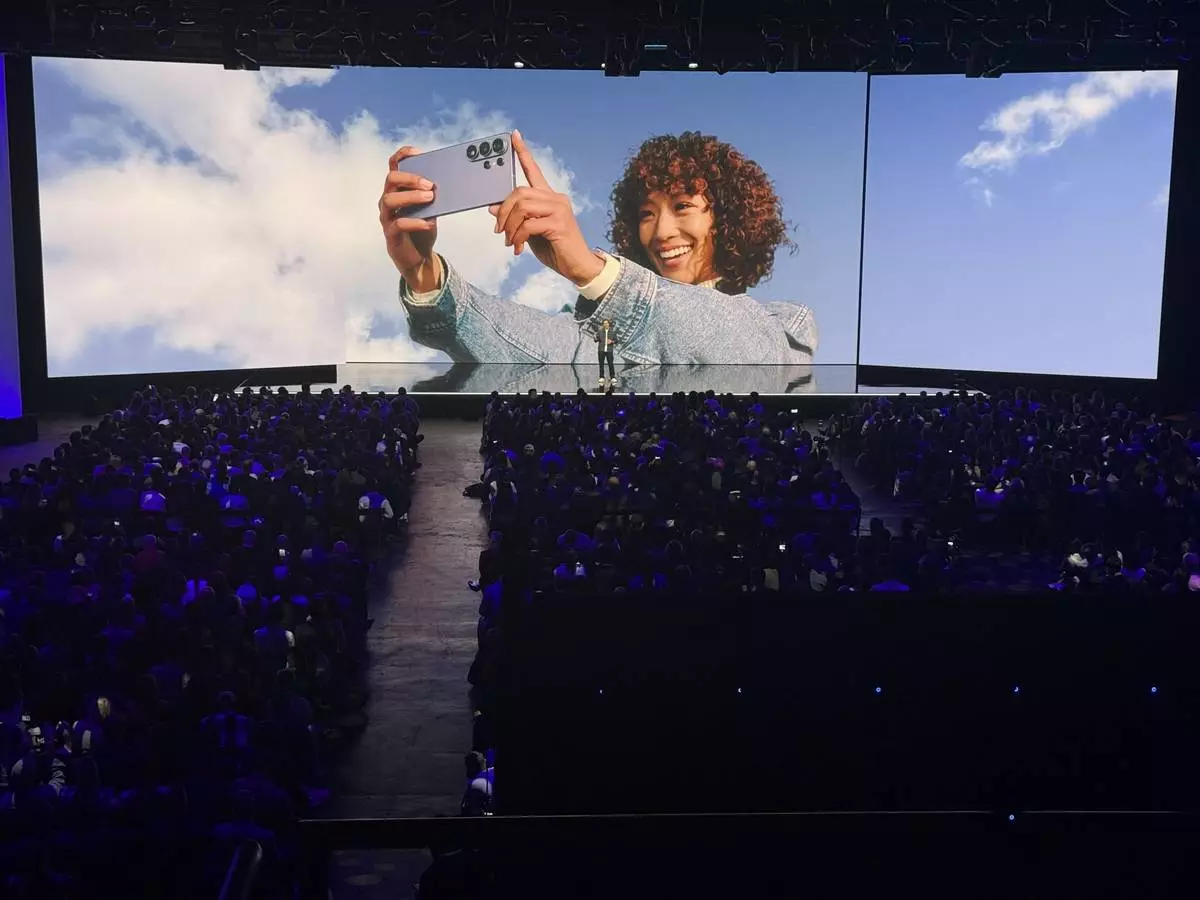
Samsung unveils its latest Galaxy smartphones during a showcase in San Francisco on Wednesday, Feb. 25, 2026. (AP Photo/Haven Daley)
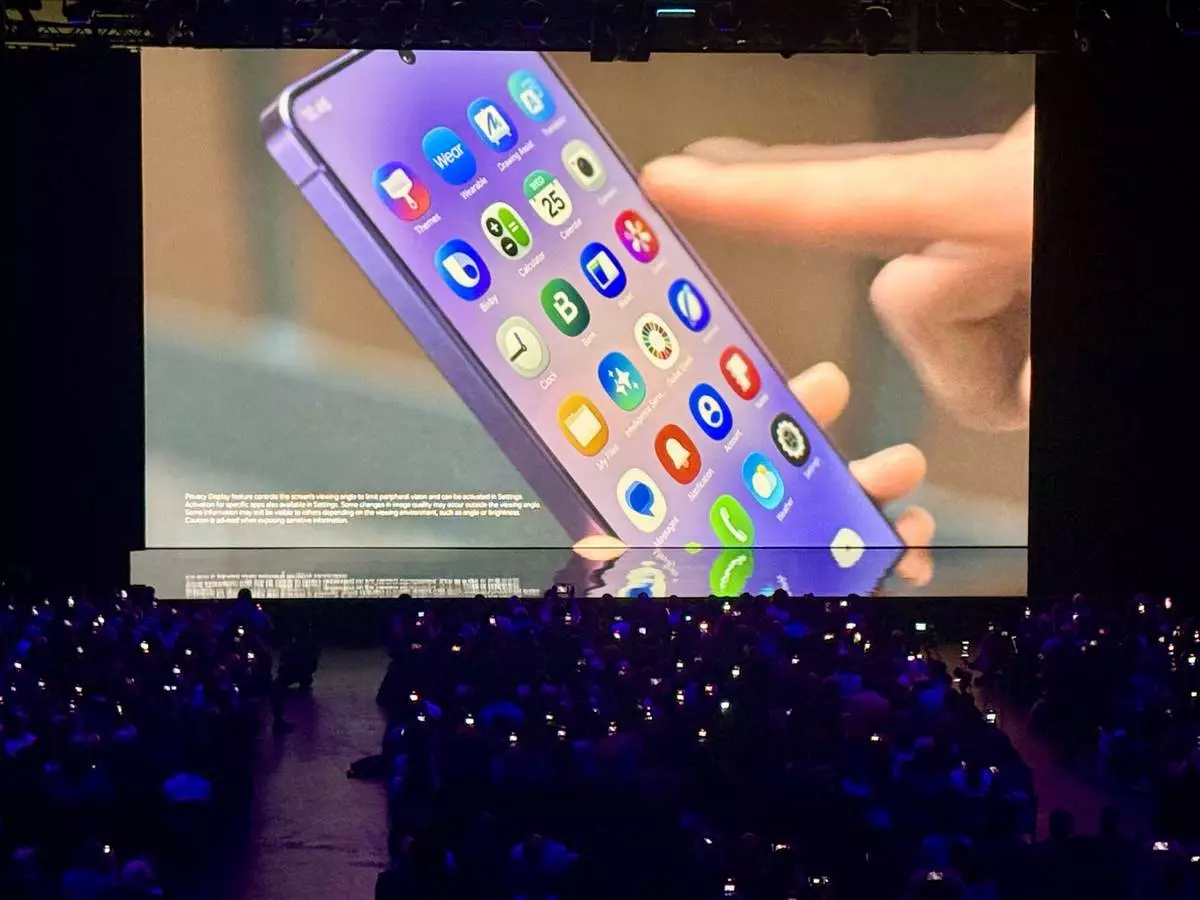
Samsung unveils its latest Galaxy smartphones during a showcase in San Francisco on Wednesday, Feb. 25, 2026. (AP Photo/Haven Daley)
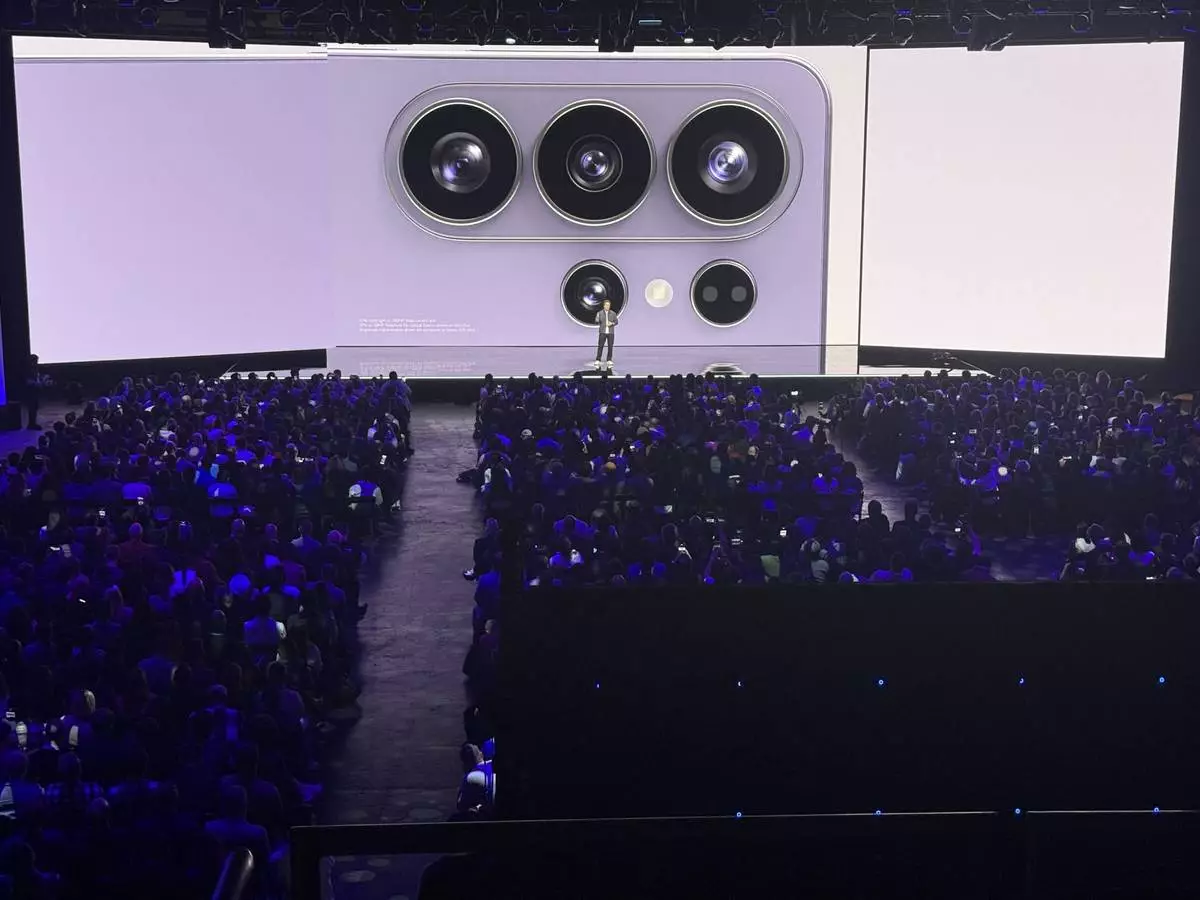
Samsung unveils its latest Galaxy smartphones during a showcase in San Francisco on Wednesday, Feb. 25, 2026. (AP Photo/Haven Daley)
DUBAI, United Arab Emirates (AP) — Iran sent its response to the latest U.S. ceasefire proposal to end the Iran war via Pakistani mediators on Sunday, but U.S. President Donald Trump quickly rejected it in a social media post as “TOTALLY UNACCEPTABLE!” — the latest setback to efforts to resolve the standoff in the Persian Gulf that has throttled shipping and sent energy prices soaring.
Iranian state media reported that Tehran rejected the U.S. proposal as amounting to surrender, insisting instead on “war reparations by the U.S., full Iranian sovereignty over the Strait of Hormuz, an end to sanctions, and the release of seized Iranian assets.”
Washington’s latest proposal addressed a deal to end the war, reopen the strait and roll back Iran’s nuclear program.
Trump's rejection of the Iranian response included no details. In an earlier post, he accused Tehran of “playing games” with the United States for nearly 50 years, adding: "They will be laughing no longer!"
Trump is giving diplomacy “every chance we possibly can before going back to hostilities,” the U.S. ambassador to the United Nations, Mike Waltz, told ABC earlier.
Iran's new supreme leader, Mojtaba Khamenei, who has not been seen or heard publicly since the war began, “issued new and decisive directives for the continuation of operations and the powerful confrontation with the enemies” while meeting with the head of the joint military command, the state broadcaster reported, with no details.
The fragile ceasefire was tested when a drone ignited a small fire on a ship off Qatar and the United Arab Emirates and Kuwait reported drones entering their airspace. The UAE said it shot down two drones and blamed Iran. No casualties were reported, and no one immediately claimed responsibility.
Qatar's Foreign Ministry called the ship attack a “dangerous and unacceptable escalation that threatens the security and safety of maritime trade routes and vital supplies in the region." The United Kingdom Maritime Trade Operations Center gave no details about the ship's owner or origin.
Kuwait Defense Ministry spokesperson Brig. Gen. Saud Abdulaziz Al Otaibi said forces responded to drones but did not say where they came from.
Iran and armed allied groups such as the Lebanese militant Hezbollah group have used drones to carry out hundreds of strikes since the war began with U.S. and Israeli attacks on Feb. 28.
Trump has reiterated threats to resume full-scale bombing if Iran does not accept an agreement to reopen the strait and roll back its nuclear program. Iran has largely blocked the strategic waterway that's key to the global flow of oil, natural gas and fertilizer since the war began, rattling world markets.
The U.S. military in turn has blockaded Iranian ports since April 13, saying it has turned back 61 commercial vessels and disabled four. On Friday, it struck two Iranian oil tankers it said were trying to breach the blockade. Iran’s Revolutionary Guard navy says any attack on Iranian oil tankers or commercial vessels would be met with a “heavy assault” on U.S. bases in the region and enemy ships.
Another sticking point in negotiations is Iran’s highly enriched uranium. The U.N. nuclear agency says Iran has more than 440 kilograms (970 pounds) enriched up to 60% purity, a short, technical step from weapons grade.
In an interview posted late Saturday, an Iranian military spokesperson said forces were on “full readiness” to protect sites where uranium is stored.
“We considered it possible that they might intend to steal it through infiltration operations or heli-borne operations,” Brig. Gen. Akrami Nia told the IRNA news agency.
Israeli Prime Minister Benjamin Netanyahu in an excerpt of an interview with CBS airing Sunday said the war isn't over because the enriched uranium needs to be taken out of Iran. “Trump has said to me, ‘I want to go in there,’ and I think it can be done physically,” he said.
Russian President Vladimir Putin said Saturday that Moscow’s proposal to take enriched uranium from Iran to help negotiate a settlement remains on the table.
The majority of Iran’s highly enriched uranium is likely at its Isfahan nuclear complex, the International Atomic Energy Agency director-general told The Associated Press last month. The facility was hit by U.S.-Israeli airstrikes in the 12-day war last year and faced less intense attacks this year.
Iran's deputy foreign minister warned against a planned French-British effort that aims to support maritime security in the Strait of Hormuz after hostilities are over.
“The presence of French and British vessels, or those of any other country, for any possible cooperation with illegal U.S. actions in the Strait of Hormuz that violate international law will be met with a decisive and immediate response from the armed forces,” Kazem Gharibabadi said on social media.
French President Emmanuel Macron responded by saying it won't be a military deployment but an international mission to secure shipping once conditions allow.
Several attacks against ships in the Persian Gulf have occurred over the past week, and a U.S. effort to “guide” ships through the strait was quickly paused.
South Korea announced initial findings from an investigation that said two unidentified objects struck the South Korean-operated vessel HMM NAMU about one minute apart while it was anchored in the strait last week, causing an explosion and fire. Officials have yet to determine who was responsible.
Magdy reported from Cairo. Associated Press writers Munir Ahmed in Islamabad; Melanie Lidman in Tel Aviv, Israel; Tong-hyung Kim in Seoul, South Korea; Julia Frankel in Jerusalem and Josh Boak in Washington contributed to this report.

Women walk in northern Tehran, Iran, Sunday, May 10, 2026. (AP Photo/Vahid Salemi)
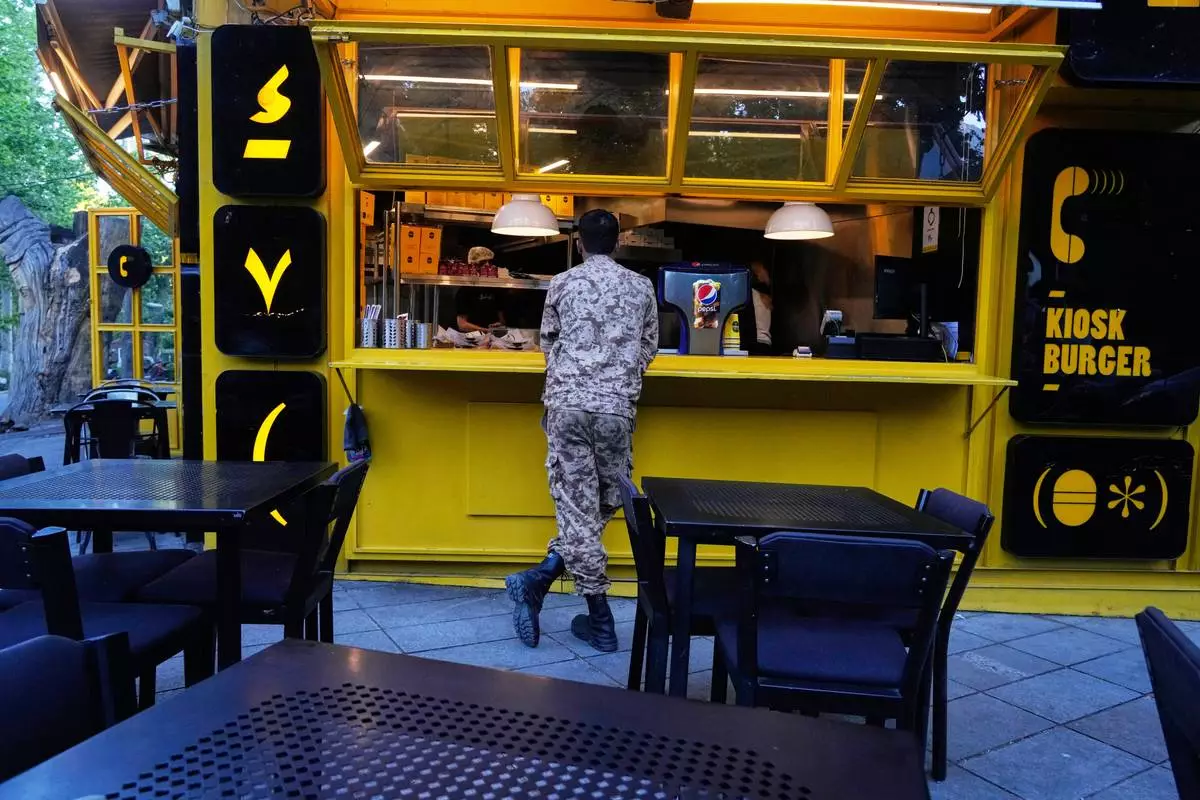
A Revolutionary Guard soldier stands at the counter of a fast food restaurant in northern Tehran, Iran, Sunday, May 10, 2026. (AP Photo/Vahid Salemi)
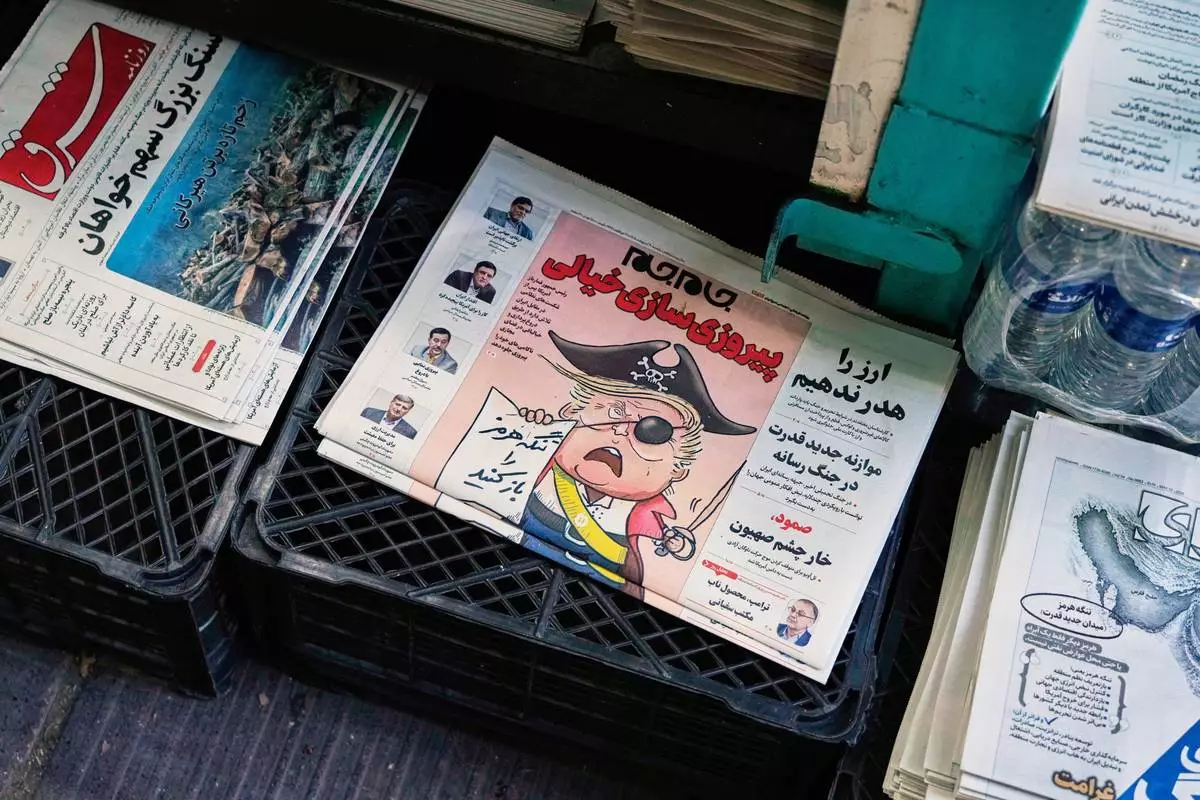
The front page of the Sunday May 10, 2026, edition of Iranian newspaper, Jamejam, is seen with a cartoon satirizing the U.S. President Donald Trump that asks: "Open the the Strait of Hormuz" on a news stand in northern Tehran, Iran, Sunday, May 10, 2026. (AP Photo/Vahid Salemi)
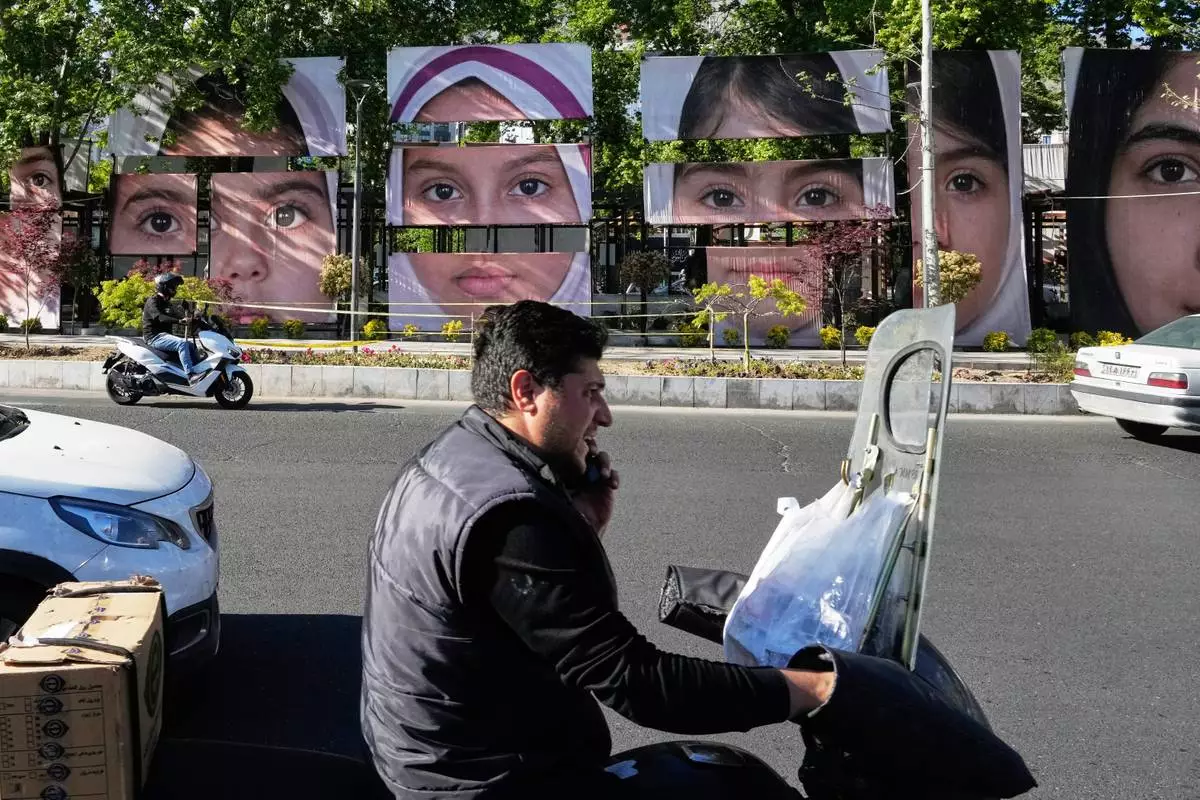
Vehicles drive past banners showing portraits of the school children who were killed during a strike on a school in southern town of Minab on Feb. 28, at Tajrish square in northern Tehran, Iran, Sunday, May 10, 2026. (AP Photo/Vahid Salemi)
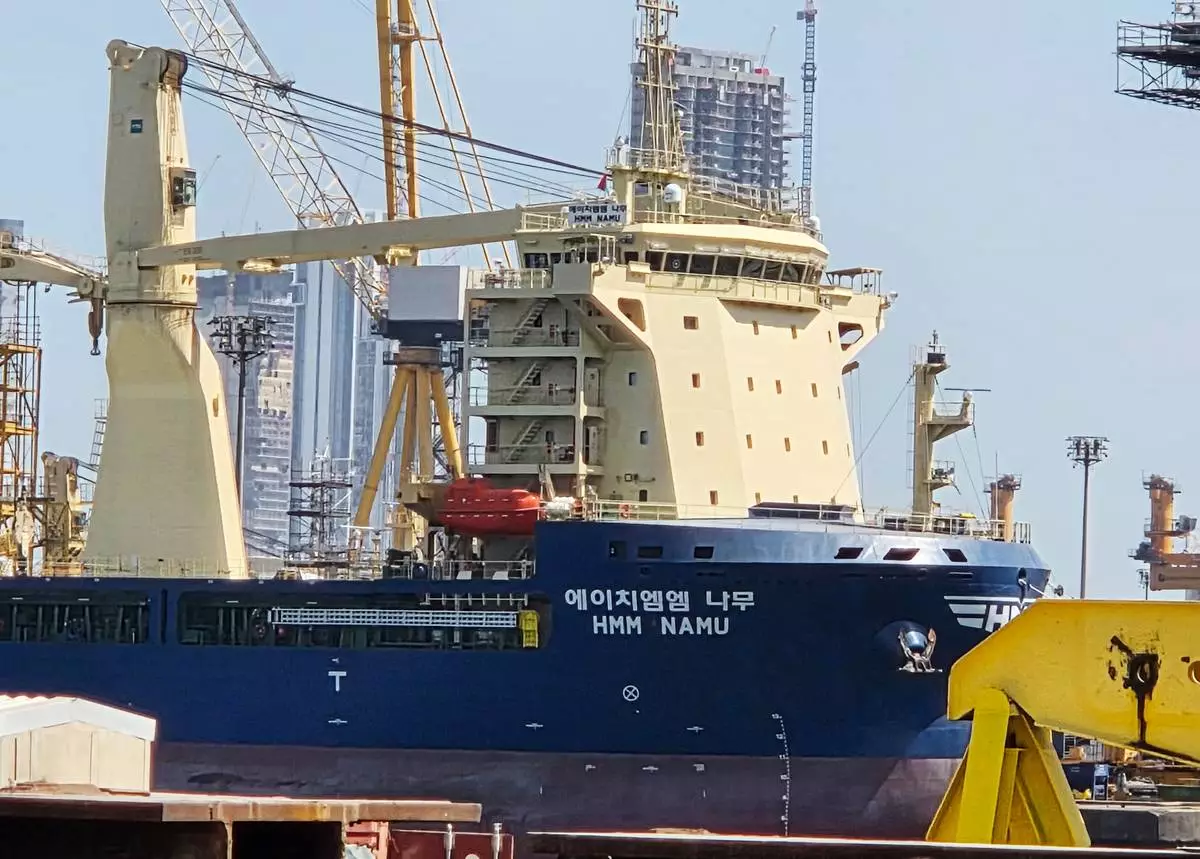
The South Korean-operated vessel HMM NAMU is docked after being damaged from a fire following an explosion in the Strait of Hormuz, at a port in Dubai, United Arab Emirates, Friday, May 8, 2026. (Kim Sang-hun/Yonhap via AP)
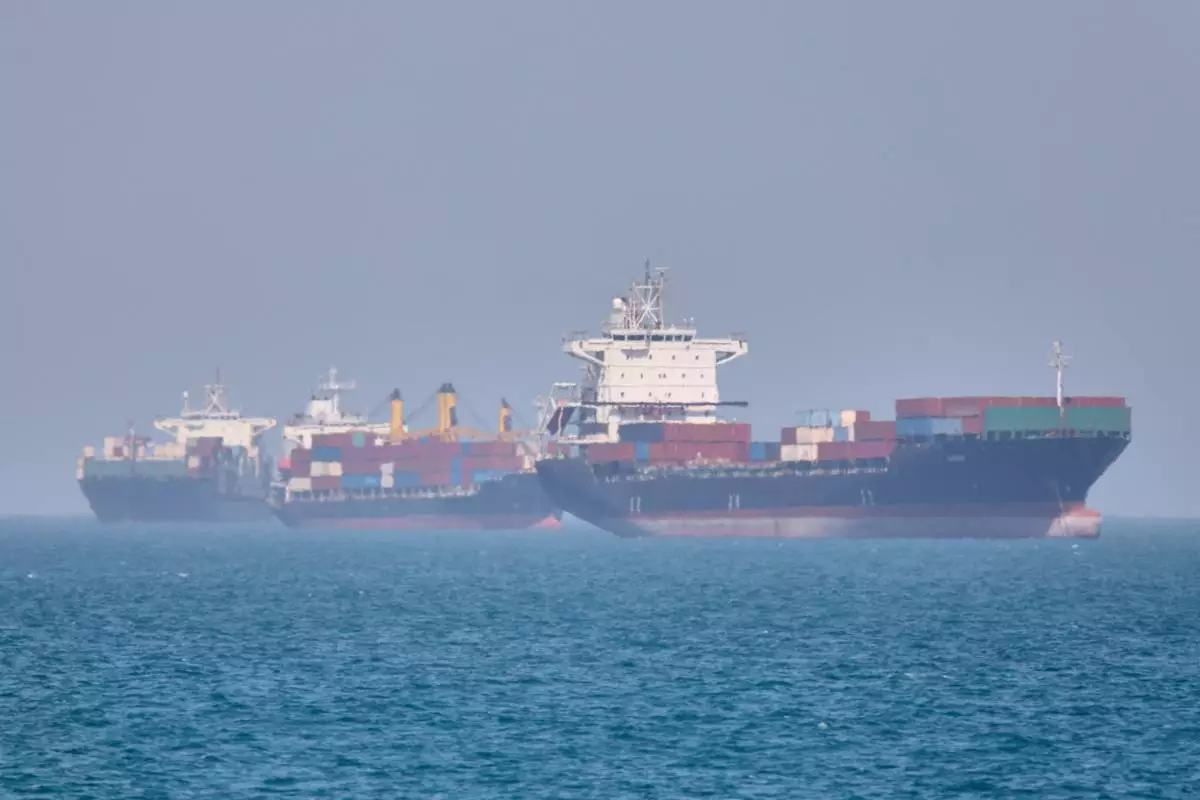
Container ships sit at anchor in the Strait of Hormuz off Bandar Abbas, Iran, Saturday, May 2, 2026.(Amirhosein Khorgooi/ISNA via AP)