Germany and China are seeking ways to go up a gear and strengthen cooperation in the automotive industry, with the two-way partnership bringing German carmakers closer to the Chinese market and supporting Chinese counterparts to enter Europe.
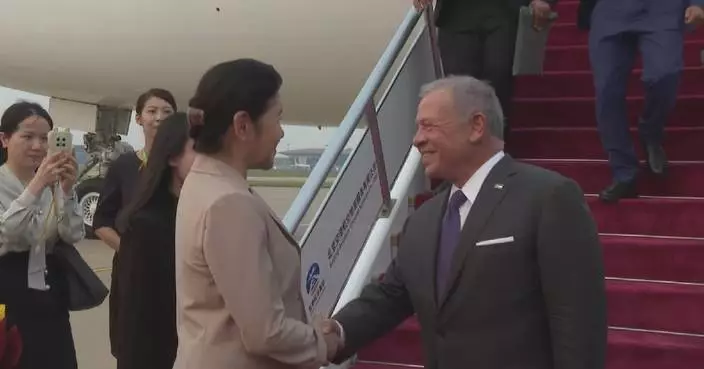
Ties between the two sides are in the spotlight this week as German Chancellor Friedrich Merz arrived in China on Wednesday for a two-day official visit, his first since taking office last May. Merz is accompanied by top executives from 30 German firms, including major automakers such as Volkswagen and BMW.
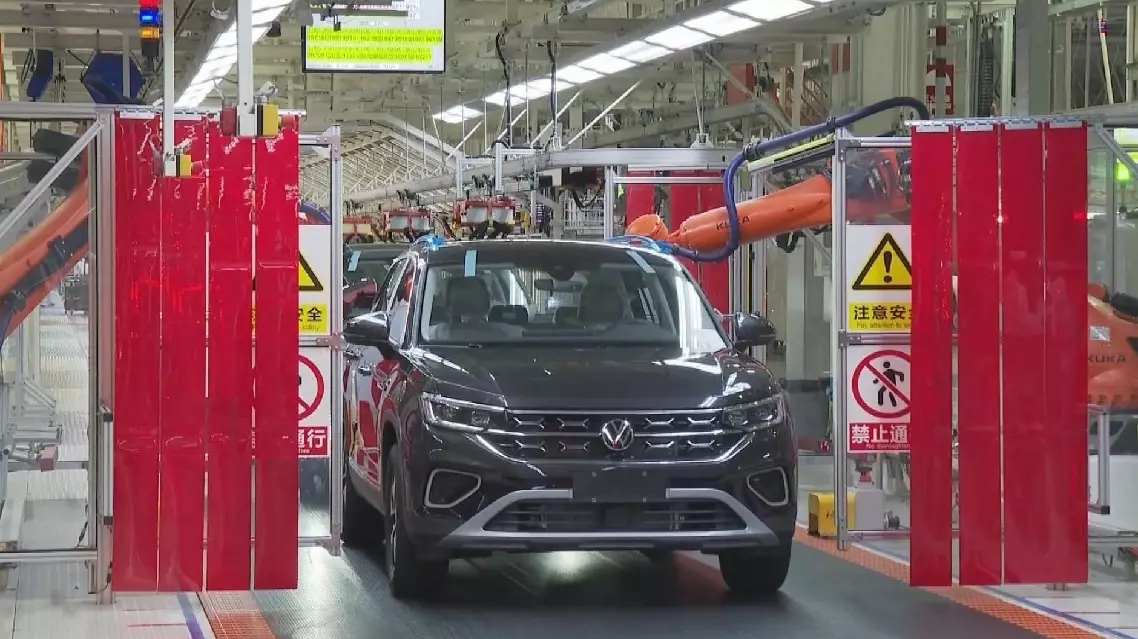
Under Volkswagen's "In China, For China" strategy, which aims to design and build vehicles for the Chinese market right in the country, the German auto giant has partnered with local firms like Xpeng to co-develop advanced vehicle electronics and smart systems.
Similarly, Germany's Audi is expanding its research and development partnership with China's SAIC by developing a China-specific subbrand as well as related tech platforms.
While German automobile manufacturers are increasing operations in China, Chinese brands have also been looking to tap into the European market too, with companies like Li Auto and Xiaomi opening new research centers in Germany.
Beatrix Keim, director of business development at CAR Center Automotive Research, a German institute focused on the future of the auto sector, has been dedicated to helping Chinese carmakers -- which she notes have been leading the way in battery technology -- venture into the European market.
"China's automotive industry has been on a higher scale and [started] a bit earlier in battery electric development, so to take this technology advantage and bring it into the European manufacturers, and [here] of course it is helping as well the Chinese brands to come into the European market, because if the people know there is cooperation going on, they'll have less caveat towards the Chinese brands," she said.
Similarly, Alexander Klose, CEO of Euro EV, said his company has been working with Chinese brands to help them develop more efficient and diverse electric vehicles (EVs) for the European market.
"We want to help the brands in China to understand what are the specific needs of Europe, develop those into a proper product and then have the Chinese brands engineer those on the basis of what they already have, and then [have those] brought back to Europe again," he said.
Germany, China explore deeper cooperation in ever-evolving auto sector