MIAMI (AP) — Word from the Cuban government of a deadly encounter between its troops and a boat carrying armed expatriates is casting a spotlight on Cubans living in the U.S. who still harbor aspirations of a counter-revolution 67 years after a guerrilla uprising ushered in communism.
Cuban soldiers confronted a speedboat carrying 10 people as the vessel approached the island and opened fire on the troops, who fired back, killing four and wounding six, Cuba’s government says. Cuba's deputy foreign minister on Thursday said communication about the firefight is underway with U.S. officials, who say at least one American was killed and another wounded.
One of the four killed was Michel Ortega Casanova – a man on an “obsessive and diabolical” quest for Cuba’s freedom from current circumstances, his brother in Florida said.
Misael Ortega Casanova said his brother Michel is an American citizen who has lived in the U.S. for more than 20 years and still agonizes over the suffering that Cubans endure.
“They became so obsessed that they didn’t think about the consequences nor their own lives,” Misael told The Associated Press of the passions harbored by his brother.
At the same time, Misael said that he did not recognize any of the names that the Cuban government released in connection with the boat incursion and that the shootings had caught his family by surprise.
“No one knew,” Misael said of his brother’s plans. “My mother is devastated.”
He said that while he doesn’t believe in heroes — “because that is ignorance” — he hopes that his brother’s death might be a worthwhile sacrifice.
"Maybe it will justify that some day Cuba will be free.”
Cuban authorities, meanwhile, say Ortega Casanova was accompanied on the boat by two men who are wanted “based on their involvement in the promotion, planning, organization, financing, support or commission” of terrorism, speaking of Amijail Sánchez González and Leordan Enrique Cruz Gómez. They released a list of alleged suspects accused of planning to invade Cuba.
U.S. Secretary of State Marco Rubio was wary of initial reports by Cuba and asserted that the U.S. would gather its own information about the people involved. His words also evoked a seemingly dormant history of subterfuge and armed provocations between the U.S. and Cuba.
“It is highly unusual to see shootouts in open sea like that,” said Rubio, the son of Cuban immigrants. “It’s something that hasn’t happened with Cuba in a very long time.”
Conrado Galindo Sariol, another passenger, was identified as a former political prisoner in a 2025 interview with Martí Noticias, a U.S.-based news site that has long called for a change of government in Cuba.
The Cuban government said the watercraft was a Florida-registered speedboat, and officials who searched it found assault rifles, handguns, homemade explosives, bulletproof vests, telescopic sights and camouflage uniforms.
Adding to intrigue, the boat was reported stolen from an island in the Florida Keys archipelago 140 miles (225 kilometers) southwest of Miami, according to a report from the Monroe County Sheriffs’ Office.
The shooting took place amid heightened tensions between the two countries as President Donald Trump's administration tightens the U.S. embargo and threatens tariffs against countries providing Cuba with oil.
Crucial oil shipments to Cuba from Venezuela were halted when the U.S. arrested Venezuelan leader Nicolás Maduro in a Jan. 3 stealth nighttime raid by U.S. military forces.
Guns and boats of mysterious provenance are hallmarks of both the guerrilla landing that spawned Cuba’s 1959 revolution, the failed 1961 Bay of Pigs invasion by CIA-trained exiles in an attempt to topple its leader, Fidel Castro, and assorted skirmishes since then.
Any new incursion into Cuban waters is likely to have been prompted by U.S. pressure, which has decimated the economy and spurred wishful thinking of regime change in policy circles, said William LeoGrande, a professor at American University who has studied Cuba for decades.
An academic conference taking place this week at Florida International University in Miami, titled “Cuba: The Day After Tomorrow,” is focused on the “possibilities of a national refoundation following a political transition,” according to a news release about the event.
“The atmosphere now is that the Cuban government is on the verge of collapse,” he said. “I don’t think that’s true, but that’s what the president of the United States is saying, that’s what Secretary of State Marco Rubio is saying.”
Emilio Izquierdo, a prominent exile in Miami who spent two years jailed in Cuba before arriving in the U.S. in 1980, cast doubt on Cuba’s initial reports of an armed incursion.
He said that it was far more believable that foreign agents might have infiltrated Miami’s massive Cuban exile community and tricked government opponents into risking their lives on a suicide mission to overthrow the communist government in Havana.
“Nobody with a 25-foot speedboat tries to overthrow a government,” he said.
The timing of the incident — with tensions between the U.S. and Cuba running at their highest in decades — was similarly suspicious, he said.
Ramón Saul Sanchez, an exiled Cuban activist and leader of the nonprofit group Movimiento Democracia, suspects that the Cuban government knew in advance that the speedboat was planning to approach.
Coto reported from San José, Costa Rica. AP writers John Seewer in Toledo, Ohio, and Gisela Salomon in Miami contributed.
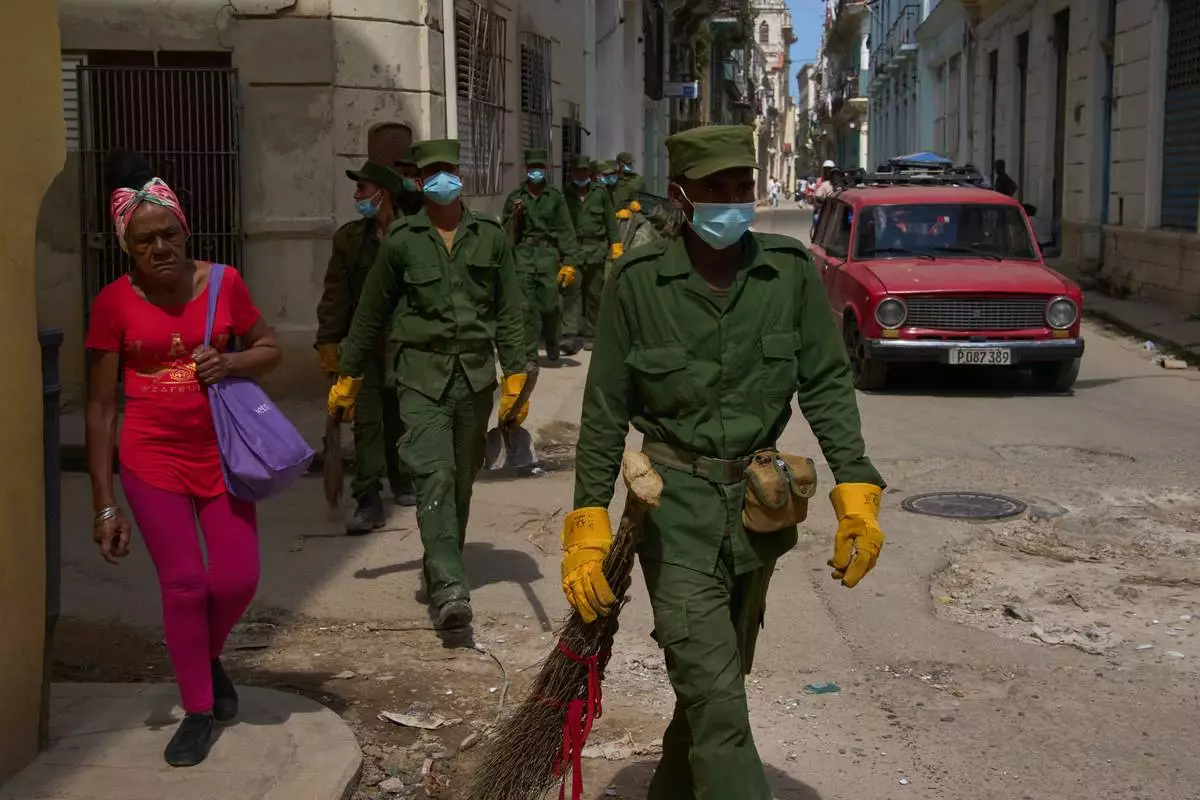
Soldiers walk through Old Havana to collect garbage in Havana, Cuba, Thursday, Feb. 26, 2026. (AP Photo/Ramon Espinosa)
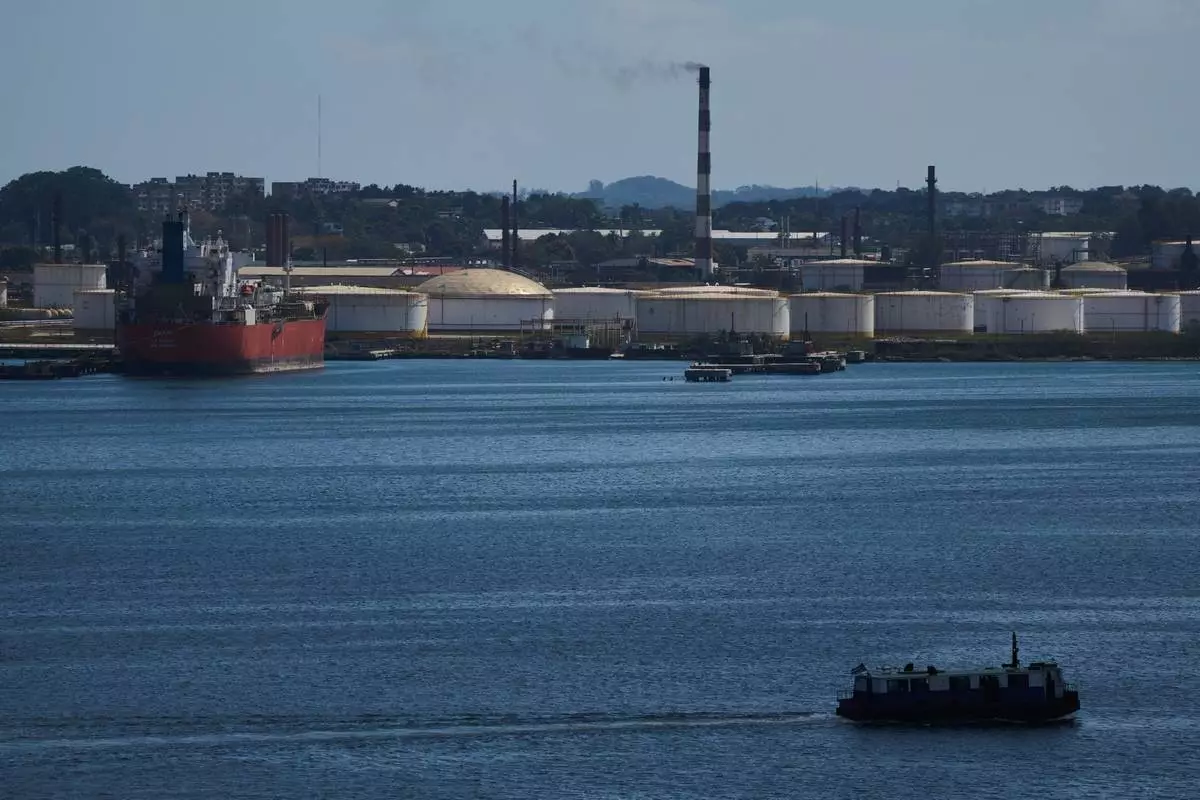
A ferry crosses Havana Bay past the Nico Lopez oil refinery where a Cuban tanker is anchored in Havana, Cuba, Thursday, Feb. 26, 2026. (AP Photo/Ramon Espinosa)
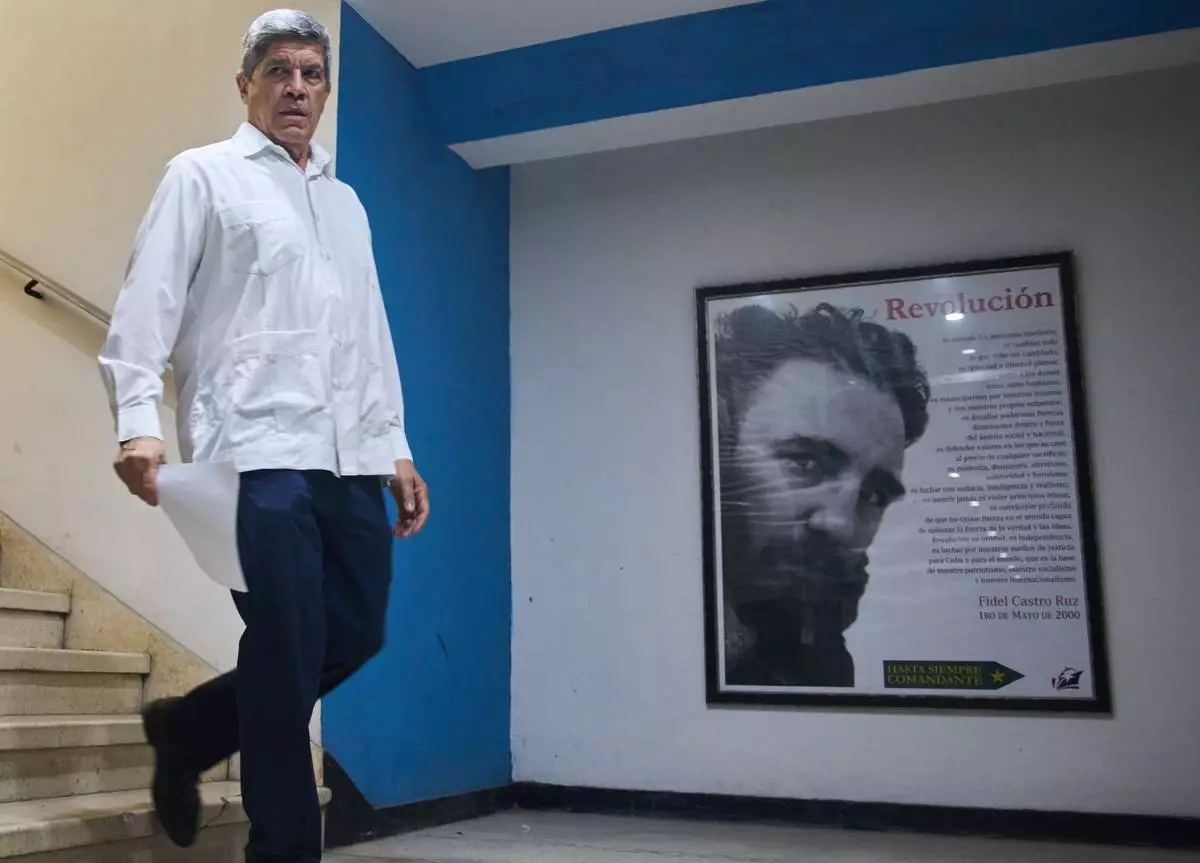
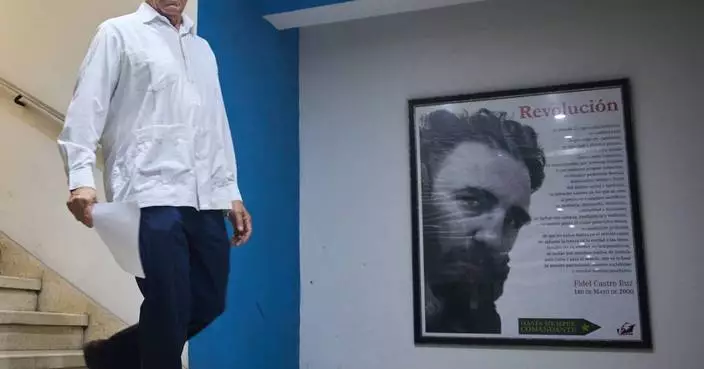
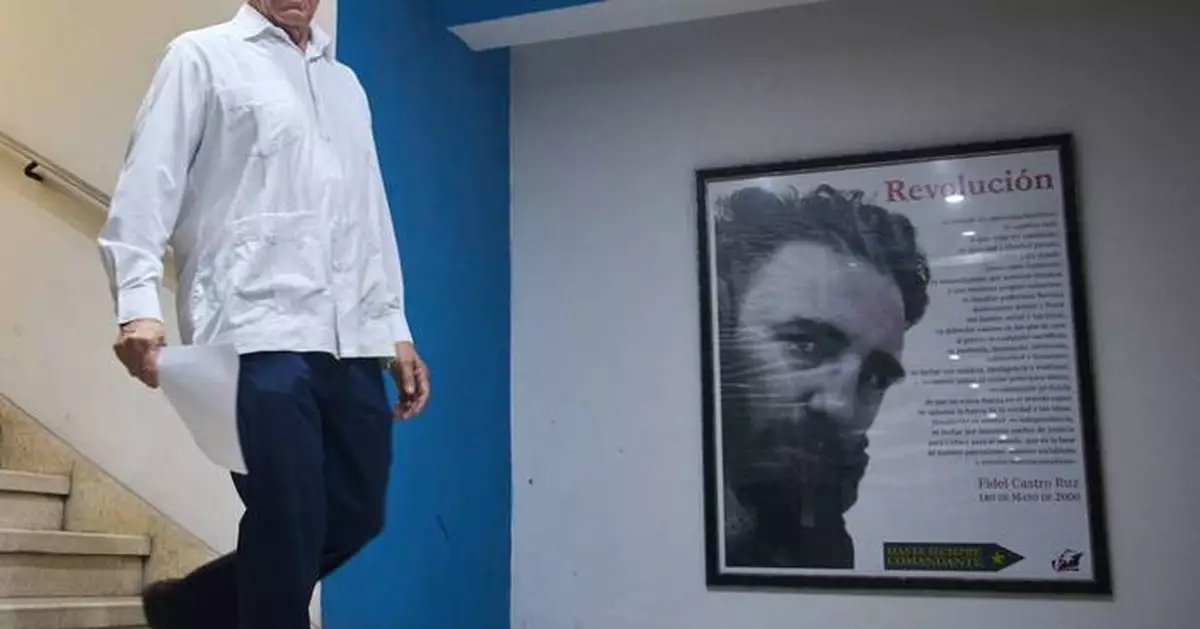
Cuba's Deputy Foreign Minister Carlos Fernandez de Cossio walks to give a declaration about a deadly boating shooting in Cuba waters, in Havana, Thursday, Feb. 26, 2026. (AP Photo/Ramon Espinosa)