U.S. President Donald Trump's announcement of new provisional tariffs have created fresh uncertainty for global economy, said a Spanish economist.
On Feb. 20, the U.S. Supreme Court ruled that Trump had exceeded his authority in imposing tariffs under the International Emergency Economic Powers Act (IEEPA). Shortly after the decision, Trump announced a 10 percent tariff on all imports for 150 days under the Trade Act of 1974. On Feb. 21, he said the new tariff rate would be 15 percent.
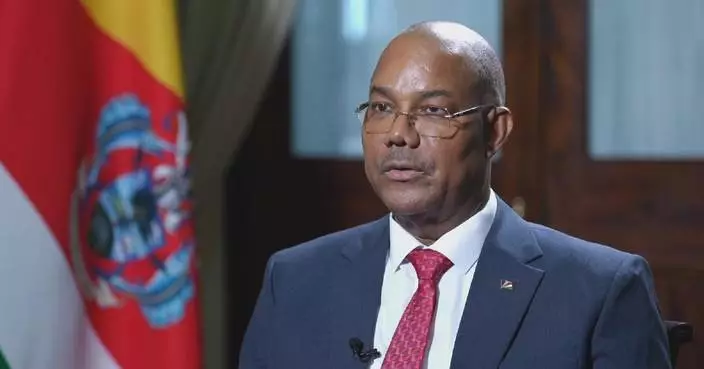
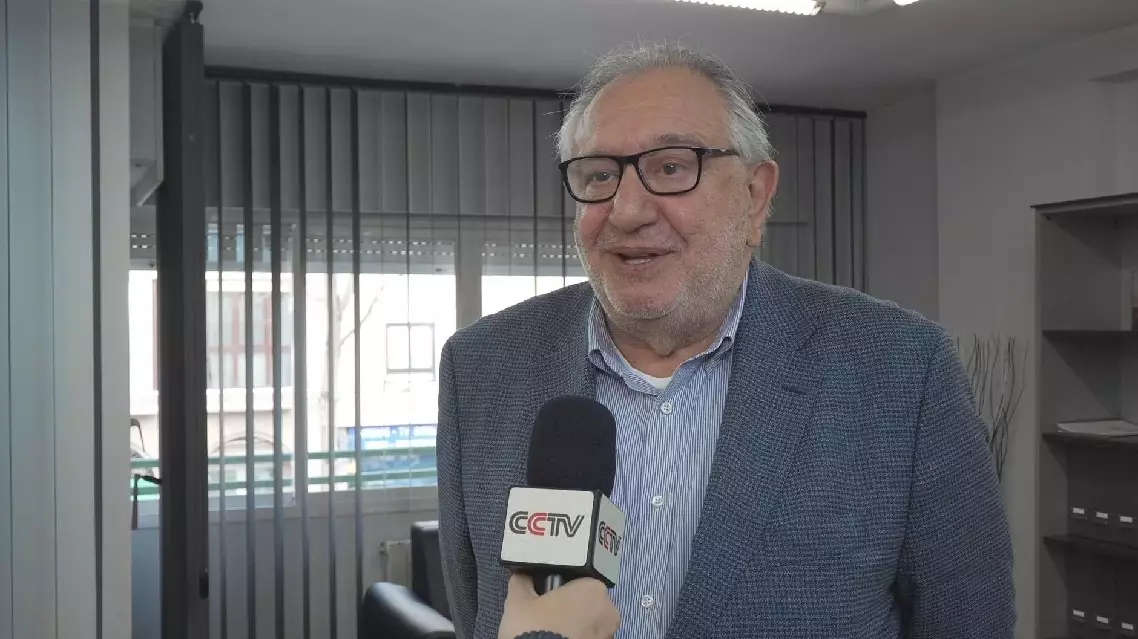
"In a sense, tariff policy is still part of Trump's geostrategy. He intends to use it as a weapon to renegotiate with parties around the world to strive for more favorable conditions for the United States," said Ramon Calduch, the Spanish economist.
Calduch said that Trump's policies have introduced uncertainty to the global economy in the short, medium, and long term, and have disrupted the fundamental trend of economic globalization. He noted that enhancing market diversification is a key strategy for the European Union (EU) to cope with unpredictable tariff policies.
"Trump's tariff policy has apparently had grave consequences, which will pose uncertainty in economic policy in the short, medium, and long term. In response, many countries and regions around the world are seeking agreements with other partners to mitigate the impact of potentially erratic U.S. policy shifts. One of the countermeasure is market diversification, that's to say, encouraging businesses that previously exported to the U.S. to explore alternative markets. Most countries are expected to pursue measures in this direction. As a result, the global economy must not only increase market diversification but also adapt to a new reality defined by a lack of policy continuity and predictability," he said.
US tariff policy brings uncertainty to global economy: Spanish economist