U.S.-Israeli strikes on Iran continued for a second day on Sunday after the killing of Iranian Supreme Leader Ayatollah Ali Khamenei threw the future of the Islamic Republic into uncertainty and raised the risk of regional instability.
There were explosions in Tehran on Sunday as Israel said it was taking its attacks to the “heart” of Iran’s capital.
Iran retaliated by firing missiles and drones at Israel and at U.S. military installations around the Gulf, and also at the Saudi capital and the global business hub of Dubai. Earlier Sunday, Iran’s paramilitary Revolutionary Guard threatened to launch its “most intense offensive operation” ever, targeting Israel and U.S. bases.
Iran also selected a 66-year-old cleric to join the three-member leadership council that will govern the country until a new supreme leader is selected.
Here is the latest:
Turkish Foreign Minister Hakan Fidan held a telephone call with his Iranian counterpart Abbas Araghchi, during which the two exchanged views on the latest developments, a Turkish official said.
Turkey has voiced concern over recent U.S.-Israeli attacks on Iran as well as Iranian strikes targeting Gulf countries. Ankara has also called for a ceasefire and a return to negotiations to de-escalate tensions.
Israel’s state plane has been moved to Berlin’s BER airport, according to a reporter at the German press agency, dpa, who said they saw the craft at the tarmac.
According to dpa, which quoted Flightradar data, the plane left Israel Saturday afternoon, circled over the Mediterranean for hours, and then landed in Berlin in the evening.
Israel’s state aircraft, “Wing of Zion,” is a Boeing 767 equipped for official government trips, serving both the president and the prime minister.
There have been no immediate comments from the Berlin airport or the Israeli embassy in Berlin.
Saudi Arabia has condemned in “the strongest terms” Iran’s attacks on the capital, Riyadh and the eastern region, which it said were “successfully intercepted.”
The Saudi foreign ministry said Sunday in a statement the attacks came “despite the Iranian authorities’ knowledge that the Kingdom had affirmed it would not allow its airspace or territory to be used to target Iran.”
U.S. embassies and consulates across the Middle East instructed employees to shelter in place for a second day on Sunday as joint U.S.-Israel military strikes on Iran continue and Iran launches missile and drone strikes in retaliation.
Embassies in Bahrain, Israel, Iraq, Jordan, Oman, Pakistan all advised private American citizens living or traveling in those countries to take similar precautions.
The State Department on Saturday issued a “worldwide caution,” warning Americans abroad everywhere, but particularly in the Middle East, to boost their personal security profiles.
“Following the launch of U.S. combat operations in Iran, Americans worldwide and especially in the Middle East should follow the guidance in the latest security alerts issued by the nearest U.S. embassy or consulate,” it said.
Israeli Defense Minister Israel Katz said his country will have “a non-stop air train” of strikes against military and leadership targets in Iran.
Israel launched massive strikes that rocked Iran’s capital of Tehran on Sunday morning. Iran simultaneously launched multiple projectiles towards Israel.
An Israeli military spokesperson said Sunday that he is not aware of any Israeli or American strikes in the area of a school in southern Iran where more than 100 people died.
State-run IRNA news agency said a strike hit an all-girls school in the town of Minab on Saturday.
On Saturday, U.S. Central Command spokesperson Capt. Tim Hawkins said he was “aware of reports” and that the U.S. is investigating.
Pope Leo XIV said Sunday he was “profoundly concerned” about the U.S. and Israeli strikes on Iran and urged both sides to “stop the spiral of violence before it becomes an irreparable abyss.”
In the Holy See’s first reaction to the attacks, the American pope called for the resumption of diplomacy and a “reasonable, authentic and responsible” dialogue based on justice.
Weapons only sow “destruction, pain and death," he said from his studio window overlooking St. Peter’s Square at his traditional noontime blessing.
China’s Foreign Minister Wang Yi sharply criticized the killing of Khamenei in a phone call with his Russian counterpart Sergei Lavrov.
“The blatant killing of the leader of a sovereign state and the incitement of regime change are unacceptable,” he was quoted as saying by China’s official Xinhua News Agency. “These actions violate international law and the basic norms governing international relations.”
He said attacking a sovereign state without U.N. Security Council authorization undermines the foundation for peace established after World War II.
“The international community should speak in a clear and unequivocal voice, opposing the world regressing to the law of the jungle,” he said.
Serbia says the country’s embassy building in Tehran was damaged in military strikes on Iran, but that no one was injured. The state RTS broadcaster posted a video of the building showing some windows shattered and glass on the ground. The report said that the apparent target was a military base that is located in the area.
Serbia’s President Aleksandar Vucic said embassy staff were pulling out and moving to Azerbaijan’s capital, Baku. Serbia traditionally has good relations with Iran stemming from the era of the Communist-run former Yugoslavia, which broke up in the 1990s.
Iran has selected a 66-year-old cleric to join the three-member leadership council that will govern the country until a new supreme leader is selected.
Ayatollah Ali Reza Arafi has been a member of both the constitutional watchdog Guardian Council and the Assembly of Experts that will choose the next leader. He was hand-picked by late Supreme Leader Ayatollah Ali Khamenei as a member of the Guardian Council in 2019.
Arafi joins President Masoud Pezeshkian and the head of judiciary cleric Gholam Hossein Mohseni Ejehei on the council.
British Defense Minister John Healey said Iranian missile and drone strikes came within a few hundred yards (meters) of a group of 300 British military personnel in Bahrain and that two missiles were fired in the direction of Cyprus, where the U.K. has bases.
“We don’t believe they were targeted at Cyprus, but nevertheless, it’s an example of how there is a very real and rising threat from a regime that is lashing out widely across the region, and that requires us to act,” Healey told Sky News.
He said British planes will intercept any Iranian drones and missiles they see.
Cyprus government spokesman Constantinos Letymbiotis posted on X that reports suggesting missiles had been fired toward Cyprus are not valid and that “there is no indication whatsoever that any threat to the country has occurred.”
Russian President Vladimir Putin said the killing of Iranian Supreme Leader Ali Khamenei was “a cynical violation of all norms of human morality and international law.”
Putin on Sunday sent condolences to his Iranian counterpart, saying Khamenei will be remembered “as an outstanding statesman” who helped elevate Russian-Iranian relations.
In Lebanon, the leader of the Iranian-backed Hezbollah militant group, Naim Kassem, mourned Khamenei’s death in a U.S.-Israeli strike, and said: “We will fulfill our duty in confronting aggression.” He vowed that Hezbollah will not abandon its resistance of confronting American and Israeli “tyranny.”
The Omani port of Duqm, which Iran struck Sunday, has been used by the U.S. Navy as a logistical hub and is capable of hosting aircraft carriers.
The U.S. and Oman signed a strategic framework agreement in 2019 that expanded the Navy’s access to Omani ports by allowing ships to dock in Duqm and Salalah.
Both ports lie on Oman’s Arabian Sea coast, allowing ships to dock without having to transit the narrow Strait of Hormuz to access other major ports in the Persian Gulf. Oman and Iran front the Strait of Hormuz.
The Navy has used access to Duqm for ship maintenance and replenishment, which typically involves activities such as refueling and loading of supplies. The United Kingdom also has a logistics base at the port.
The sultanate of Oman has long tried to keep a lower profile in the region. It has frequently acted as a bridge between the U.S. and Iran, most recently mediating talks between the two countries in Geneva.
Israel’s military claimed Sunday that its strikes had killed 40 top Iranian military officials, including the chief of staff for the Iranian armed forces, Abdolrahim Mousavi. Israel did not provide evidence, and neither Iran nor the United States immediately commented on the claim.
The Israeli military also said it had “dismantled the majority of the aerial defense systems in western and central Iran” and was “paving the way towards establishing aerial superiority over the skies of Tehran.”
Egyptian President Abdel-Fattah el-Sissi of Egypt has warned that the Middle East could slide into chaos as the conflict involving the U.S., Israel and Iran entered a second day.
He called for “dialogue and peaceful means” to settle the region’s crises, saying that the escalation has serious consequences that could push the Mideast into chaos. El-Sissi’s comments came in a phone call Sunday with Oman’s leader, Sultan Haitham bin Tariq Al Said, according to the Egyptian leader’s office.
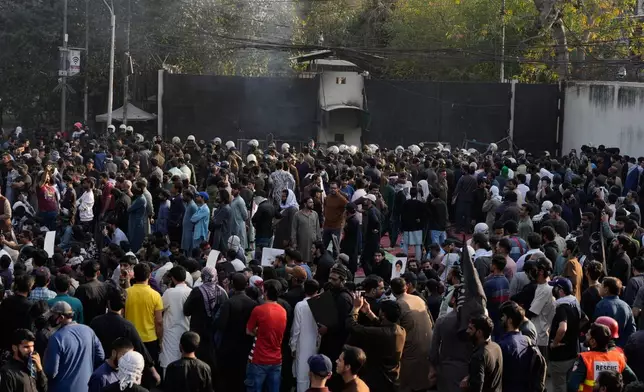
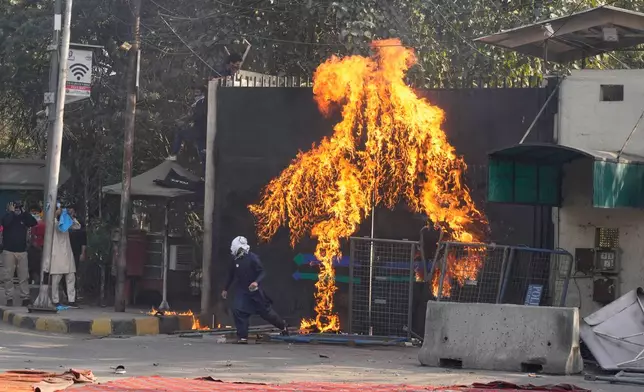
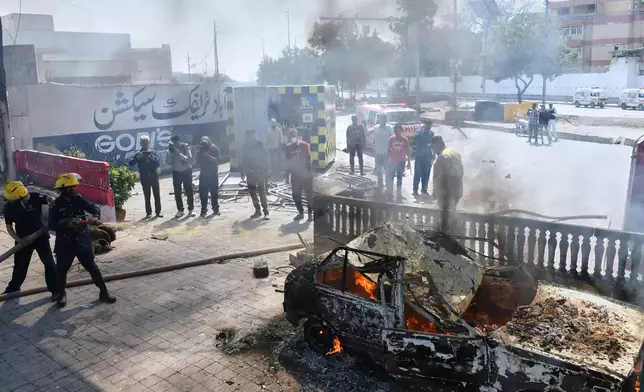
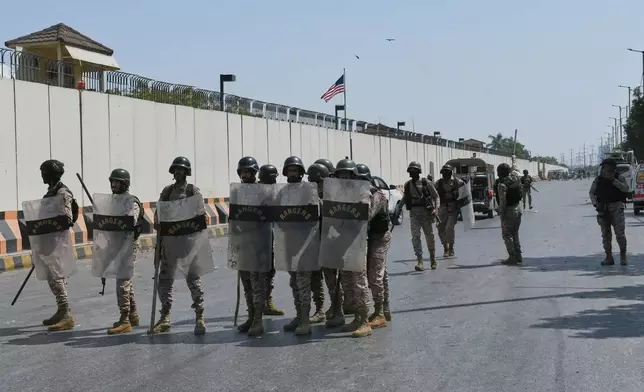
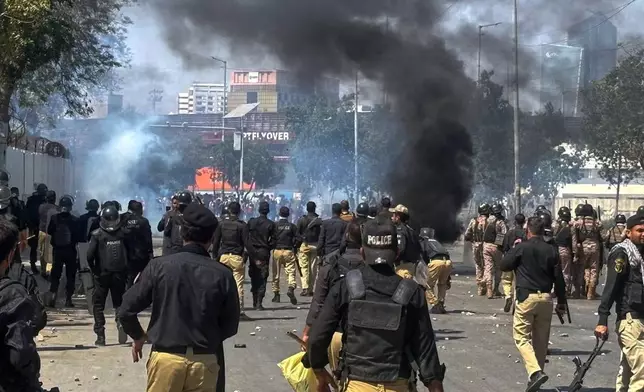
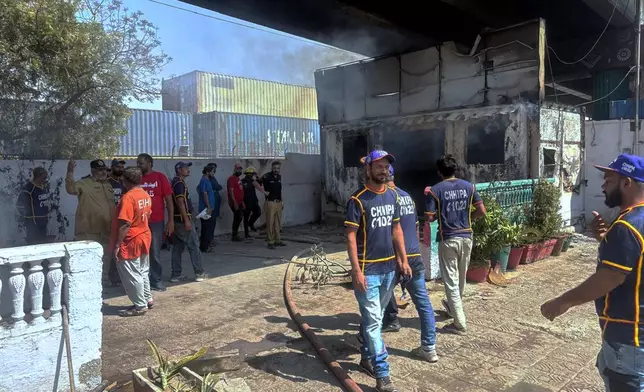
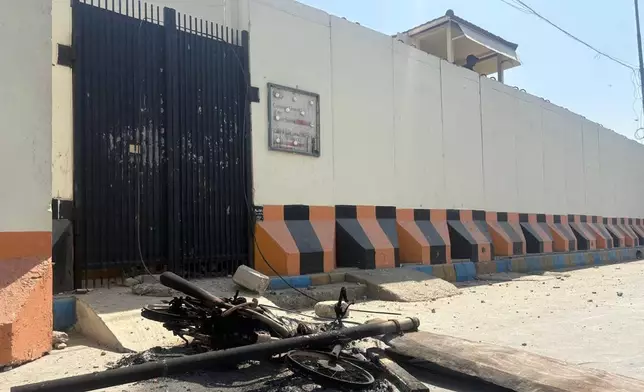
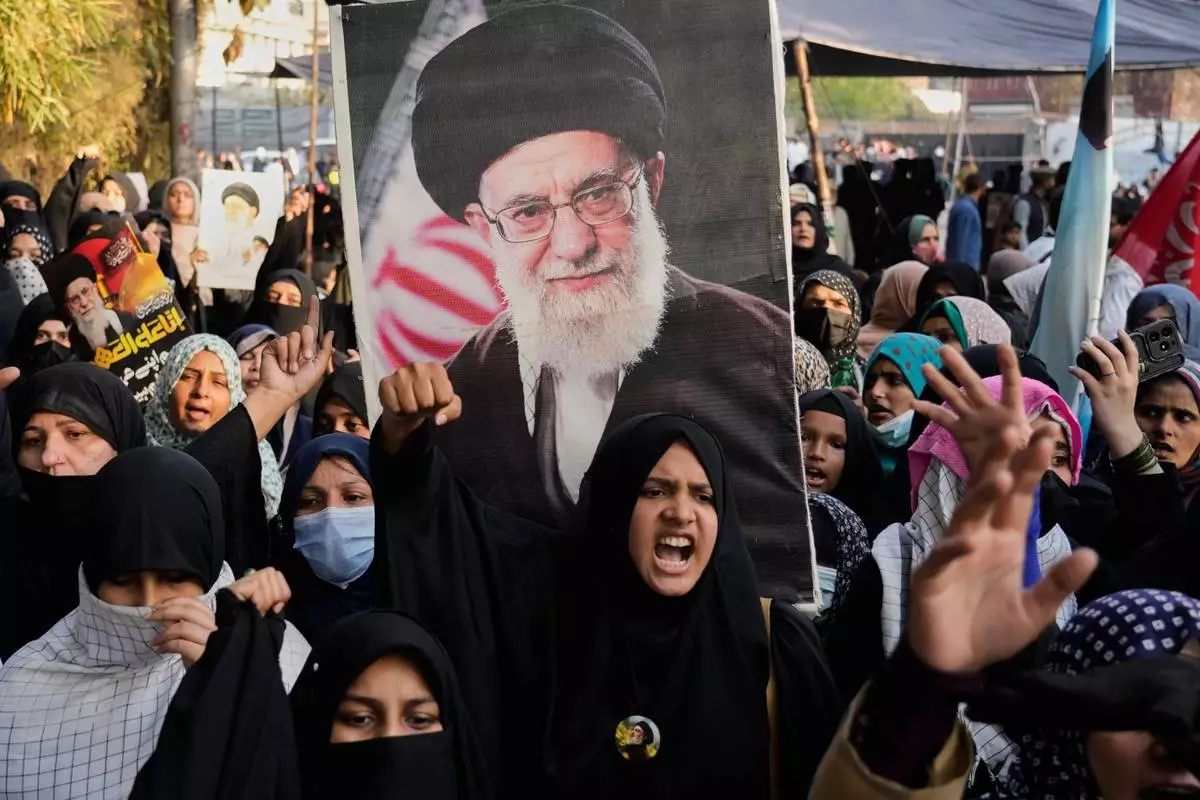
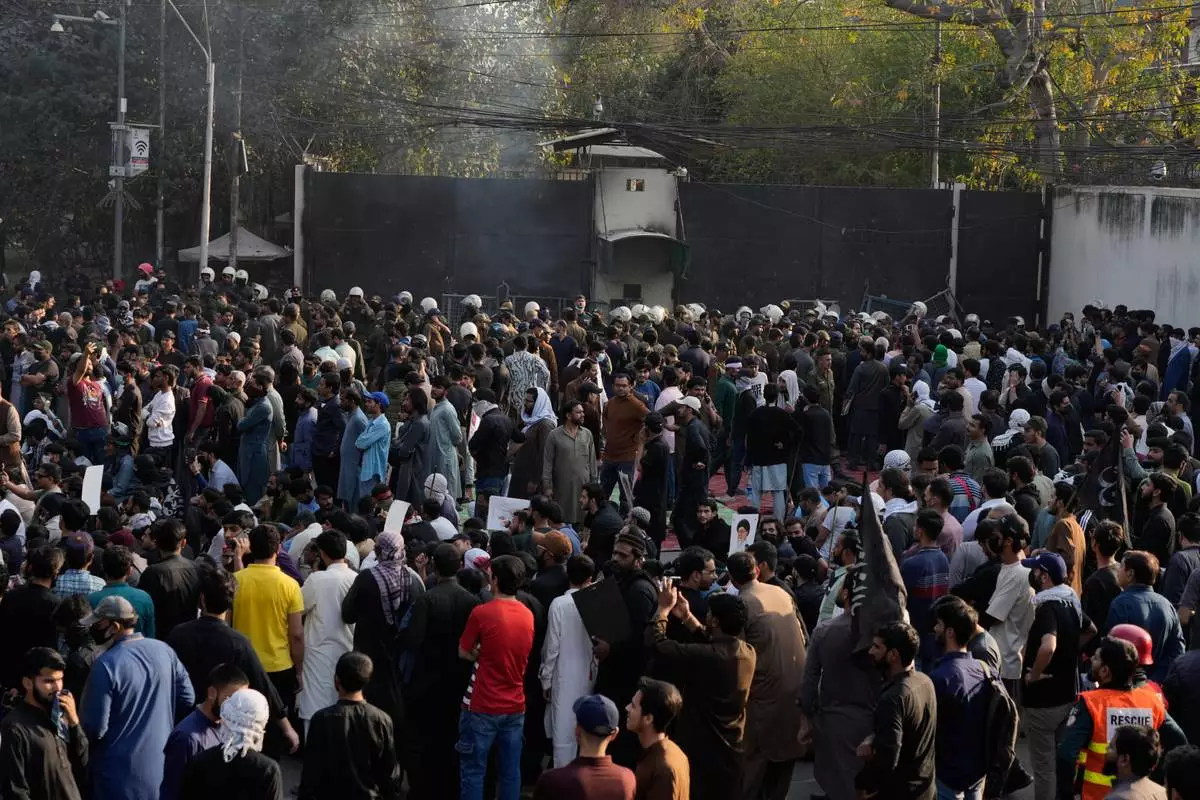
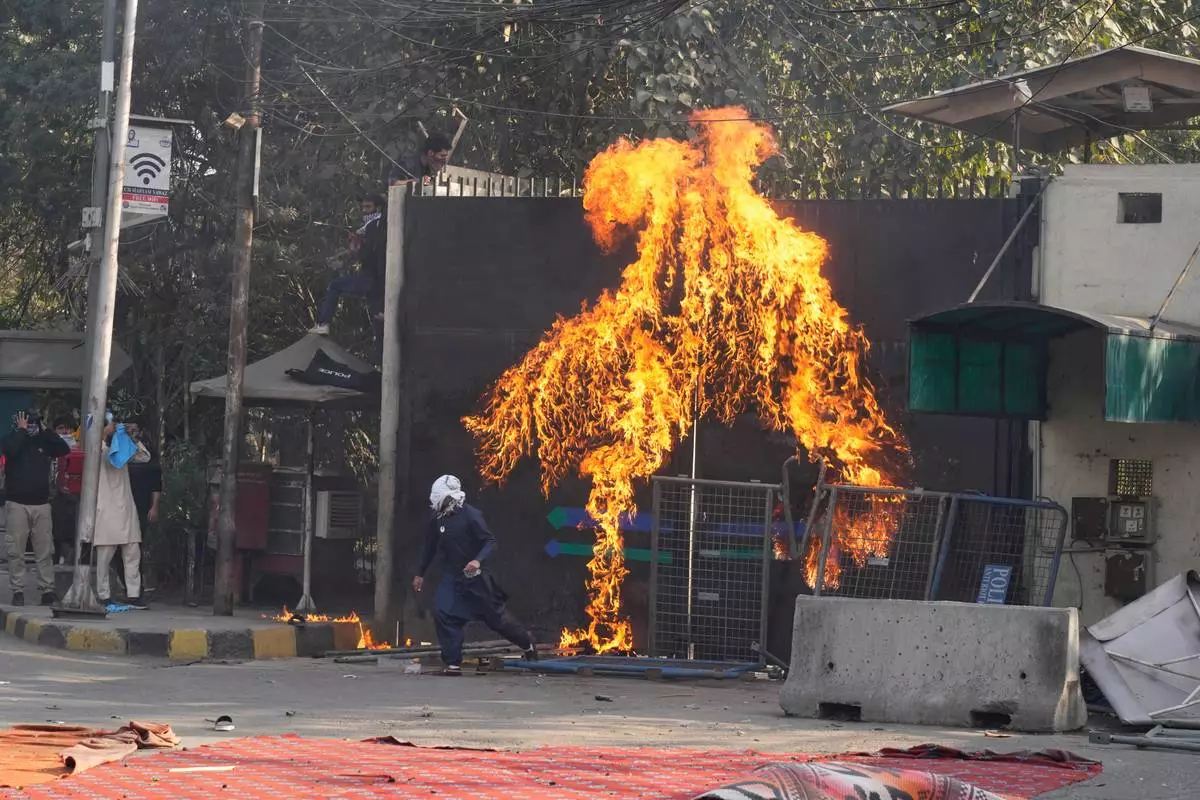
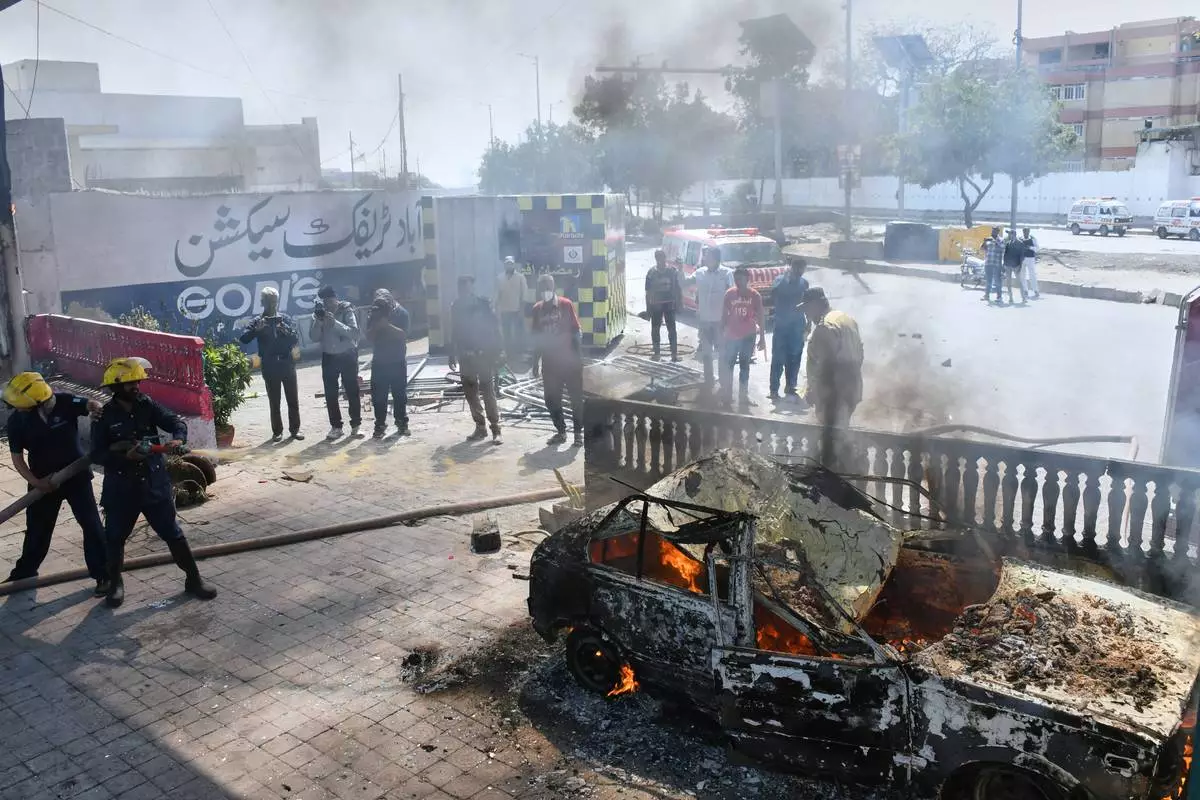
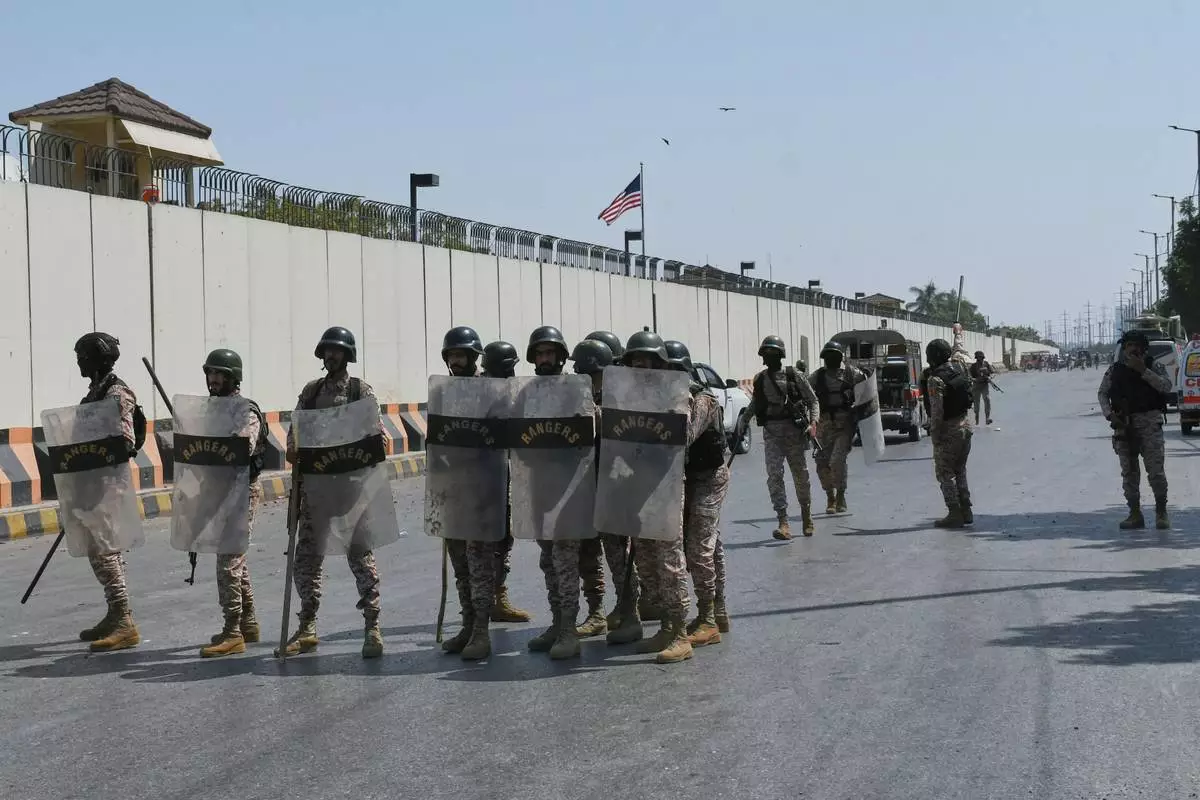
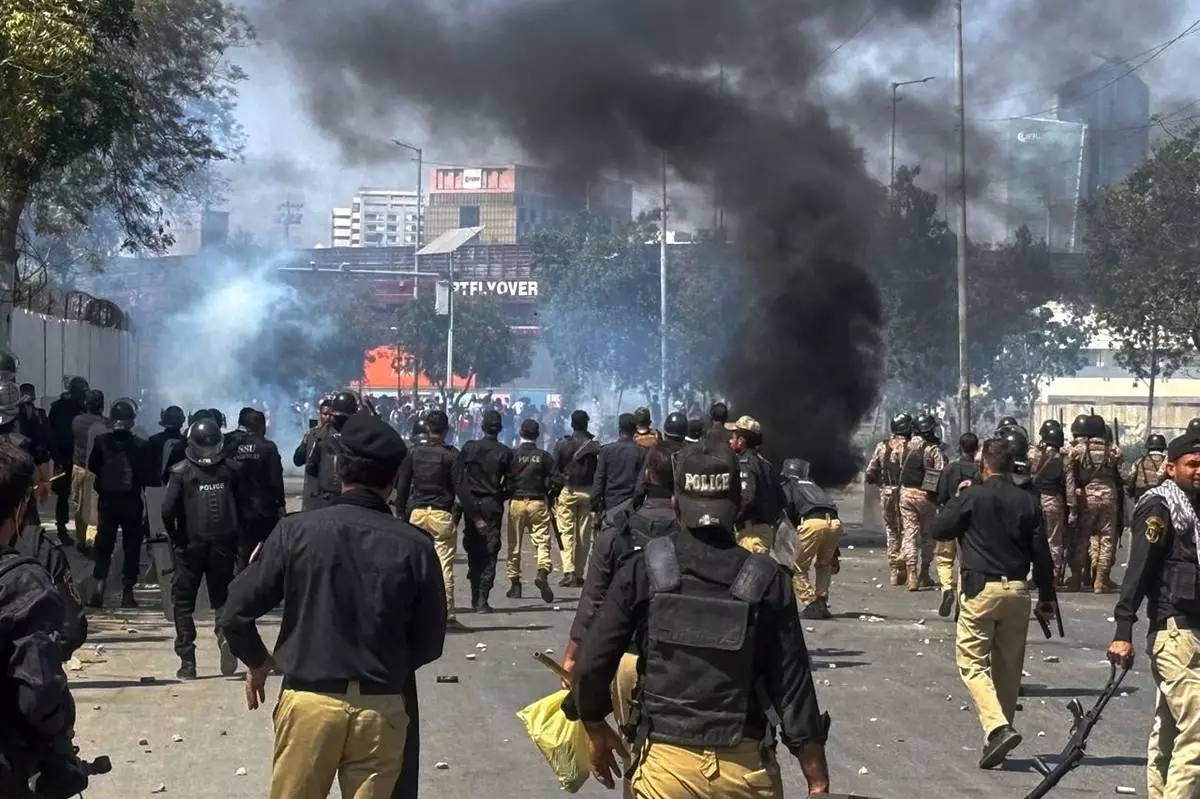
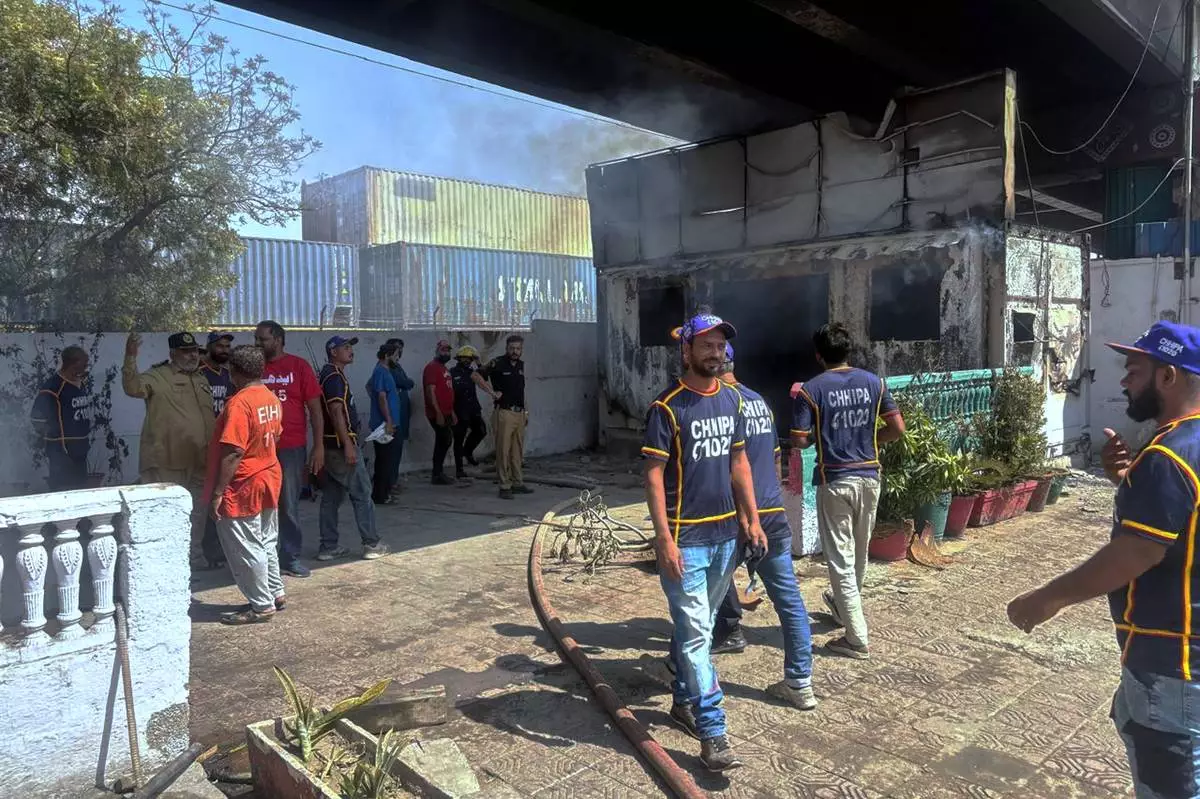
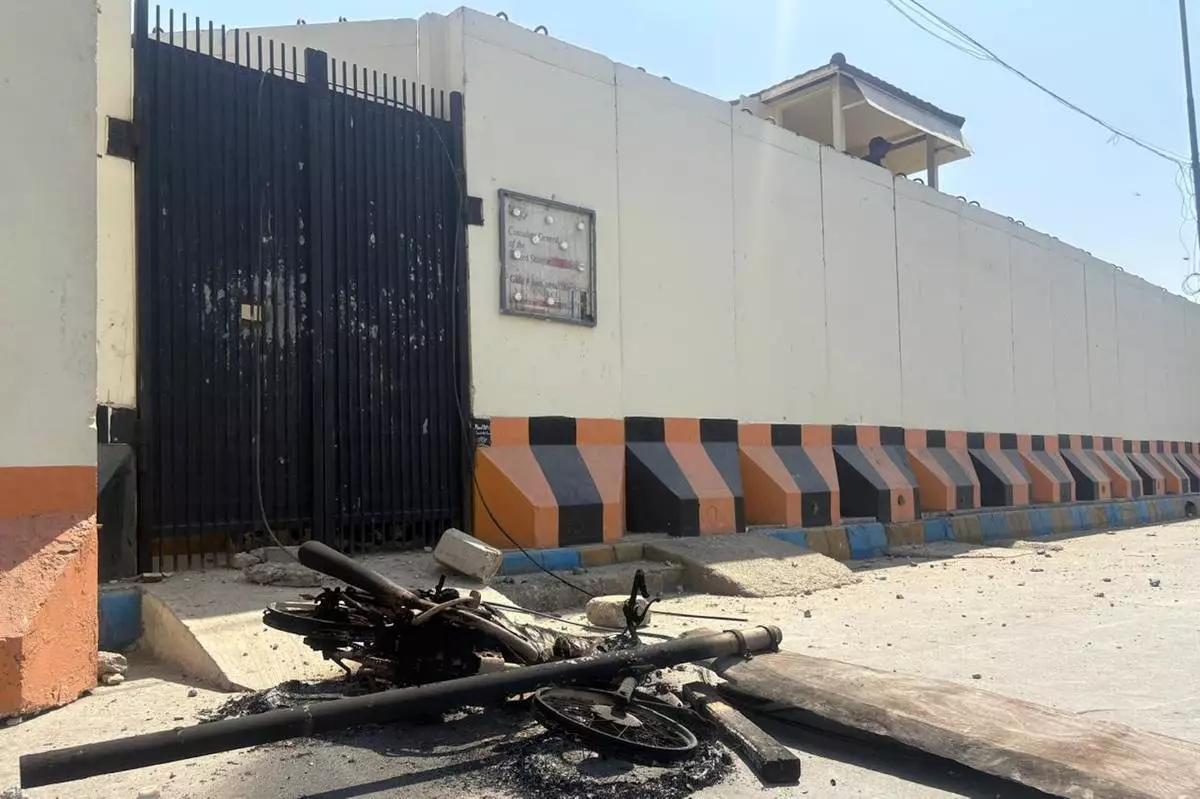
The death toll in clashes between Pakistani police and protesters who stormed the U.S. Consulate compound in Karachi has risen to nine.
The Shiite protesters were enraged by the killing of Iranian Supreme Leader Ali Khamenei in U.S. and Israeli strikes. Police said the protest on Sunday was later dispersed.
Kuwait, Qatar and Bahrain have all reported intercepting incoming attacks.
Qatar’s Defense Ministry says the country’s air force and air defense units intercepted missiles and drones fired from Iran, and that there were no casualties.
The Bahrain News Agency, citing the National Communication Center, said the country intercepted a wave of missiles and drones launched by Iran. It said “limited” debris landed in a number of areas, without providing further details.
Kuwait’s Defense Ministry said the military’s air defenses repelled “a number of hostile aerial targets” but did not mention any human or material losses.
The Abu Dhabi Media Office said shrapnel from a drone that was intercepted by air defense units fell at a tower in Abu Dhabi, lightly wounding a woman and her child.
The office said that the sounds heard Sunday in the capital of the United Arab Emirates were those of successful interceptions.
Oman says an oil tanker in the strategic Strait of Hormuz came under attack, wounding four mariners on board.
The attack targeted a Palau-flagged vessel called Skylight, the state-run Oman News Agency said.
It described the crew as Indian and Iranian.
It wasn’t clear who attacked the vessel, but it came as authorities have said Iran has been threatening ships traveling the strait via radio since the United States and Israel launched its attack on Iran.
Oman, which had served as an interlocutor between Tehran and Washington in recent nuclear talks, also said its port at Duqm was targeted in a drone attack.
Oman has previously stayed out of the fray in years of tensions gripping the region.
An adviser to the United Arab Emirates’ president says Iran “missed its target” with its attacks on the Arab Gulf states following US-Israeli strikes in Tehran.
“Your war is not with your neighbors, and through this escalation,” Anwar Gargash, who was the former state minister for foreign affairs, wrote on X platform on Sunday. “Return to your senses, to your surroundings, and deal with your neighbors with reason and responsibility before the circle of isolation and escalation widens.”
The United Arab Emirates was hit hard by Iranian missiles and drones, particularly Dubai, the Emirates’ commercial hub.
UAE sought in recent years to de-escalate tensions with Iran despite its longtime suspicions of its northern neighbor.
A nearly total internet blackout continued in Iran on Sunday morning, the second day of a conflict between Tehran and the U.S. and Israel, a monitoring group said.
NetBlocks said connectivity has flatlined at 1% of its ordinary levels.
Internet communication and international phone calls in Iran have frequently been disrupted since nationwide anti-government protests that started earlier this year.
Japan’s top government spokesperson said Sunday that Iran’s development of nuclear weapons must not be allowed and that Japan has consistently supported dialogue between Washington and Tehran as an important step toward resolving issues.
“Iran must stop nuclear weapons development and other actions that destabilize the region,” Chief Cabinet Secretary Minoru Kihara said, while falling short of expressing clear support for the U.S. attack on Iran.
A massive explosion struck Iran’s capital Sunday as the Israeli military said it was targeting the “heart” of the city.
The blast sent a huge plume of smoke into the sky and shook the ground. It wasn’t immediately clear what the target was. The blast appeared centered in a neighborhood home to the country’s police headquarters and Iranian state television.
The Israeli military said it was striking targets in central Tehran. It said that on the first day of the attacks, the military cleared the path to Tehran and on the second day it was striking central Tehran.
At least six people were killed in clashes with police Sunday after hundreds of protesters stormed the U.S. Consulate in the Pakistani port city of Karachi, authorities said.
The violence came after the United States and Israel attacked Iran and killed the country’s supreme leader, Ayatollah Ali Khamenei. Police and officials at a hospital in Karachi said at least eight people were also wounded in the clashes.
Police in Karachi said the protesters were later dispersed and the situation was under control.
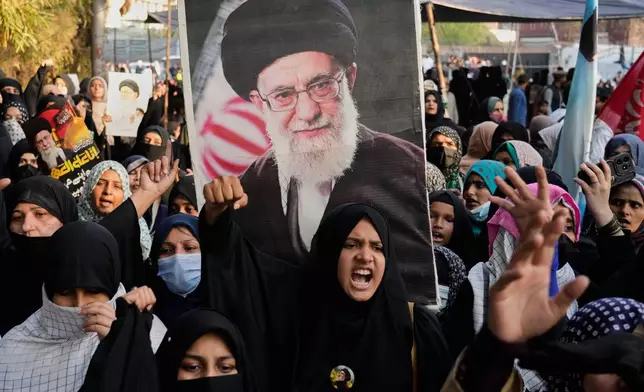
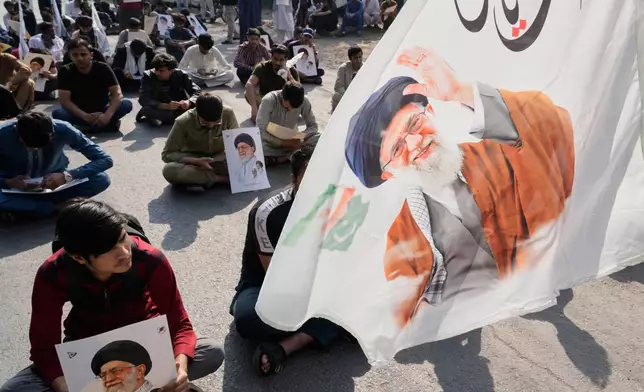
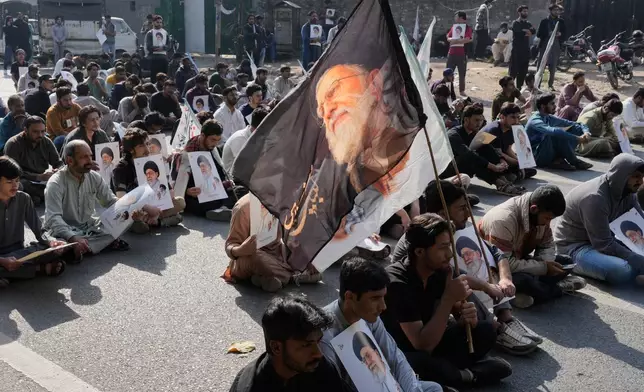
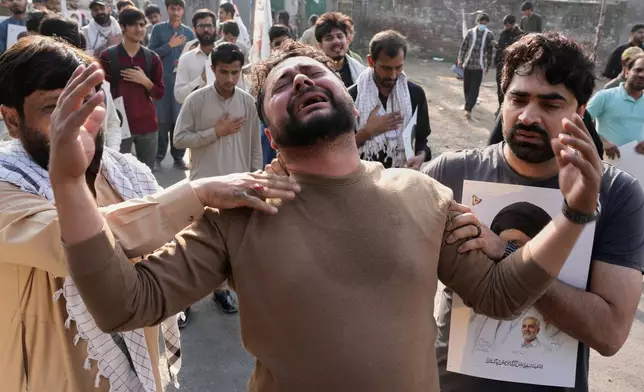
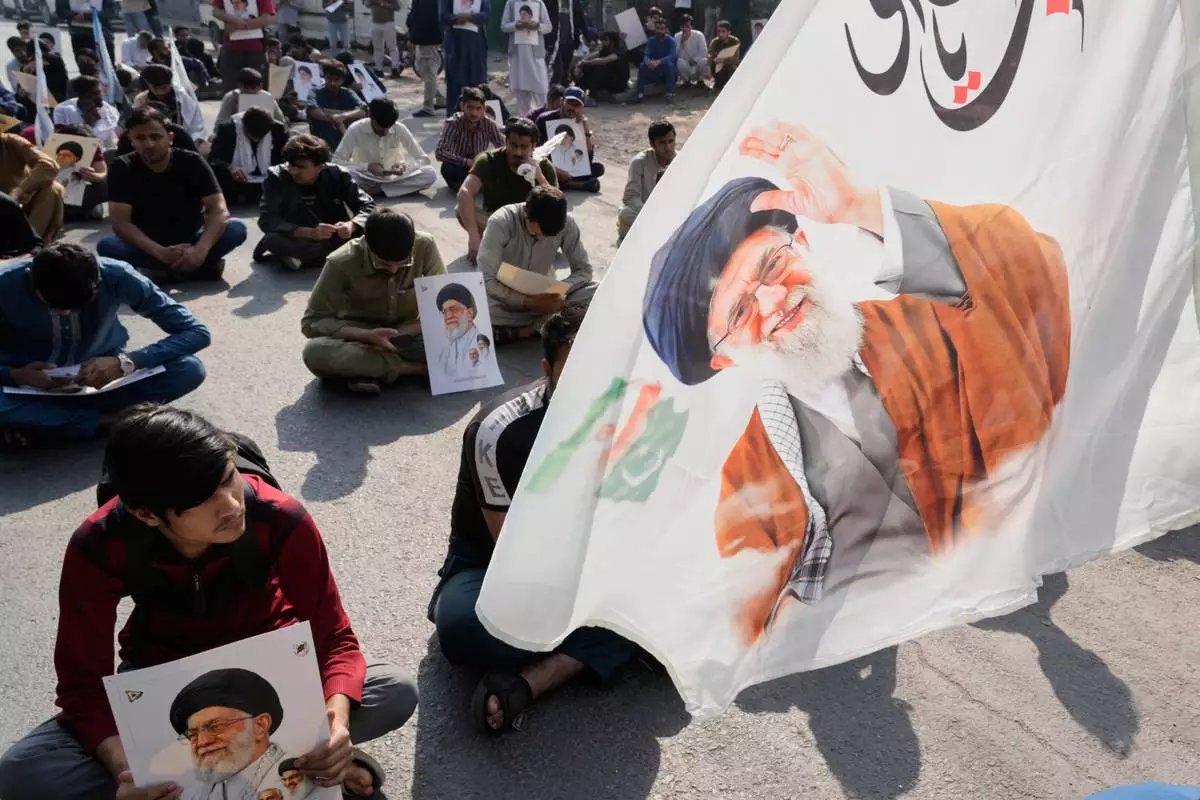
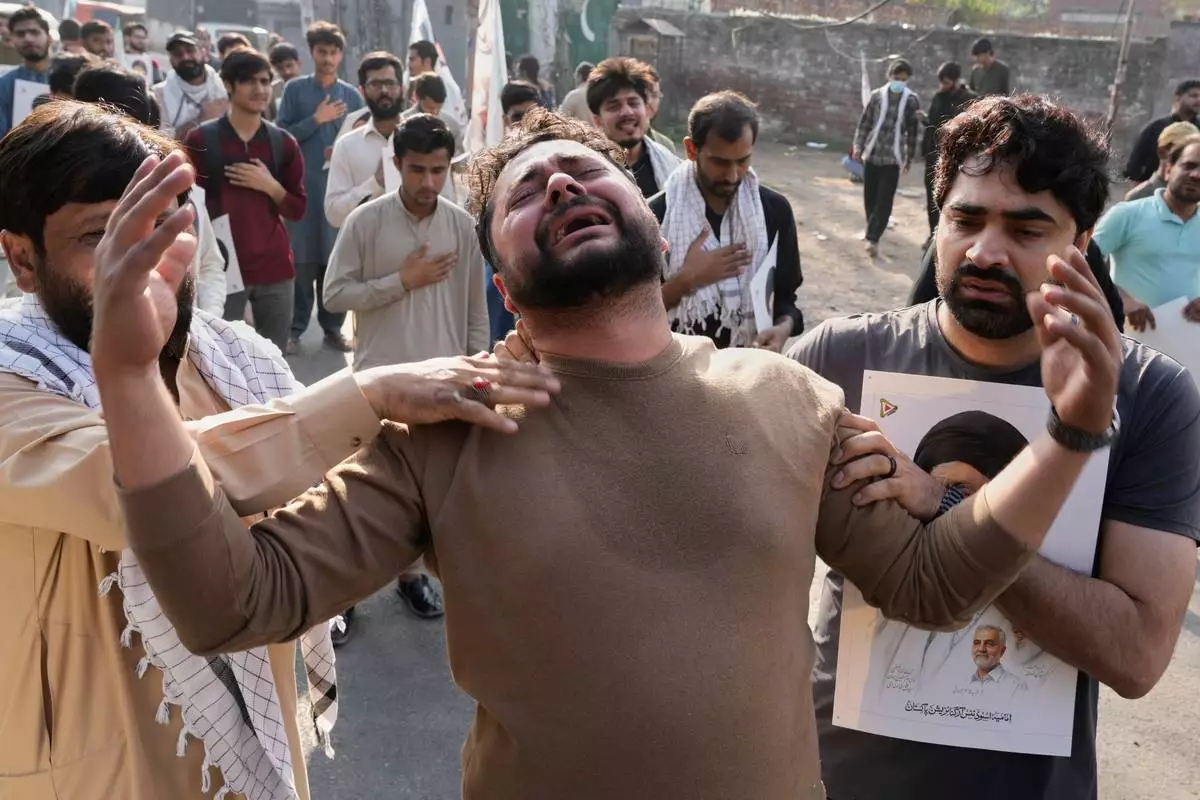
Tens of thousands of people in Indian-controlled Kashmir on Sunday staged massive demonstrations to denounce Khamenei’s killing by the U.S. and Israel.
Since early Sunday, mostly Shiite Muslims hit the streets across the region as they chanted “Death to America” and “Death to Israel.”
Some wailed in mourning while carrying Khamenei’s portrait.
They also expressed solidarity with Palestinians and vowed to never forget them.
The Iranian leader enjoyed a significant following in Kashmir among Shiite Muslims, and his portrait adorned several streets prominently across the region.
Kashmiris have long supported Palestinian and other Muslim causes and have often staged large solidarity protests.
Mirwaiz Umar Farooq, a prominent Kashmiri religious leader, voiced deep sorrow and outrage over what he termed the “brutal killing” of the Iranian leader. He said in a statement that the killing “has shaken the Muslim world” and called for a protest strike in Kashmir on Monday.
Dubai authorities said two people were injured when debris from Iranian drones shot down by air defenses landed in the courtyards of two homes in the city.
The Dubai Media Office also said the booms heard in the emirate were “the result of successful interception operations” by air defenses.
After explosions in Dubai, smoke could be seen rising in the area of Dubai International Airport, the world’s busiest for international travel, and the city-state’s Jebel Ali port.
About 500 Shiite Muslims stormed the U.S. Consulate in Pakistan’s port city of Karachi on Sunday, smashing windows hours after a major U.S. and Israeli attack killed Iran’s Ayatollah Ali Khamenei, police said.
Police and paramilitary forces used batons and fired tear gas to disperse the crowd, said Mohammad Jawad, a police official.
At least one protester was killed and several others were wounded in clashes between protesters and security forces, he said.
The U.S. Embassy in Bahrain said on Sunday that family members and non-essential personnel were authorized to leave Bahrain.
The U.S. has large military installations in Bahrain, Kuwait and Qatar.
Bahrain said a missile attack targeted the U.S. Navy’s 5th Fleet headquarters in the island kingdom, and three buildings were damaged in the capital, Manama.
Iranian Australians celebrated Sunday as news emerged that Ayatollah Ali Khamenei was killed in a major attack on Iran launched by Israel and the U.S.
A group of about 200 people waving Australian, American, Israeli and old Iranian flags chanted and danced outside the Iranian Embassy in Canberra, Australia’s capital.
One of those celebrating, Nassim Rezakhani, told the Australian Broadcasting Corp. she was excited by the news.
“Words cannot describe the feeling of the people of Iran. Like we said, the reason we are celebrating is because this is not a war on Iran. This is a war for the people of Iran,” she said.
The Israeli military said it has identified another round of missiles headed toward Israel from Iran.
There were repeated barrages of missile fire across Israel, including Jerusalem and Tel Aviv, early Sunday.
According to Israel’s Magen David Adom rescue services, one person has been killed and 121 were injured in the first 24 hours of the conflict.
Some airports across the Middle East remained closed on Sunday as the conflict between Israel, the U.S., and Iran moved into its second day.
Emirates Airlines has suspended all flights to and from Dubai until at least Sunday afternoon.
The Qatar airport is closed until at least Monday morning, according to Qatar Airways.
Israeli airspace also remains closed.
The closures have stranded tens of thousands of travelers around the world.
Iran’s chief of army staff and defense minister were killed in an airstrike targeting a meeting of the country’s defense council, Iranian state television reported Sunday.
Gen. Abdol Rahim Mousavi and Defense Minister Gen. Aziz Nasirzadeh were killed at the meeting alongside the head of Iran’s paramilitary Revolutionary Guard and security adviser Ali Shamkhani, whose deaths Iran previously announced Sunday morning.
Iran did not elaborate on when the strike took place that killed the four men. The American-Israeli campaign began with intense airstrikes on Tehran on Saturday.
Airport authorities in Indonesia’s resort island of Bali said more than 1,600 tourists were stranded at Bali’s I Gusti Ngurah Rai International Airport on Sunday after several flights to the Middle East were canceled or postponed due to airspace closures in a number of countries.
Five flights to Abu Dhabi, Dubai and Doha operated by Emirates, Qatar Airways and Etihad Airways were affected, involving 1,631 passengers, according to state‑owned airport operator PT Angkasa Pura Indonesia.
The airport said overall operations remained normal and passengers were being handled under airline policies while authorities coordinated with airlines and air navigation officials.
Egyptian Foreign Minister Badr Abdelatty called for “de-escalation and prioritizing diplomacy” to avert “comprehensive chaos” in the region.
“There is no alternative to dialogue to address the current crises,” he said.
Abdelatty’s comment came in a phone call with Iraqi Foreign Minister Fuad Hussein, the Egyptian foreign ministry said.
The U.S. Embassy in Jordan urged Americans in the Kingdom to remain indoors as Iran continued its attacks across the Gulf Arab states and Israel.
The embassy made the warning Sunday morning in a post on X, citing reports of “missiles, drones, or rockets are in Jordanian airspace.”
Protesters have taken to the streets in the Iraqi capital early Sunday to denounce the killing of Iranian Supreme Leader Ali Khamenei.
Associated Press journalists saw dozens of people attempting to cross a bridge leading to Baghdad’s heavily fortified Green Zone, which houses Iraqi government buildings and the sprawling U.S. Embassy.
Gunshots were heard and smoke was seen rising in the area, according to AP footage.
Qatar’s Interior Ministry said eight people were wounded early Sunday in Iranian attacks on the country, raising the total number of those wounded since strikes began the day before to 16.
The ministry said attacks also caused “limited” material damage.
It urged people in Qatar to stay home and only go out in case of emergency and keep roads open for ambulances.
Ebrahim Taheri, a Minab prosecutor, told the Iranian judiciary’s Mizan News Agency that the death toll from Saturday’s U.S and Israeli strike on a girls’ school in southern Iran’s Minab county has risen to 148 killed and 95 wounded.
Trump warned Iran on Sunday not to escalate its attacks, writing online that American forces will strike back with exceptional force.
Trump’s comments on Truth Social follow Iranian threats on Sunday morning after acknowledging the killing of Supreme Leader Ayatollah Ali Khamenei.
“Iran just stated that they are going to hit very hard today, harder than they have ever hit before,” Trump wrote, adding: “THEY BETTER NOT DO THAT, HOWEVER, BECAUSE IF THEY DO, WE WILL HIT THEM WITH A FORCE THAT HAS NEVER BEEN SEEN BEFORE!”
Iran’s parliament speaker on Sunday called the leaders of the United States and Israel “filthy criminals” who will face “devastating blows” for their ongoing attacks on the Islamic Republic.
Mohammad Bagher Qalibaf made the comment in a televised address.
Qalibaf is the highest-ranking official to appear on camera since the attacks began Saturday.
“You have crossed our red line and must pay the price,” he said. “We will deliver such devastating blows that you yourselves will be driven to beg.”
Smoke rises up after a strike in Tehran, Iran, Sunday, March 1, 2026. (AP Photo/Vahid Salemi)
People watches from a rooftop as a plume of smoke rises after a strike in Tehran, Iran, Sunday, March 1, 2026. (AP Photo/Vahid Salemi)
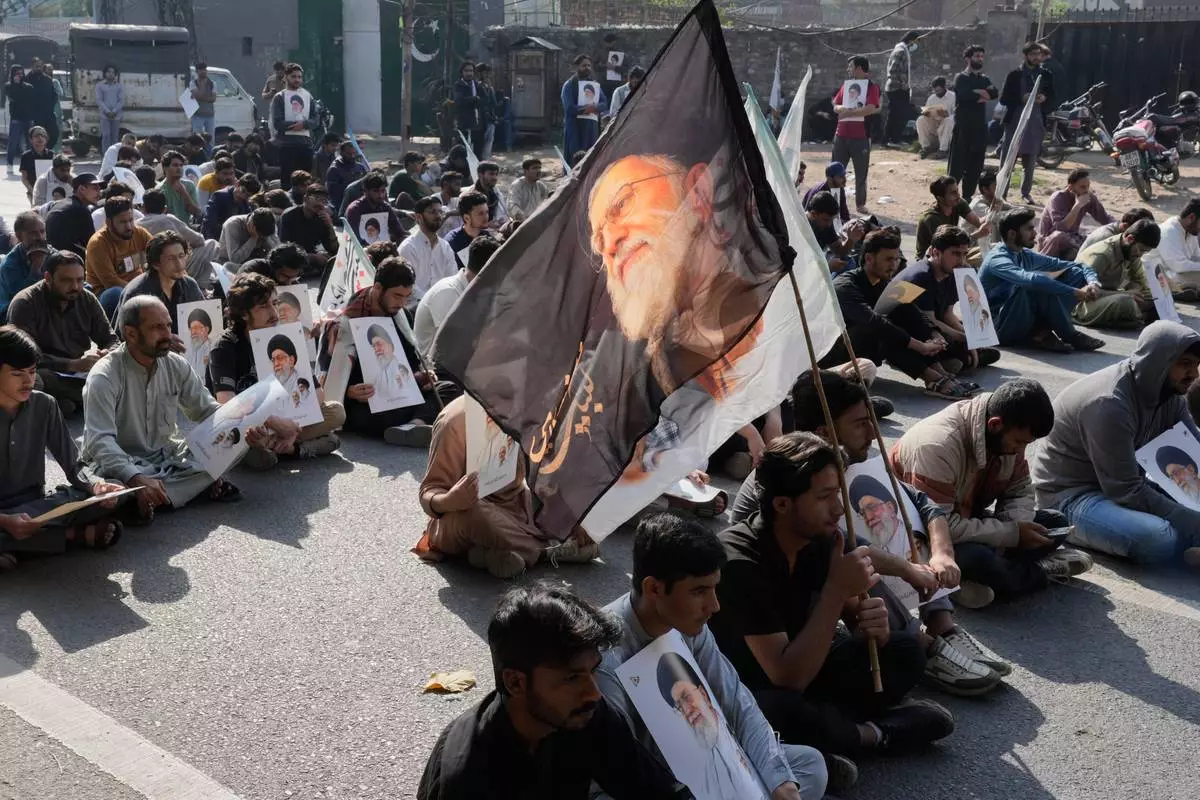
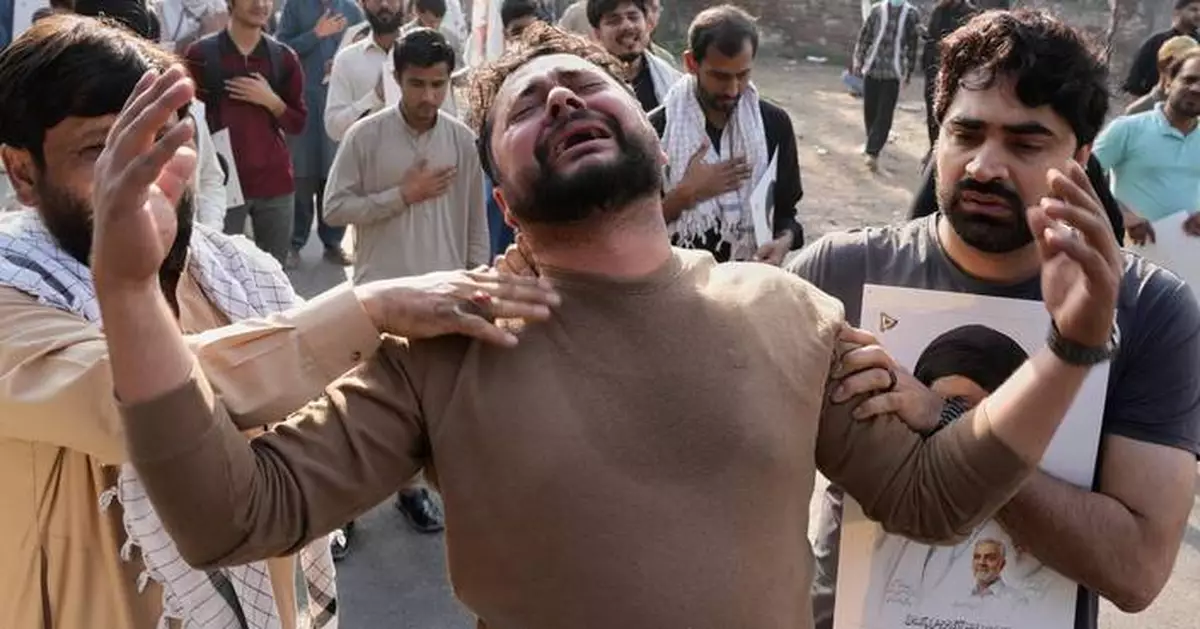
Shiite Muslims hold placards and chant slogans during a protest against the U.S. and Israel, and to show solidarity with Iran, in Lahore, Pakistan, Saturday, Feb. 28, 2026. (AP Photo/K.M. Chaudary)

Government supporters mourn during a gathering after state TV officially announced the death of Iranian Supreme Leader Ayatollah Ali Khamenei, shown in the poster, in Tehran, Iran, Sunday, March 1, 2026. (AP Photo/Vahid Salemi)
A group of men wave Iranian flags as they attend a demonstration in support of the government and against U.S. and Israeli strikes in Tehran, Iran, Saturday, Feb. 28, 2026. (AP Photo/Vahid Salemi)
An incoming projectile explodes over the water as Israel issues a nationwide alert following its strikes on Iran, in Haifa Bay, northern Israel, Saturday, Feb. 28, 2026. (AP Photo/Leo Correa)
People watch as smoke rises on the skyline after an explosion in Tehran, Iran, Saturday, Feb. 28, 2026.(AP Photo)
Ruins remain in the aftermath of an Israeli-U.S. strike in Tehran, Iran, Saturday, Feb. 28, 2026. (AP Photo/Amir Kholousi/ISNA)