The president of Iran’s soccer federation says he does not know if the national team can play World Cup matches in the United States following the surprise U.S. and Israeli bombardment of his country.
“What is certain is that after this attack, we cannot be expected to look forward to the World Cup with hope,” Mehdi Taj told sports portal Varzesh3 as Iran traded strikes with Israel as part of a widening war prompted by the bombardment.
The U.S.-Israeli strikes on Iran continued for a second day on Sunday after the killing of Iranian Supreme Leader Ayatollah Ali Khamenei threw the future of the Islamic Republic into uncertainty and raised the risk of regional instability.
Iran has been drawn in Group G at the World Cup and is scheduled to play in Los Angeles – where it faces New Zealand and Belgium on June 15 and 21, respectively – before it plays Egypt in Seattle on June 26.
The United States is hosting the tournament with Canada and Mexico from June 11-July 19.
Fans from Iran were already banned from entering the U.S. in the first iteration of the travel ban announced by the Trump administration.
FIFA did not immediately reply to an email from The Associated Press over the current situation regarding Iran’s participation in the World Cup.
AP soccer: https://apnews.com/hub/soccer
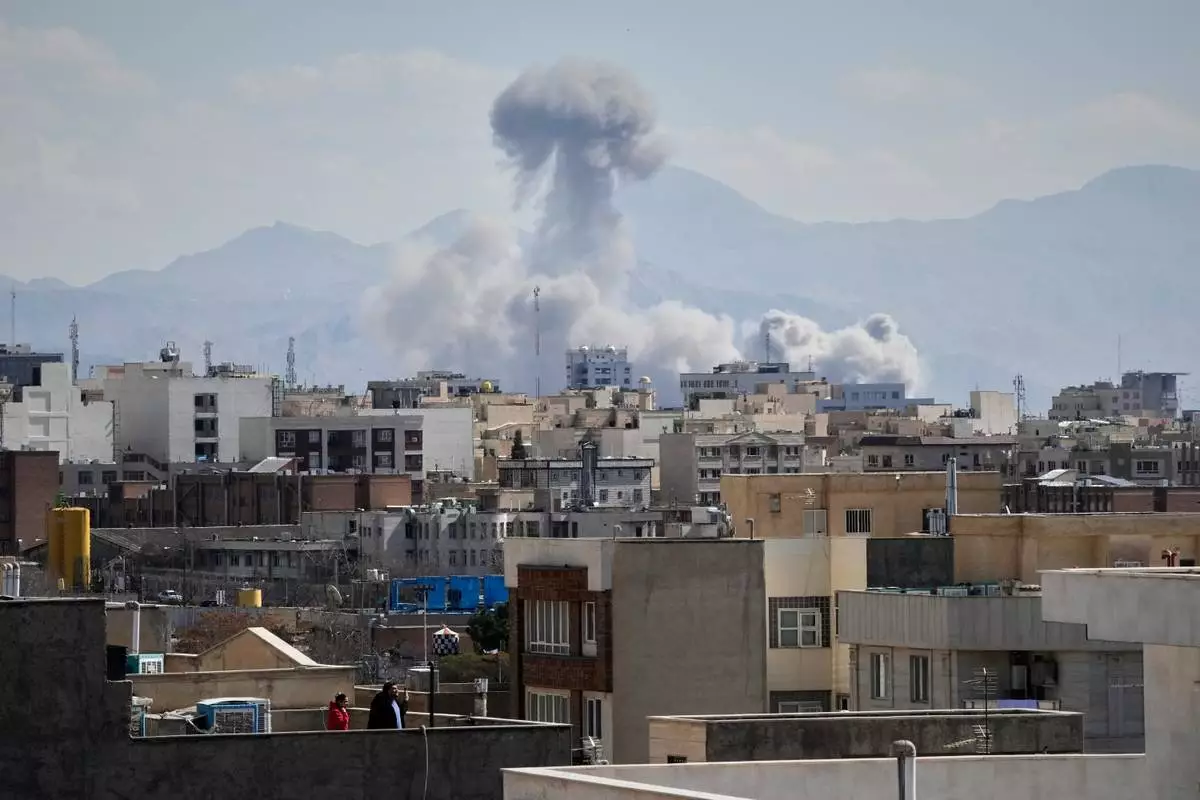
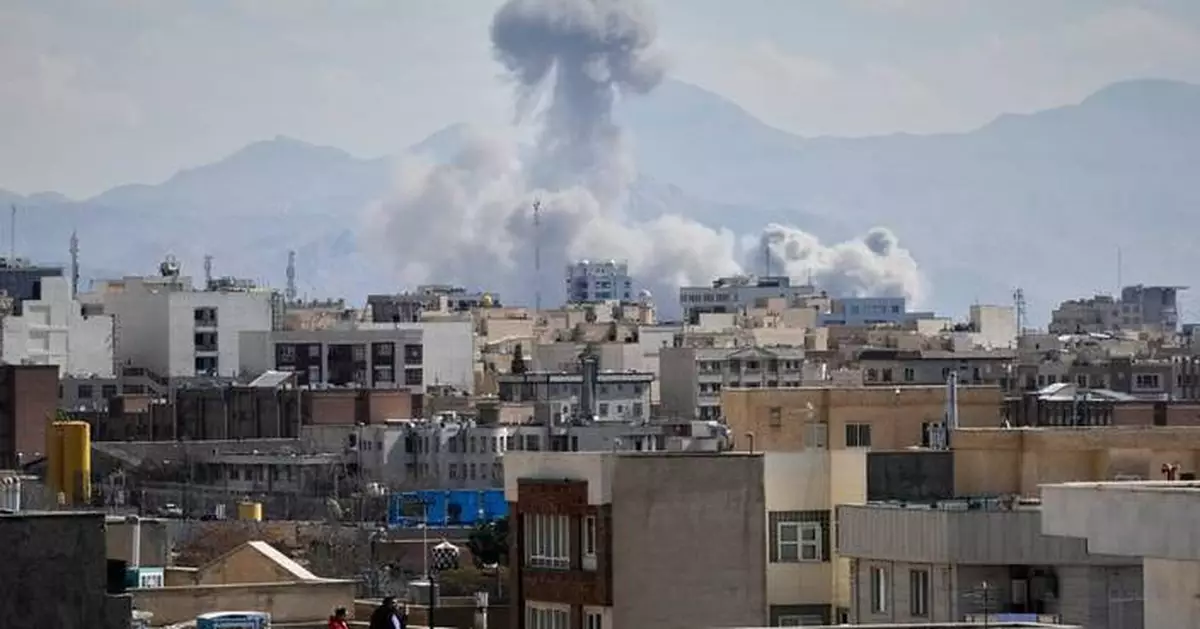
People watch from a rooftop as a plume of smoke rises after a strike in Tehran, Iran, Sunday, March 1, 2026. (AP Photo/Vahid Salemi)
The U.S. and Israeli attack on Iran killed Supreme Leader Ayatollah Ali Khamenei, triggered retaliatory strikes on multiple countries in the region and is reverberating around the world.
Related violence expanded Sunday to a growing number of places, with a rising death toll. Israeli strikes targeted Tehran. Iran fired drones and missiles at Israel and U.S. military installations around the Gulf, and also at the global business and tourism hub of Dubai.
Nearly two dozen people were killed in clashes after protesters tried to storm a U.S. Consulate in Pakistan.
The joint U.S.-Israeli strikes on Iran, which started Saturday, stoked fears of a wider war and damage to the world economy. Global reaction ranged from jubilation to condemnation. U.S. President Donald Trump urged Iranians to seize the moment and “take over.”
The strikes came two days after the latest U.S.-Iran talks, as Trump pressured Tehran for a deal to constrain its nuclear program. A senior White House official said Sunday that “new potential leadership” in Iran has suggested they are open for talks with the U.S. and that President Donald Trump says he is “eventually” willing to talk. For now, though, the military operation “continues unabated,” the official said on condition of anonymity to discuss internal administration deliberations.
Iran’s provisional governing council started its work Sunday, and is expected to name a new supreme leader. Iran’s theocracy has struggled with growing dissent following nationwide protests over the economy that morphed into anti-government ones.
Israel said it had worked with the U.S. for months to plan the attacks. The U.S. military said targets in Iran included Revolutionary Guard command facilities, air defense capabilities, missile and drone launch sites and military airfields.
One of the first strikes hit near the offices of the 86-year-old Khamenei, who had ruled since 1989 and held ultimate power. Iranian state media reported Khamenei’s death, without details. Israel said that it also killed dozens of other top Iranian military officials.
Iranian state media said more than 200 people have been killed. In southern Iran, at least 165 people were killed when a girls’ school was struck, the state-run IRNA news agency reported. The Israeli military said it was not aware of strikes in the area. The U.S. military said it was looking into the reports.
The U.S. and Israel also struck Iran last June during earlier nuclear talks and claimed to have weakened Iran’s air defenses, military leadership and nuclear program. The Trump administration has asserted that Iran had been rebuilding its nuclear program, which Tehran has insisted is for peaceful purposes.
Iran launched retaliatory missiles and drones targeting Israel and nearby Arab Gulf countries hosting U.S. forces. Three U.S. service members have been killed, according to U.S. Central Command.
“You have crossed our red line and must pay the price,” Iran’s parliamentary speaker, Mohammad Bagher Qalibaf, said in a televised address Sunday.
Eleven people have been killed in Israel as loud explosions caused by missile impacts or interceptions could be heard in Tel Aviv. Israel’s rescue services said that nine people were killed and more wounded in a strike that hit a synagogue in the central town of Beit Shemesh.
Iranian-backed Houthis in Yemen have vowed to resume attacks on Red Sea shipping routes and on Israel, according to two senior Houthi officials who spoke on condition of anonymity because there was no official announcement from leadership.
Trump listed grievances stretching back to the beginning of the Islamic Republic following a revolution in 1979 that turned Iran from one of America’s closest allies in the Middle East into a foe. Iran’s ballistic missile program and support for armed proxies in the region were other issues he cited.
Tensions had escalated in recent weeks as the Trump administration built up the largest force of American warships and aircraft in the Middle East in decades.
Trump said “heavy and pinpoint bombing” in Iran would continue through the week or longer. He told Iranians to take cover, but urged them to later rise up and topple the Islamic leadership. U.S. Democrats are leading efforts to limit Trump’s war powers.
In Tehran Sunday, the streets were largely deserted as people sheltered during heavy airstrikes, witnesses told The Associated Press, speaking anonymously for fear of retribution.
The strikes elicited mixed global reactions, including angry protests, celebrations and calls by world leaders for a return to negotiations and peace.
At least 22 people were killed in clashes with police and paramilitary forces Sunday after hundreds of protesters rushed the U.S. Consulate in the Pakistani port city of Karachi, authorities said.
Shipping companies suspended their vessels’ traffic through the Suez Canal. The strikes could rattle global markets, particularly if Iran makes the Strait of Hormuz unsafe for commercial traffic. A fifth of worldwide traded oil passes through the strait.
There were global repercussions from disrupted air travel in the region, with hundreds of thousands of travelers stranded or diverted to other airports after Israel, Qatar, Syria, Iran, Iraq, Kuwait and Bahrain closed their airspace.
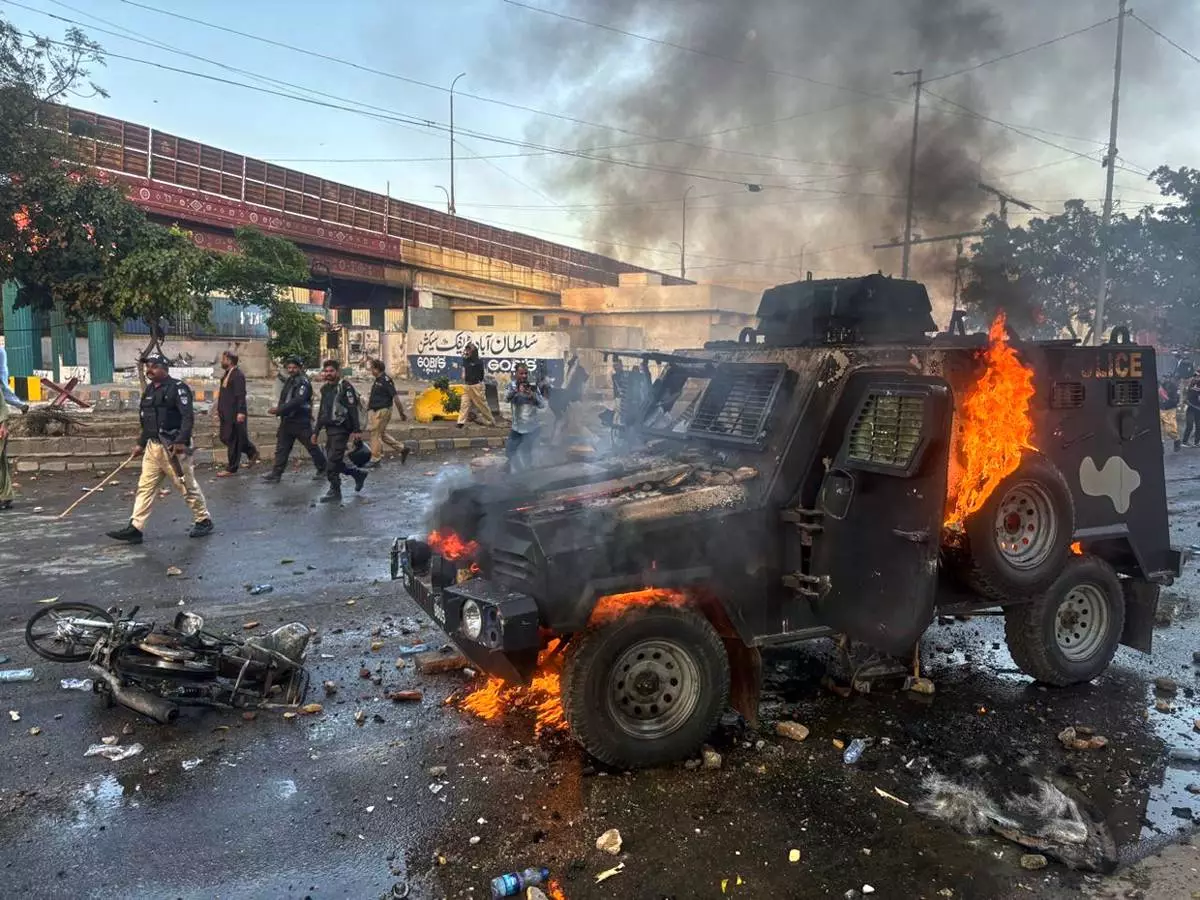
Paramilitary soldiers and police officers walk past a burning police's armoured vehicle, which was set on fire by Shiite Muslims during a protest over the killing of Iranian Supreme Leader Ayatollah Ali Khamenei, in Karachi, Pakistan, Sunday, March 1, 2026. (AP Photo/Muhammad Farooq)
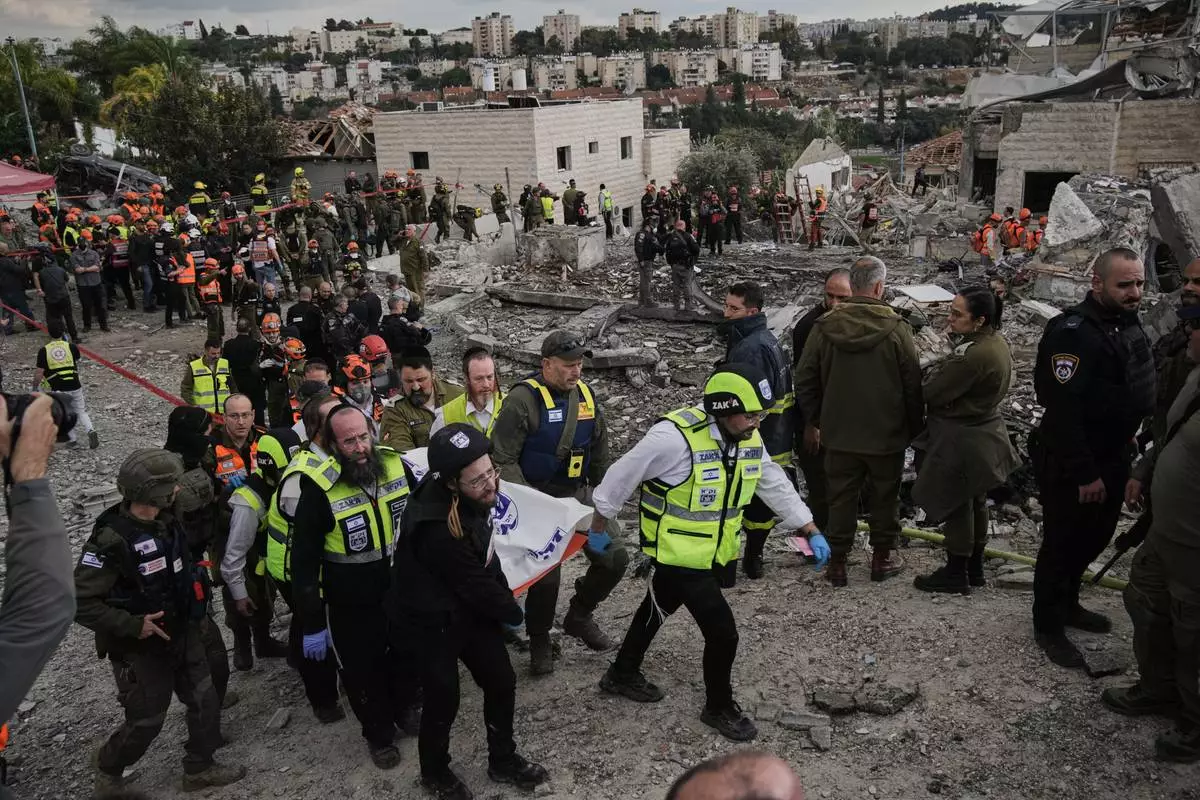
Rescue workers and military personnel carry a body of a victim from the scene where several people were killed by an Iranian missile strike in Beit Shemesh, Israel Sunday, March 1, 2026. (AP Photo/Leo Correa)
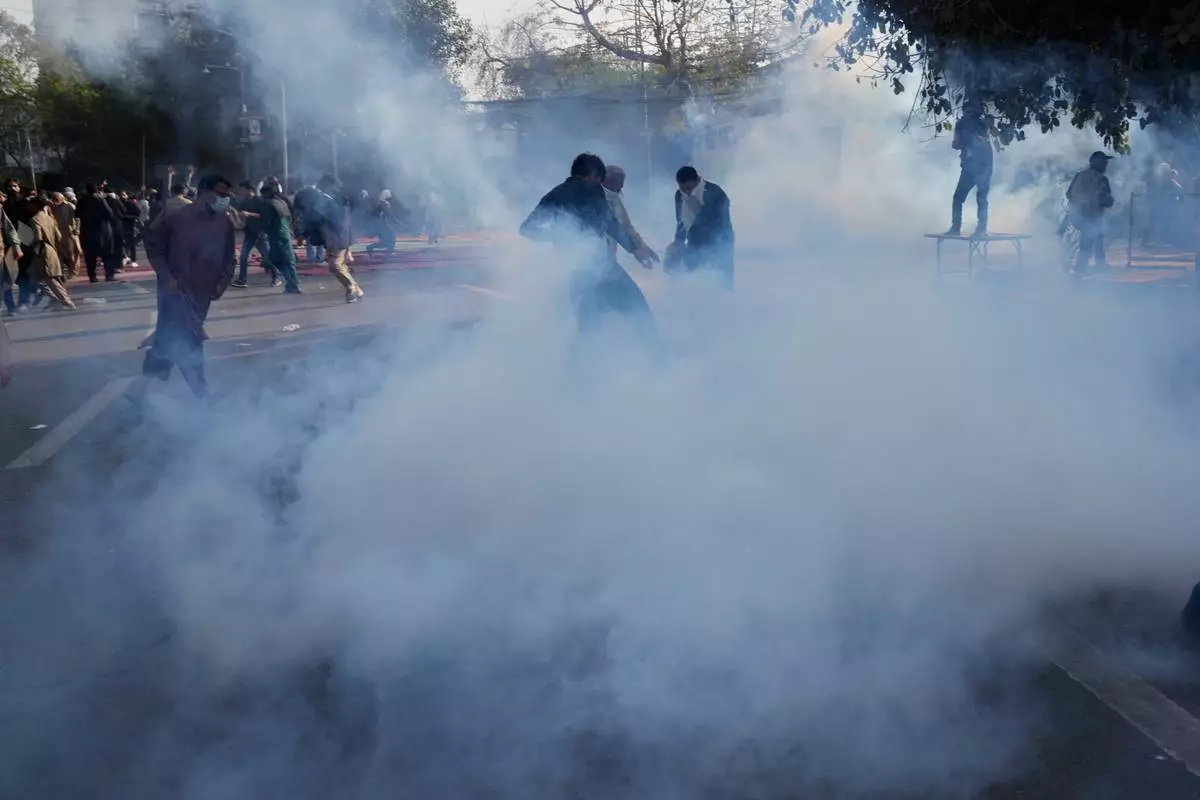
Police fire tear gas shell to disperse Shiite Muslims protesters near the U.S Consulate during a rally condemning the killing of Iranian Supreme Leader Ayatollah Ali Khamenei, in Lahore, Pakistan, Sunday, March 1, 2026. (AP Photo/K.M. Chaudary)
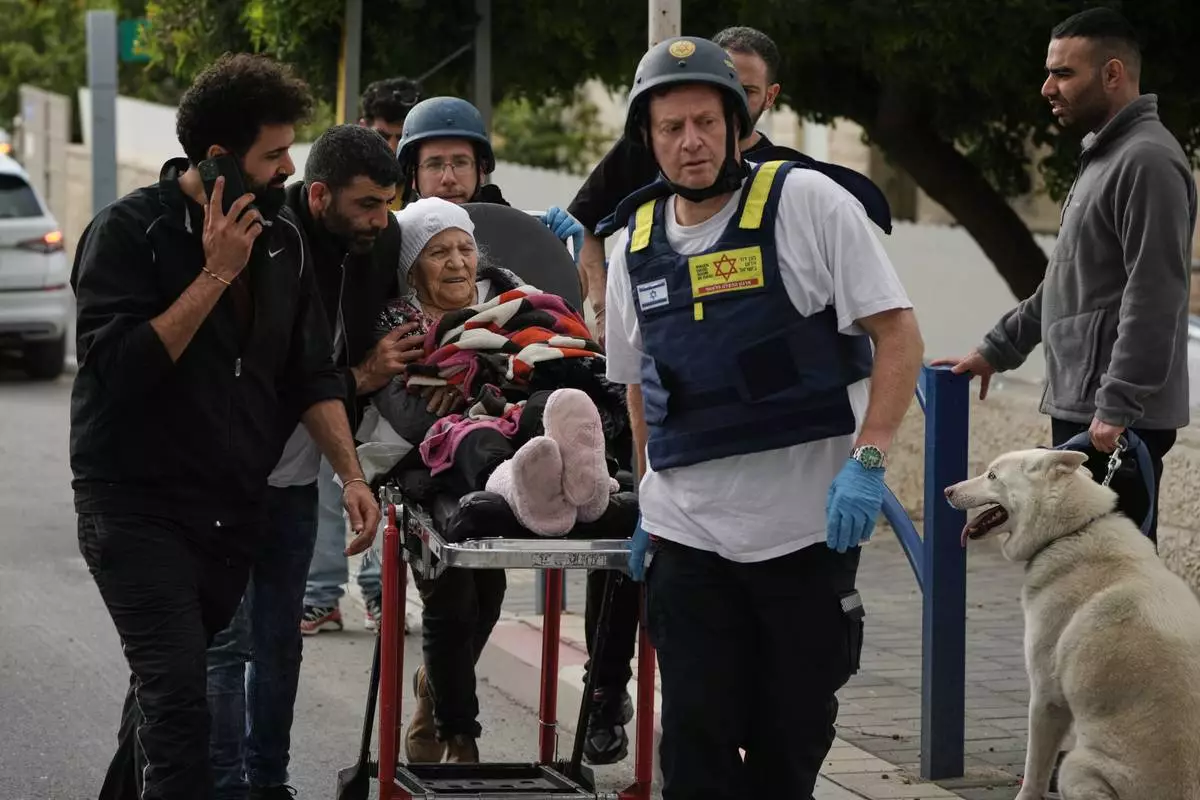
Paramedics evacuate wounded people from the site of a deadly Iranian missile strike in Beit Shemesh, Israel Sunday, March 1, 2026. (AP Photo/Leo Correa)
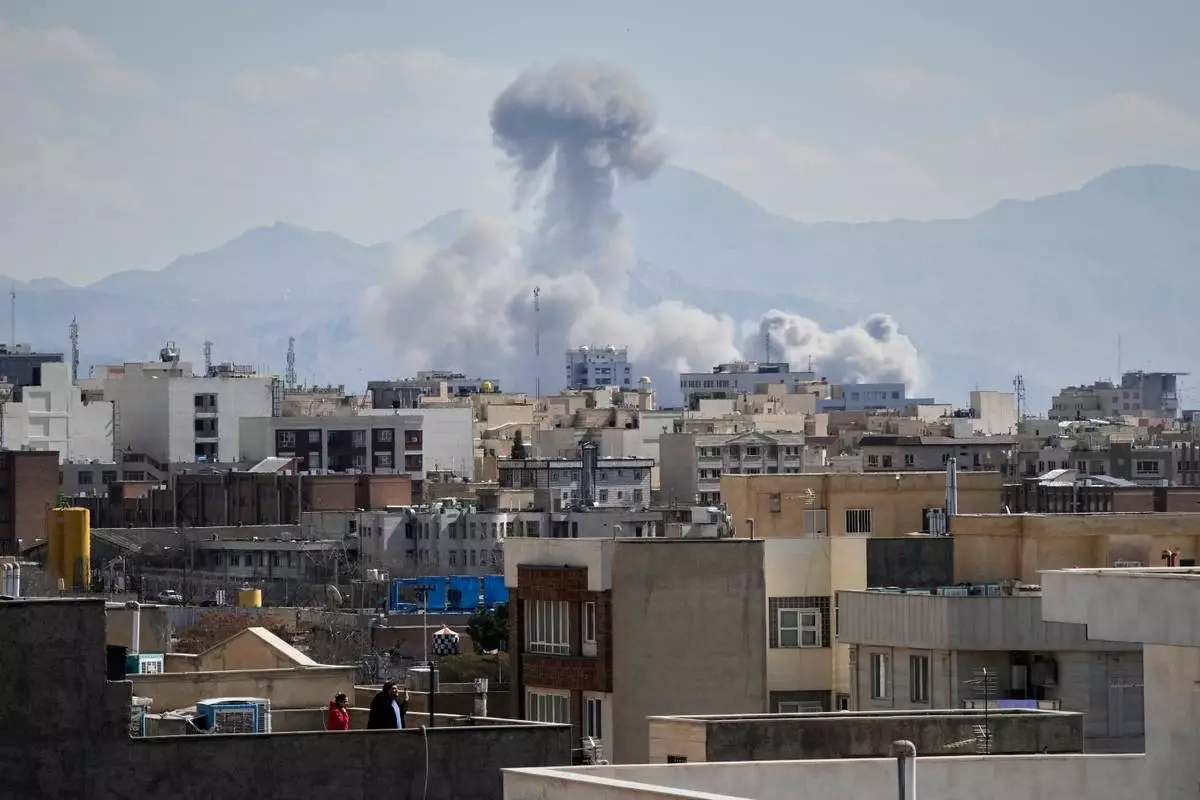
People watch from a rooftop as a plume of smoke rises after a strike in Tehran, Iran, Sunday, March 1, 2026. (AP Photo/Vahid Salemi)
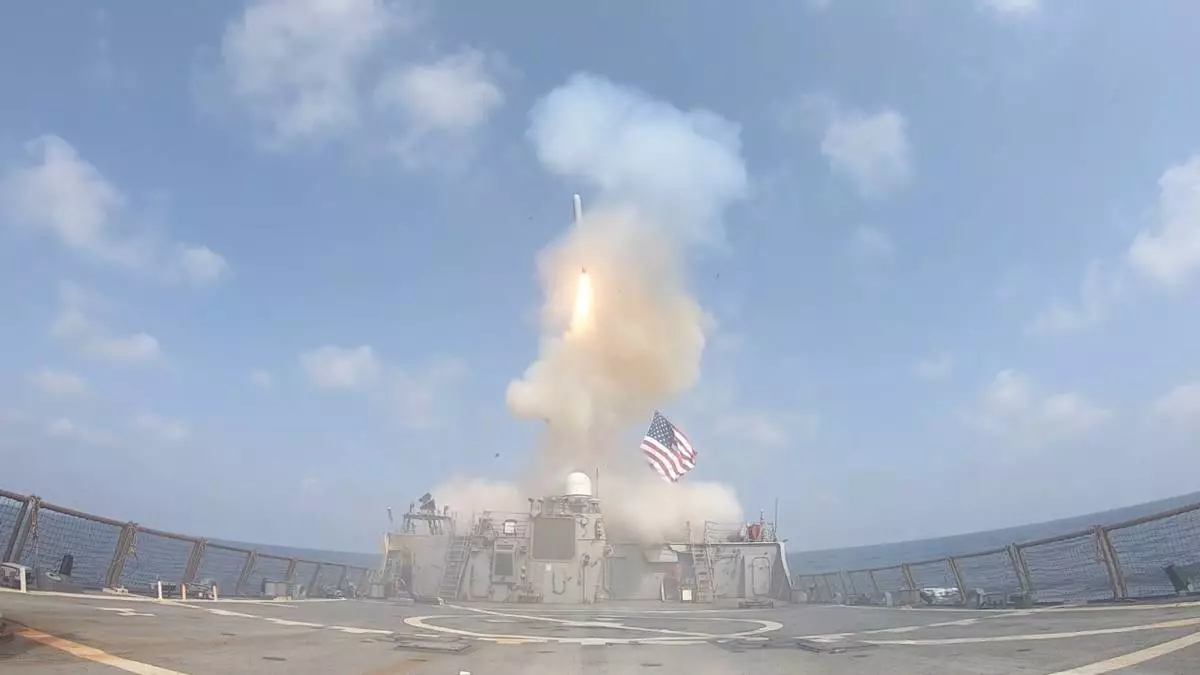
This image from video provided by U.S. Central Command shows a missile being launched from from a U.S. Navy ship in support of Operation Epic Fury on Saturday, Feb. 28, 2026. (U.S. Central Command via AP)
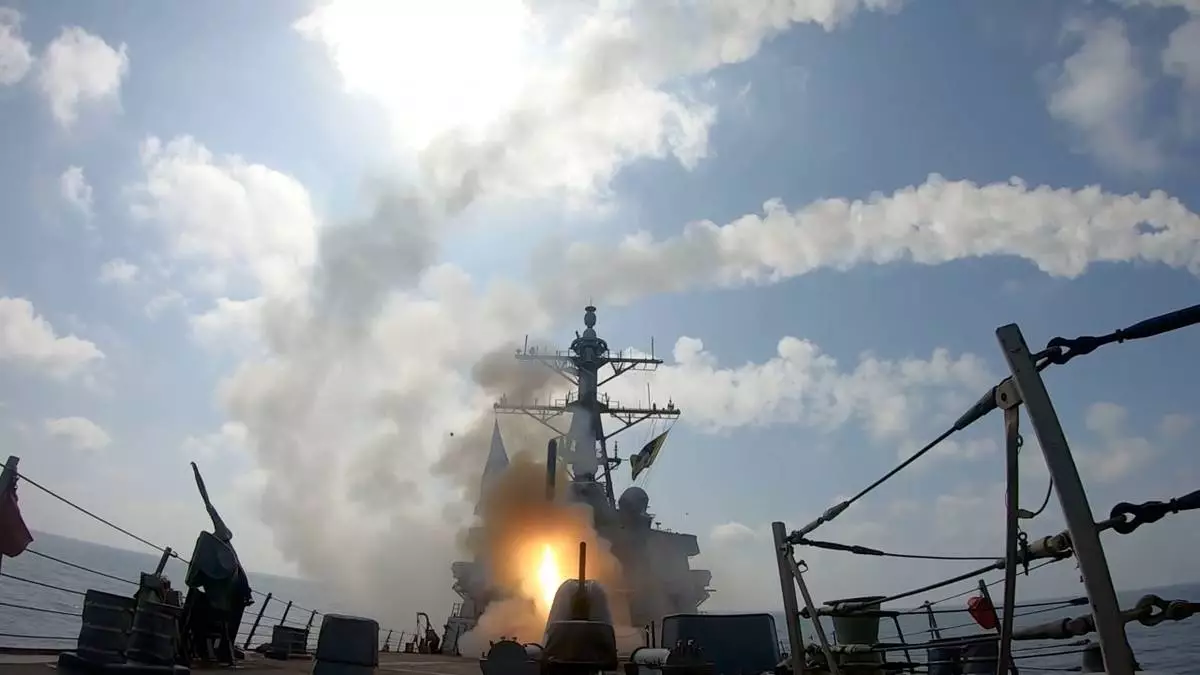
This image from video provided by U.S. Central Command shows a missile being launched from from a U.S. Navy ship in support of Operation Epic Fury on Saturday, Feb. 28, 2026. (U.S. Central Command via AP)
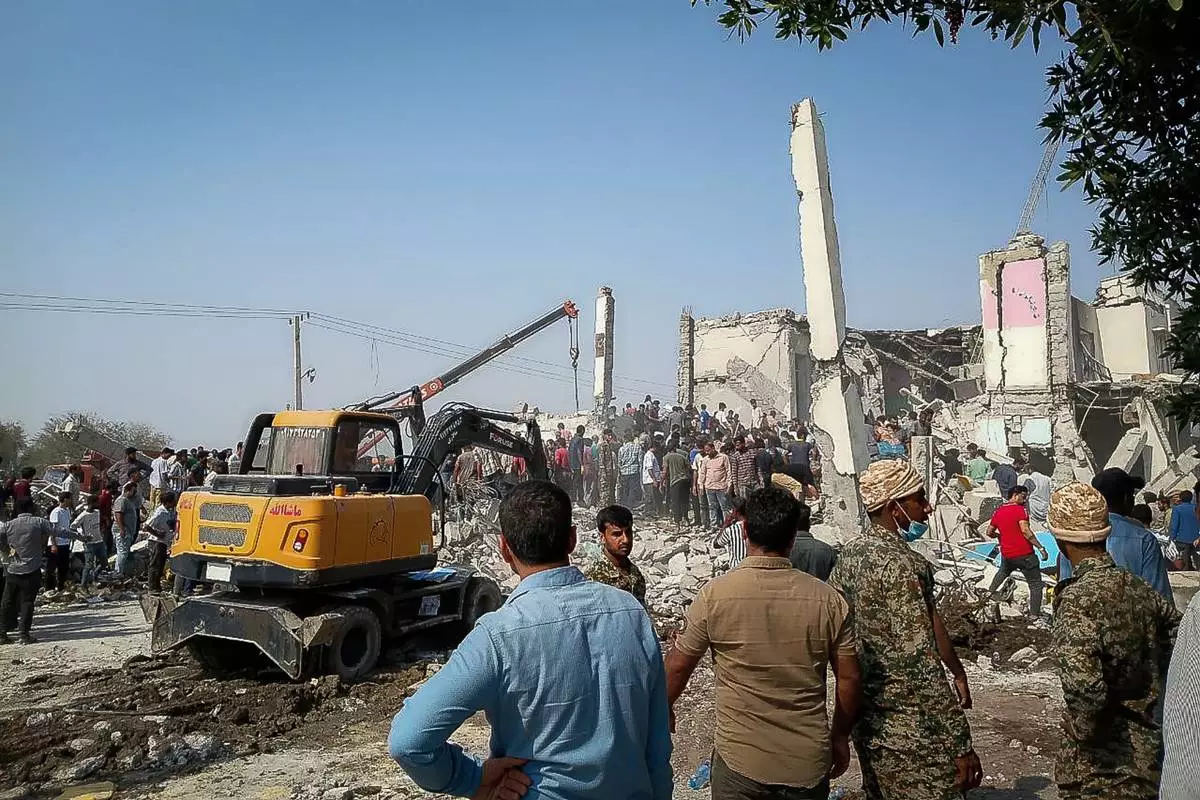
Rescue workers and residents search through the rubble in the aftermath of an Israeli-U.S. strike on a girls' elementary school in Minab, Iran, Saturday, Feb. 28, 2026. (ISNA via AP)
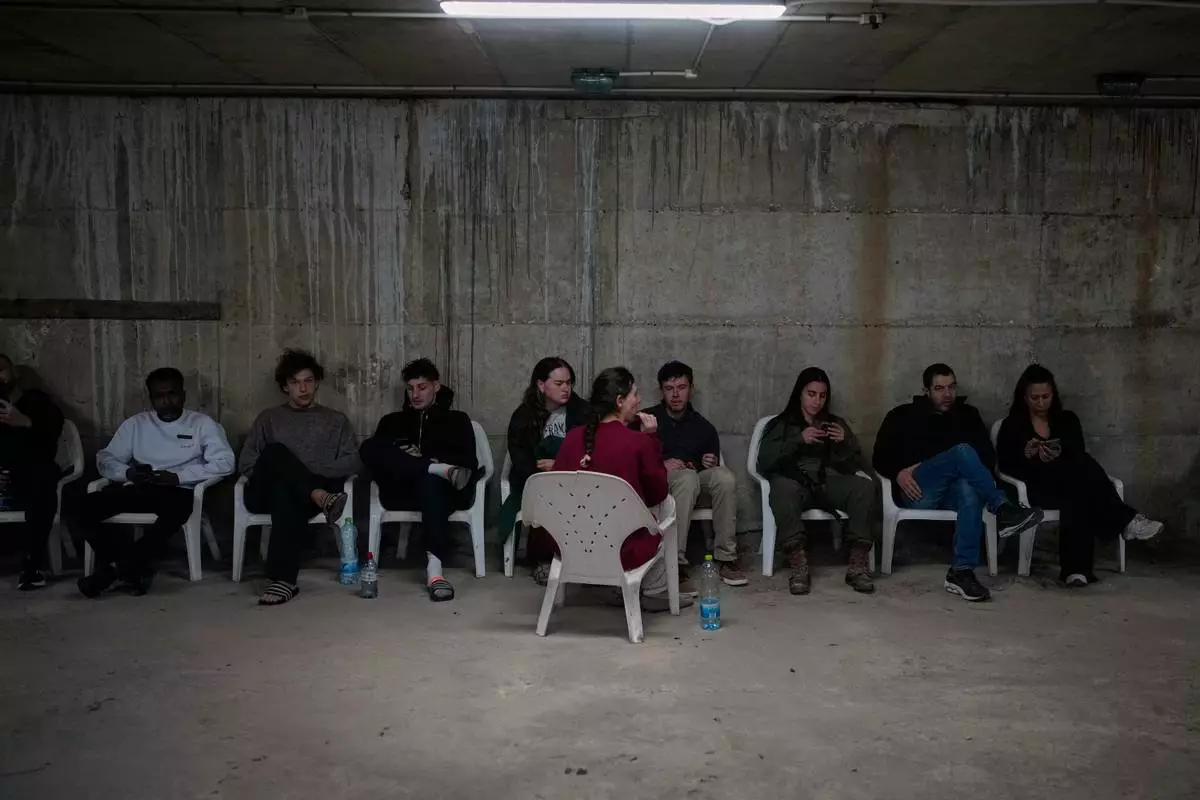
People sits in a shelter after warning sirens sound following Israeli strikes on Iran, in Tel Aviv, Israel, Saturday, Feb. 28, 2026. (AP Photo/Ohad Zwigenberg)
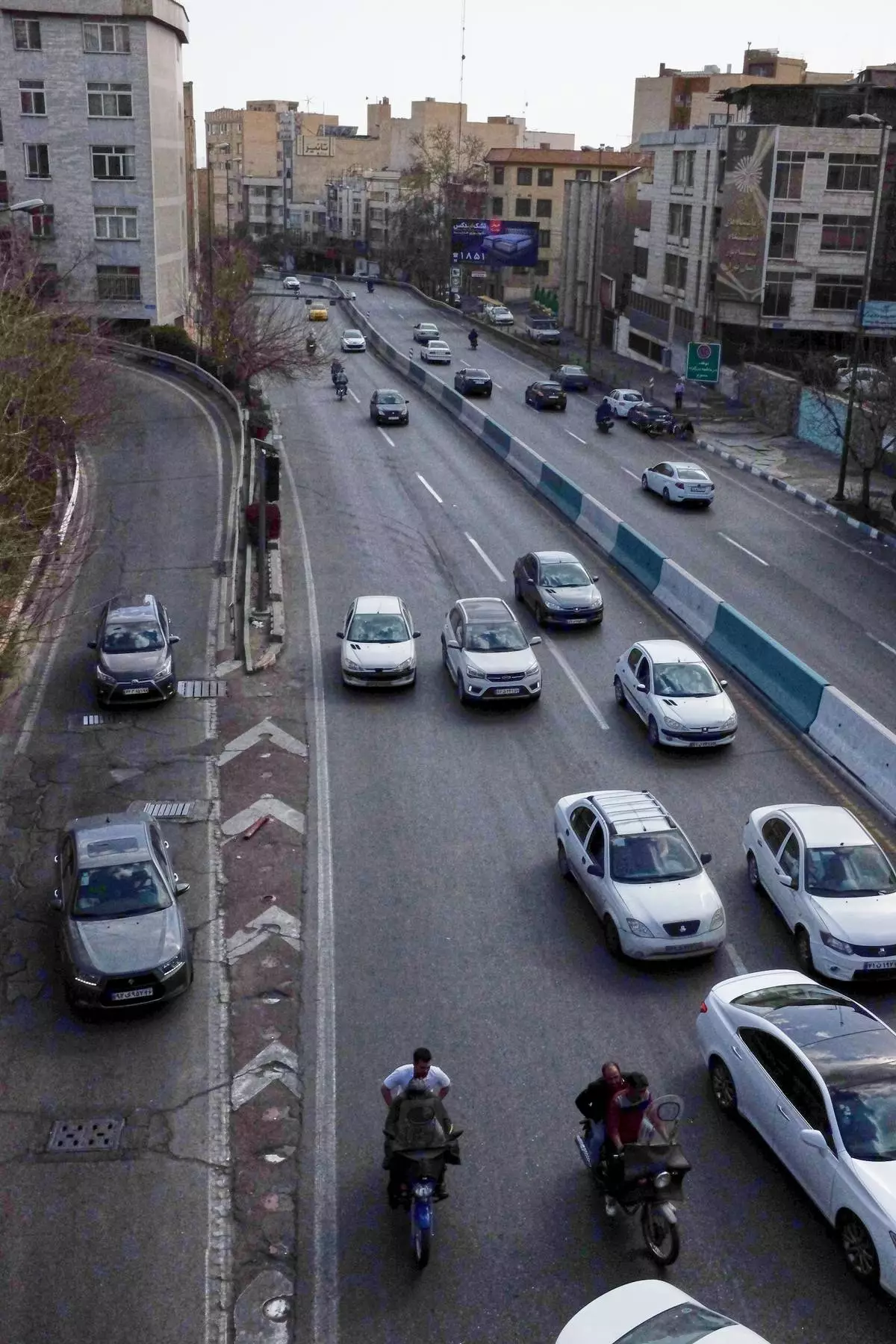
Vehicles drive along a highway following Israeli and U.S. strikes in Tehran, Iran, Saturday, Feb. 28, 2026. (AP Photo/Vahid Salemi)
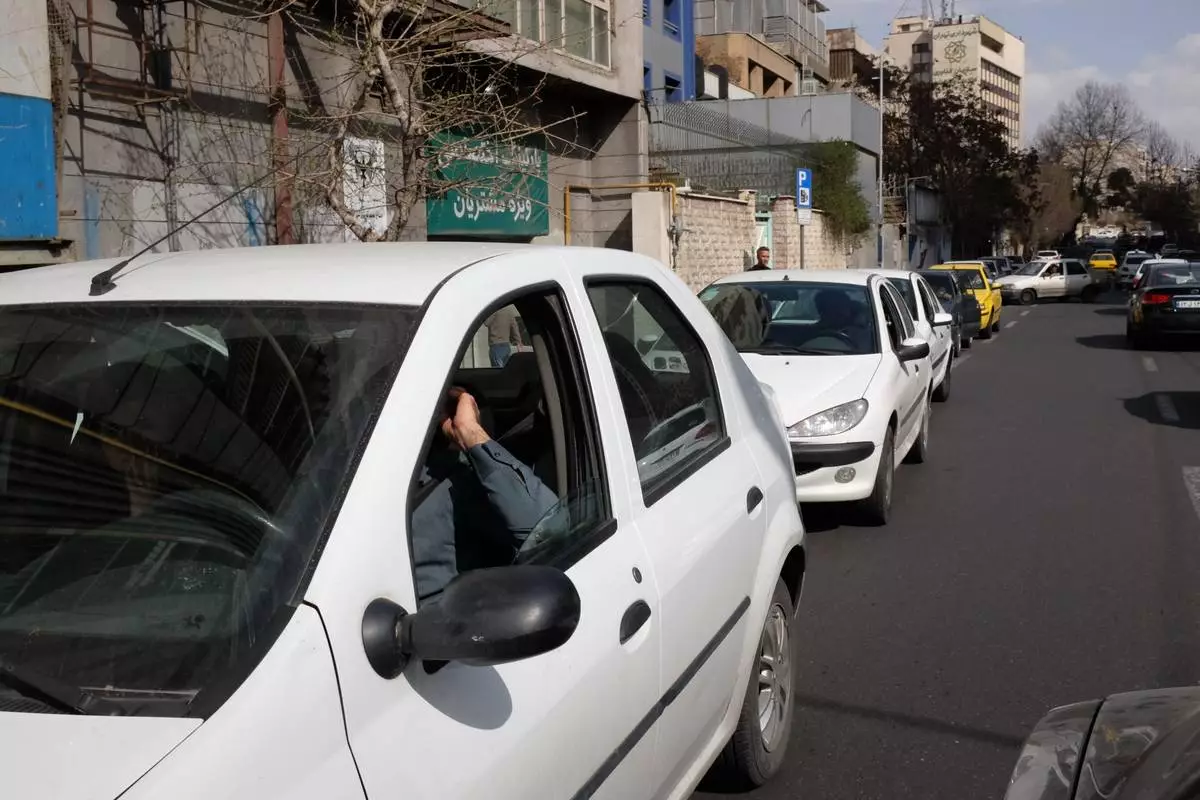
Vehicles queue outside a gas station following Israeli strikes in the city, in Tehran, Iran, Saturday, Feb. 28, 2026. (AP Photo/Vahid Salemi)
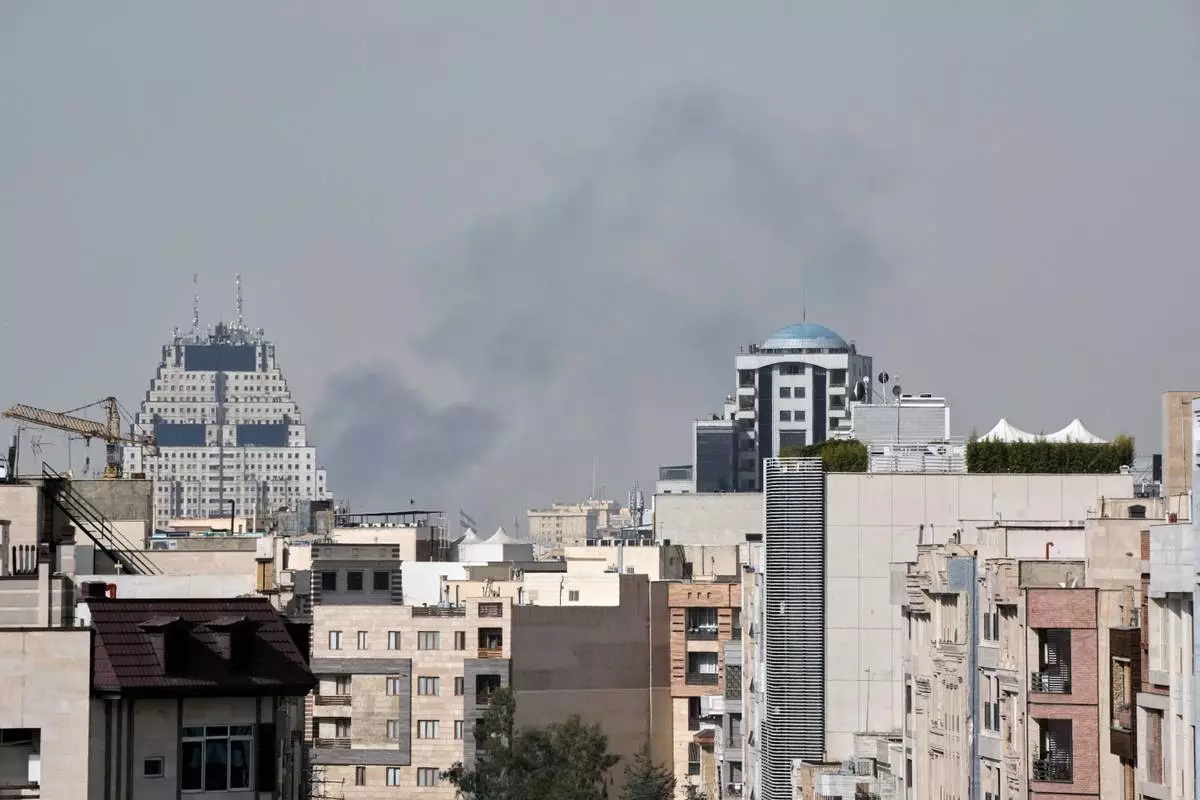
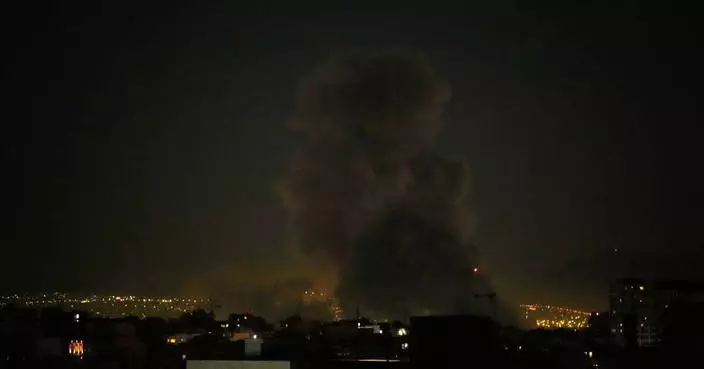
Smoke rises on the skyline after an explosion in Tehran, Iran, Saturday, Feb. 28, 2026.(AP Photo/Vahid Salemi)