Skip to Content Facebook Feature Image

Asian shares are mostly lower as investors focus on the Iran war's impact on energy supplies

News

Asian shares are mostly lower as investors focus on the Iran war's impact on energy supplies
News

News

Asian shares are mostly lower as investors focus on the Iran war's impact on energy supplies

2026-03-03 12:32 Last Updated At:13:55

TOKYO (AP) — Asian shares mostly declined and oil prices surged higher Tuesday as investors eyed risks to the region’s energy supply because of the Iran war.

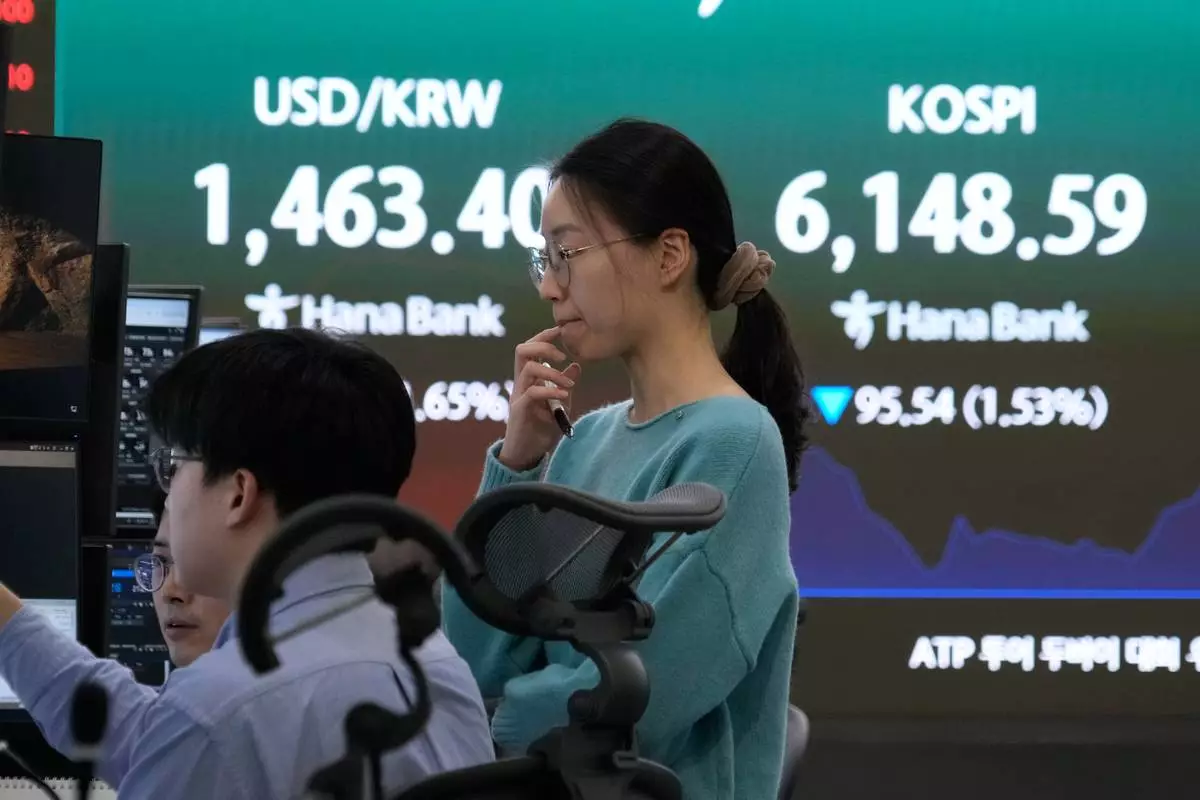
Shares in South Korea sank 4.8% as markets reopened after a holiday on Monday, to 5,946.06.

More Images
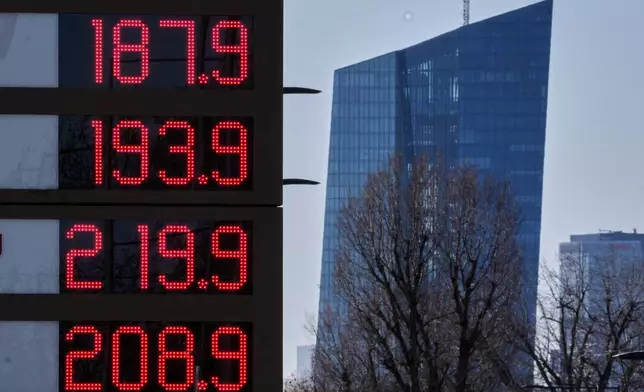
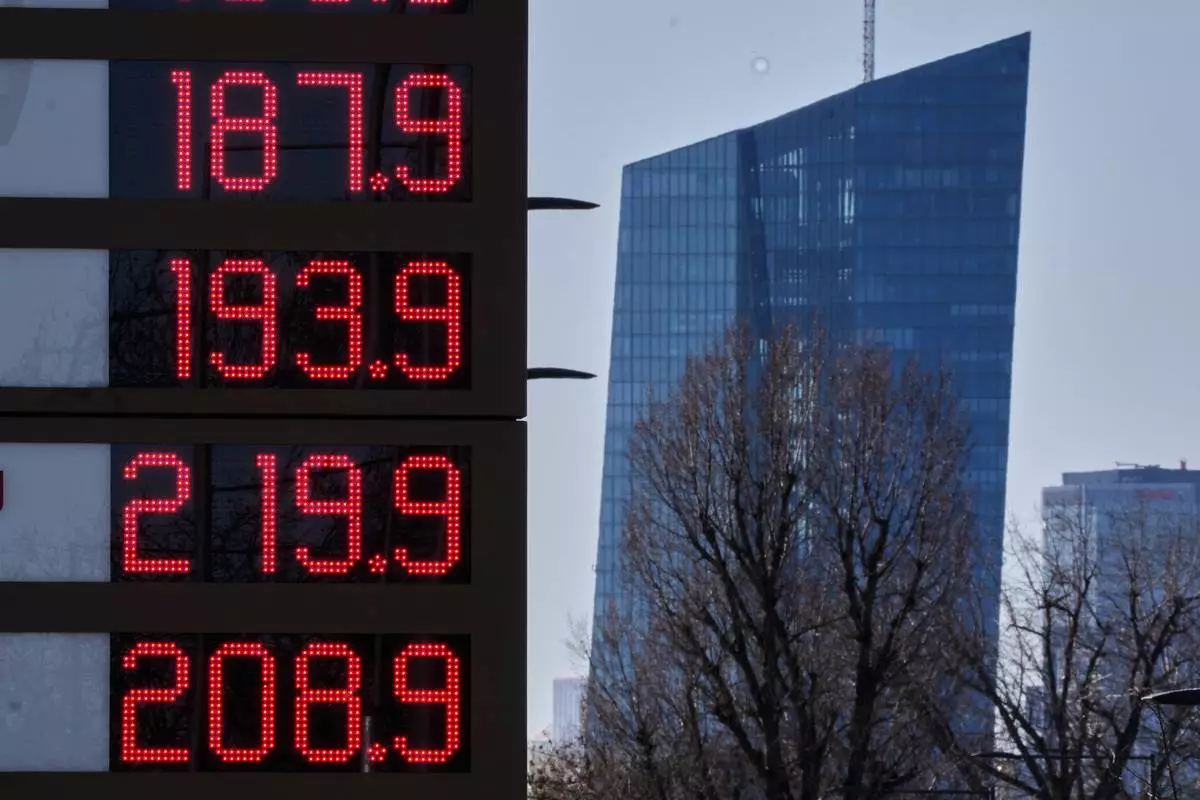
Gas prizes are displayed at a gas station with the European Central Bank in background in Frankfurt, Germany, Monday, March 2, 2026. (AP Photo/Michael Probst)
Gas prizes are displayed at a gas station with the European Central Bank in background in Frankfurt, Germany, Monday, March 2, 2026. (AP Photo/Michael Probst)

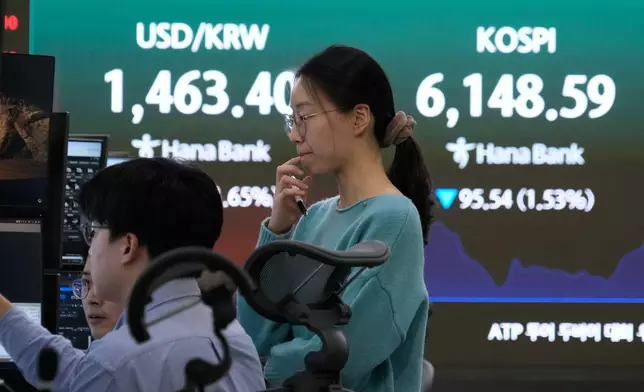
Currency traders watch monitors near a screen showing the Korea Composite Stock Price Index (KOSPI), right, and the foreign exchange rate between U.S. dollar and South Korean won at the foreign exchange dealing room of the Hana Bank headquarters in Seoul, South Korea, Tuesday, March 3, 2026. (AP Photo/Ahn Young-joon)
Currency traders watch monitors near a screen showing the Korea Composite Stock Price Index (KOSPI), right, and the foreign exchange rate between U.S. dollar and South Korean won at the foreign exchange dealing room of the Hana Bank headquarters in Seoul, South Korea, Tuesday, March 3, 2026. (AP Photo/Ahn Young-joon)

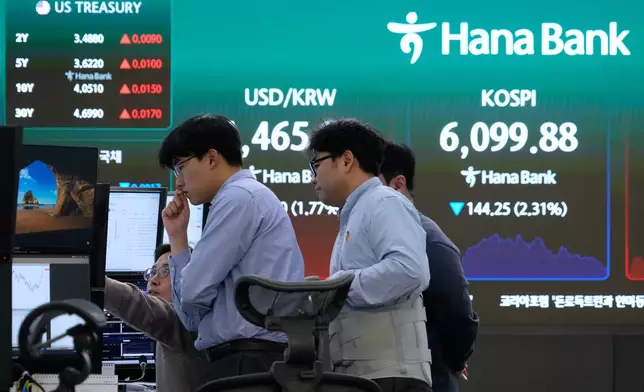
Currency traders watch monitors near a screen showing the Korea Composite Stock Price Index (KOSPI), right, and the foreign exchange rate between U.S. dollar and South Korean won at the foreign exchange dealing room of the Hana Bank headquarters in Seoul, South Korea, Tuesday, March 3, 2026. (AP Photo/Ahn Young-joon)
Currency traders watch monitors near a screen showing the Korea Composite Stock Price Index (KOSPI), right, and the foreign exchange rate between U.S. dollar and South Korean won at the foreign exchange dealing room of the Hana Bank headquarters in Seoul, South Korea, Tuesday, March 3, 2026. (AP Photo/Ahn Young-joon)

Currency traders watch monitors near a screen showing the Korea Composite Stock Price Index (KOSPI) at the foreign exchange dealing room of the Hana Bank headquarters in Seoul, South Korea, Tuesday, March 3, 2026. (AP Photo/Ahn Young-joon)

Currency traders watch monitors near a screen showing the Korea Composite Stock Price Index (KOSPI) at the foreign exchange dealing room of the Hana Bank headquarters in Seoul, South Korea, Tuesday, March 3, 2026. (AP Photo/Ahn Young-joon)

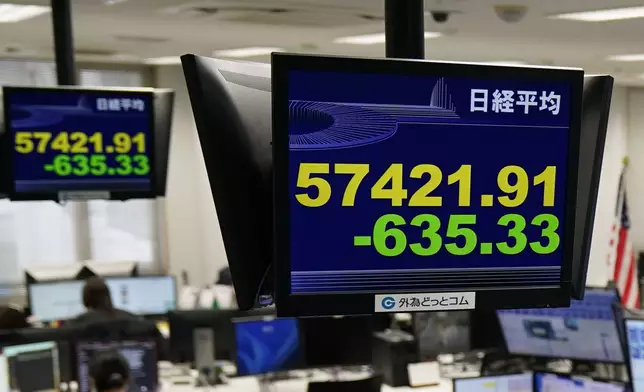
Electronic stock boards show Japan's Nikkei index at a foreign exchange brokerage firm Tuesday, March 3, 2026, in Tokyo.(Kyodo News via AP)
Electronic stock boards show Japan's Nikkei index at a foreign exchange brokerage firm Tuesday, March 3, 2026, in Tokyo.(Kyodo News via AP)

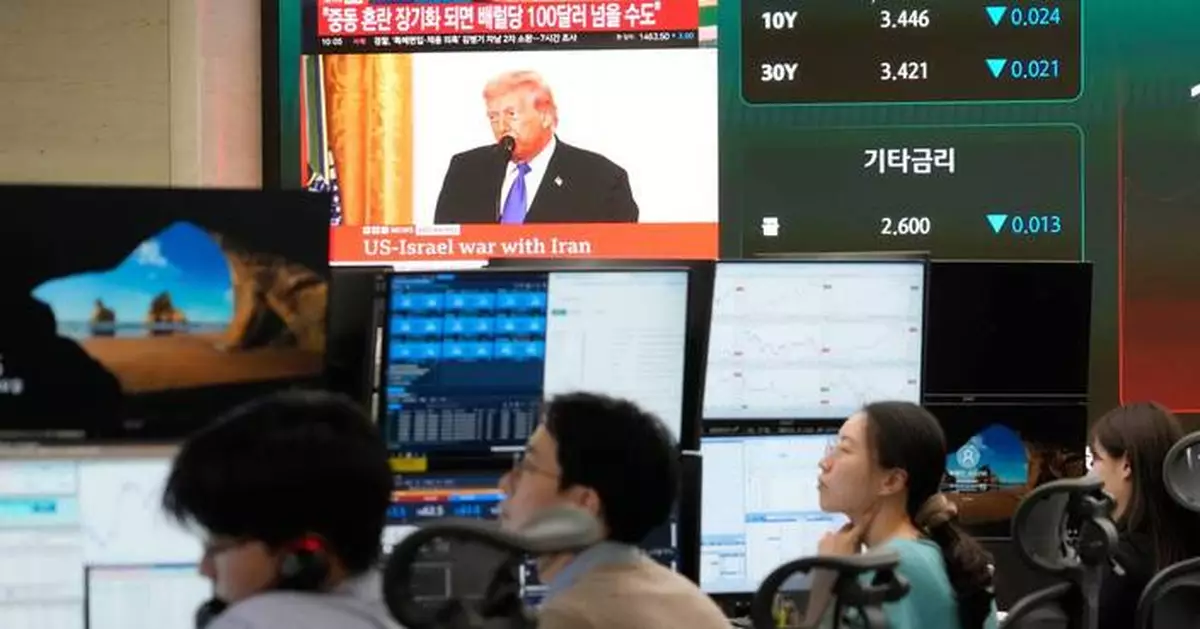
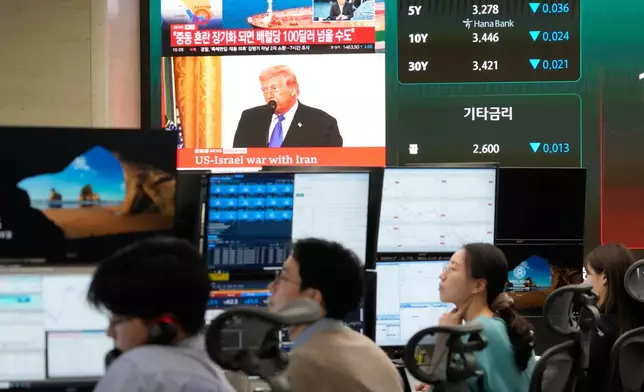
U.S. President Donald Trump is seen on a screen as traders work at the foreign exchange dealing room of the Hana Bank headquarters in Seoul, South Korea, Tuesday, March 3, 2026. (AP Photo/Ahn Young-joon)

U.S. President Donald Trump is seen on a screen as traders work at the foreign exchange dealing room of the Hana Bank headquarters in Seoul, South Korea, Tuesday, March 3, 2026. (AP Photo/Ahn Young-joon)

Benchmark U.S. crude rose 77 cents to $72.00 a barrel. Brent crude, the international standard, added $1.10 to $78.84 a barrel. They jumped Monday then fell back although still at higher levels than before due to worries that the war could clog the global flow of crude.

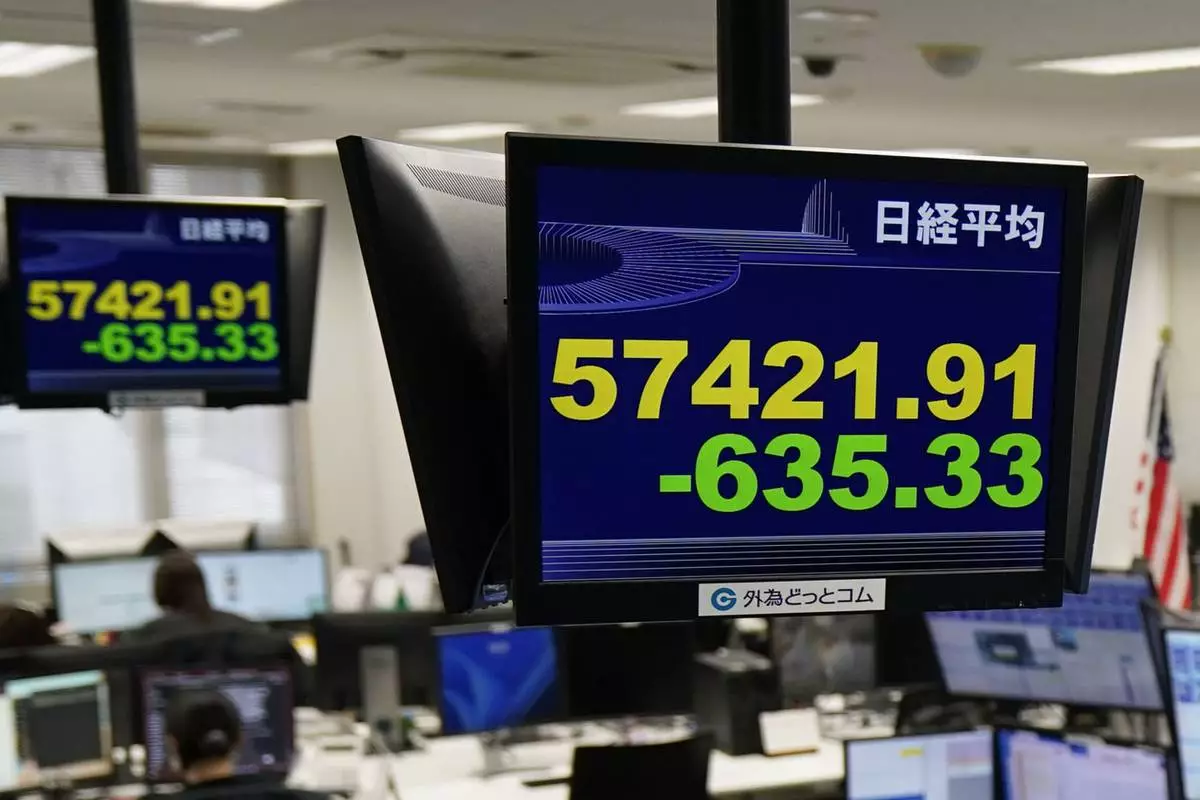
Japan's benchmark Nikkei 225 sank 2.1% to 56,853.48. Like other resource-poor countries in the region, Japan could be especially hit by the lack of access to the Strait of Hormuz since much of its oil and natural gas is shipped through there.

However, analysts say Japan has a sizable stockpile lasting more than 200 days and so the threat is not immediate.

Japanese energy stocks plunged, with Eneos Corp. down nearly 6% and Idemitsu Kosan down nearly 4%. Defense-related issues, which have risen recently on expectations of more military spending by Prime Minister Sanae Takaichi, sank back as traders sold to lock in gains from the day before. Mitsubishi Heavy plunged 5%, and IHI lost 4%.

In the rest of the region, Australia's S&P/ASX 200 lost 1.2% to 9,089.50, while Hong Kong's Hang Seng shed 0.1% to 26,038.29 and the Shanghai Composite index lost 0.3% to 4,170.63.

Stocks of airlines, including American Airlines, United and Delta, were some of Monday’s biggest losers on Wall Street. Higher oil prices threaten their already big fuel bills, the fighting in the Middle East also has closed airports and left travelers stranded.

The losses cascaded in Asia, with ANA stock down 2.4%, while Japan Airlines fell 5.2%, Korean Air declined 8.9% and Qantas Airways lost 2.9%.

The market reactions to the war have been relatively muted. Past military conflicts in the Middle East have not caused long-term drops for U.S. markets. For this war to knock down U.S. stocks in a significant and sustained way, the price of oil would perhaps need to jump above $100 per barrel, according to strategists at Morgan Stanley led by Michael Wilson.

“Since 2000, there have been 22 one-day oil price spikes of more than 10 percent,” said Stephen Innes, managing partner at SPI Asset Management. “In other words, energy shocks do not automatically derail equities unless they are severe and sustained. The market is well aware of that playbook.”

On Monday, the S&P 500 fell as much as 1.2% but finished with a gain of less than 0.1%, at 6,881.62. The Dow Jones Industrial Average dipped 0.1% to 48,904.78, and the Nasdaq composite rose 0.4% to 22,748.86. Both also recovered from steep early losses.

Gold climbed 1.2% as investors looked for safer things to own and as U.S. officials tried to persuade the world that this war will not last forever.

Helping the U.S. stock market to bounce back from its early losses were oil companies, which benefited from the rising price of crude. Exxon Mobil climbed 1.1%, and Marathon Petroleum rose 5.9%.

Companies that make equipment for the military also strengthened. Northrop Grumman climbed 5.9%, and RTX rallied 4.7%. Palantir Technologies, whose software helps global defense agencies and other customers, jumped 5.8%. Big Tech stocks also rose. Nvidia rose 2.9% and was the strongest single force pushing the S&P 500 higher.

In the bond market, the yield on the 10-year Treasury rose to 4.04% from 3.97% late Friday. A report showing growth for U.S. manufacturing was better last month than economists expected also helped to lift yields.

In currency trading, the U.S. dollar slipped to 157.32 Japanese yen from 157.47 yen. The euro cost $1.1693, inching up from $1.1690.

AP Business Writer Stan Choe contributed.

Yuri Kageyama is on Threads: https://www.threads.com/@yurikageyama
Gas prizes are displayed at a gas station with the European Central Bank in background in Frankfurt, Germany, Monday, March 2, 2026. (AP Photo/Michael Probst)
Gas prizes are displayed at a gas station with the European Central Bank in background in Frankfurt, Germany, Monday, March 2, 2026. (AP Photo/Michael Probst)

Currency traders watch monitors near a screen showing the Korea Composite Stock Price Index (KOSPI), right, and the foreign exchange rate between U.S. dollar and South Korean won at the foreign exchange dealing room of the Hana Bank headquarters in Seoul, South Korea, Tuesday, March 3, 2026. (AP Photo/Ahn Young-joon)
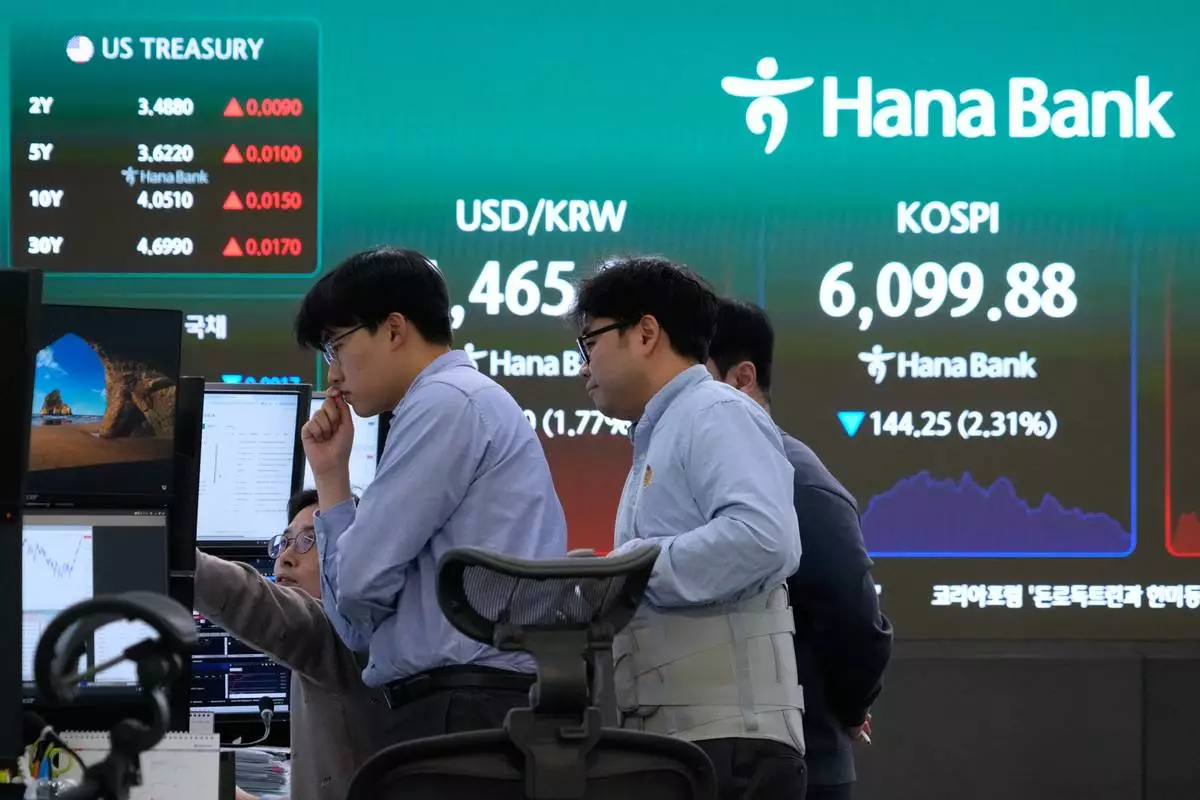
Currency traders watch monitors near a screen showing the Korea Composite Stock Price Index (KOSPI), right, and the foreign exchange rate between U.S. dollar and South Korean won at the foreign exchange dealing room of the Hana Bank headquarters in Seoul, South Korea, Tuesday, March 3, 2026. (AP Photo/Ahn Young-joon)

Currency traders watch monitors near a screen showing the Korea Composite Stock Price Index (KOSPI), right, and the foreign exchange rate between U.S. dollar and South Korean won at the foreign exchange dealing room of the Hana Bank headquarters in Seoul, South Korea, Tuesday, March 3, 2026. (AP Photo/Ahn Young-joon)
Currency traders watch monitors near a screen showing the Korea Composite Stock Price Index (KOSPI), right, and the foreign exchange rate between U.S. dollar and South Korean won at the foreign exchange dealing room of the Hana Bank headquarters in Seoul, South Korea, Tuesday, March 3, 2026. (AP Photo/Ahn Young-joon)

Currency traders watch monitors near a screen showing the Korea Composite Stock Price Index (KOSPI) at the foreign exchange dealing room of the Hana Bank headquarters in Seoul, South Korea, Tuesday, March 3, 2026. (AP Photo/Ahn Young-joon)

Currency traders watch monitors near a screen showing the Korea Composite Stock Price Index (KOSPI) at the foreign exchange dealing room of the Hana Bank headquarters in Seoul, South Korea, Tuesday, March 3, 2026. (AP Photo/Ahn Young-joon)

Electronic stock boards show Japan's Nikkei index at a foreign exchange brokerage firm Tuesday, March 3, 2026, in Tokyo.(Kyodo News via AP)
Electronic stock boards show Japan's Nikkei index at a foreign exchange brokerage firm Tuesday, March 3, 2026, in Tokyo.(Kyodo News via AP)

U.S. President Donald Trump is seen on a screen as traders work at the foreign exchange dealing room of the Hana Bank headquarters in Seoul, South Korea, Tuesday, March 3, 2026. (AP Photo/Ahn Young-joon)
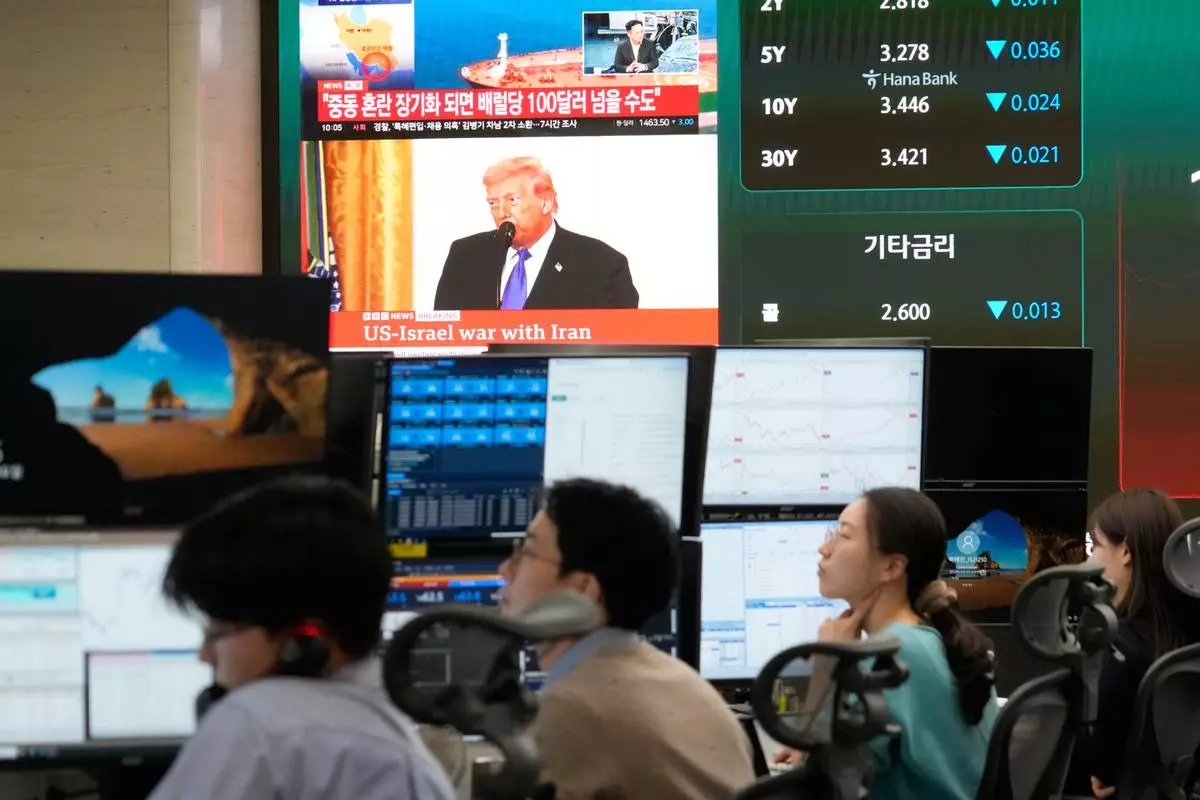
U.S. President Donald Trump is seen on a screen as traders work at the foreign exchange dealing room of the Hana Bank headquarters in Seoul, South Korea, Tuesday, March 3, 2026. (AP Photo/Ahn Young-joon)
As the war in the Middle East intensifies, U.S. President Donald Trump said that the U.S. has “the capability to go far longer" than its projected four-to-five-week time frame for its military operations against Iran.

Across Tehran, the sound of explosions rang out through the night and into the early morning hours Tuesday, as the U.S. and Israel have continued to pound Iran since killing its Supreme Leader Ayatollah Ali Khamenei on Saturday.

Tehran and its allies have hit back against Israel, neighboring Gulf states, and targets critical to the world’s production of oil and natural gas.

The intensity of the attacks and the lack of any apparent exit plan set the stage for a prolonged conflict with far-reaching consequences. Israel and the U.S. have given conflicting answers about what exactly the war’s objectives are or what the endgame might be.

Israeli Prime Minister Benjamin Netanyahu late Monday defended the decision to go to war, contending in an interview on Fox News Channel’s "Hannity" that Iran was rebuilding “new sites, new places” that would make “their ballistic missile program and their atomic bomb program immune within months,” without providing evidence.

Satellite photos analyzed by The Associated Press showed limited activity at two nuclear sites in Iran before the war, with analysts saying it was likely Tehran was trying to assess damage from American strikes in June and possibly salvage what remained there.

Here is the latest:

The U.S. State Department on Tuesday ordered the evacuation of non-emergency personnel and family in Bahrain and Jordan.

The State Department announcement online said the decision came “due to safety risks.” The department has urged Americans across the Mideast to leave over the ongoing war with Iran.

The U.S. Embassy in Saudi Arabia acknowledged coming under attack from Iranian drones Tuesday and urged Americans to avoid the diplomatic post for the time being.

The Saudi Defense Ministry earlier Tuesday said the embassy was attacked by two drones.

Across Iran’s capital, the sound of explosions rang out throughout the night into the early morning hours.

Witnesses described hearing aircraft overhead as well.

It wasn’t immediately clear what had been hit.

Iranian state television early Tuesday read a statement from the country’s paramilitary Revolutionary Guard, saying that it launched a missile and drone attack targeting an air base in Bahrain.

Israeli airstrikes hit the Lebanese capital Tuesday morning.

The Israeli military said it was targeting “Hezbollah command centers and weapons storage facilities in Beirut.”

Hezbollah also said it launched drones targeting an Israeli air base.

The Israeli military said it downed two drones.

Tokyo has told Japanese shipowners to have their ships stay away from the Persian Gulf to ensure the safety of their crew members.

Chief Cabinet Secretary Minoru Kihara told reporters Tuesday that the Transport Ministry has notified the Japanese Shipowners’ Association to do the utmost to protect crews on board the ships in the region.

Kihara said those already in the Gulf are urged to lie at anchor where it is safe to do so.

On Monday, Japan’s Foreign Minister Toshimitsu Motegi met with Iranian ambassador to Japan Peiman Seadat and conveyed Japan’s consistent stance that Iran must stop attacks on neighboring countries and other actions destabilizing the region.

Motegi also noted the importance of ensuring safety in the Strait of Hormuz, which is key to Japan’s energy security.

Iran’s top diplomat early Tuesday sought to turn the tables on the United States, describing it as entering “a war of choice on behalf of Israel.”

After Trump urged Iranians to take over their government, Foreign Minister Abbas Araghchi made the same call to Americans.

“Shedding of both American and Iranian blood is thus on Israel Firsters,” Araghchi wrote on X. “American people deserve better and should take back their country.”

This partially redacted image from video provided by U.S. Central Command shows a complex of structures in Iran being struck by missiles fired by U.S. forces on Sunday, March 1, 2026. (U.S. Central Command via AP)

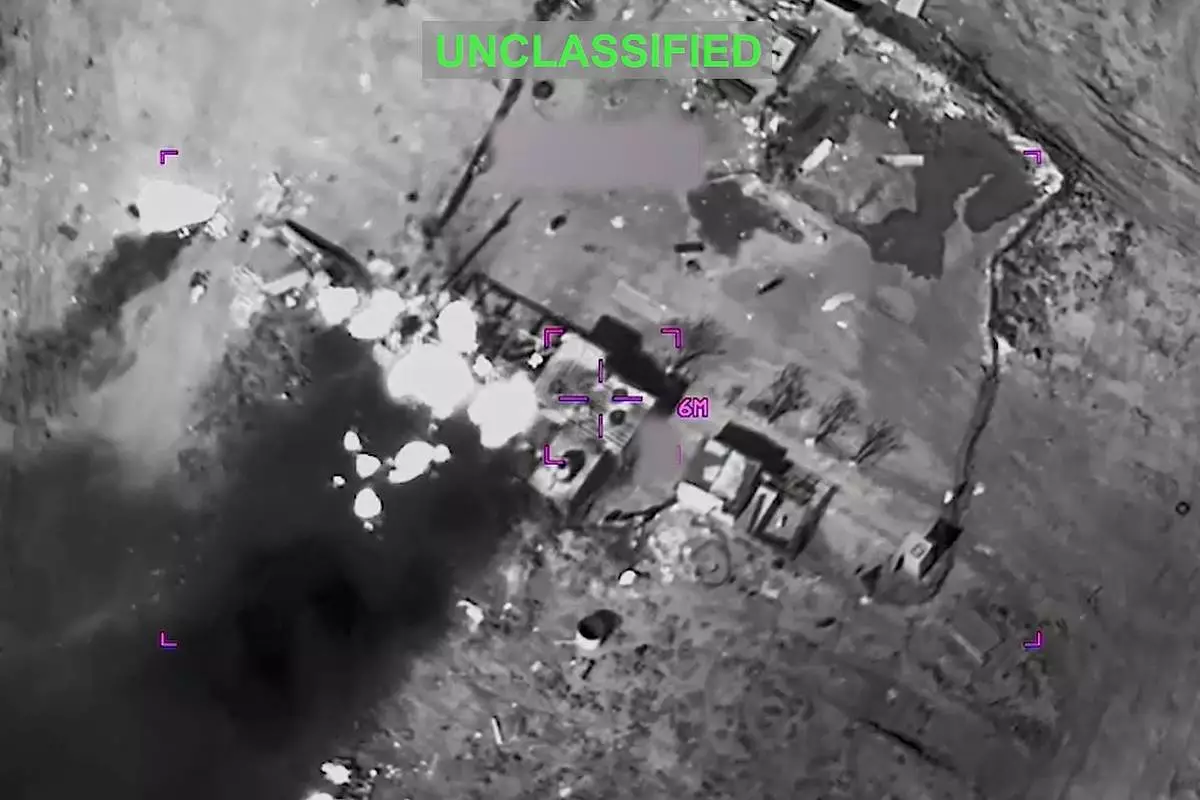
This partially redacted image from video provided by U.S. Central Command shows a complex of structures in Iran being struck by missiles fired by U.S. forces on Sunday, March 1, 2026. (U.S. Central Command via AP)

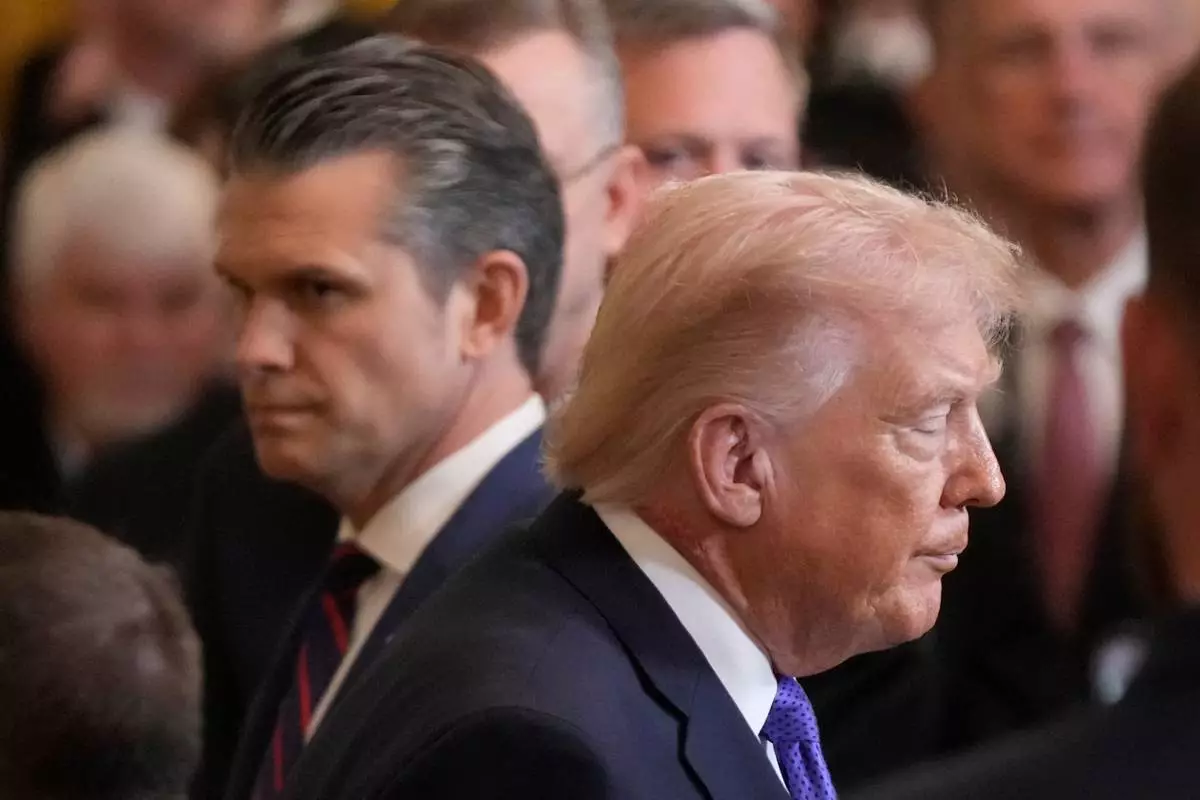
President Donald Trump walks past Defense Secretary Pete Hegseth as he exist the East Room of the White House following the Medal of Honor ceremony, Monday, March 2, 2026, in Washington. (AP Photo/Mark Schiefelbein)

President Donald Trump walks past Defense Secretary Pete Hegseth as he exist the East Room of the White House following the Medal of Honor ceremony, Monday, March 2, 2026, in Washington. (AP Photo/Mark Schiefelbein)

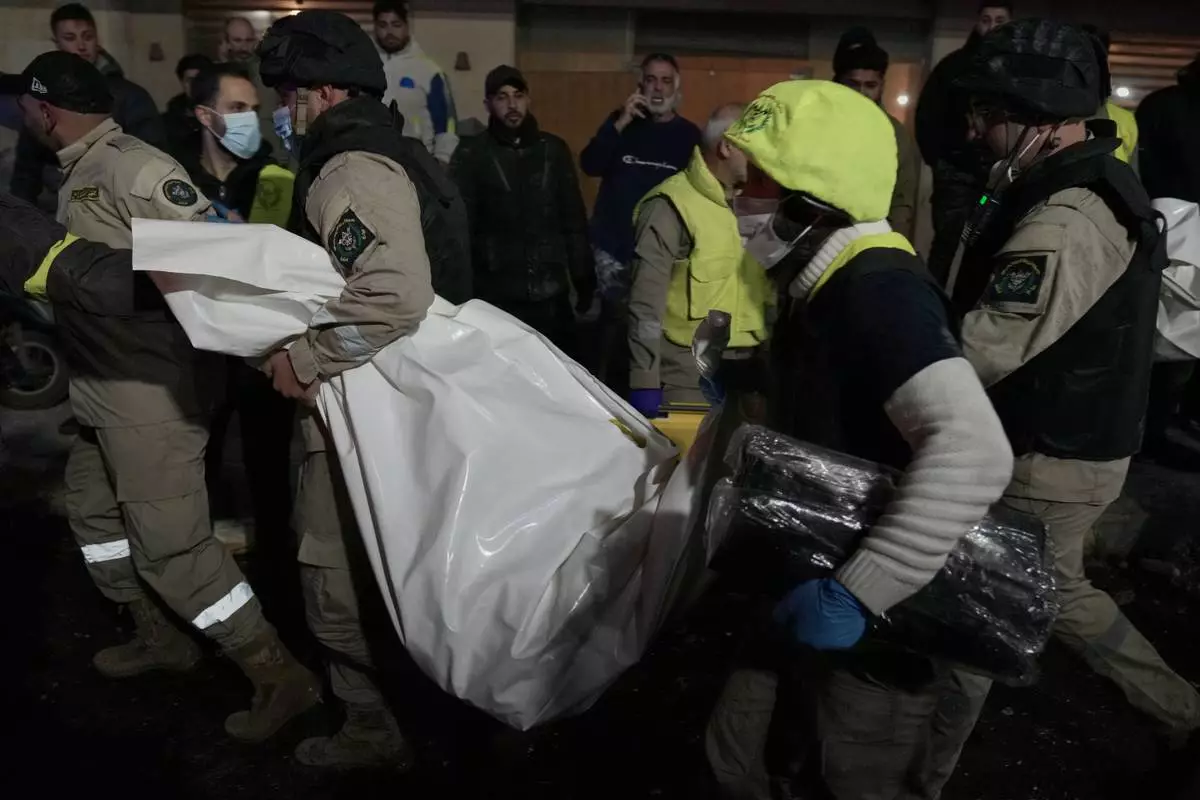
Rescue workers carry a dead body in a plastic bag from a building that was hit by Israeli strike, in Jnah neighborhood, south of Beirut, Lebanon, Monday, March 2, 2026. (AP Photo/Hussein Malla)

Rescue workers carry a dead body in a plastic bag from a building that was hit by Israeli strike, in Jnah neighborhood, south of Beirut, Lebanon, Monday, March 2, 2026. (AP Photo/Hussein Malla)

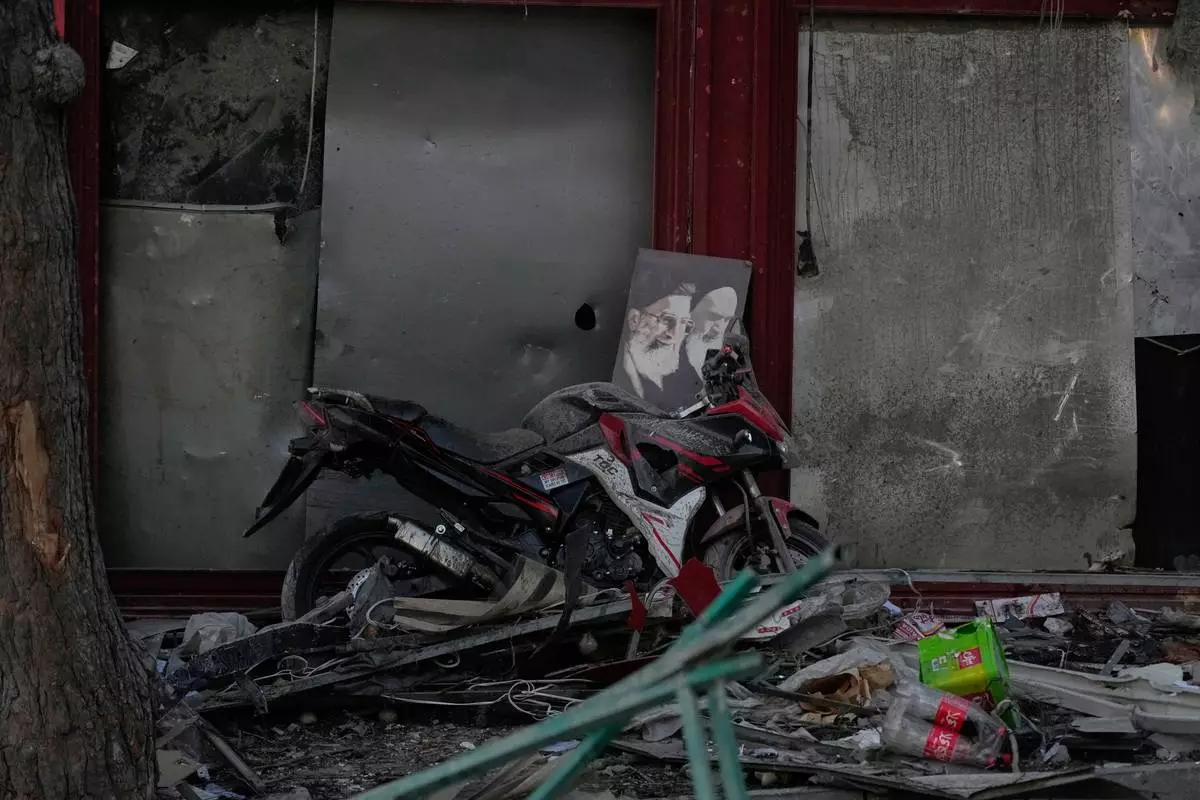
A poster of the late Supreme Leader Ayatollah Ali Khamenei, who was killed during the ongoing joint U.S.-Israeli military campaign, and the late Iranian Revolutionary founder Ayatollah Khomeini, right, lays on a motorcycle amid debris left by a strike in Tehran, Iran, Monday, March 2, 2026. (AP Photo/Vahid Salemi)

A poster of the late Supreme Leader Ayatollah Ali Khamenei, who was killed during the ongoing joint U.S.-Israeli military campaign, and the late Iranian Revolutionary founder Ayatollah Khomeini, right, lays on a motorcycle amid debris left by a strike in Tehran, Iran, Monday, March 2, 2026. (AP Photo/Vahid Salemi)

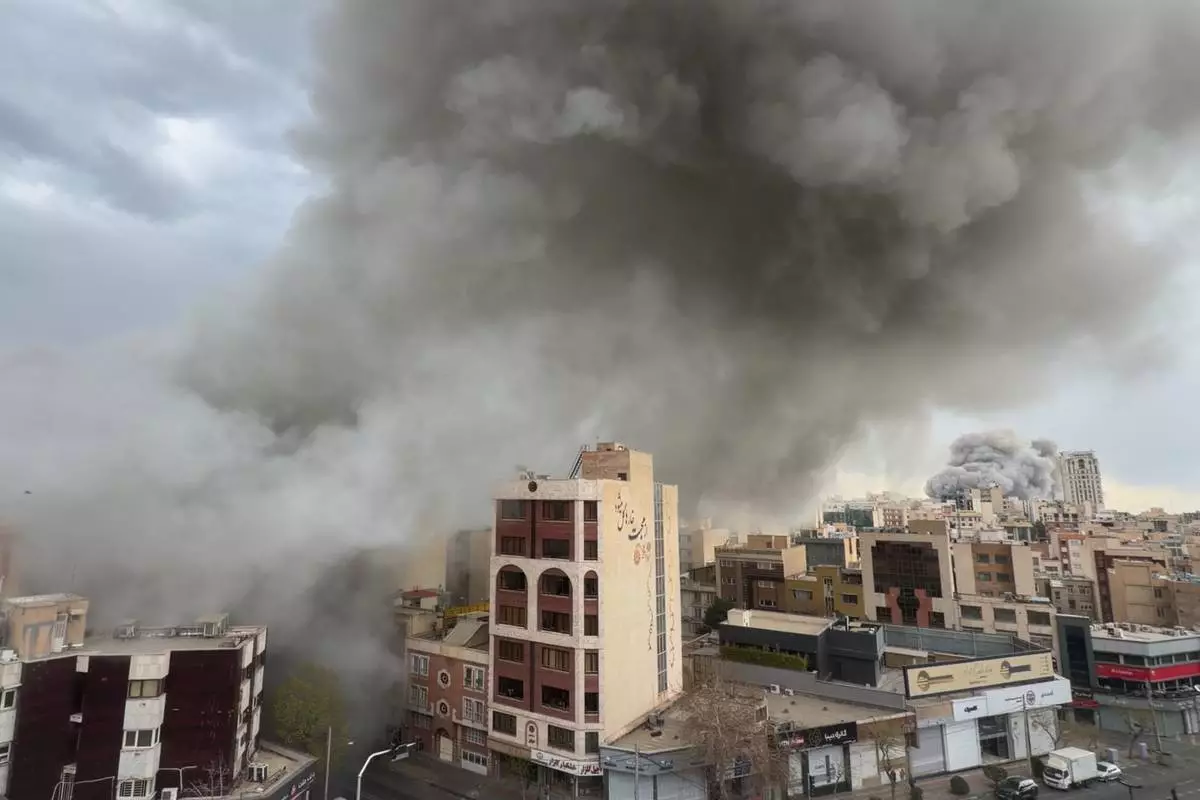
Plumes of smoke from two simultaneous strikes rise over Tehran, Iran, Monday, March 2, 2026. (AP Photo/Mohsen Ganji)

Plumes of smoke from two simultaneous strikes rise over Tehran, Iran, Monday, March 2, 2026. (AP Photo/Mohsen Ganji)

Recommended Articles