SHIPLEY, England--(BUSINESS WIRE)--Mar 3, 2026--
Teledyne Microwave UK, part of Teledyne Technologies Incorporated (NYSE:TDY), has announced the release of its new Wideband Limiter, a passive 0.1–20 GHz RF protection module designed to enhance the survivability of Radar Electronic Support Measures (R-ESM) and wider Electronic Warfare (EW) systems operating in increasingly complex threat environments.
This press release features multimedia. View the full release here: https://www.businesswire.com/news/home/20260303232589/en/
Developed to address the growing impact of high-power RF and emerging Directed Energy Weapon (DEW) threats, the Wideband Limiter provides an always-on layer of protection for sensitive receiver electronics. While R-ESM platforms are inherently passive, future threat evolution continues to place greater demands on front-end resilience. The limiter acts as a strategic safeguard by restricting harmful RF energy before it reaches critical hardware.
The module delivers wideband passive protection without compromising system sensitivity or coverage. With its compact, SMA-based housing, it integrates cleanly into existing architectures and requires no system redesign. It is also fully compatible with Teledyne’s Phobos MTU (Mast Top Unit) and can accommodate additional RF elements such as filters when required.
By absorbing excessive RF energy before it enters the system, the Wideband Limiter helps reduce the risk of damage to high-value electronics. This supports lower repair frequency, avoids long-lead component replacements and minimises downtime following high-power events, key factors for maintaining operational readiness in mission-critical environments.
Designed for future threat landscapes, the Wideband Limiter provides scalable protection for a wide range of modern EW and intelligence platforms, ensuring robustness without affecting overall system behaviour or capability. “As threat environments evolve, system survivability depends more than ever on resilient front-end protection,” said John Toner, Senior Vice President & General Manager, Teledyne Aerospace & Defence Electronics UK. “Our new Wideband Limiter delivers the wideband coverage, low insertion impact, and compact form factor our customers need to keep their systems mission-ready in the face of increasingly sophisticated RF and DEW challenges.”
Availability
The Wideband Limiter is now available for integration evaluation across defence and electronic warfare applications. Full technical specifications and product information can be found on the Teledyne Microwave UK website or by contacting TMUK_Sales@teledyne.com.
ABOUT TELEDYNE MICROWAVE UK
An integral part of the Teledyne Aerospace & Defense Electronics segment, Teledyne Microwave UK is a leading provider of advanced RF & Microwave radar detection and protection solutions, delivering mission-critical capabilities to defence and security customers worldwide. For more information, visit www.TeledyneMicrowaveUK.com.
ABOUT TELEDYNE AEROSPACE & DEFENSE ELECTRONICS
Teledyne Aerospace & Defense Electronics offers a comprehensive portfolio of highly engineered solutions that meet the most demanding requirements, in the harshest environments. Manufacturing both custom and off-the-shelf product offerings, our diverse product lines meet the current and emerging needs of key applications for avionics, energetics, electronic warfare, missiles, radar and surveillance, satellite communications, air and space, and test and measurement. For more information, visit www.TeledyneADE.com.
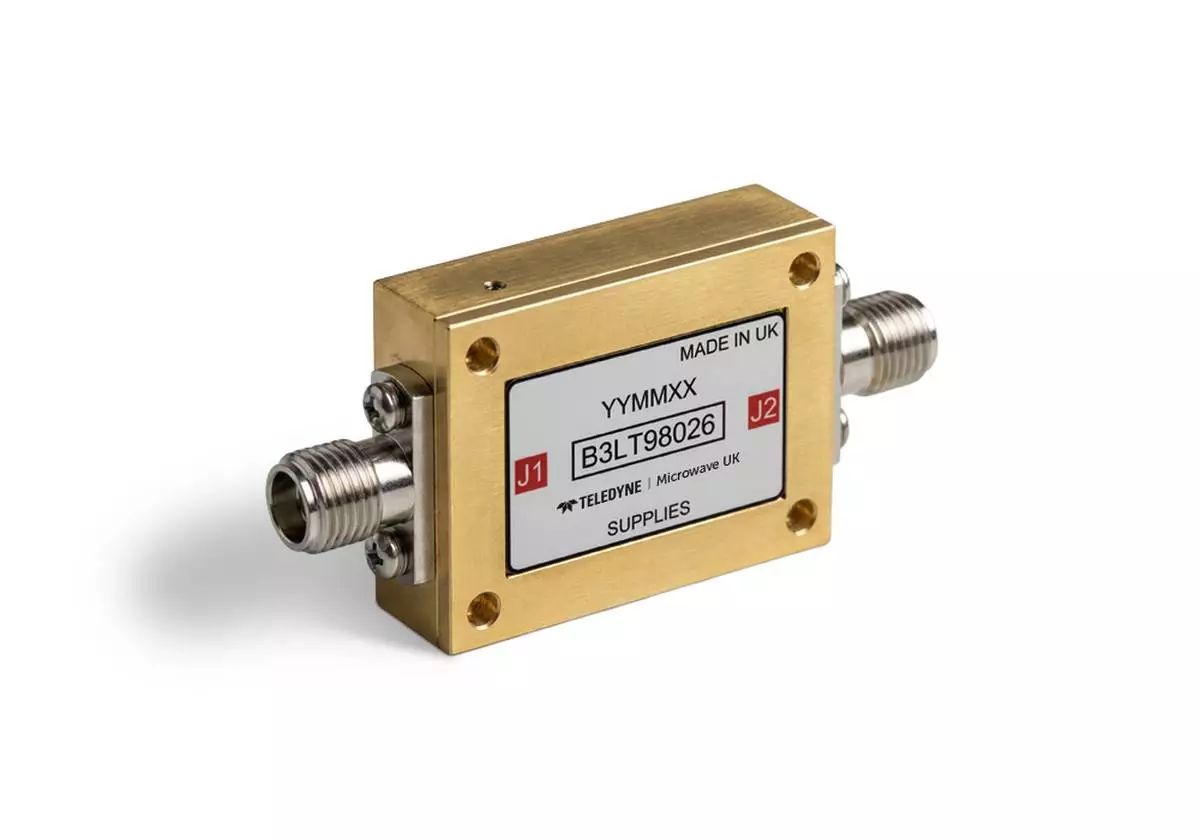
Passive Wideband Limiter protecting against high-power pulsed and continuous wave RF signals
HELSINGBORG, Sweden (AP) — NATO allies and defense officials expressed bewilderment Friday at U.S. President Donald Trump’s announcement that he would send 5,000 U.S. troops to Poland just weeks after ordering the same number of forces pulled out of Europe.
The apparent change of mind came after weeks of statements from Trump and his administration about reducing — not increasing — the U.S. military footprint in Europe. Trump's initial order set off a flurry of action among military commanders and left allies already doubtful about America's commitment to Europe's security to ponder what forces they might have to backfill on NATO's eastern flank with Russia and Ukraine.
Earlier this month, the Trump administration said it was reducing levels in Europe by about 5,000 troops, and U.S. officials confirmed about 4,000 service members were no longer rotating into Poland from Germany. The dispatch to Germany of U.S. personnel trained to fire long-range missiles was also halted.
But in a post on Truth Social on Thursday, Trump said he would now send "an additional 5,000 Troops to Poland,” citing his strong ties with Polish President Karol Nawrocki, whom Trump endorsed in elections last year.
“It is confusing indeed, and not always easy to navigate,” Swedish Foreign Minister Maria Malmer Stenergard told reporters Friday at a meeting she was hosting of her NATO counterparts, including U.S. Secretary of State Marco Rubio.
Ministers from the Netherlands and Norway were sanguine about Trump’s latest move, as was Latvian Foreign Minister Baiba Braže, who said allies knew the U.S. troop “posture was being reconsidered, and now there is no change of posture. For now.”
U.S. defense officials also expressed confusion. “We just spent the better part of two weeks reacting to the first announcement. We don’t know what this means either,” said one of two officials who spoke on condition of anonymity to discuss sensitive military matters.
But Rubio said Washington’s allies understand that changes in the U.S. troop presence in Europe will come as the Trump administration reevaluates its force needs. “I think there’s a broad recognition that there are going to be eventually less U.S. troops in Europe than there has historically been for a variety of reasons,” he said.
The latest surprise came despite a U.S. pledge to coordinate troop deployments, including one from NATO’s top military officer, U.S. Lt. Gen. Alex Grynkewich, on Wednesday.
Trump's initial announcement that he would withdraw troops came as he fumed over remarks by German Chancellor Friedrich Merz, who said that the U.S. was being “humiliated” by the Iranian leadership and criticized what he called a lack of strategy in that war.
Trump told reporters that the U.S. would be cutting even more than 5,000 and also announced new tariffs on European cars. Germany is the continent’s biggest auto producer.
Rubio insisted that Trump’s decision “is not a punitive thing. It’s just something that’s ongoing.”
About 80,000 U.S. troops are stationed in Europe. The Pentagon is required to keep at least 76,000 troops and major equipment on the continent unless NATO allies are consulted and there is a determination that such a withdrawal is in U.S. interests.
The withdrawal of 5,000 troops might drop numbers below that limit.
But Trump's latest post suggests that troop numbers in Europe would not change. Polish Foreign Minister Radek Sikorski welcomed the decision to send more forces to his country, saying it ensures that “the presence of American troops in Poland will be maintained more or less at previous levels.”
NATO Secretary-General Mark Rutte also welcomed the move. On Thursday, before Trump took to Truth Social again, Rutte had underlined that it was important for Europe to take care of its own security. “We have a process in place. This is normal business,” he told reporters.
At NATO headquarters in Brussels, meanwhile, U.S. officials briefed the allies on the Pentagon's aims for its commitments to the NATO Force Model, which involves contingency planning for Europe’s defense in the event of serious security concerns. It was widely expected that a further reduction of U.S. forces would be coming.
Asked whether any cuts were announced, Rutte said: “I’m afraid it’s much more complicated than that.” He said the procedure “is highly classified” and declined to give details.
Rubio played down concerns about a shift in U.S. force levels in Europe, saying: "Every country has to constantly reevaluate what their needs are, what their commitments are around the world, and how to properly structure that.”
Cook reported from Brussels. Associated Press writer Emma Burrows in London contributed.
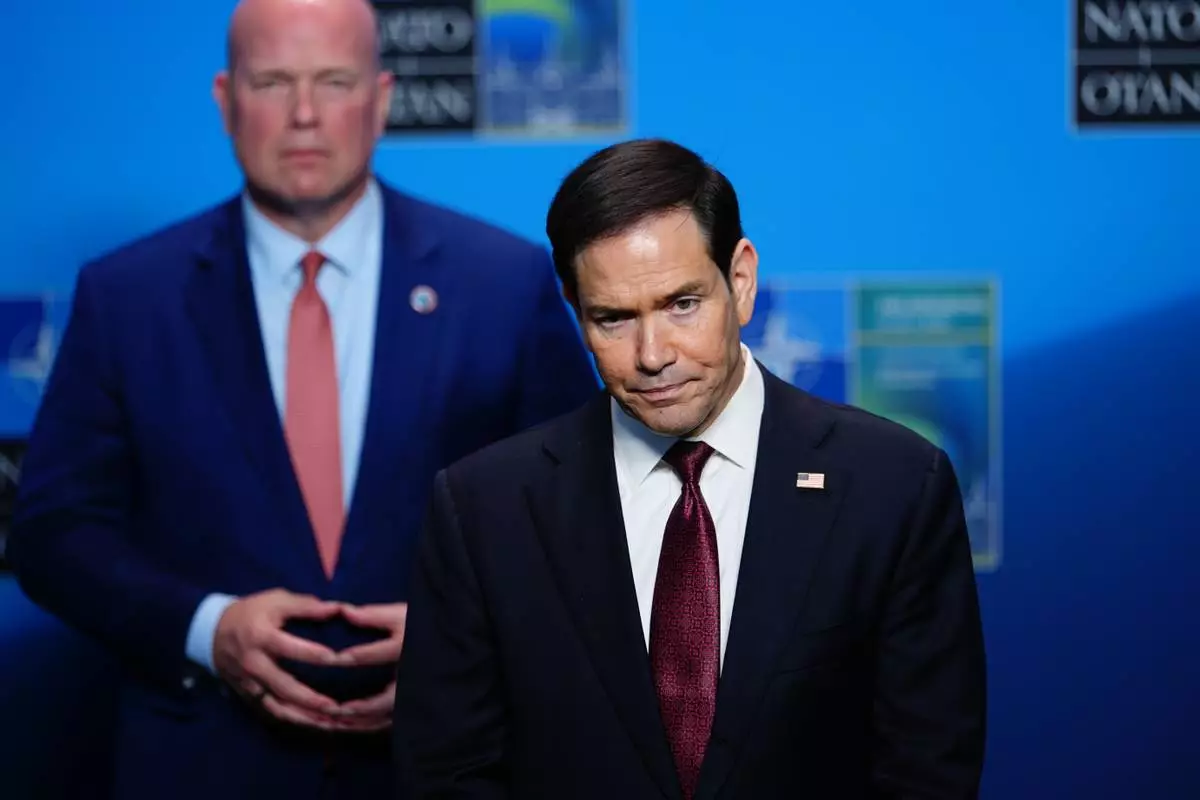
United States Secretary of State Marco Rubio speaks with journalists during a meeting of NATO foreign ministers in Helsingborg, Sweden, Friday, May 22, 2026. (AP Photo/Julia Demaree Nikhinson, Pool)
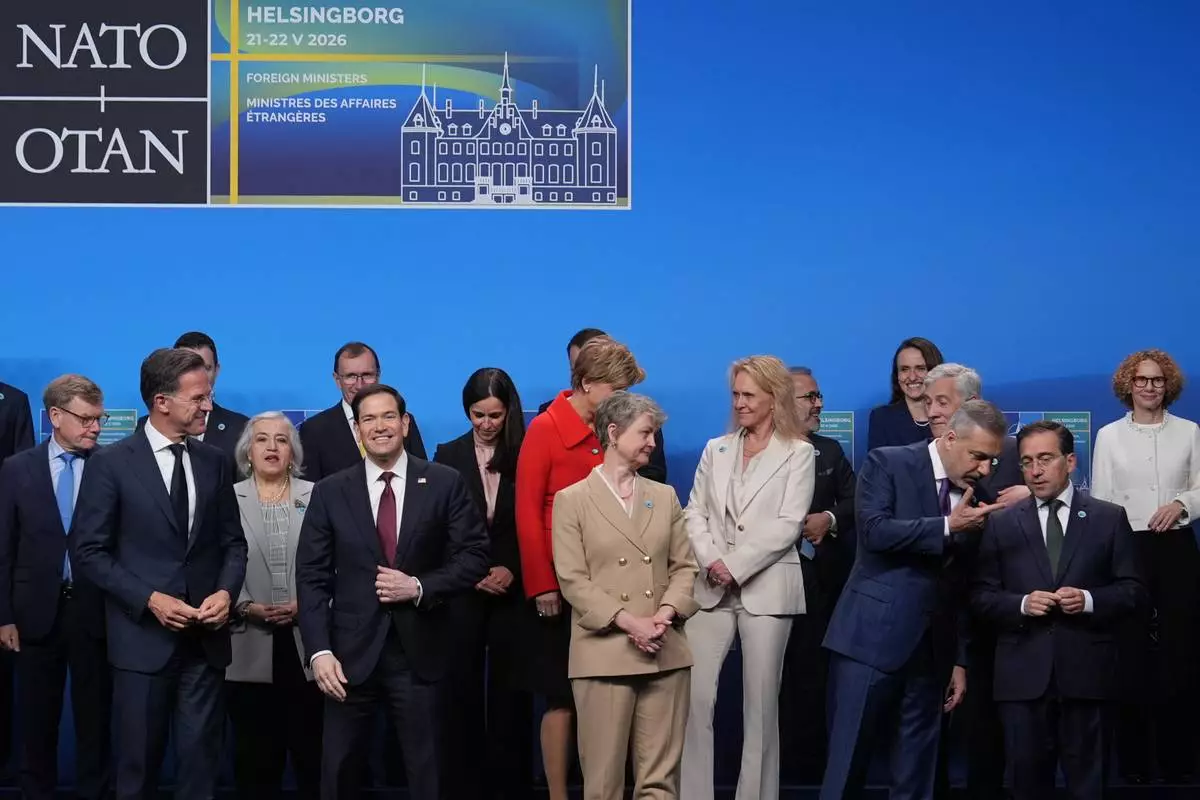
United States Secretary of State Marco Rubio, front second left, and NATO Secretary General Mark Rutte, front left, speak with each other during a group photo at a meeting of NATO foreign ministers in Helsingborg, Sweden, Friday, May 22, 2026. (AP Photo/Julia Demaree Nikhinson, Pool)
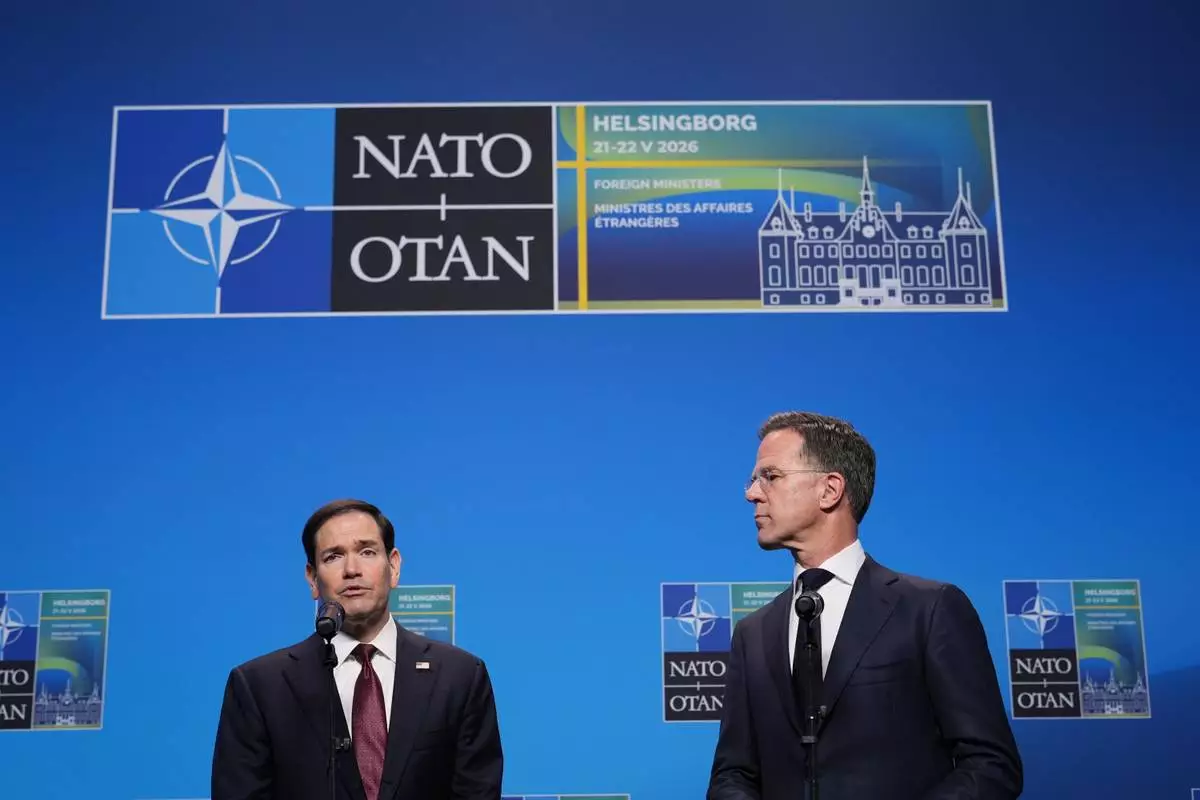
United States Secretary of State Marco Rubio, left, and NATO Secretary General Mark Rutte look at each other as they deliver a statement during a meeting of NATO foreign ministers in Helsingborg, Sweden, Friday, May 22, 2026. (AP Photo/Julia Demaree Nikhinson, Pool)
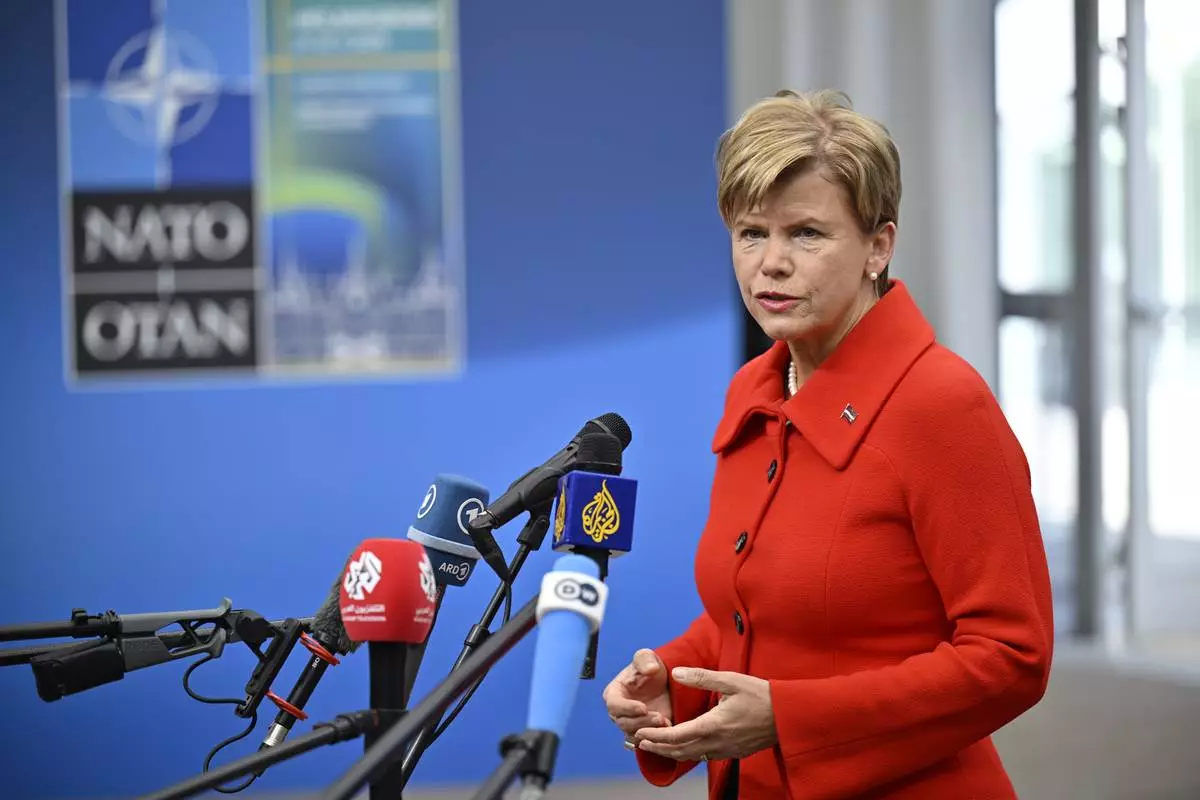
Latvian Foreign Minister Baiba Braže speaks at the doorstep of the NATO foreign ministers' meeting at Sea U in Helsingborg, Sweden, Friday, May 22, 2026. (Johan Nilsson/TT News Agency via AP)
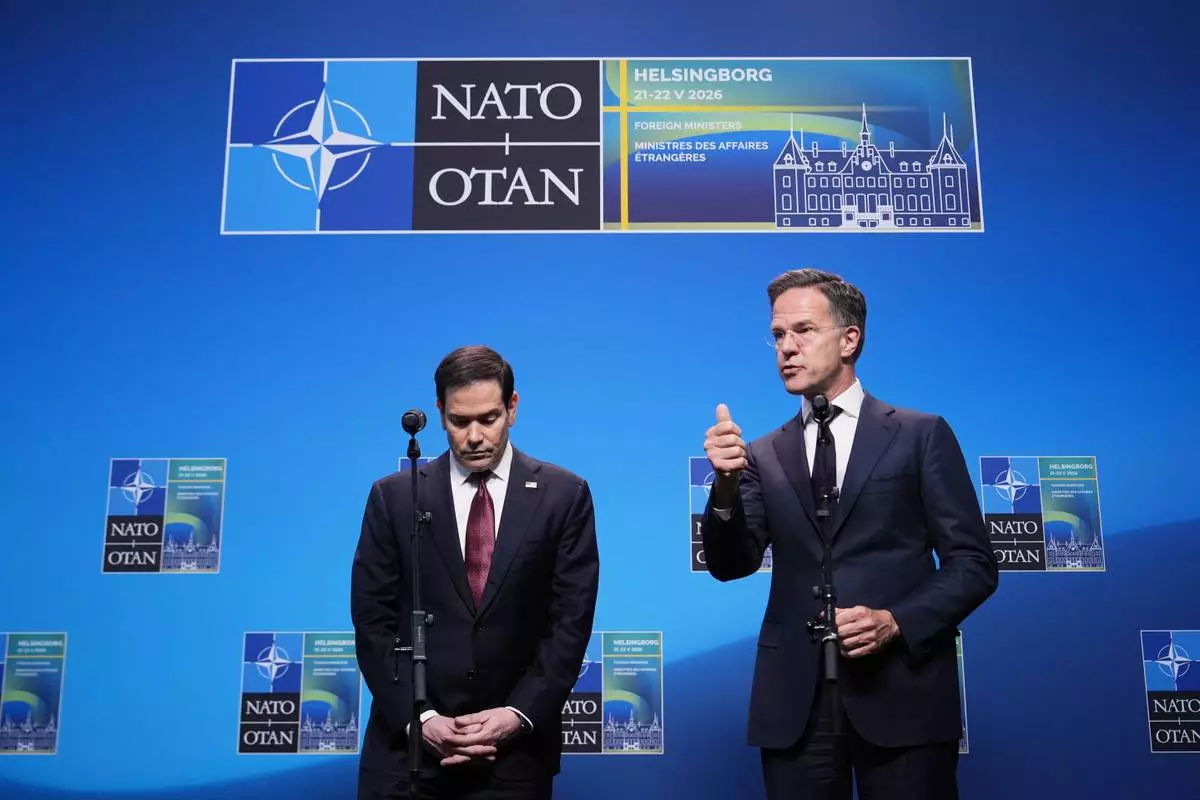
United States Secretary of State Marco Rubio, left, and NATO Secretary General Mark Rutte deliver a statement during a meeting of NATO foreign ministers in Helsingborg, Sweden, Friday, May 22, 2026. (AP Photo/Julia Demaree Nikhinson, Pool)
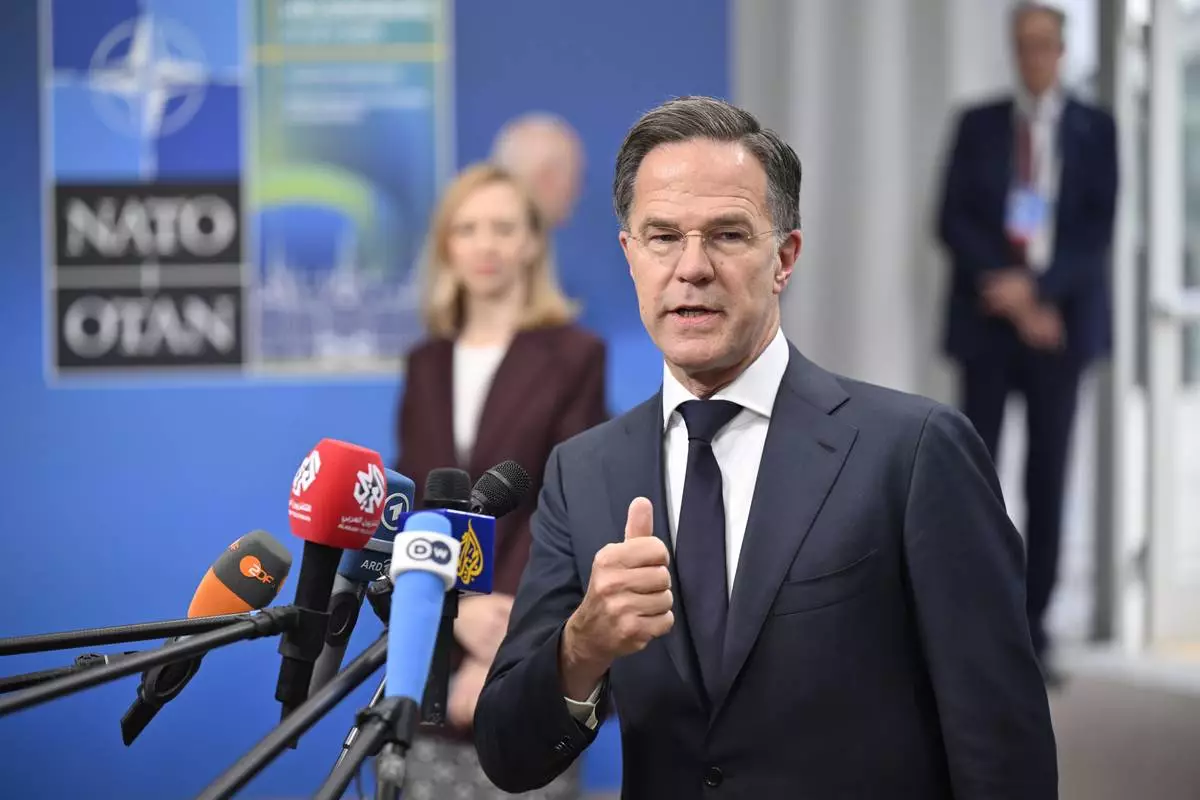
NATO Secretary General Mark Rutte speaks to media at the NATO Foreign Ministers' meeting in Helsingborg, Sweden, Friday, May 22, 2026. (Johan Nilsson/TT News Agency via AP)
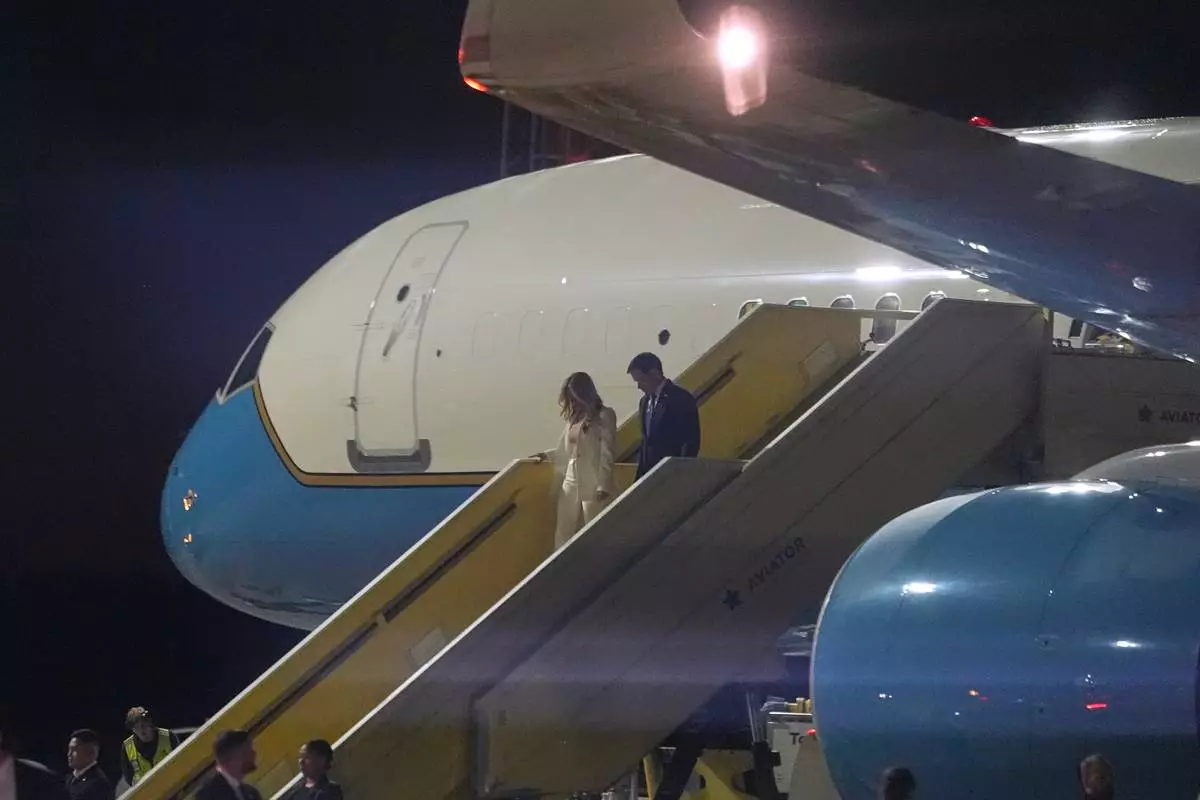
Secretary of State Marco Rubio arrives with his wife Jeanette at Malmo Airport, Friday, May 22, 2026, in Malmo-Sturup, Sweden, ahead of a NATO foreign ministers meeting. (AP Photo/Julia Demaree Nikhinson, Pool)
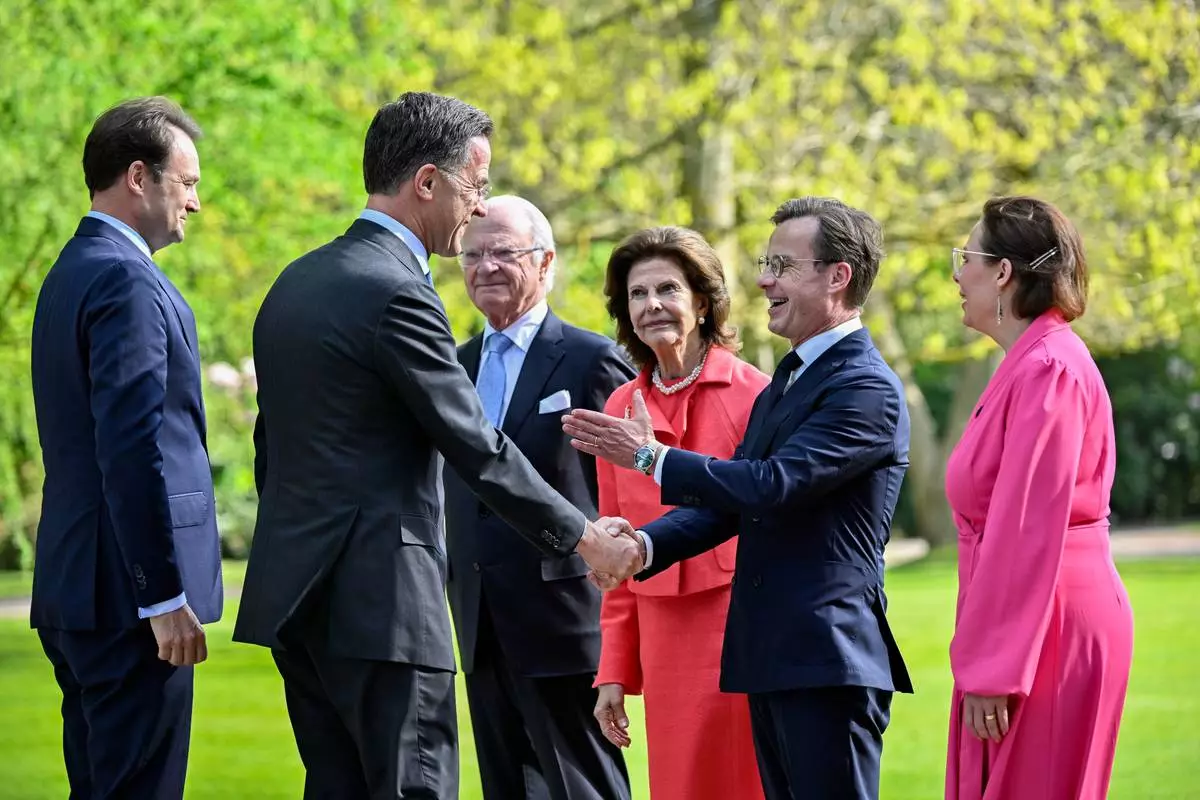
NATO Secretary General Mark Rutte, second from left, shakes hands with Prime Minister of Sweden Ulf Kristersson, as he is greeted by King Carl Gustaf of Sweden, Queen Silvia of Sweden and Minister for Foreign Affairs of Sweden Maria Malmer Stenergard, right, before a dinner at Sofiero Castle in Helsingborg, Sweden, Thursday May 21 2026. (Johan Nilsson/TT News Agency via AP)
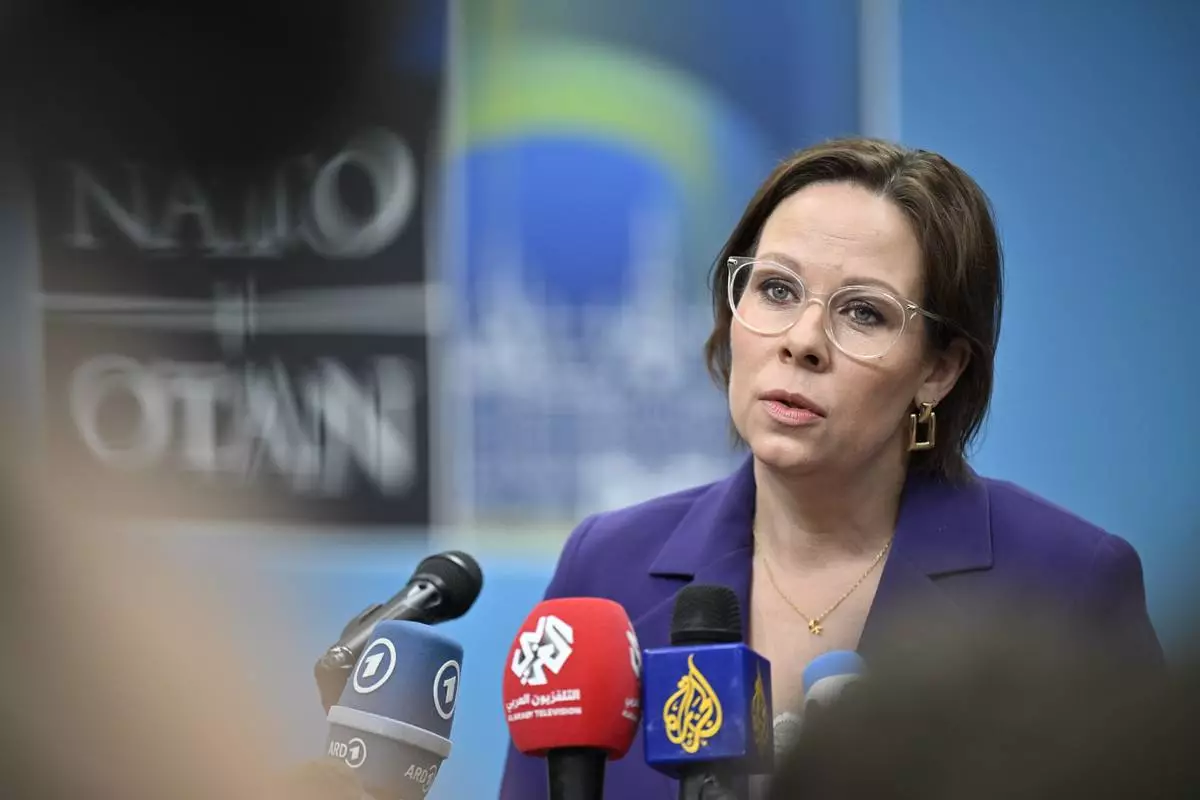
Swedish Foreign Minister Maria Malmer Stenergard speaks to media at the NATO Foreign Ministers' meeting in Helsingborg, Sweden, Friday, May 22, 2026. (Johan Nilsson/TT News Agency via AP)