Deliberately targeting civilian service institutions in Iran by the United States and Israel is the biggest operational challenge facing humanitarian workers, according to Pir Hossein Kolivand, head of the Iranian Red Crescent Society.
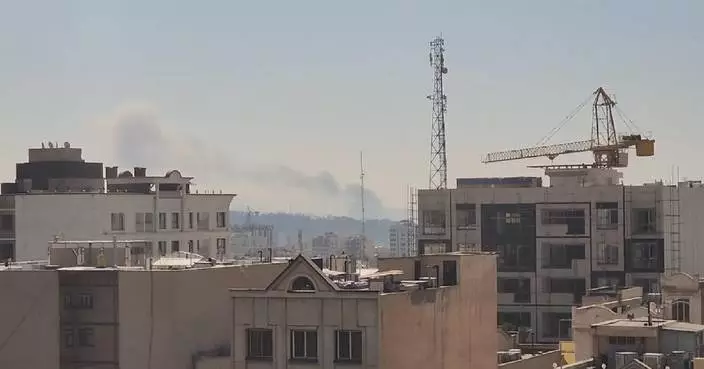
The United States and Israel on Saturday launched strikes against Iran, plunging the war-torn Middle East into a new round of violent conflicts. Iran has retaliated with a series of counterattacks against Israel and U.S. targets across the region.
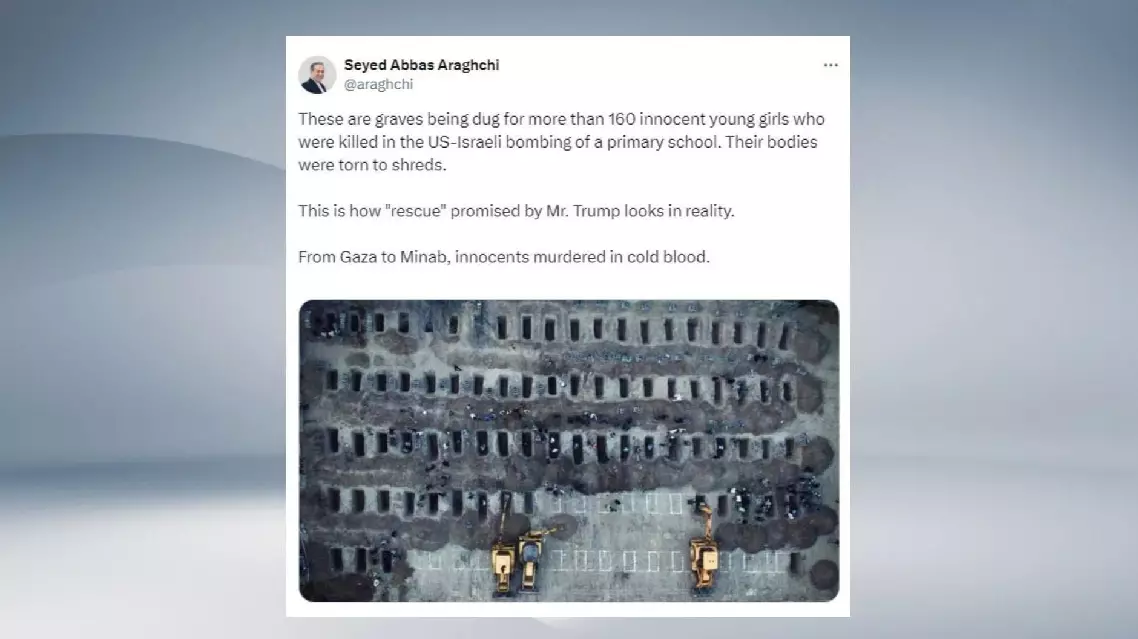
A large-scale offensive jointly conducted by Washington and Tel Aviv on Saturday struck a girls' elementary school in southern Iran's Minab, home to a military base of the Islamic Revolutionary Guard Corps, and killed over 160 pupils.
"The first attack targeted a girls' primary school in the city of Minab. It was a brutal and sad incident that was unprecedented in the history of humanity. More than 168 children aged 7, 8, and at most 9 and a half years old were martyred. The school was attacked in two phases, and unconventional weapons were used in this assault," Kolivand said.
At least seven hospitals and emergency stations in Iran, including Tehran's Gandhi Hospital, were struck by U.S. and Israeli attacks on Sunday night, causing widespread destruction and casualties.
The Iranian official framed these attacks as a fundamental violation of international laws.
"Our challenges are these direct attacks on the service providers. Just today, five of my colleagues were injured. And this is against humanitarian law, against the basic principles of the Geneva Conventions and against all international laws. One of our challenges is that international institutions are almost ineffective and we do not see any trace of it. That is, we do not feel any vital signs of it. These are our main challenges. We have no internal challenges," he said.
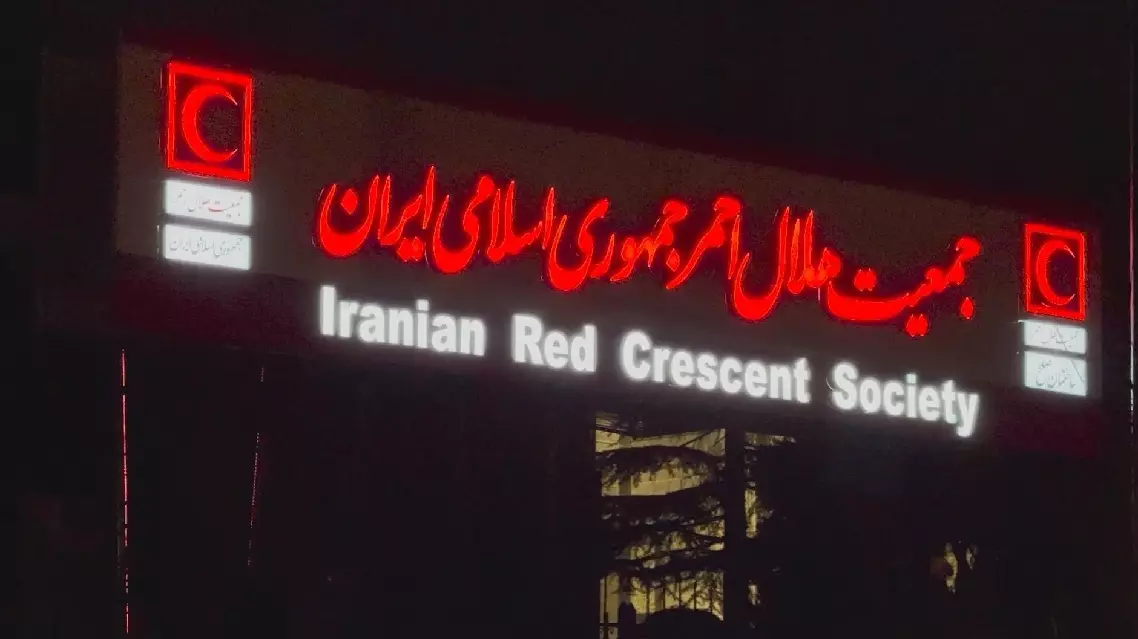
Iranian Red Crescent chief decries US-Israeli attacks on service institutions