LONDON (AP) — Britain's Treasury chief Rachel Reeves sought Tuesday to paint a rosy picture of the state of the U.K. economy even as oil and gas prices soared and shares tanked in the wake of the fast-evolving Iran war that has cast a pall over the global economic outlook.
Unveiling the latest U.K. economic forecasts compiled by the independent Office for Budget Responsibility, Reeves insisted her policies since the Labour Party returned to power in the 2024 election are bearing fruit.
Click to Gallery
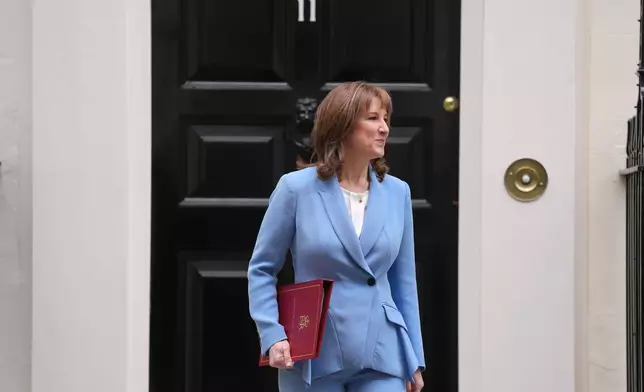
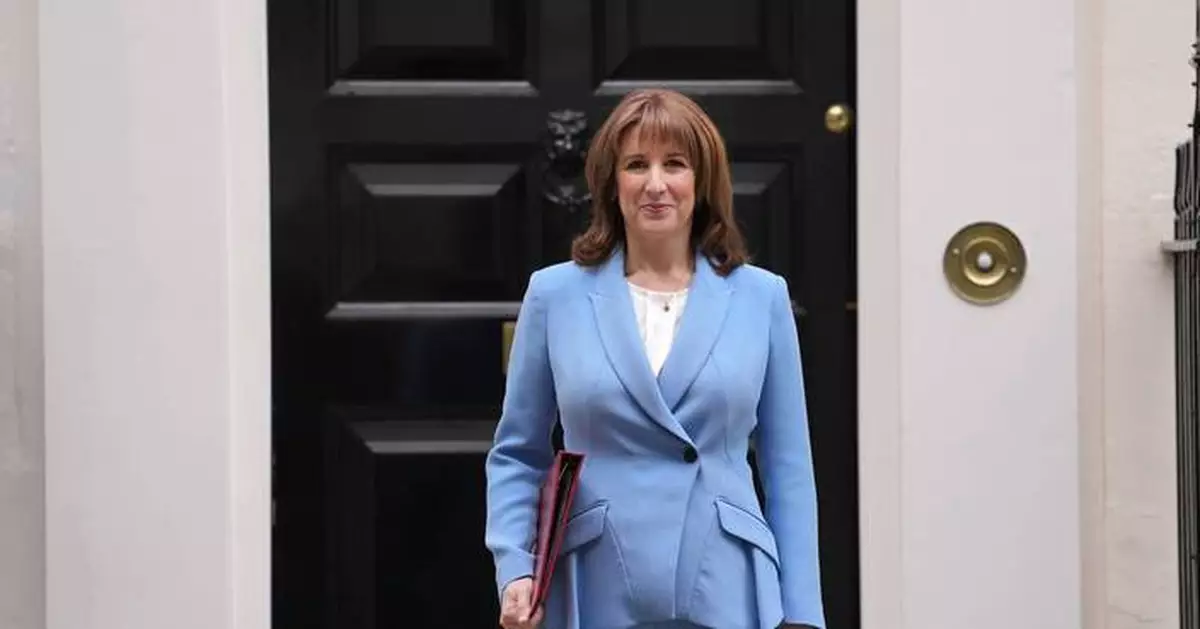
Britain's Chancellor of the Exchequer Rachel Reeves leaves 11 Downing Street to deliver the Spring Statement in London, Tuesday, March 3, 2026.(AP Photo/Kin Cheung)
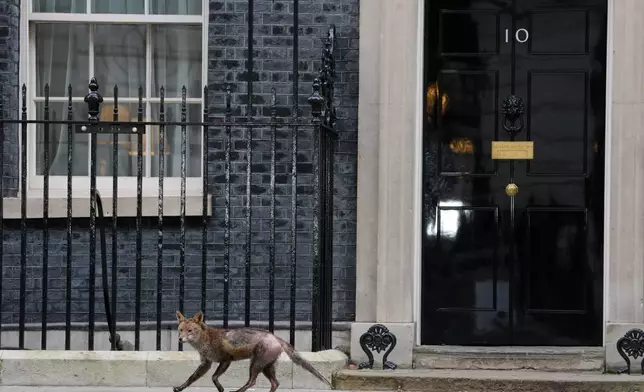
A fox runs past the 10 Downing Street door before Britain's Chancellor of the Exchequer Rachel Reeves leaves to deliver the Spring Statement in London, Tuesday, March 3, 2026.(AP Photo/Kin Cheung)
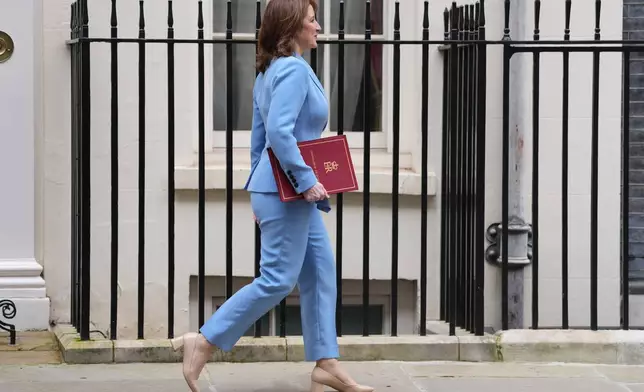
Britain's Chancellor of the Exchequer Rachel Reeves leaves 11 Downing Street to deliver the Spring Statement in London, Tuesday, March 3, 2026.(AP Photo/Kin Cheung)
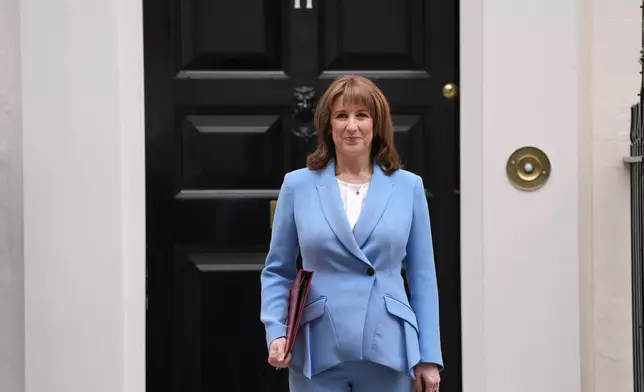
Britain's Chancellor of the Exchequer Rachel Reeves leaves 11 Downing Street to deliver the Spring Statement in London, Tuesday, March 3, 2026.(AP Photo/Kin Cheung)
Though economic growth this year is expected to be lower than predicted at the time of last November's budget at 1.1%, it's set to be higher than anticipated in both 2027 and 2028 at 1.6%. Inflation and borrowing are expected to fall more quickly than previously thought, she added.
“The forecasts today confirm that the choices this government has made are the right ones,” she said.
Reeves had hoped her statement to the House of Commons would be a relatively low-key affair, but economists are warning that the Iran war could upend the forecasts, depressing growth, stoking inflation and increasing debt.
The price of Brent international oil standard has spiked by more than 15% this week to over $80 a barrel, while global gas prices, which the U.K. is particularly reliant on, have nearly doubled. If sustained, both would certainly lead to higher energy bills and prices at the pump, fueling inflation and keeping a lid on growth. The FTSE 100 index of leading British shares was down a whopping 3.7% on Tuesday.
“The conflict in the Middle East is already pushing up oil prices, gas prices and expectations for interest rates,” said Helen Miller, director of the Institute for Fiscal Studies. “It could yet cause more far-reaching economic disruption.”
Reeves started off her speech by acknowledging that the world has become “yet more uncertain” in the past few days following the decision of the United States and Israel to launch strikes against Iran, which saw the death of Supreme Leader Ayatollah Ali Khamenei as well as other members of Iran's leadership. However, she did not announce any tax or spending measures that could cushion any potential blow.
“It is incumbent on me and on this government to chart a course through that uncertainty, to secure our economy against shocks, and protect families from the turbulence that we see beyond our borders,” she said.
Opponents of the government said Reeves was in denial and that the British economy, the world's sixth-largest, remains vulnerable to outside shocks.
Her counterpart in the Conservative Party, Mel Stride, said Reeves has “undermined” the country’s potential with a slew of tax increases since she became chancellor of the exchequer.
“The chancellor has the temerity to suggest that she is creating the conditions for renewed growth," he said.
Britain’s Labour government, which has lost significant support since it won the general election in 2024, has been hoping that 2026 would be the year that it was clear the British economy was on a sounder footing than it has been for years.
Some recent economic indicators have pointed to a pickup in growth in the early part of 2026. Inflation is also set to fall sharply in the coming months, prompting the Bank of England to cut interest rates further. Last month, the bank kept its main rate unchanged at 3.75% and indicated there could be a cut in March.
It's early days, but the Iran war may have put paid to that hope.
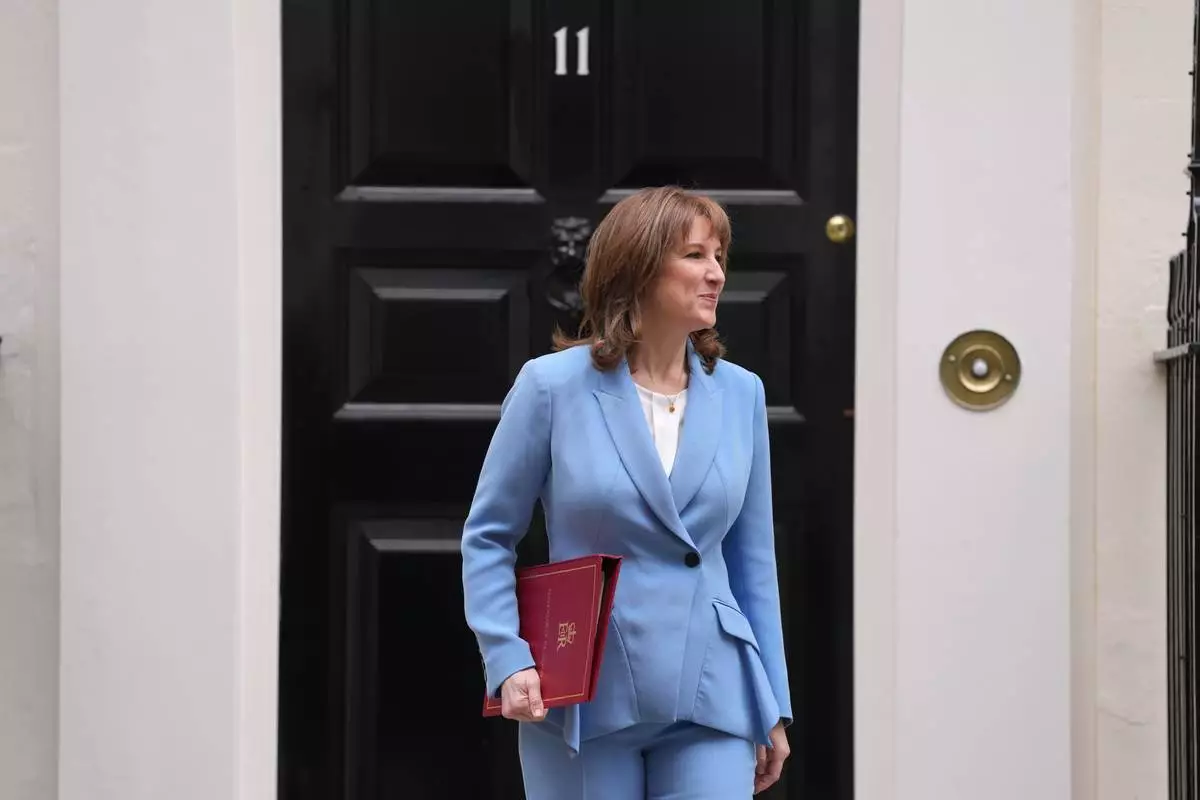
Britain's Chancellor of the Exchequer Rachel Reeves leaves 11 Downing Street to deliver the Spring Statement in London, Tuesday, March 3, 2026.(AP Photo/Kin Cheung)
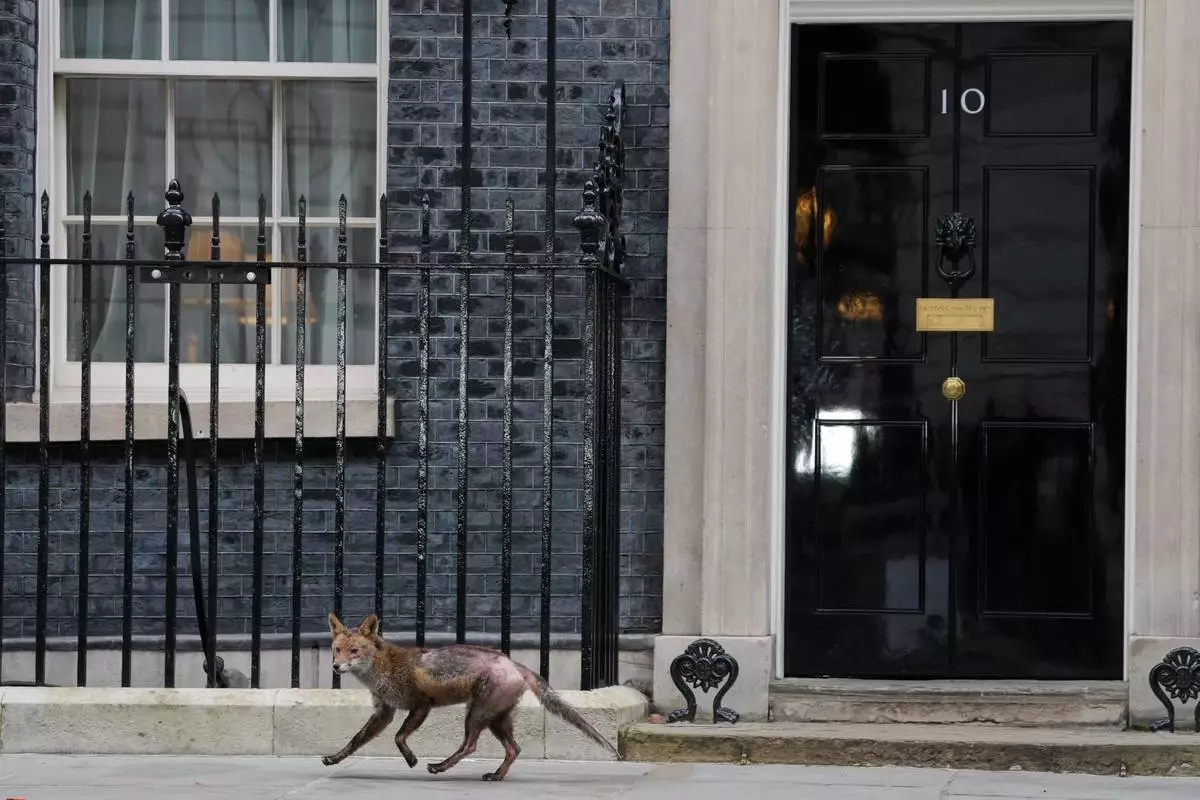
A fox runs past the 10 Downing Street door before Britain's Chancellor of the Exchequer Rachel Reeves leaves to deliver the Spring Statement in London, Tuesday, March 3, 2026.(AP Photo/Kin Cheung)
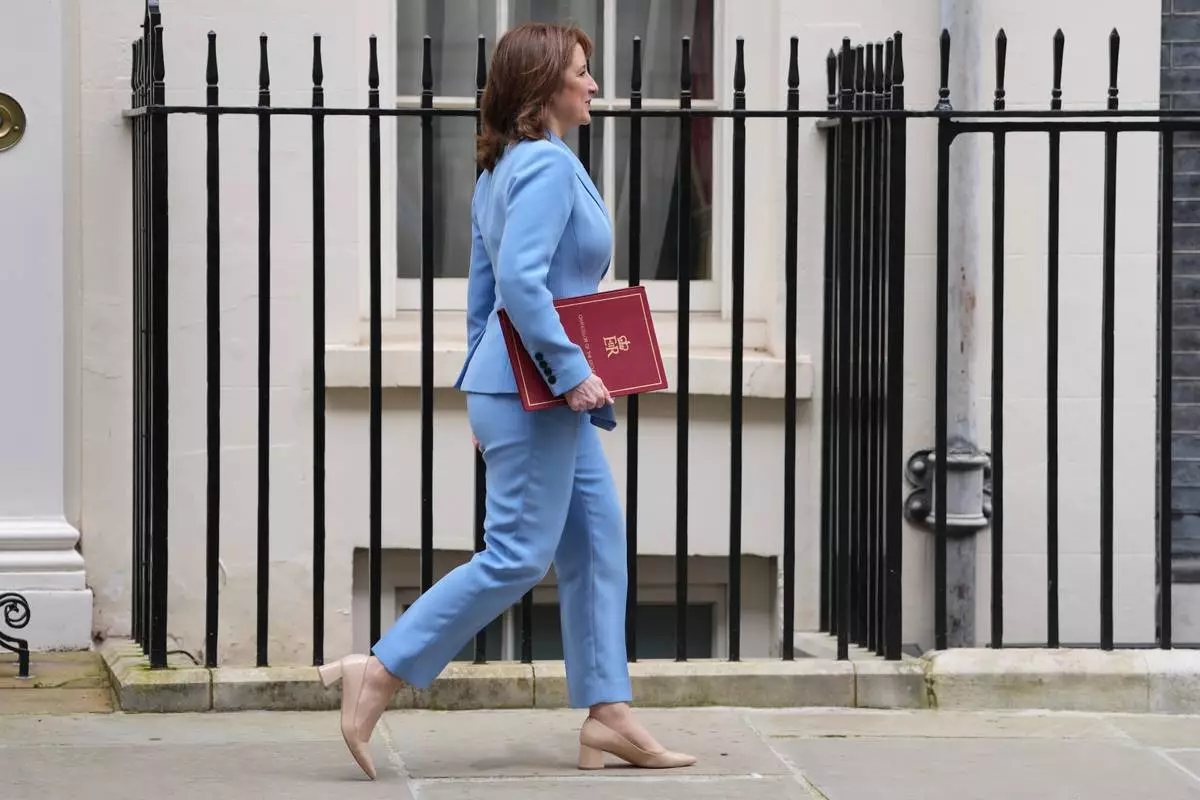
Britain's Chancellor of the Exchequer Rachel Reeves leaves 11 Downing Street to deliver the Spring Statement in London, Tuesday, March 3, 2026.(AP Photo/Kin Cheung)
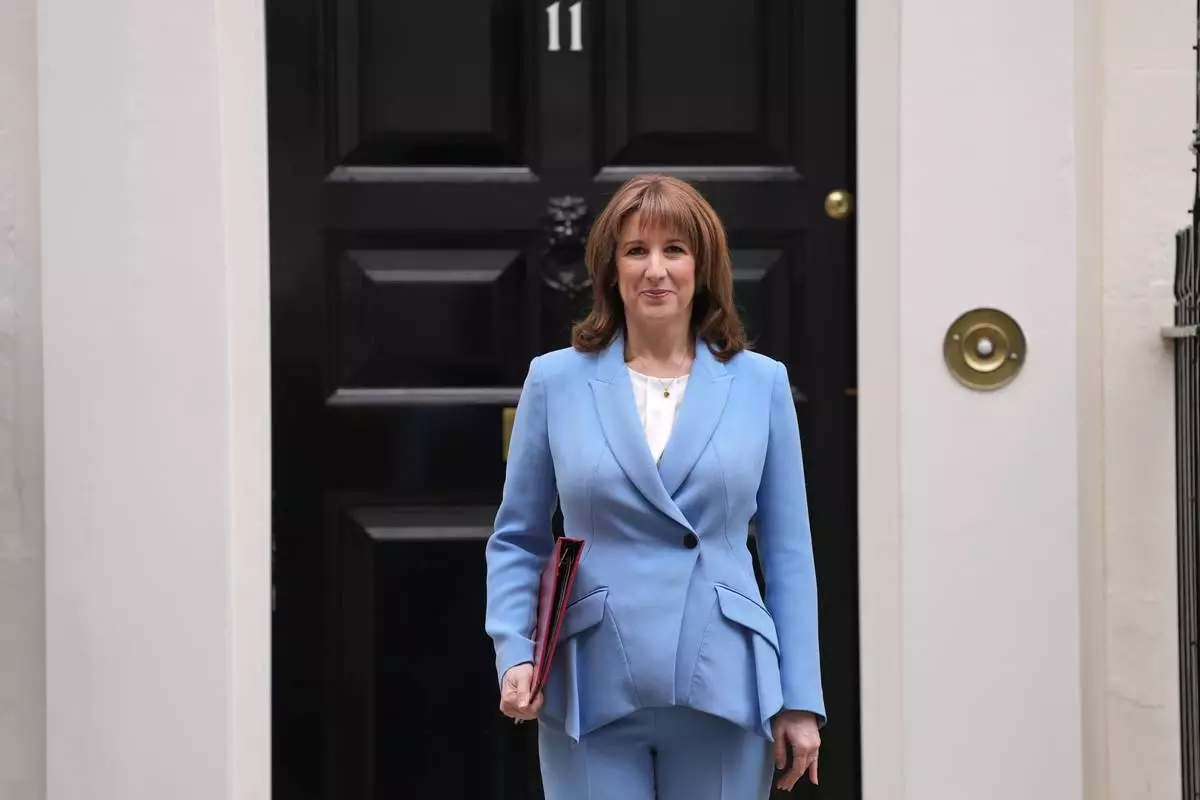
Britain's Chancellor of the Exchequer Rachel Reeves leaves 11 Downing Street to deliver the Spring Statement in London, Tuesday, March 3, 2026.(AP Photo/Kin Cheung)