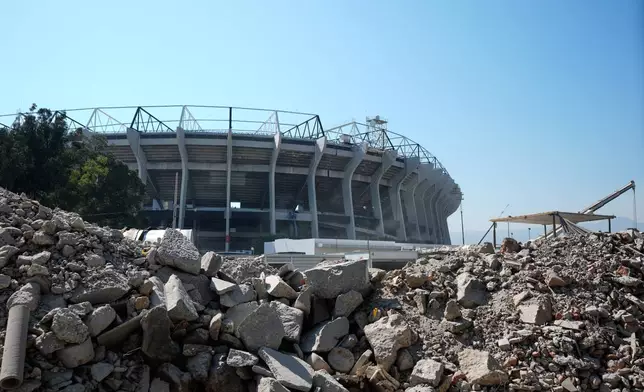
MEXICO CITY (AP) — Three giant cranes stand a few meters from the main entrance of Azteca Stadium. Around them, construction vehicles move rubble generated by hundreds of workers racing to get the stadium ready for its reopening ahead of the 2026 World Cup.
The iconic venue will become the first to host three World Cup opening matches when Mexico faces South Africa on June 11, but the reopening is scheduled for March 28, when Mexico will play Portugal in a friendly game.
Click to Gallery
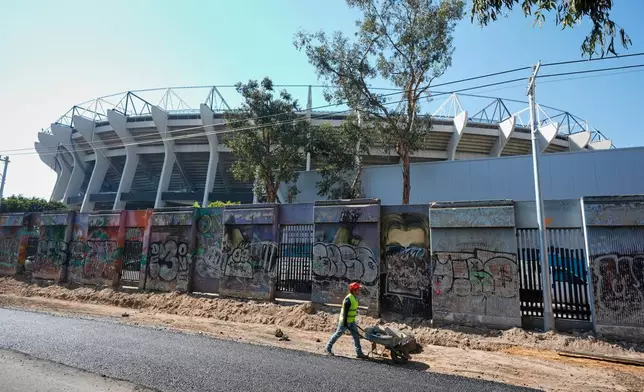
A worker pushes a wheelbarrow outside of the Azteca Stadium, 100 days before the opening ceremony of the FIFA soccer World Cup 2026 in Mexico City, Tuesday, March 3, 2026. (AP Photo/Fernando Llano)
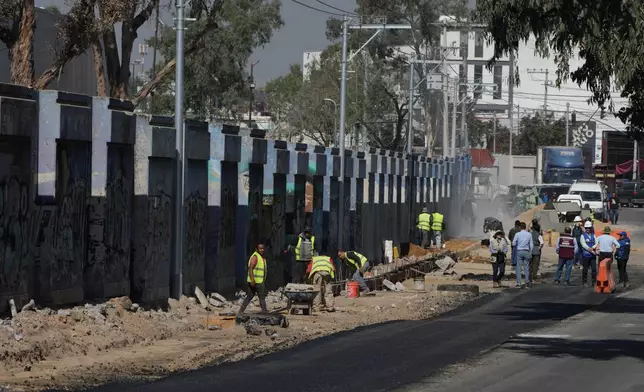
Workers load a truck with debris outside of the Azteca Stadium, 100 days before the opening ceremony of the 2026 FIFA soccer World Cup, in Mexico City, Tuesday, March 3, 2026. (AP Photo/Fernando Llano)
Workers prepare the ground outside the Azteca Stadium, 100 days before the opening ceremony of the 2026 FIFA soccer World Cup in Mexico City, Tuesday, March 3, 2026. (AP Photo/Fernando Llano)
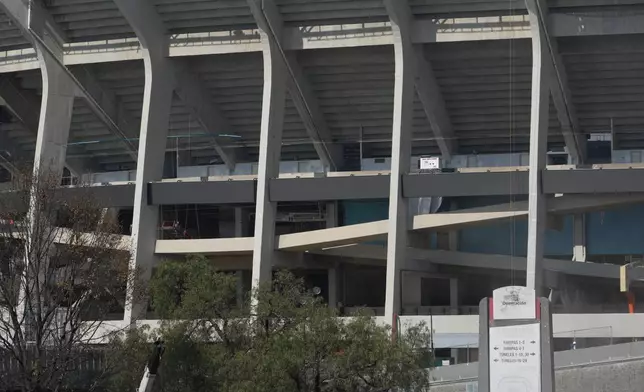
Debris sits in front of the main entrance to the Azteca Stadium, 100 days before the opening ceremony of the 2026 FIFA soccer World Cup, in Mexico City, Tuesday, March 3, 2026. (AP Photo/Fernando Llano)
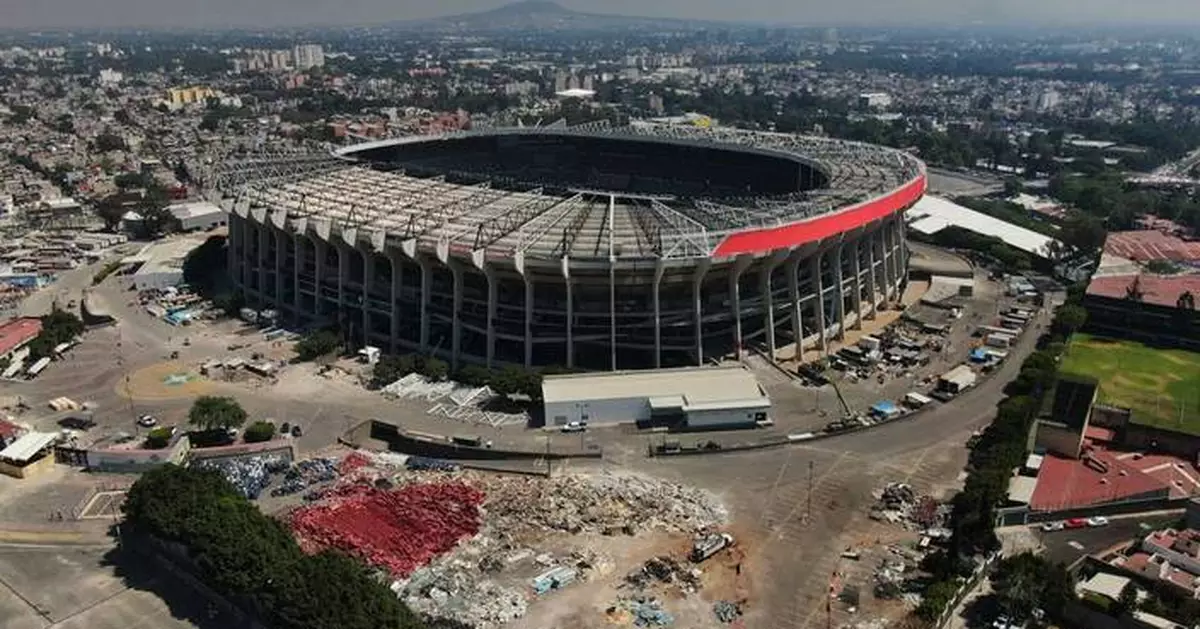
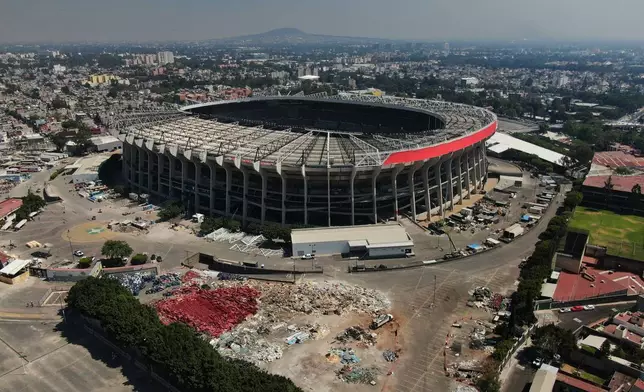
The Azteca Stadium sits in Mexico City, 100 days before the opening ceremony of the 2026 FIFA soccer World Cup, Tuesday, March 3, 2026. (AP Photo/Fernando Llano)
The stadium located south of Mexico City will host five World Cup games. Mexico previously hosted the 1970 and 1986 tournaments. Opened in 1966, Azteca has undergone several renovations — the last one to accommodate NFL games in 2016.
It closed its doors in May 2024 to get a much-needed facelift.
The project is adding new seats in all sections, more video screens, new lighting and locker rooms, a new entrance to the new hybrid pitch, a new wi-fi system, two new big screens, and a new sound system with 250 speakers.
The new locker rooms and the new entrance to the pitch were, according to stadium director Felix Aguirre and stadium owner Emilio Azcarraga Jean, the most difficult parts, delaying the overall renovations.
“The contractors say that yes (it will be ready), I’m not a construction expert, they set dates, there’s a meeting every week, I told them I’m not a specialist, but I don’t see their dates going accordingly as the (planned) dates,” Azcarraga said last month. “There was a lot of difficulty at the beginning.”
Aerial images taken Tuesday by The Associated Press show that all the new seats, 82,000 of them according to the stadium owners, are in place, as well as the new hybrid pitch, but there are still crews working on hospitality areas and new luxury boxes.
A similar hybrid surface was installed in 2018 but poor field conditions forced a last-minute change of venue for an NFL game between the Kansas City Chiefs and the Los Angeles Rams. Natural grass was installed the following year. The new pitch has ventilation and drainage to resist heavy downpours common in Mexico City.
Capacity is expected to be 87,000 when the World Cup kicks off June 11.
“The stadium has undergone a significant modernization process that will improve the experience for soccer fans in every way,” Aguirre said. “Rest assured, Mexico City’s iconic and emblematic stadium will be fully ready."
One the parking lots at the stadium still has a lot of rubble and the old seats are still lying on the ground.
“This first stage, which ends on March 28 with the reopening, is important, and then we’ll continue with the remaining work for the World Cup," Azcarraga said. “And then there’s a lot more to do; the complexity of the project doesn’t allow you to do everything at once.”
The Mexico City government is also improving infrastructure near the venue. A street adjacent to the stadium will have a new asphalt surface, a new draining system and new sidewalks.
Also, work continues at the light rail station across from the Azteca. The city is enhancing outdoor lighting and improving a pedestrian bridge.
On game days, the Xochimilco Light Rail known as Tren Ligero is one of the fastest ways to reach the stadium. It currently has 20 trains and the city’s government purchased 17 more for the World Cup.
AP soccer: https://apnews.com/hub/soccer
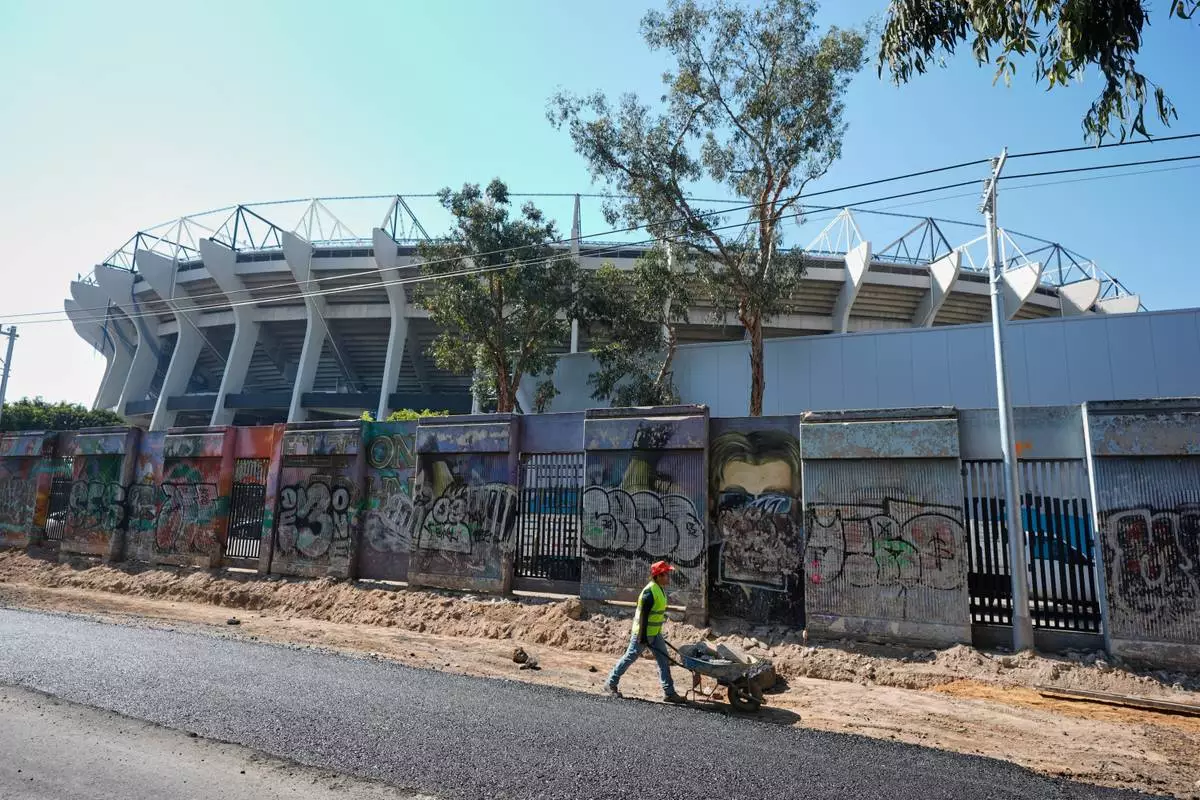
A worker pushes a wheelbarrow outside of the Azteca Stadium, 100 days before the opening ceremony of the FIFA soccer World Cup 2026 in Mexico City, Tuesday, March 3, 2026. (AP Photo/Fernando Llano)
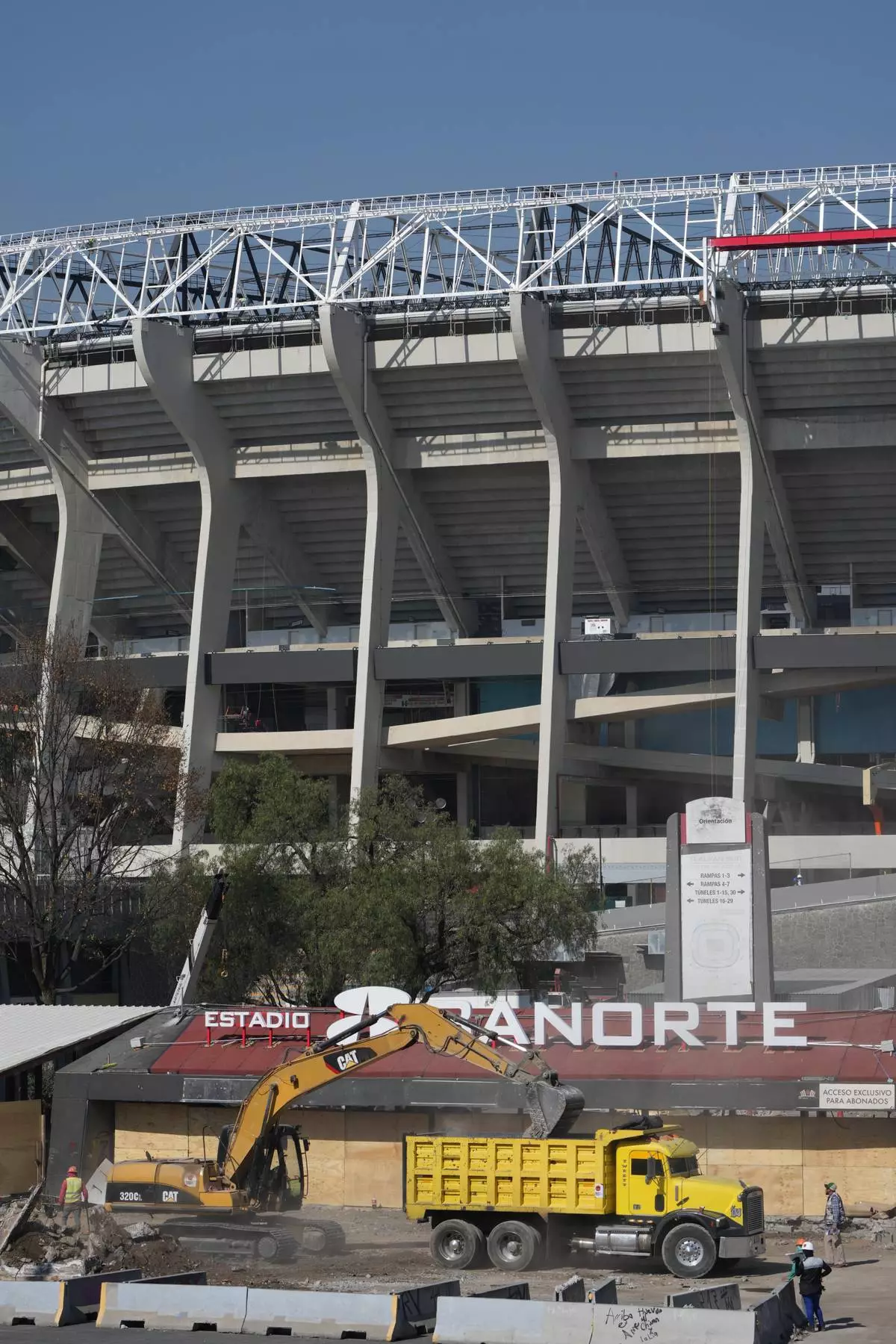
Workers load a truck with debris outside of the Azteca Stadium, 100 days before the opening ceremony of the 2026 FIFA soccer World Cup, in Mexico City, Tuesday, March 3, 2026. (AP Photo/Fernando Llano)
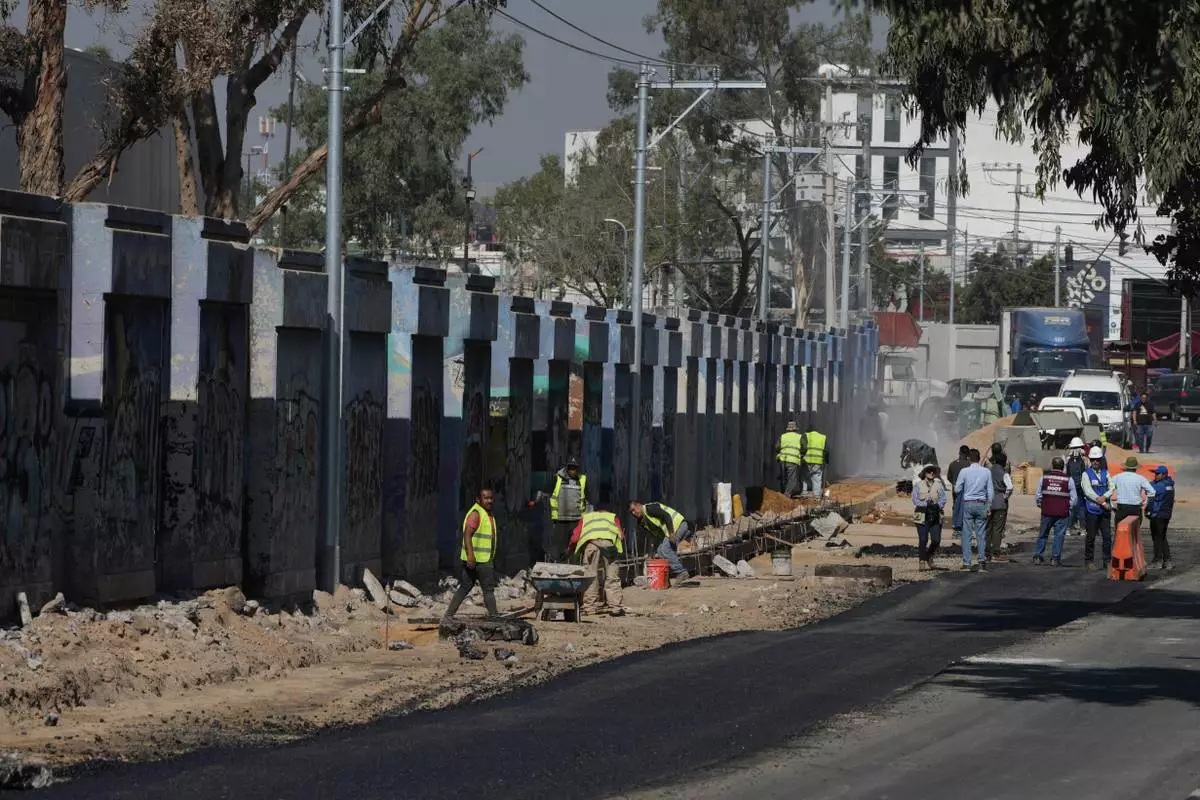
Workers prepare the ground outside the Azteca Stadium, 100 days before the opening ceremony of the 2026 FIFA soccer World Cup in Mexico City, Tuesday, March 3, 2026. (AP Photo/Fernando Llano)
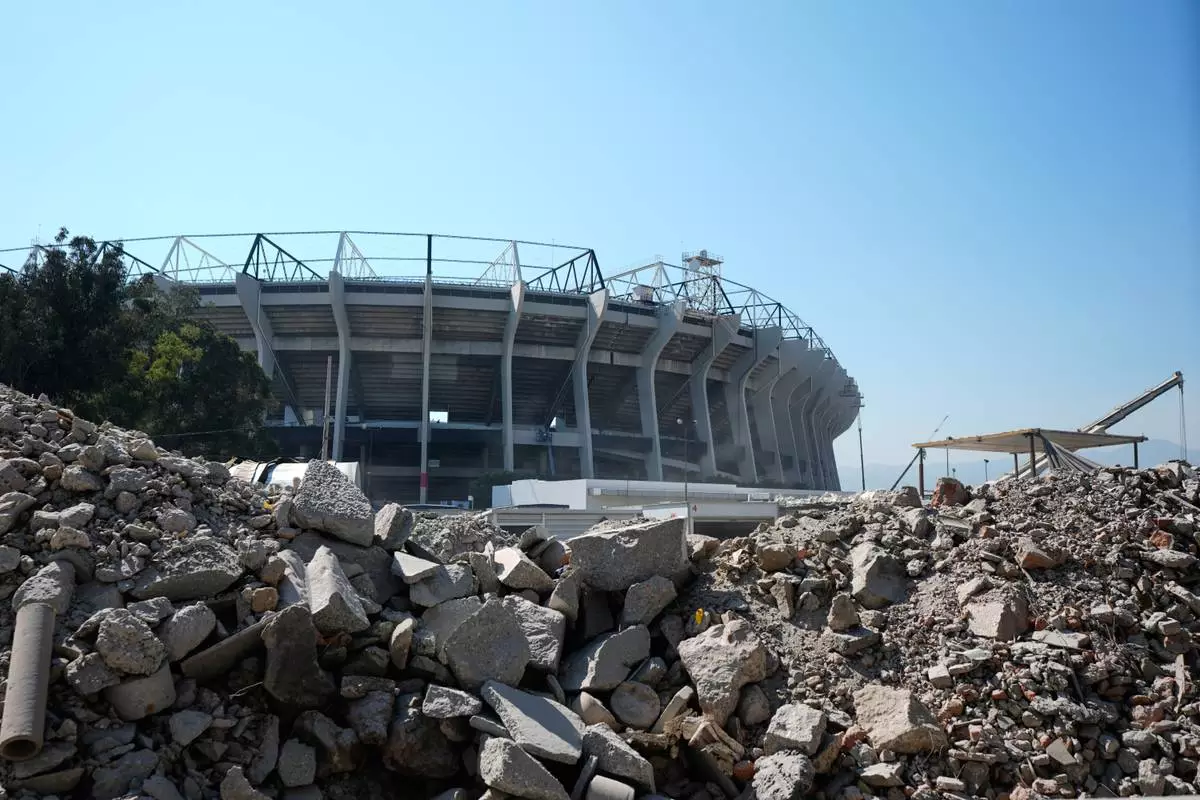
Debris sits in front of the main entrance to the Azteca Stadium, 100 days before the opening ceremony of the 2026 FIFA soccer World Cup, in Mexico City, Tuesday, March 3, 2026. (AP Photo/Fernando Llano)
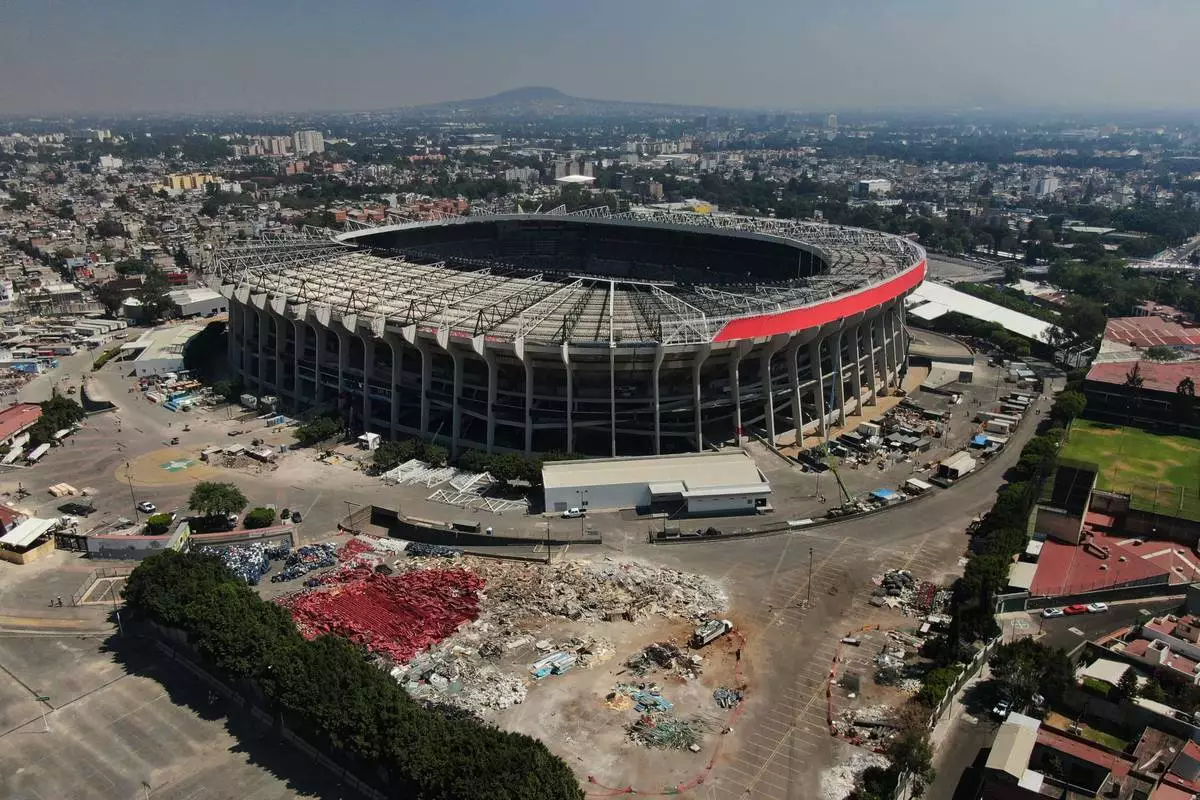
The Azteca Stadium sits in Mexico City, 100 days before the opening ceremony of the 2026 FIFA soccer World Cup, Tuesday, March 3, 2026. (AP Photo/Fernando Llano)
FRANKFURT, Germany (AP) — The Iran war's disruption of Middle East oil and gas supplies and soaring prices are strengthening Russia's ability to profit from its energy exports, a pillar of the Kremlin's budget and a key to paying for its own war in Ukraine.
Prices for Russia's oil exports have risen from under $40 per barrel as recently as December to about $62 per barrel — first on fears of war and then due to interruption of almost all tanker traffic through the Strait of Hormuz, the conduit for some 20% of the world's oil consumption.
Russian oil still trades at a considerable discount to international benchmark Brent crude, which has risen above $82 from the closing price of $72.87 on Friday, the eve of the attack on Iran by the U.S. and Israel. However, Russian crude is now above the benchmark of $59 per barrel that was assumed in the Russian Finance Ministry's budget plan for 2026. Oil and gas tax revenues account for up to 30% of the Russian federal budget.
Additionally, the halt in production of ship-borne liquefied natural gas, or LNG, by major supplier Qatar will sharply increase global competition for available cargoes -- including those from Russia.
Russia had seen state oil and gas revenue fall to a four-year low of 393 billion rubles ($5 billion) in January and the budget shortfall of 1.7 trillion rubles ($21.8 billion) for that month was the biggest on record, according to Finance Ministry figures.
The lower revenue was due to weaker global prices and to deep discounts fueled by U.S. and European Union hindrance of Russia's “shadow fleet” of tankers with obscure ownership used sell oil to its biggest customers, China and India, in defiance of a Western-imposed price cap and sanctions on Russia's two biggest oil companies, Lukoil and Rosneft.
Economic growth has stagnated as massive military spending has leveled off. President Vladimir Putin has resorted to tax increases and increased borrowing from compliant domestic banks to keep state finances on an even keel in the fifth year of the war.
“Russia is a big winner from the war-related energy turmoil,” said Simone Tagliapietra, energy expert at the Bruegel think tank in Brussels. “Higher oil prices mean higher revenues for the government and therefore stronger capability to finance the war in Ukraine.”
Amena Bakr, head of Middle East and OPEC+ insights at data and analytics firm Kpler, writes: “With Middle East barrels facing logistical disruption, both India and China face strong incentives to deepen reliance on Russian supply.”
Additionally, the price of future delivery of natural gas has skyrocketed in Europe, raising questions about EU plans to put an end to imports of Russian LNG by 2027 -- reviving bad memories of a 2022 energy crunch after Moscow cut off most supplies of pipeline gas due to the war.
Much depends on how long the Strait of Hormuz remains closed to most ship traffic, said Alexandra Prokopenko, an expert on the Russian economy at the Carnegie Russia Eurasia Center in Berlin.
A quick exit from the conflict would return Brent prices to roughly $65 per barrel and “a short-lived spike would not fundamentally change” Russia's budget picture, she said. A middle scenario in which some shipping resumes and oil stabilizes at around $80 per barrel would give Russia “some fiscal relief,” depending on how long the higher prices last.
A long-term closure with Iranian strikes damaging refineries and pipelines could send oil to $108 per barrel, accelerate inflation and push Europe to the edge of recession. “This scenario would bring the largest windfall to Russia,” she said.
Even several weeks of interruption in Gulf LNG could lead to calls in Europe to suspend plans to ban new Russian supply contracts after April 25, said Chris Weafer, CEO of Macro-Advisory Ltd consultancy.
“The EU is under even more pressure to work with the U.S. to find a solution to the Ukraine conflict and, very likely, to consider easing the plan for a total block for Russian oil and gas imports,” he said. “Countries such as Hungary and Slovakia and those who have been big buyers of Russian LNG, will press for that review.”
In any case “the Russian federal budget will have a much better result in March,” Weafer said, due to lower discounts on Russian oil and “because there are eager buyers of Russian oil and oil products.”
Putin said European governments were to blame for their energy predicament.
“What is happening today on the European markets, is, of course, above all the result of the mistaken policies of European governments in the energy sphere,” Putin said Wednesday on state TV.
He said that “maybe it would be more beneficial for us to halt (gas) supplies now to the European market, and leave for the markets that are opening and get established there,” adding that “it’s not a decision, but in this case what’s called ‘thinking out loud.’”
Putin said he would have the government to look into the issue.
Russia's Deputy Prime Minister Alexander Novak said Wednesday that Russian oil was “in demand” and that Russia was ready to increase supplies to China and India, the Tass news agency reported.
The head of Russia's sovereign wealth fund, Kirill Dmitriev, took a dig at European Commission President Ursula von der Leyen and EU foreign policy chief Kaja Kallas, writing on X that “surely the wise Ursula and Kaja have a backup LNG plan. Or maybe not.”
Belgium, France, the Netherlands and Spain have continued to import around 2 billion cubic meters of Russian LNG per month, and on top of that Hungary imports 2 billion cubic meters a month through the Turkstream pipeline across the Black Sea, Tagliapietra said. That would amount to 45 billion cubic meters in 2026, 15% of total gas demand for this year.
It's “not easy to replace this in case the LNG market gets tighter with continued shutdowns in Qatar,” he said.
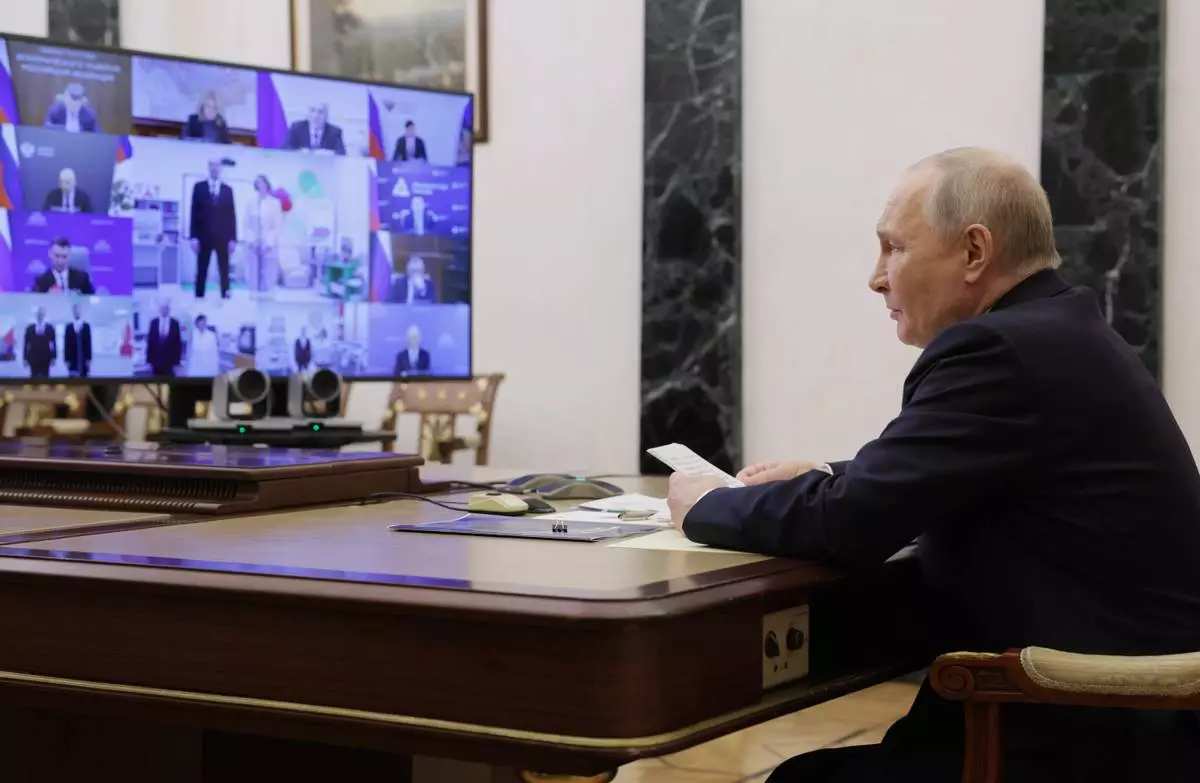
Russian President Vladimir Putin leads a cabinet meeting via videoconference at the Kremlin in Moscow, Wednesday, March 4, 2026. (Gavriil Grigorov/Sputnik, Kremlin Pool Photo via AP)
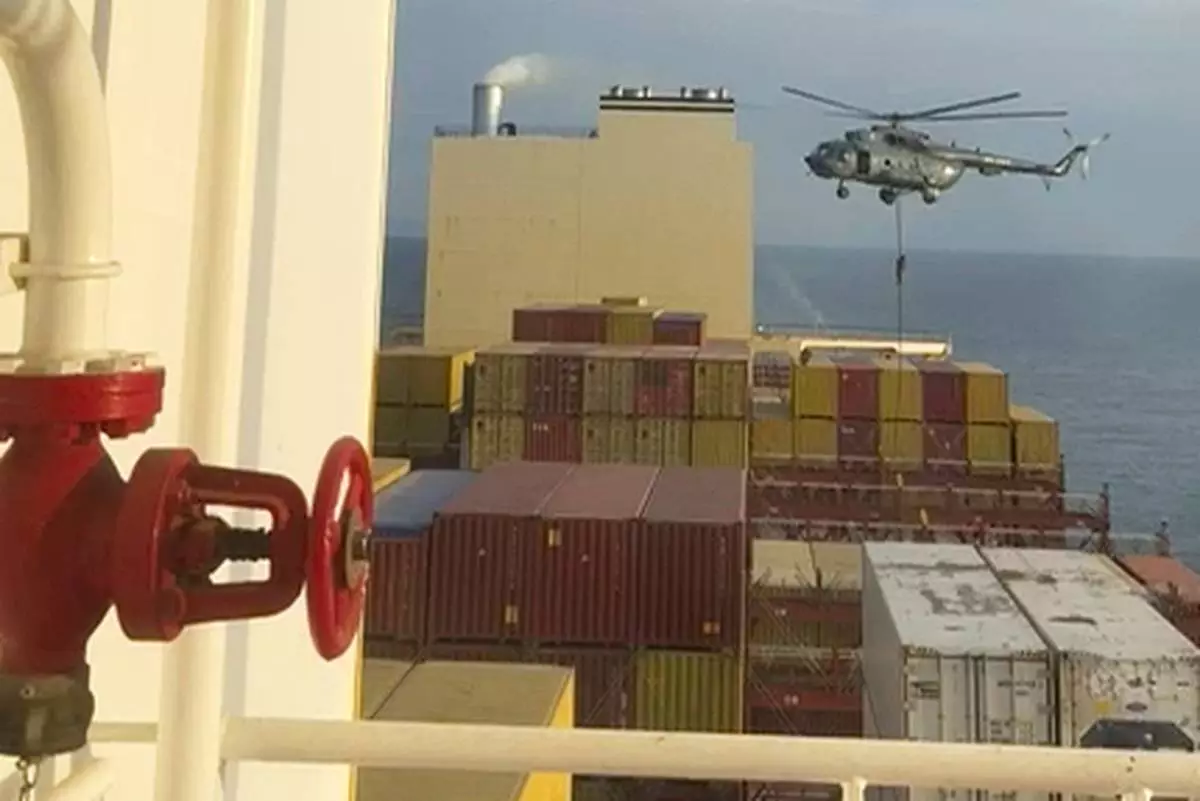
FILE - This image made from a video provided to The Associated Press by a Middle East defense official shows a helicopter raid targeting a vessel near the Strait of Hormuz on Saturday, April 13, 2024. (AP Photo, File)
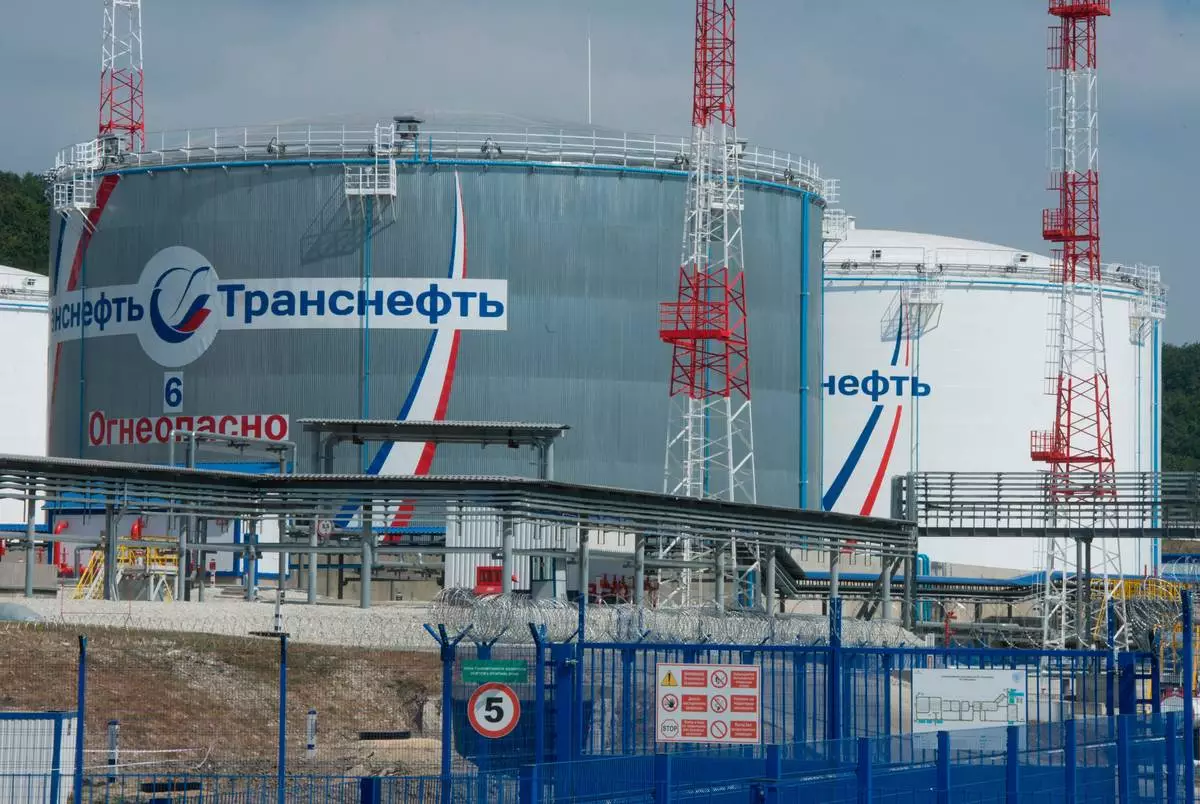
FILE - The Sheskharis oil terminal in Novorossiisk, in southern Russia, is seen on Thursday, Aug. 20, 2015. (Sergei Guneyev, Sputnik, Kremlin Pool Photo via AP, File)
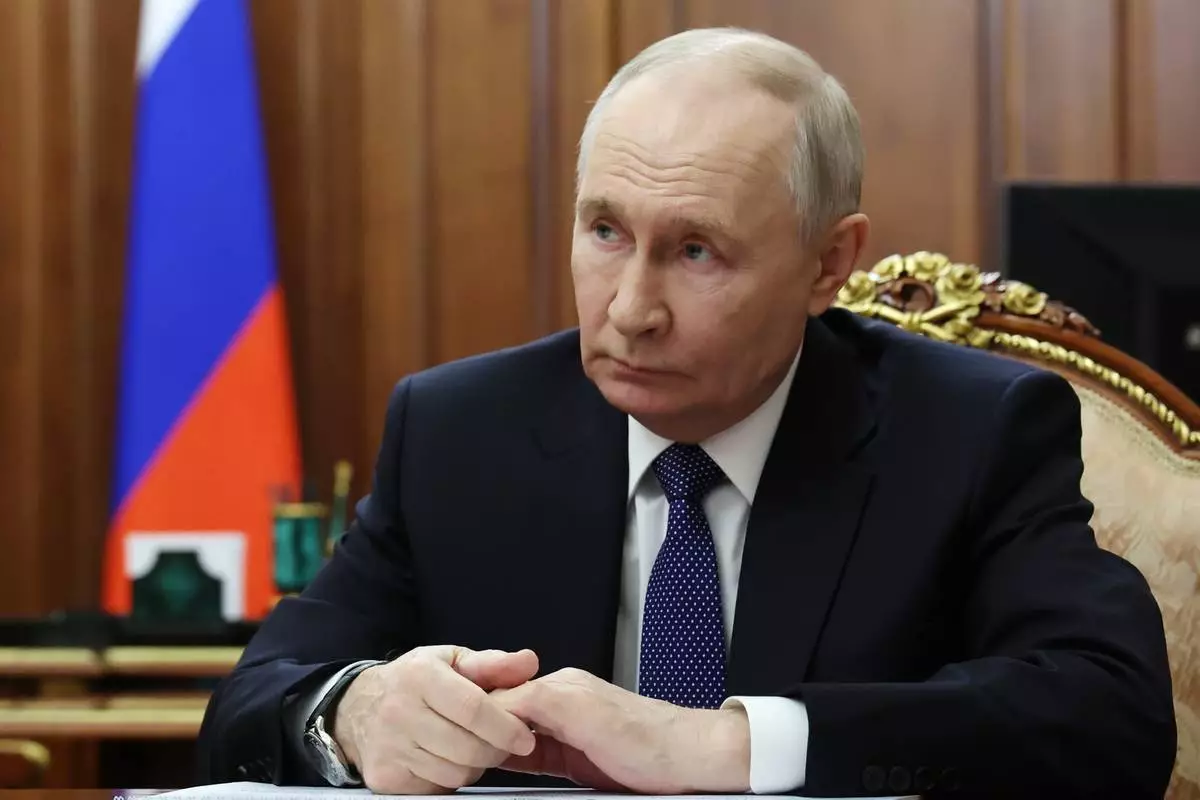
FILE - Russian President Vladimir Putin listens to Roman Artyukhin, the head of the treasury, at the Kremlin in Moscow, on Tuesday, March 3, 2026. (Gavriil Grigorov/Sputnik, Kremlin Pool Photo via AP, File)
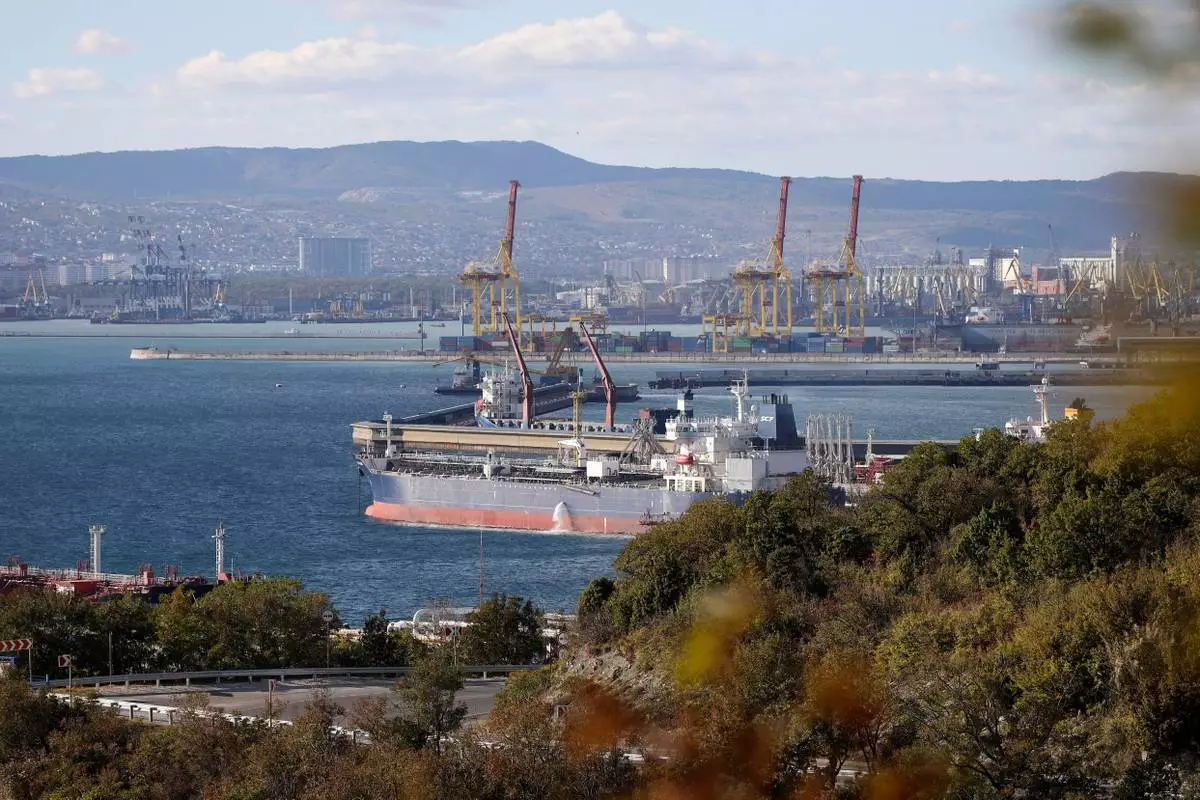
FILE - An oil tanker is moored at the Sheskharis complex in Novorossiysk, Russia, Tuesday, Oct. 11, 2022. (AP Photo, File)