The latest conflict in the Middle East is developing quickly and deeply complex, which can make it difficult for children to make sense of events they see unfolding on social media, hear adults anxiously discussing or are experiencing in real life. Experts say exposure to war, even if it is indirect, can affect how kids think, feel and behave.
Child psychologists and development experts say talking about it may help.
“Sometimes adults think if they don't talk about something that is difficult, than it doesn't exist. But we know that's not the reality in children's lives,” said Rebecca Smith, the global head of child protection at Save the Children, an international aid and advocacy organization. “Ignoring or avoiding the topic of conflict can lead to children feeling lost, alone and scared. ... It is essential to have open and honest conversations with children to help them process what is happening."
Below are suggestions for having conversations with children about war and its impacts.
Experts recommend starting with what a child might know about what is happening in Ukraine, Gaza, Iran, Israel, Sudan or other parts of the world before attempting to address any feelings of fear, sadness, anger or anxiety.
Some children may not know that fighting has escalated between the United States and Israel on one side and Iran and its proxies on the other. Other kids may be more aware than their families realize and suppress their emotions. Children visiting or living in Middle Eastern countries directly impacted will have seen weapons light up the sky and may know people killed or have to leave their homes.
“For some children where missiles are now visible in the skies, this might be an entirely new and terrifying experience," Smith said. “When events like this happen, they disrupt a child and family’s sense of safety. What once felt stable and secure may suddenly feel uncertain.”
To help children work through their emotions, the trusted adults in their lives also need to take care of themselves, according to experts. Guidance from the National Child Traumatic Stress Network says adults sharing their own feelings with children can be an opportunity to convey personal beliefs and values about how to treat others. The key is to not assume what children might be thinking or feeling.
If children do not want to talk or are not ready, experts suggest adults remain patient and tell children they are there for them.
“It is necessary to respect child’s ability to refuse communication, their ability not to talk or not to tell about something. Because they can have their own feelings, their own states, which they might not want to share," child psychologist Nataliia Sosnovenko said, speaking in Ukrainian. Sosnovenko works with Voices of Children, a Ukrainian organization that provides psychological support and documents children's experiences in the country during the yearslong war with Russia.
Some children might share what they have seen or heard, how they feel or ask questions when given an opportunity. Experts say this is when adults should validate their feelings and address what's happening honestly while taking their ages and maturity levels into account.
The American Psychological Association recommends giving kids basic, age-appropriate information about war and conflict, and addressing any upsetting images, headlines or conversations they were exposed to without going into details that might make them unnecessarily anxious. But ultimately, parents know their children best, experts say.
Families who have loved ones in the region may need to take the extra time to discuss the safety of their relatives and friends, and the difficulty of uncertainty. Families in the region themselves may need to have a plan in place for what to do if they become separated. Experts with Save the Children say to keep it simple and to practice the plan calmly.
Depending on how young, some children can understand the idea that two countries are fighting. But young children living abroad may not be able to distinguish between what they see on screens and what is happening nearby. For children in the U.S., the Iran war can seem much closer than it is if they are frequently seeing images on TV or social media, meaning they may need additional reassurance they are safe from danger.
Older children are likely to understand war and its consequences, which means they might be more concerned and have more questions, the American Psychological Association says. Adults may want to consider focusing on what is within their control and giving children some agency, such as supporting humanitarian efforts, staying informed and addressing misinformation.
UNICEF, the United Nations agency that provides humanitarian aid and long-term support to children worldwide, says it is OK to not have all the answers.
In Lebanon, some families have sought refuge since Saturday in a brick school building. Nora Ingdal, Save the Children's Lebanon Country Director, says children there are asking several questions about the reason for conflict and when things might return to normal.
“This one daughter was clinging to her mother and looking up to her mom and asking, ‘Mom, why are they fighting? Why are they attacking us?’ The mother looks at me, but has no answer. Then she’s asking, ‘When are we gonna go home?’ Again, the mom looked at me,” Ingdal said. “I said to her, ‘It’s all right to say that you don’t know, you cannot guarantee anything, but I’m here with you.’”
While some global agencies say children should be aware of what is happening in the world, experts say adults still have a responsibility to keep youngsters safe and limit unnecessary exposure.
Parents are encouraged to pay attention to how exposed children are to the news. The younger the child, the less exposure they should have, according to the National Child Traumatic Stress Network.
Some agencies recommend switching off the news entirely or limiting conversations about distressing events with other adults if children can hear. Others recommend using the opportunity to educate children on the importance of news, understanding where to find accurate facts and how to identify when something is not true or deceiving.
Save the Children says caregivers can model responsible digital behavior, encourage kids not to spread harmful or graphic information and remind them to think twice before sharing content that is possibly inaccurate or emotionally triggering.
It is important for caregivers of children living in conflict zones to remember that some kids do not know a time before war and do not have the ability to disconnect from what is happening around them, Sosnovenko said. That's where professional help might support conversations and education.
“During the war, the types of people who come to us have changed," she said. "Thanks to the fact that the psychological culture of the population is improving, people began to understand that therapy is important. These days, help of a psychologist is needed by most people and children as well.”
AP journalist Illia Novikov in Kyiv, Ukraine, contributed to this story.
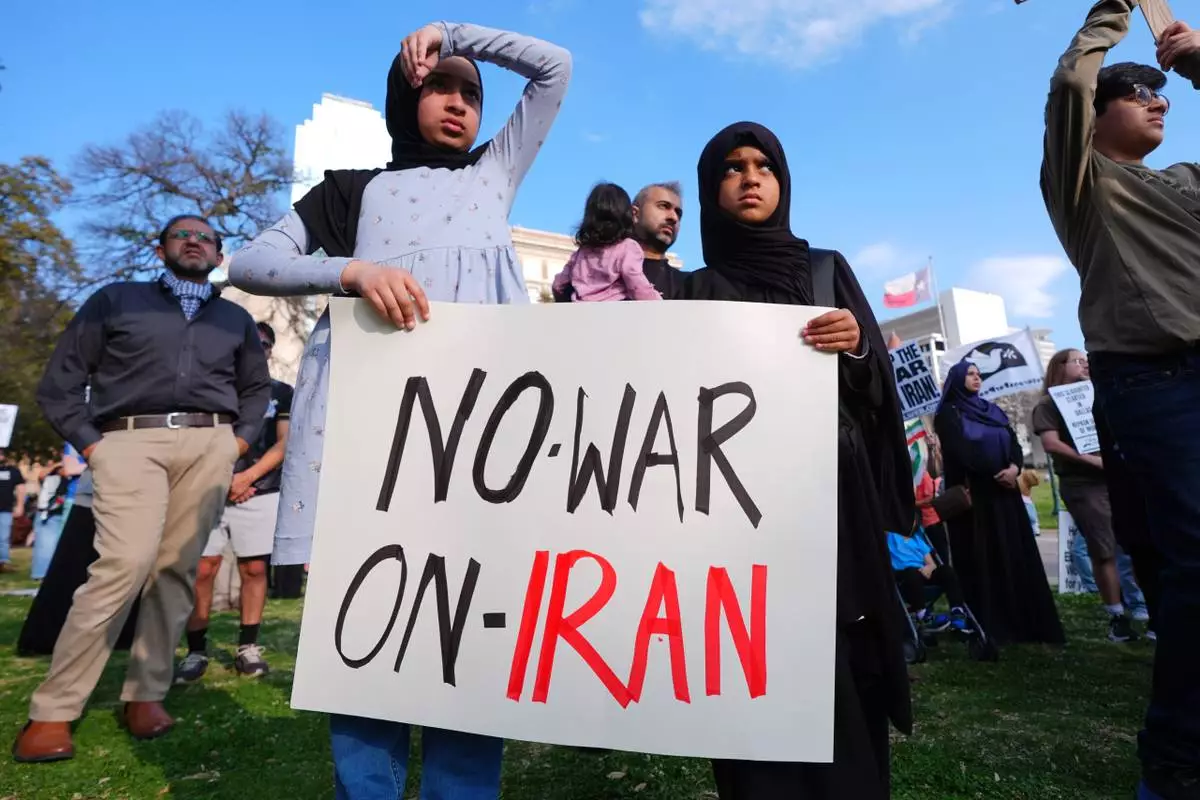
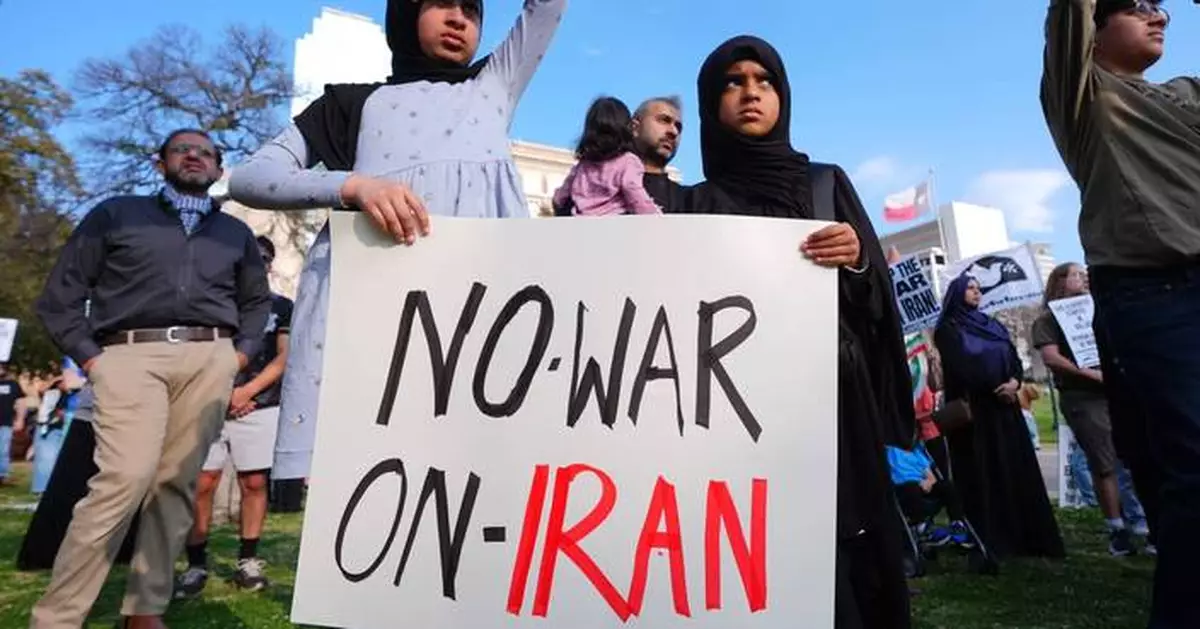
Children hold a sign protesting war against Iran during an antiwar demonstration at Dealey Plaza in downtown Dallas, Sunday, March 1, 2026. (AP Photo/LM Otero)
A U.S. submarine sank an Iranian warship in international waters, Defense Secretary Pete Hegseth said Wednesday. In addition to striking Tehran, Israel hit the Iranian-backed Hezbollah militant group in Lebanon, while Iran fired on Bahrain, Kuwait and Israel.
As the U.S.-Israeli war on Iran spiraled, Turkey said NATO defenses intercepted a ballistic missile launched from Iran before it entered Turkey’s airspace. Hegseth also said more forces will be arriving in the Middle East, adding that the U.S. “will take all the time we need to make sure that we succeed.”
The war has killed more than 1,000 people in Iran, more than 50 in Lebanon and around a dozen in Israel, according to officials in those countries.
Oil prices have soared following Iranian attacks on traffic through the Strait of Hormuz, and global stock markets have been hammered over worries that the spike in oil prices may grind down the world economy. U.S. stocks appeared steadier at Wednesday’s opening.
Here is the latest:
The president’s top spokeswoman pushed back against criticisms that the administration didn’t do enough to ensure Americans could leave the Middle East following the U.S. war in Iran.
Leavitt insisted that “there have been plans in place” and that the State Department has been clear to those in the region to leave immediately.
“We will help every single American who wants to come home if they’re making that request of the State Department,” she said.
Leavitt also said a State Department hotline that told callers not to rely on help from the U.S. government to leave the region has been corrected.
Asked if U.S. strikes hit a girls school in Iran — as officials in the region have suggested — Leavitt said, “Not that we know of.”
She said U.S. defense officials are “investigating this matter” and added that she wanted to say “very strongly, the United States of America does not target civilians, unlike the rouge Iranian regime.”
Iran’s top diplomat posted on social media on Monday an aerial photo showing rows of graves that he said were for more than 160 girls killed during a U.S.-Israeli strike on an elementary school in Minab.
U.S. Central Command spokesperson Capt. Tim Hawkins said then that he was “aware of reports” that a school was struck and that officials were looking into them.
The White House press secretary said Wednesday the U.S. launched its operation partly out of concern Iran might strike American personnel and assets in the region first.
Leavitt said a phone call between Trump and Israeli Prime Minister Benjamin Netanyahu before they launched the war was “important with respect to the timeline.”
However, she said, “I think the president, prior to that phone call, had a good feeling that the Iranian regime was going to strike the United States assets and our personnel in the region.”
Leavitt was asked about reports that Trump had a conversation with Kurdish leaders in Iraq and has sought military support for Iranian Kurdish groups.
“He did speak to Kurdish leaders with respect to our base that we have in northern Iraq. But as for any report suggesting that the president has agreed to any such plan is completely false and should not be written,” Leavitt said.
Asked if Trump thinks that Americans support the Israel-U.S. war in Iran — even though Trump hasn’t given a national address to personally make the case — Leavitt said, “I think he does.”
“This was a rogue terrorist regime that has been threatening the United States, our allies and our people for 47 years,” she said. “And the American people are smart enough to know that, and they’re smart enough to listen to the president himself — not just over the past year, in the second term, but during his first term as president.”
Recent polling shows that, prior to the U.S.-Israel strikes that started last weekend, 61% of Americans said Iran was an “enemy” of the U.S., but only about 3 in 10 Americans said they had “a great deal” or “quite a bit” of trust in Trump.
The White House on Wednesday said Spain has agreed to cooperate with U.S. operations in the Mideast after Trump had threatened to cut off trade with Madrid.
“With respect to Spain, I think they heard the president’s message yesterday loud and clear,” White House press secretary Karoline Leavitt said. “And it’s my understanding over the past several hours, they’ve agreed to cooperate with the US military. And so I know that the US military is coordinating with their counterparts in Spain.”
Trump on Tuesday said he was going to “cut off all trade with Spain,” the day after Foreign Minister José Manuel Albares said his country would not allow the U.S. to use jointly operated bases in southern Spain in any strikes not covered by the United Nations’ charter.
Leavitt said she would not take away military options on behalf of the president by ruling it out, saying that leaders in the past take options off the table “without having a full understanding of how things could develop.”
“It’s not part of the current plan, but I’m not going to remove an option for the president that is on the table,” Leavitt said.
Trump plans to attend the dignified transfer at Dover Air Force Base of U.S. troops killed in the Middle East conflict, the White House said Wednesday, one of the most solemn duties undertaken by the commander in chief.
The Pentagon is working to schedule the transfer. The U.S. has said six soldiers were killed.
“These heroes represent the very best among us,” White House press secretary Karoline Leavitt said Wednesday.
Columns of heavy smoke could be seen rising in the western and eastern parts of the capital on Wednesday, as anti-aircraft batteries thudded intermittently and ambulances sped by.
Security forces and plainclothes officers were on the streets while fewer civilians than usual walked by briskly.
Groceries and bakeries were less crowded than usual. Mostly, customers stocked up on bottled water and dried thin breads — a sign they were preparing for a longer war.
“I preferred to stay in my city since I love this city more than any other place,” said Bagher Abbasi, a 32-year-old taxi driver. “Maybe I can be more useful here in helping those who may need my service.”
Mexican President Claudia Sheinbaum announced the figure Wednesday. The foreign ministry said on X that most of the evacuees left by land from Israel, the United Arab Emirates, Lebanon and Qatar, and that they left through Egypt, Jordan and Turkey.
Internet access in Iran is almost entirely shut down, meaning residents use the brief windows of connectivity to send messages to the outside world.
A 23-year-old in Tehran told The Associated Press on Wednesday he hopes U.S. and Israeli strikes topple the Islamic Republic.
“It has to fall or they will take their revenge on us,” he wrote. He said that in January, he had joined anti-government protests in which security forces shot thousands of demonstrators and arrested tens of thousands more.
Another resident in the capital’s Velenjak neighborhood told the AP that “conditions in Tehran are falling apart fast” under the air campaign. As she spoke, ambulance sirens wailed and pro-government slogans blared from nearby mosque loudspeakers.
“The possibility of moving around isn’t as much as before,” she said, adding: “I hope whatever is good for Iran, happens.”
By Amir-Hussein Radjy in Cairo.
Merchant ship MV Safeen Prestige, which flies the Maltese flag and owned by an Egyptian company, was hit by two missiles Wednesday afternoon while passing through the Strait of Hormuz. That’s according to Malta’s minister for transport, infrastructure and public works, Chris Bonett, speaking in Parliament.
He said that the ship caught fire, primarily in the engine room, and that the vessel suffered relatively heavy damage. However, the 24 seafarers aboard — 21 Egyptians and 3 Ukrainians — did not suffer injuries and were rescued by Oman’s navy, he said.
Earlier Wednesday, a British military agency, the United Kingdom Maritime Trade Operations, announced that the vessel was heading east through the Strait of Hormuz when it was hit by an unknown projectile, and that the ship had a fire in its engine room.
Lebanon’s health ministry said Wednesday that 72 people have been killed and 437 wounded in Israeli strikes since the latest escalation with Hezbollah began three days ago.
More than 83,000 people have been displaced, Social Affairs Minister Haneed Sayed said.
Iran-allied Hezbollah entered the conflict Monday, firing missiles and drones into Israel for the first time in more than a year. Israel has responded with widespread strikes and warned residents to evacuate parts of southern Lebanon.
The U.S. State Department said Wednesday it has offered them assistance or information about leaving the region.
The department is trying to arrange charter flights and other transportation despite embassy closures and Iranian missile and drone strikes that have shut airports and airspace across the region. It was not immediately clear whether any U.S.-arranged flights have departed.
More than 17,500 Americans have returned to the United States since Saturday, including over 8,500 on Tuesday. Most traveled on commercial flights without government assistance.
The military issued more warnings Wednesday evening about incoming missiles from Iran, sending millions of Israelis into shelters.
The strikes from Iran and Lebanon have targeted Israel throughout the day, with most of the projectiles intercepted or falling in open areas.
President Recep Tayyip Erdogan said Wednesday that Turkey is issuing “warnings” to prevent further incidents after NATO defenses intercepted an Iranian ballistic missile.
Erdogan made the comment at a Ramadan meal after Turkey summoned Iran’s ambassador to protest the incident.
Lebanon’s health ministry, cited by U.N. children’s agency, said Wednesday that seven children were killed and 38 injured in Israeli airstrikes across the country in the past 24 hours.
Nearly 60,000 people, including about 18,000 children, were displaced in the last 24 hours, UNICEF said, adding to tens of thousands already uprooted.
“No child should ever be killed or left to bear the lifelong physical and emotional scars of violence,” UNICEF’s Lebanon representative Marcoluigi Corsi said.
The electricity ministry said Wednesday the national power grid has “completely shut down across all Iraqi provinces.”
The cause was not immediately clear. Officials said crews were working to restore power stations and transmission lines.
Outages had already hit the semi-autonomous Kurdish region after a key gas field halted operations over security concerns. Iraq’s oil ministry also said Tuesday it stopped production at a major field near Basra, citing a tanker shortage in the Persian Gulf amid the conflict.
Iranian President Masoud Pezeshkian said Wednesday his government pursued diplomacy to avoid war but was forced to defend itself after U.S. and Israeli attacks.
“We respect your sovereignty,” Pezeshkian said on X in a message to neighboring countries and allies, “and believe the region’s security and stability has to be achieved through the collective efforts of its states.”
Iran has fired missiles and drones at Israel and U.S. bases in the Gulf, although many munitions and debris from interceptions have hit civilian areas.
The Israeli military said it attacked a compound in eastern Tehran housing the headquarters for the Islamic Revolutionary Guard Corps, the elite Quds Force, the intelligence directorate, Basij paramilitary force, Iran’s cyber unit, and a “unit in Internal Security responsible for suppressing protests.”
More than 250 bombs were dropped by over 100 fighter jets in the “wide-scale” strike, according to an Israeli military official who spoke on condition of anonymity because he was not authorized to speak publicly.
Iraq’s hopes of World Cup qualification are being impacted by the Iran war because embassy and airspace closures are preventing players from getting visas for the playoff tournament in Mexico.
The Iraqi soccer federation says it’s communicating with FIFA about its match against Bolivia or Suriname in Monterrey, Mexico, on March 31.
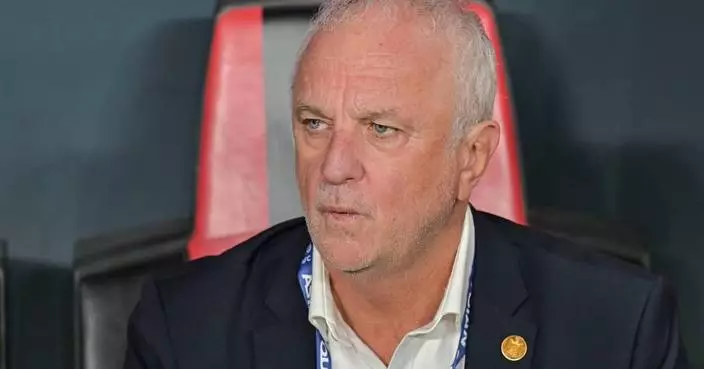
The federation wrote in a social media post that its coach, Graham Arnold, is unable to leave the United Arab Emirates, and several players and staff members are experiencing trouble obtaining visas.
Iraq and the UAE have been floated as potential replacements for Iran’s team — which has already qualified — should the Iranians not participate in the World Cup.
The Iran war’s disruption of Middle East oil and gas supplies and soaring prices are strengthening Russia’s ability to profit from its energy exports. That’s a pillar of the Kremlin’s budget and a key to paying for its own war in Ukraine.
The Lebanese military says they were “illegally possessing weapons and munitions.” It did not say whether the 26 Lebanese and one Palestinian were affiliated with Hezbollah or any other militant group.
Lebanon’s political authorities have criticized Hezbollah’s rocket attack on northern Israel that sparked this week’s pounding by Israeli jets of southern Lebanon and areas near Beirut.
Iran’s foreign minister, Abbas Araghchi, made the claim during a phone call Wednesday.
Qatar’s prime minister and foreign minister, Sheikh Mohammed bin Abdulrahman Al Thani, “categorically rejected” it, according to a readout released by the foreign ministry. The minister said attacks also have targeted residential areas and critical infrastructure, including near the main airport and liquefied natural gas facilities.
This is the first engagement between Iran and Qatar made public since the war started over the weekend.
Defense Minister Israel Katz has told military intelligence officers that the operation was moved up because of “developments and circumstances” including events inside Iran and “the position of the President of the United States, and the whole possibility of creating a combined operation here.” The comments were provided by his office.
The chair of the Joint Chiefs of Staff says the number of ballistic missiles fired by Iran is down by 86% from Saturday, with a 23% drop in missiles fired in the last 24 hours.
“And their one-way-attack drone shots are down 73% from the opening days,” Caine said.
But some experts have said Iran may be holding some weapons in reserve to prolong the conflict.
Some 60,000 Israelis had evacuated towns and cities along the border for over a year during the previous fighting with Hezbollah.
There are no current plans to evacuate Israelis this time. That’s according to Igor Abramovich, who is part of the emergency team for Kibbutz Manara.
He said there can be over 10 explosions in an hour at times. “There are people that’s really bringing up trauma for them, it’s really difficult right now,” he said.
Gen. Dan Caine, chair of the Joint Chiefs of Staff, says the U.S. Navy fast-attack submarine used “a single Mark 48 torpedo.”
A U.S. official, who was not authorized to comment publicly and spoke on condition of anonymity, confirmed the Iranian ship was the Dena.
The sinking of the Iranian warship in the Indian Ocean illustrates how the U.S. military operation against Iran is stretching far beyond the Islamic Republic’s borders. Trump has said that one of the U.S. military’s main objectives in the campaign is to wipe out its Navy.
By Konstantin Toropin and Ben Finley
Turkey’s foreign ministry has summoned Iran’s ambassador in protest over the firing of a ballistic missile that was intercepted before entering Turkish airspace, a Turkish official says.
The official spoke on condition of anonymity in line with government regulations.
By Suzan Fraser
The officials spoke on condition of anonymity to discuss intelligence matters.
One senior official said the rate of Iranian missile strikes is declining due to U.S. and Israeli success at taking out launch sites, but said Iran may be holding back some of its stocks.
A second official said it’s “definitely an issue” that countries targeted by Iran are going through their defensive missiles, and they will have to carefully manage their own stocks.
By Jill Lawless
Internet monitoring group NetBlocks says Iran has been offline now for 100 hours. This is the second such blackout this year imposed by Iranian authorities. The first was for nationwide protests in January.
NetBlocks says metrics show internet connectivity at 1% of normal levels.
NetBlocks during the previous shutdown in Iran estimated that it cost the country over $37 million.
Navy spokesman Commander Buddhika Sampath says that by the time naval ships reached the location of the Iranian ship’s sinking, “there were only some oil patches and life rafts. We found people floating on the water.”
The U.S. military has said a torpedo from a U.S. submarine sank the ship.
The S&P 500 rose 0.4% in early trading. The Dow Jones Industrial Average rose 197 points. The Nasdaq composite added 0.7%.
Over 20,000 of the more than 36,000 flights scheduled to fly to or from the Middle East between Saturday’s start of the war and today have been canceled. That’s according to aviation analytics firm Cirium.
Shipping tracker MarineTraffic.com reports the sharp trend.
The disruption is costly for the global oil trade. A fifth of the world’s oil passes through the strait.
Major shipping firms have routed vessels away from the area over security concerns.
The Iranian warship sunk by a U.S. submarine was in the Indian Ocean. Hegseth called the strike the first such attack on an enemy since World War II.
Sri Lankan authorities said 32 people were rescued from the ship, which sank off their country’s coast. They said others died, without giving a number.
Sirens warning of incoming drones and projectiles have been going off almost nonstop for the past hour and a half in different parts of northern Israel. The Israeli military said that at least some of the fire came from Lebanon.
For the third time Wednesday, there are new sirens in central Jerusalem announcing incoming fire. One loud boom could be heard. Sirens also went off in Tel Aviv.
Israel’s rescue services said there were no immediate casualties from latest barrage.
“We’ve also opened up space available, seats, as C-17s and other airplanes come in to try to help folks get out,” the chair of the Joint Chiefs of Staff says, referring to the large C-17 military transport planes.
Caine gave no details how many Americans are being helped. The U.S. State Department has urged citizens to leave more than a dozen countries.
The country’s interior ministry has just announced them.
An Israeli military official, speaking on condition of anonymity under military protocol, estimates there are 4,000 to 5,000 calls daily to coordinate between Israel and the U.S. across the chain of command.
The official also says top U.S. and Israeli commanders began planning the war’s opening strike three weeks ago.
The defense secretary says the timeline could go further than previously speculated.
“You can say four weeks, but it could be six, it could be eight, it could be three,” he says. “Ultimately, we set the pace and the tempo.”
Stephane Cohen of Israel’s Institute for National Security Studies Data Analytics Center says that based on Israel’s announced targets and satellite imagery, the campaign resembles a dentist’s “root canal” — dismantling Iran’s defense infrastructure and preventing rapid reconstruction.
Targets have included missile sites, Revolutionary Guard stations, naval bases and air defense systems.
The volume of munitions and scale of visible damage far exceed last year’s 12-day war, Cohen said. In some places, the ash, dust and rubble resemble strikes on Gaza.
Cohen says it’s “everything related to the regime.”
“We have pushed every counter-UAS system possible forward, sparing no expense or capability,” Hegseth says, referencing drones. “Like I said, this does not mean we stop everything.”
On Sunday, six American soldiers were killed at an operations center targeted by an Iranian drone strike in the heart of a civilian port in Kuwait.
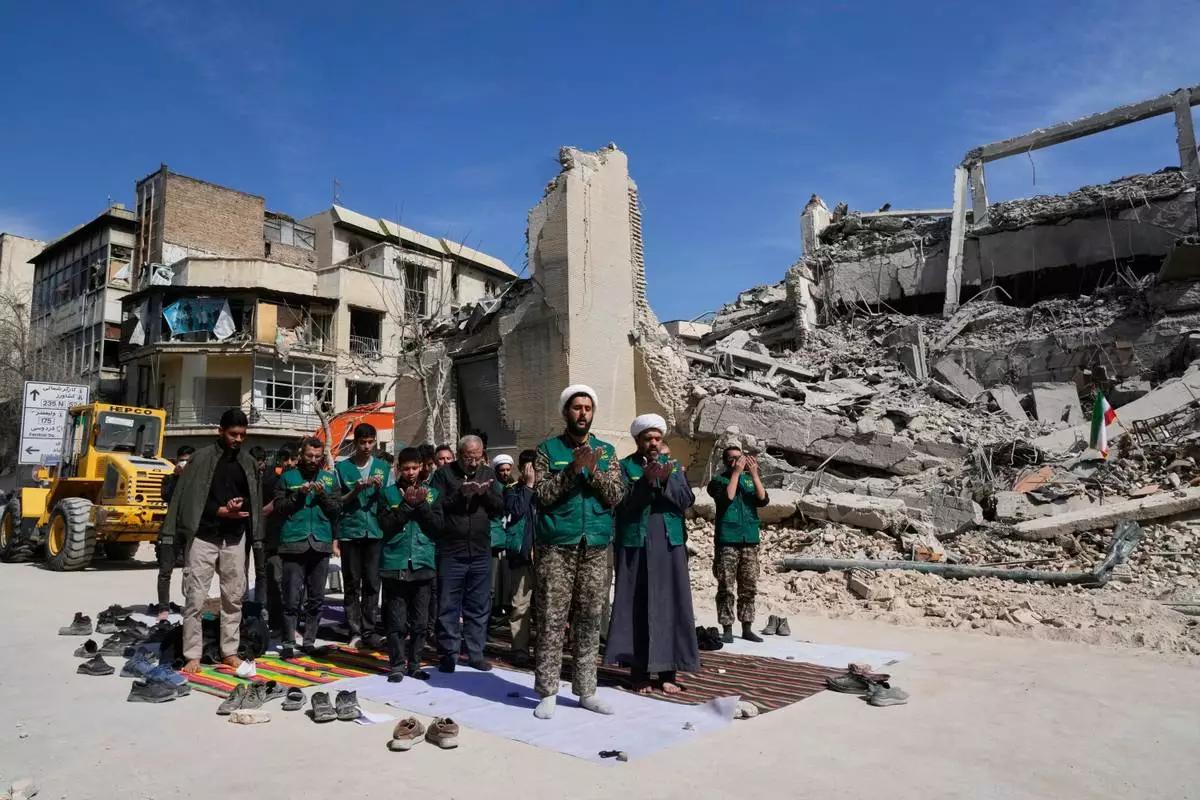
A cleric leads a group of volunteers in prayer next to a police facility struck during the U.S.–Israeli military campaign in Tehran, Iran, Wednesday, March 4, 2026. (AP Photo/Vahid Salemi)
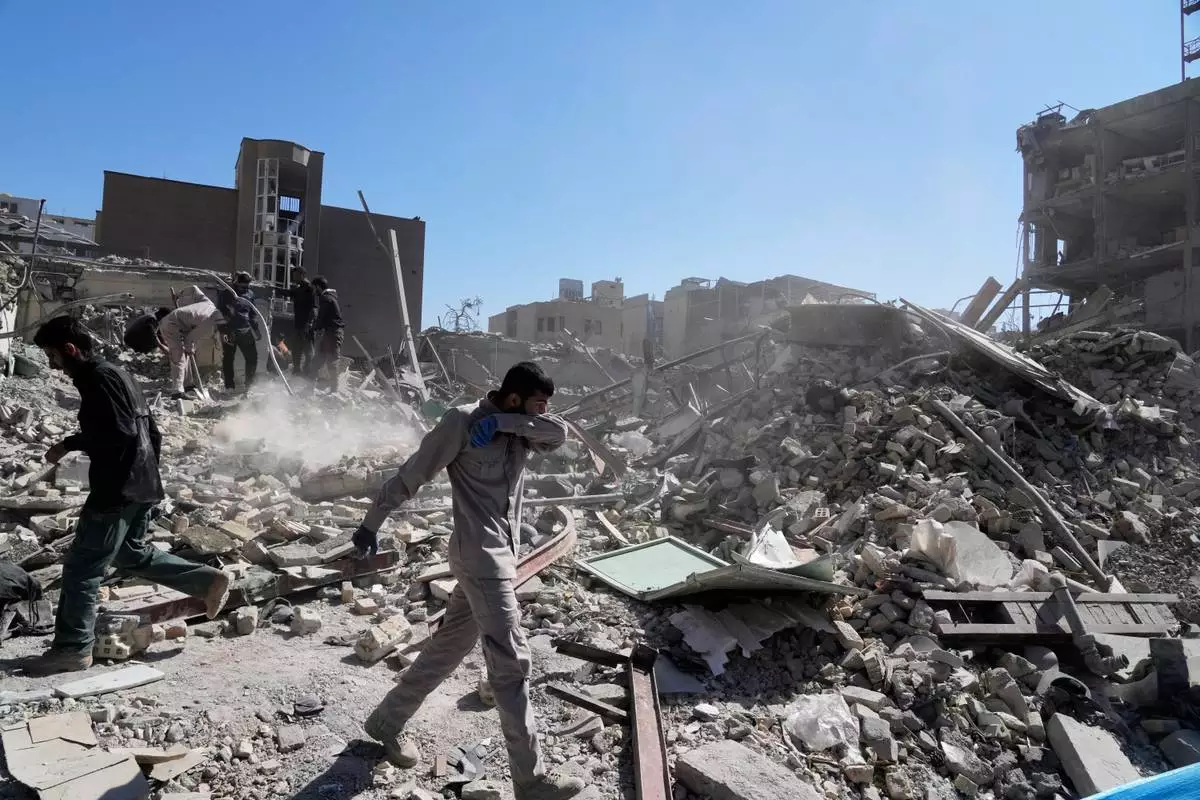
A group of men inspect the ruins of a police station struck Monday amid the U.S.–Israeli military campaign in Tehran, Iran, Tuesday, March 3, 2026. (AP Photo/Vahid Salemi)
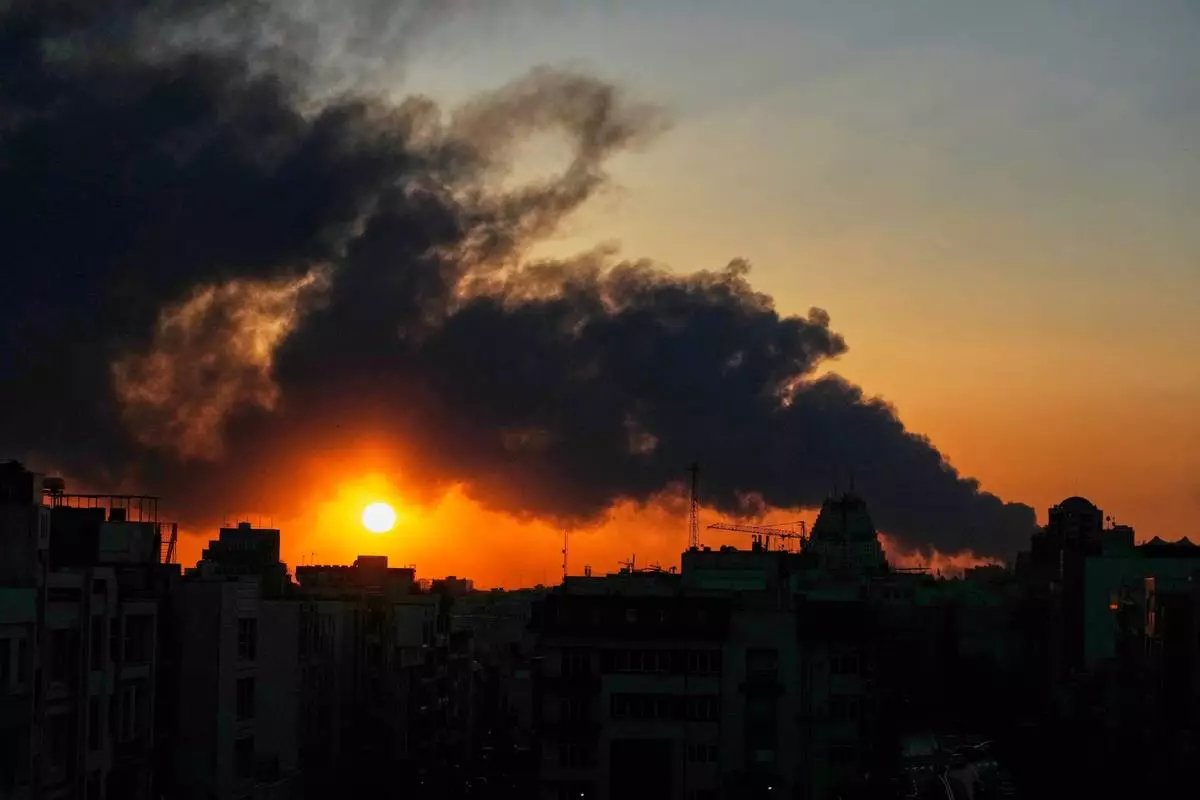
The sun sets behind a plume of smoke rising after a U.S.–Israeli military strike in Tehran, Iran, Tuesday, March 3, 2026. (AP Photo/Vahid Salemi)

Defense Secretary Pete Hegseth and Chairman of the Joint Chiefs of Staff Gen. Dan Caine, speak during a press briefing at the Pentagon, Wednesday, March 4, 2026, in Washington. (AP Photo/Konstantin Toropin)
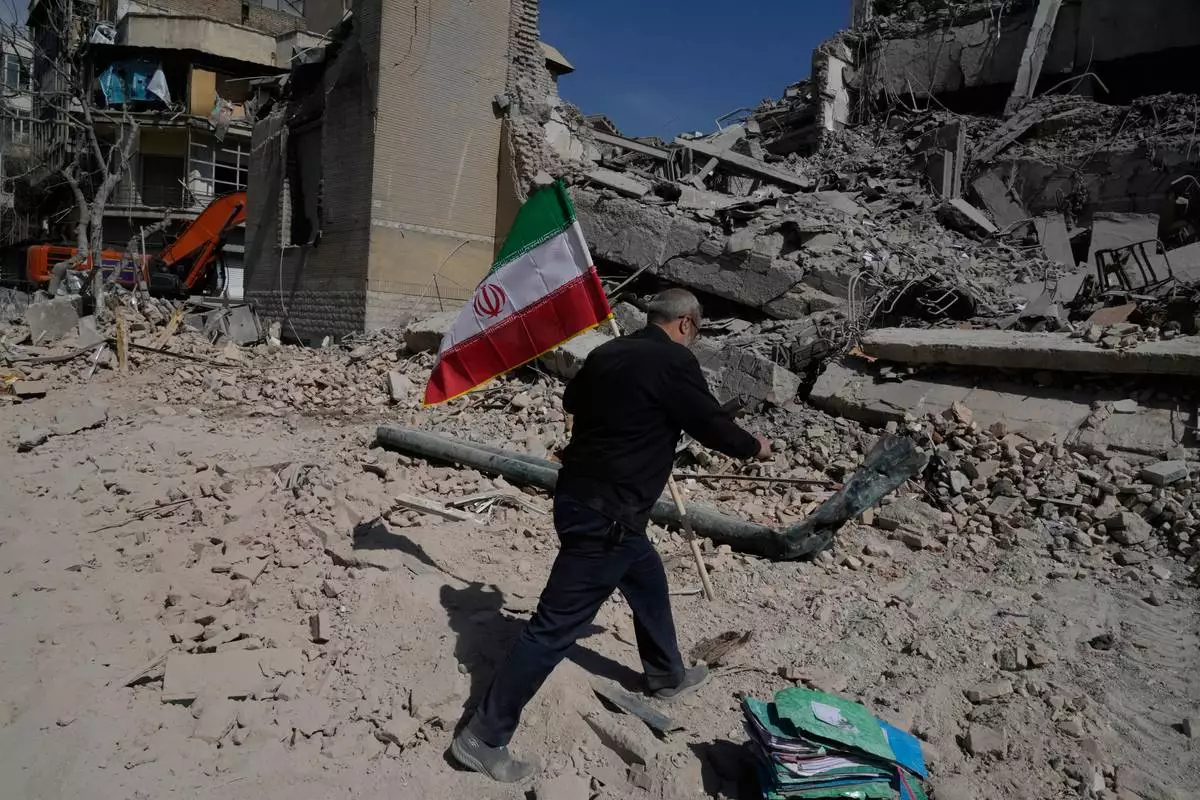
A man carries an Iranian flag to place on the rubble of a police facility struck during the U.S.–Israeli military campaign in Tehran, Iran, Wednesday, March 4, 2026. (AP Photo/Vahid Salemi)
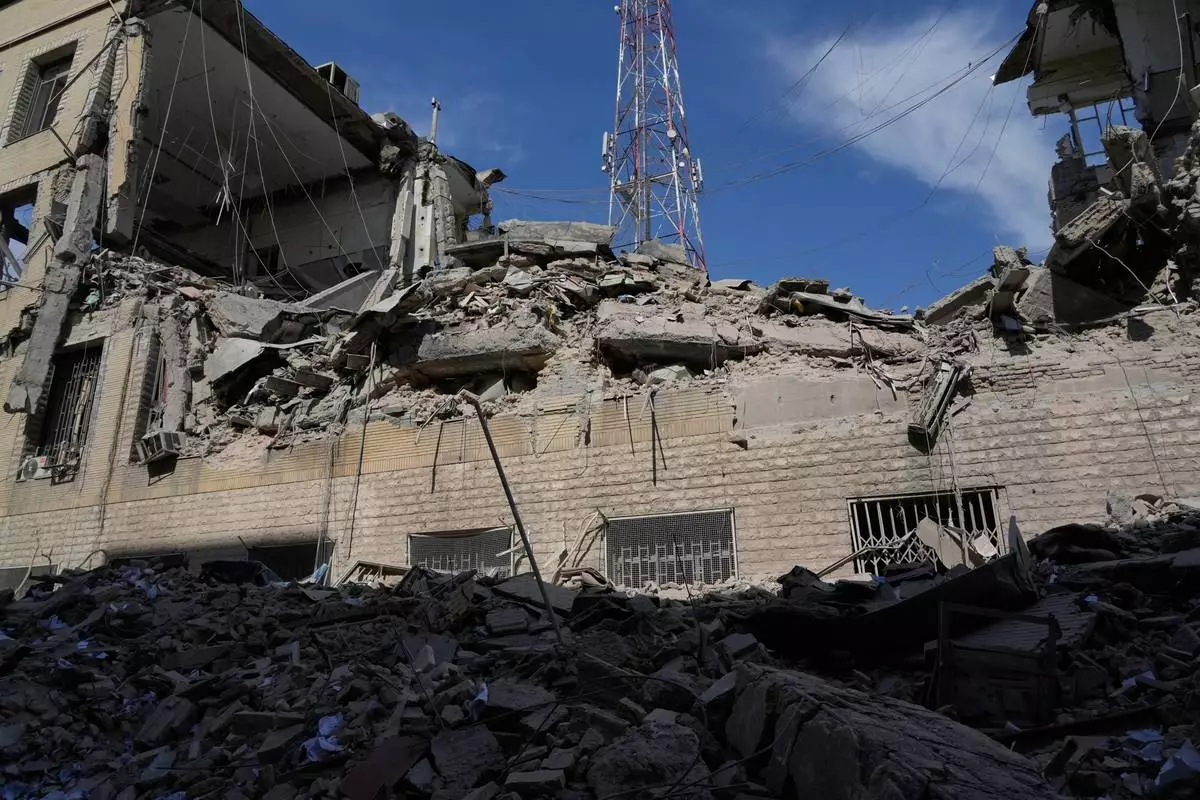
The rubble of a police facility struck during the U.S.–Israeli military campaign is seen in Tehran, Iran, Wednesday, March 4, 2026. (AP Photo/Vahid Salemi)
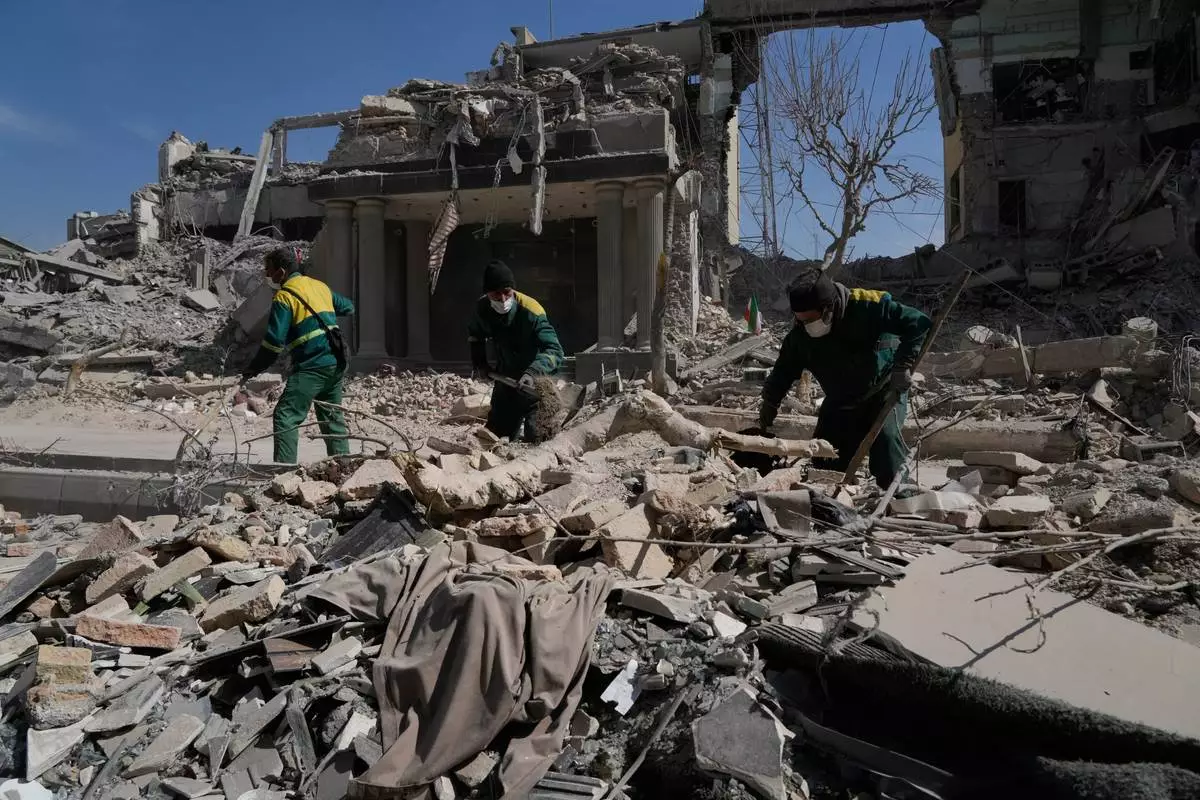
Workers remove the rubble of a police facility struck during the U.S.–Israeli military campaign in Tehran, Iran, Wednesday, March 4, 2026. (AP Photo/Vahid Salemi)
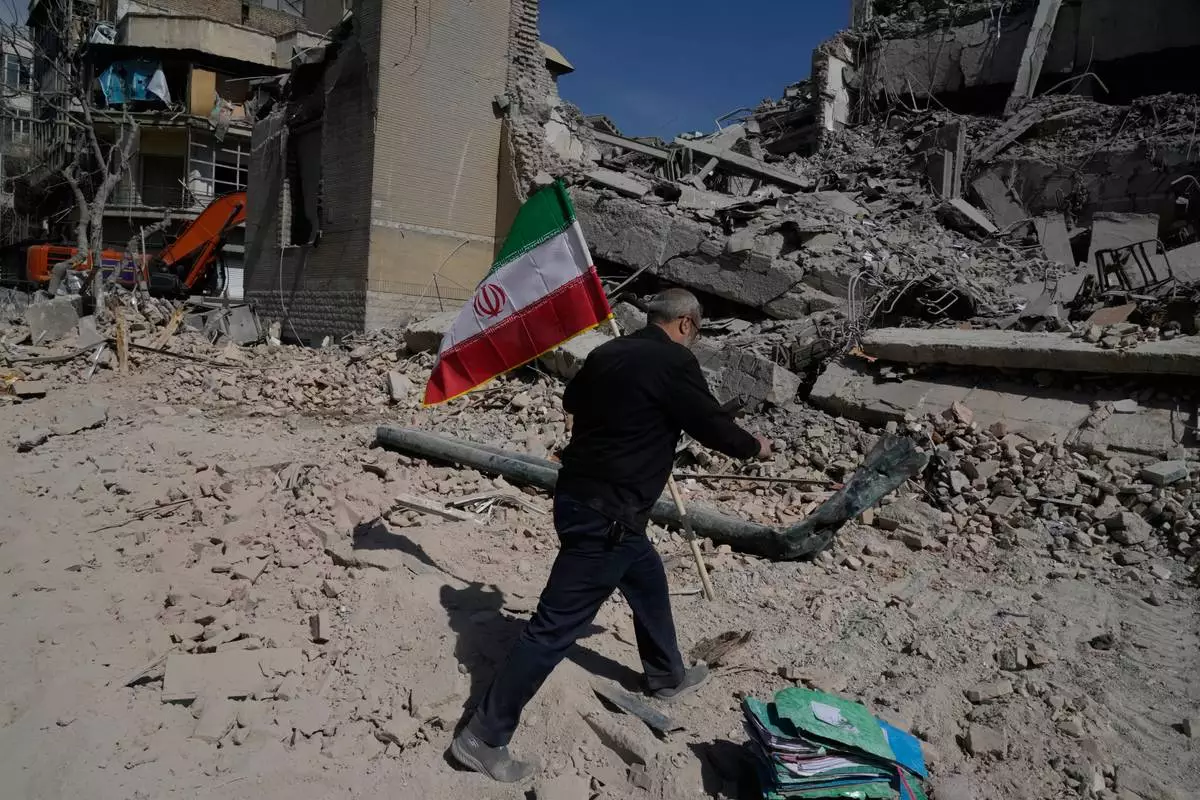
A man carries an Iranian flag to place on the rubble of a police facility struck during the U.S.–Israeli military campaign in Tehran, Iran, Wednesday, March 4, 2026. (AP Photo/Vahid Salemi)
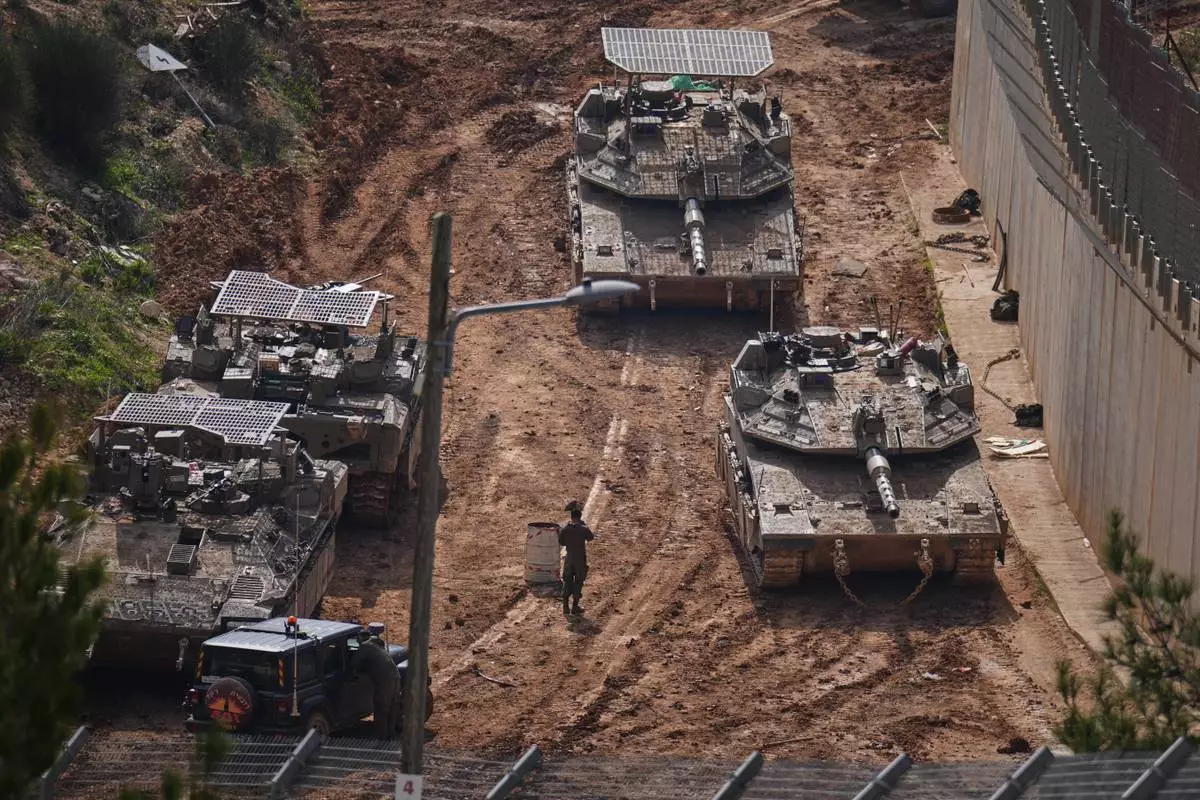
Israeli tanks maneuver near the Israel-Lebanon border, in northern Israel, Wednesday, March 4, 2026. (AP Photo/Ariel Schalit)
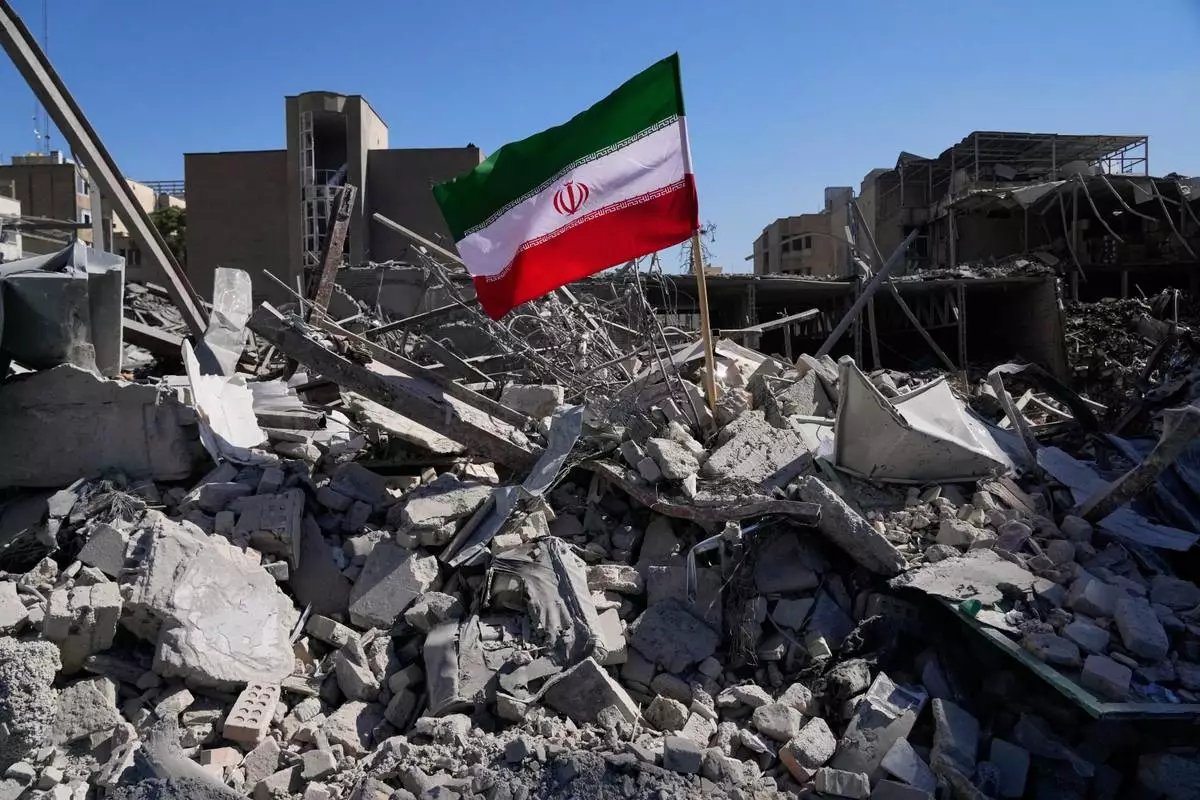
An Iranian flag is placed among the ruins of a police station struck Monday during the U.S.–Israeli military campaign in Tehran, Iran, Tuesday, March 3, 2026. (AP Photo/Vahid Salemi)
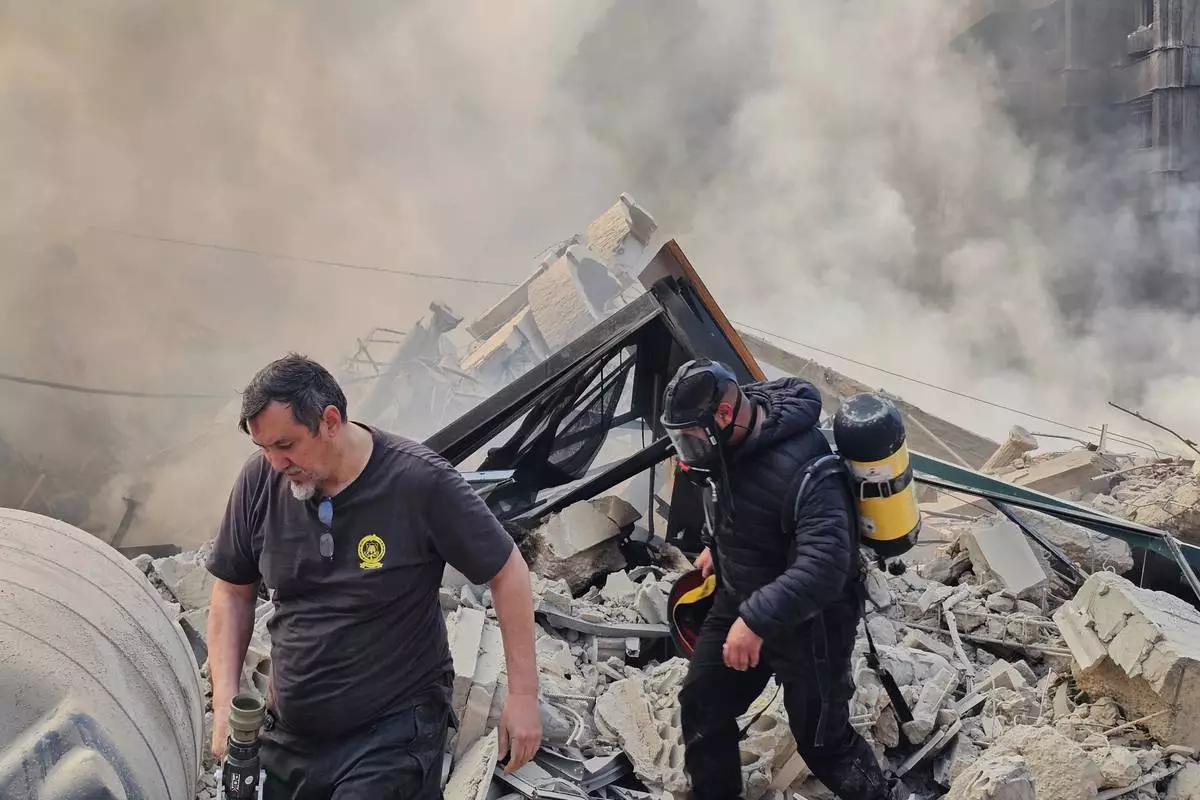
Firefighters inspect the rubble as smoke rises from a building hit by an Israeli airstrike in Dahiyeh, a southern suburb of Beirut, Lebanon, Tuesday, March 3, 2026. (AP Photo/Hassan Ammar)
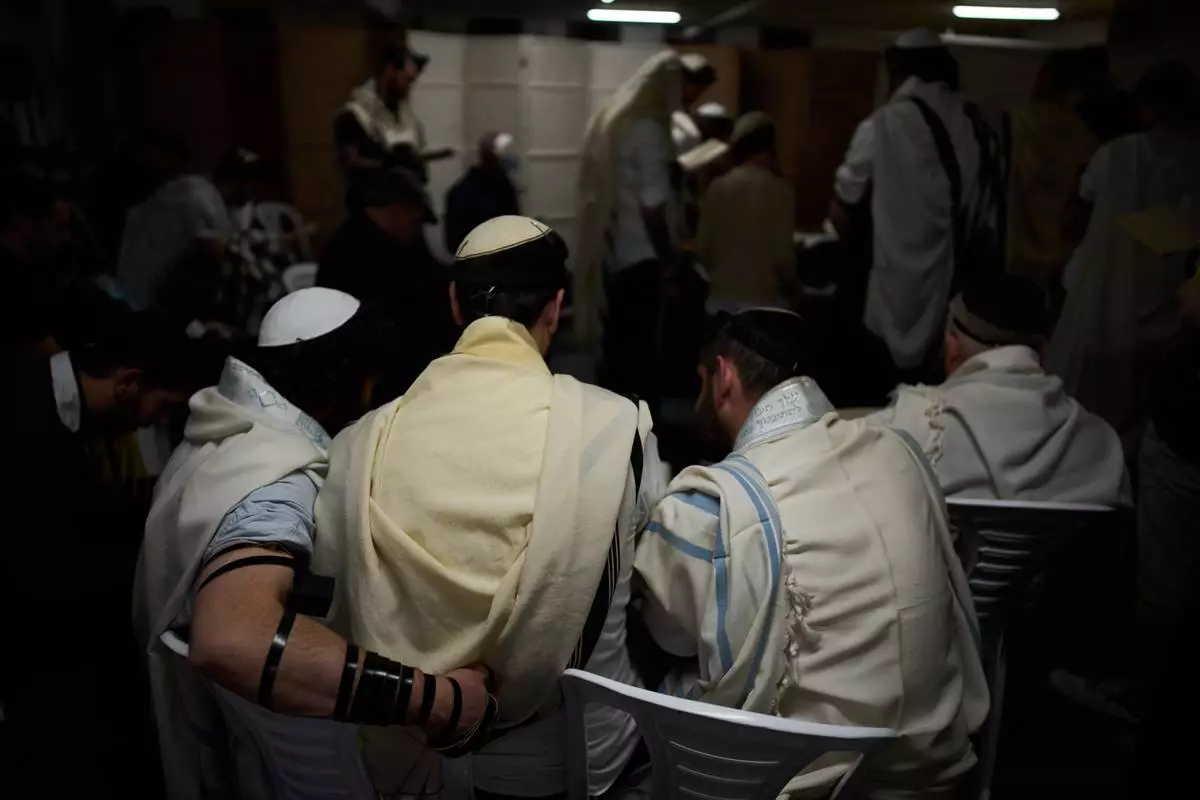
Jewish men covered in prayer shawls pray in an underground parking garage as a precaution against possible Iranian missile attacks, in Tel Aviv, Israel, Tuesday, March 3, 2026. (AP Photo/Oded Balilty)
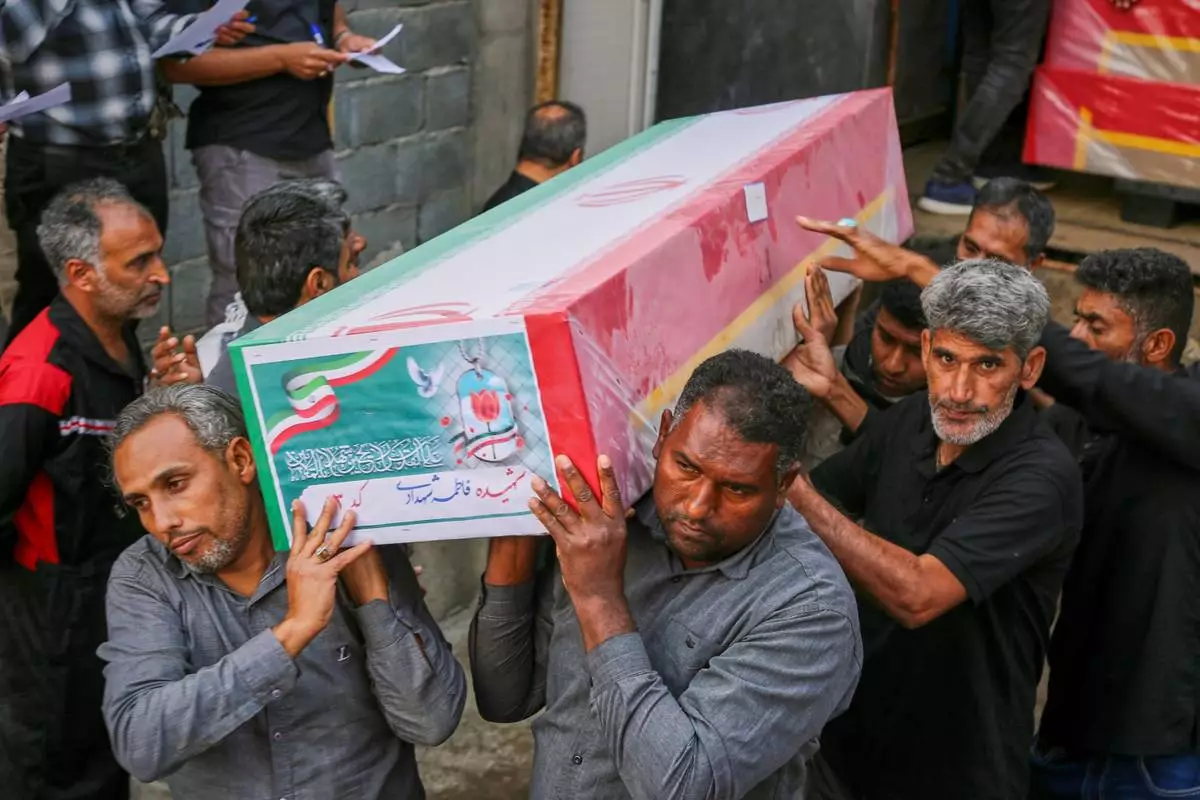
A coffin is carried during the funeral of mostly children killed in what Iranian officials said was an Israeli-U.S. strike Feb. 28 at a girls' elementary school in Minab, Iran, Tuesday, March 3, 2026. (Abbas Zakeri/Mehr News Agency via AP)

A man takes shelter in an underground metro station as a precaution against possible Iranian missile attacks, in Ramat Gan, Israel Monday, March 2, 2026. (AP Photo/Oded Balilty)
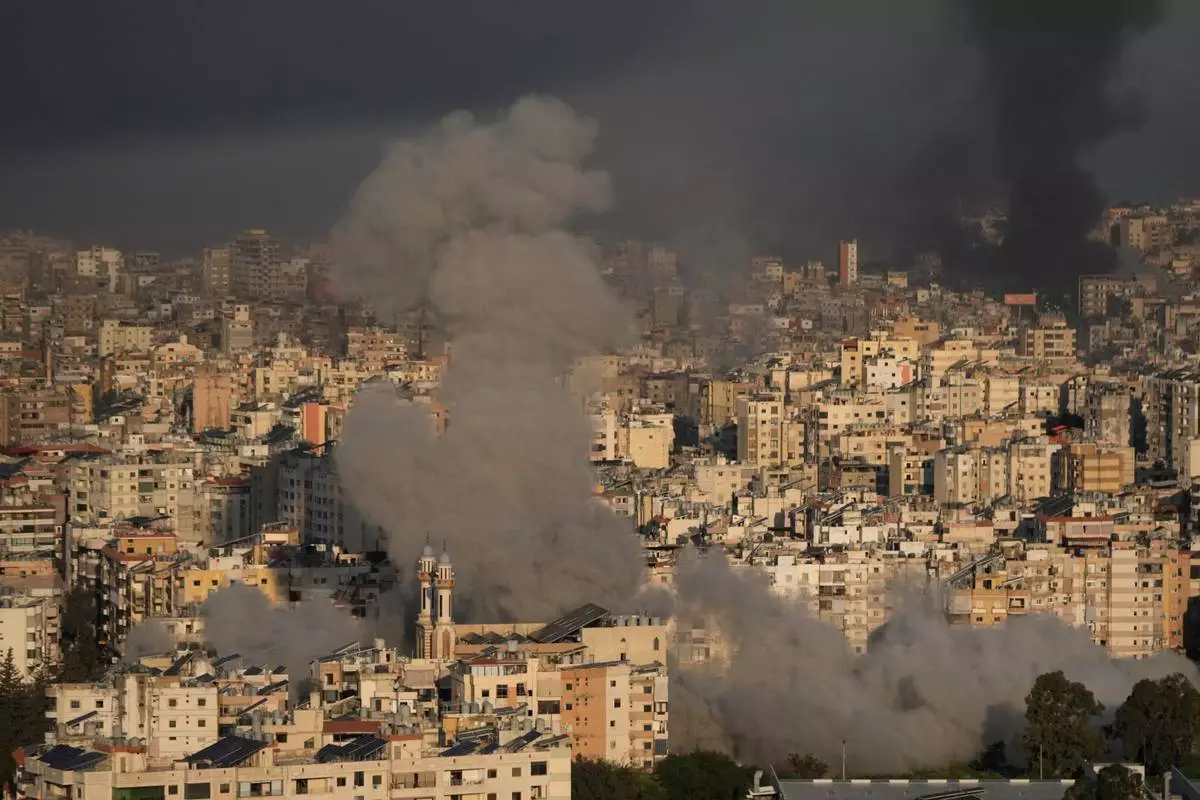
Smoke rises from Israeli airstrikes in Dahiyeh, a southern suburb of Beirut, Lebanon, Tuesday, March 3, 2026. (AP Photo/Hussein Malla)