ICHIKAWA, Japan (AP) — Punch the baby orphan macaque is outgrowing the orangutan plushie that comforted him through early rejection from his mother and other monkeys.
Images of Punch dragging around the toy bigger than him drew attention to the residents of a zoo near Tokyo. When other monkeys shooed the baby away, Punch rushed back to the toy orangutan, hugging it for comfort.
Click to Gallery
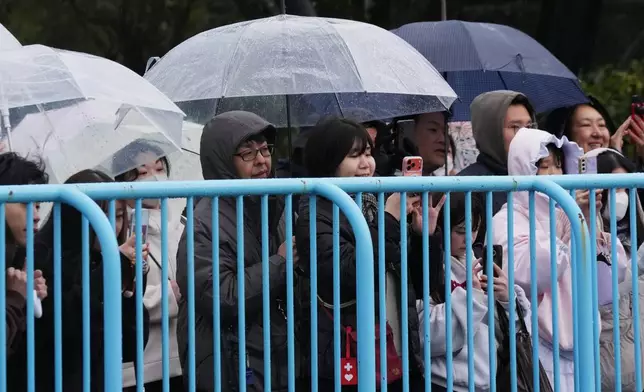
Visitors stand close to the fence to see Punch, a Japanese macaque born on July 26, 2025 in the monkeys' playground at the Ichikawa city zoo in Tokyo's eastward neighboring city, Tuesday, March 3, 2026. (AP Photo/Hiro Komae)
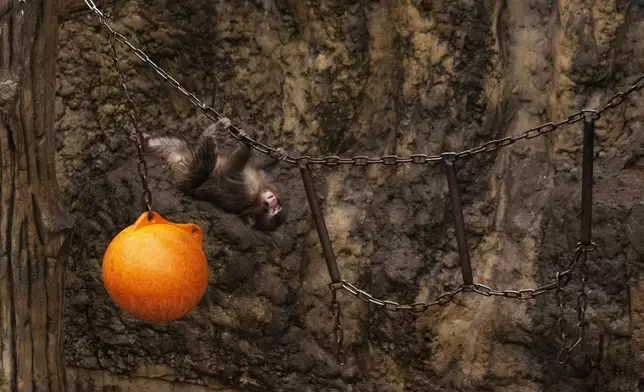
Punch, a Japanese macaque born on July 26, 2025, plays in the monkeys' playground at the Ichikawa city zoo in Tokyo's eastward neighboring city, Tuesday, March 3, 2026. (AP Photo/Hiro Komae)
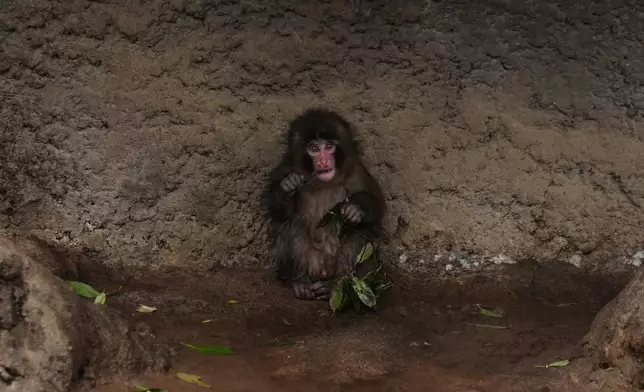
Punch, a Japanese macaque born on July 26, 2025, eats in the monkeys' playground at the Ichikawa city zoo in Tokyo's eastward neighboring city, Tuesday, March 3, 2026. (AP Photo/Hiro Komae)
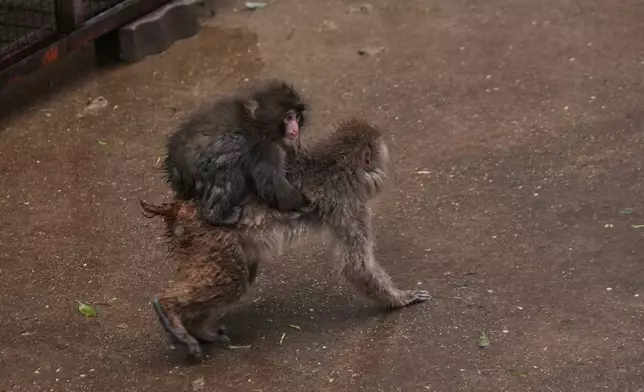
Punch, a Japanese macaque born on July 26, 2025, climbs on the back of another in the monkeys' playground at the Ichikawa city zoo in Tokyo's eastward neighboring city, Tuesday, March 3, 2026. (AP Photo/Hiro Komae)
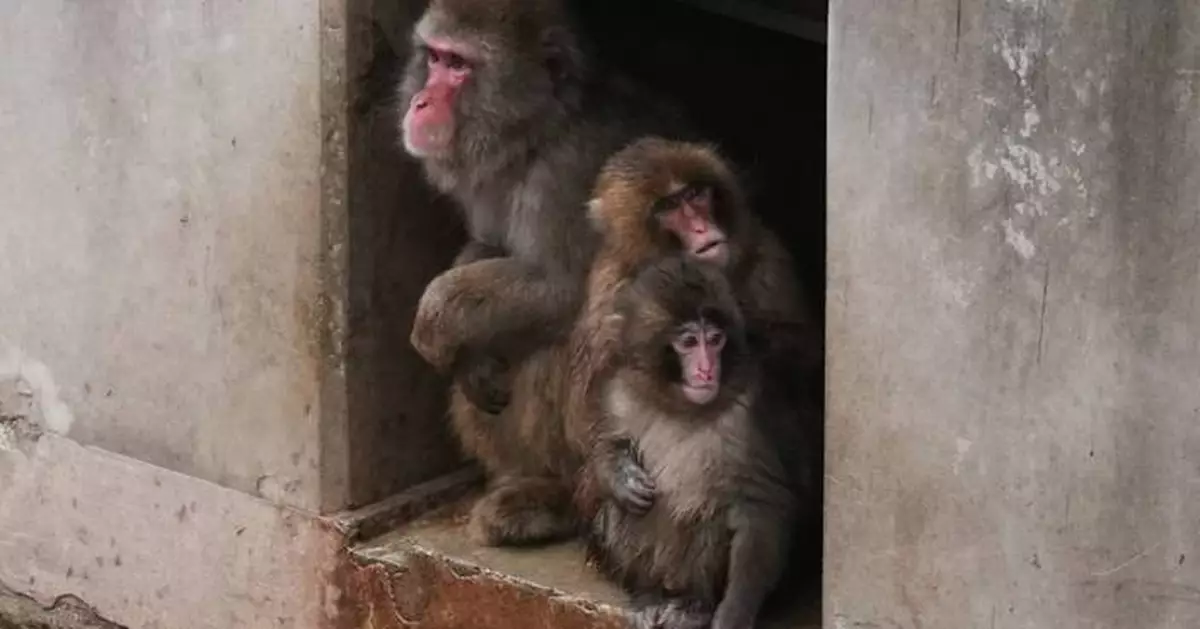
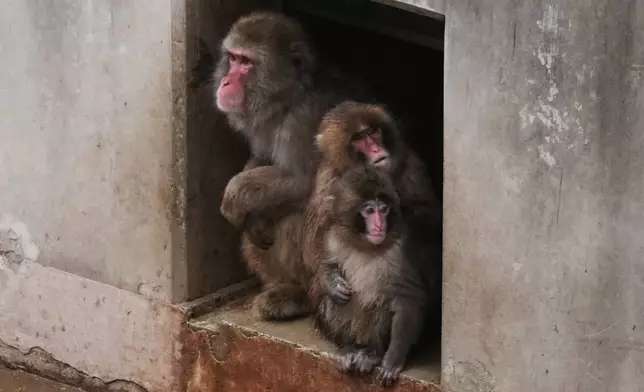
Punch, right a Japanese macaque born on July 26, 2025, sits with others in the monkeys' playground at the Ichikawa city zoo in Tokyo's eastward neighboring city, Tuesday, March 3, 2026. (AP Photo/Hiro Komae)
But he's been using the toy less. On a recent day, Punch was seen climbing on the back of another monkey, sitting with adults and sometimes getting groomed or hugged.
“It was good to see him grow, and I’m reassured,” said Sanae Izumi, a 61-year-old Punch fan from Osaka who came to the zoo because she was worried about the baby monkey. “He is adorable!”
Punch was abandoned by his mother after his birth, presumably because of exhaustion. Zookeepers nursed him and gave him the toy to train him to cling, an ability newborn macaques need to survive.
“Helping Punch learn the rules of monkey society and being accepted as a member is our most important task,” said Kosuke Kano, a 24-year-old zookeeper.
Punch was so popular after images of him and his toy showed up online last month, the zoo had to set rules to make visitors be quiet and to limit viewing to 10 minutes to reduce stress for the more than 50 other monkeys.
Punch eschewing the toy most of the time now is a good thing.
“When he grows out of the plush toy that encourages his independence, and that’s what we are hoping for,” zoo director Shigekazu Mizushina said.
Punch still sleeps with his toy every night, but Mizushina said the next thing keepers want to see is Punch bunched up with other monkeys to sleep.
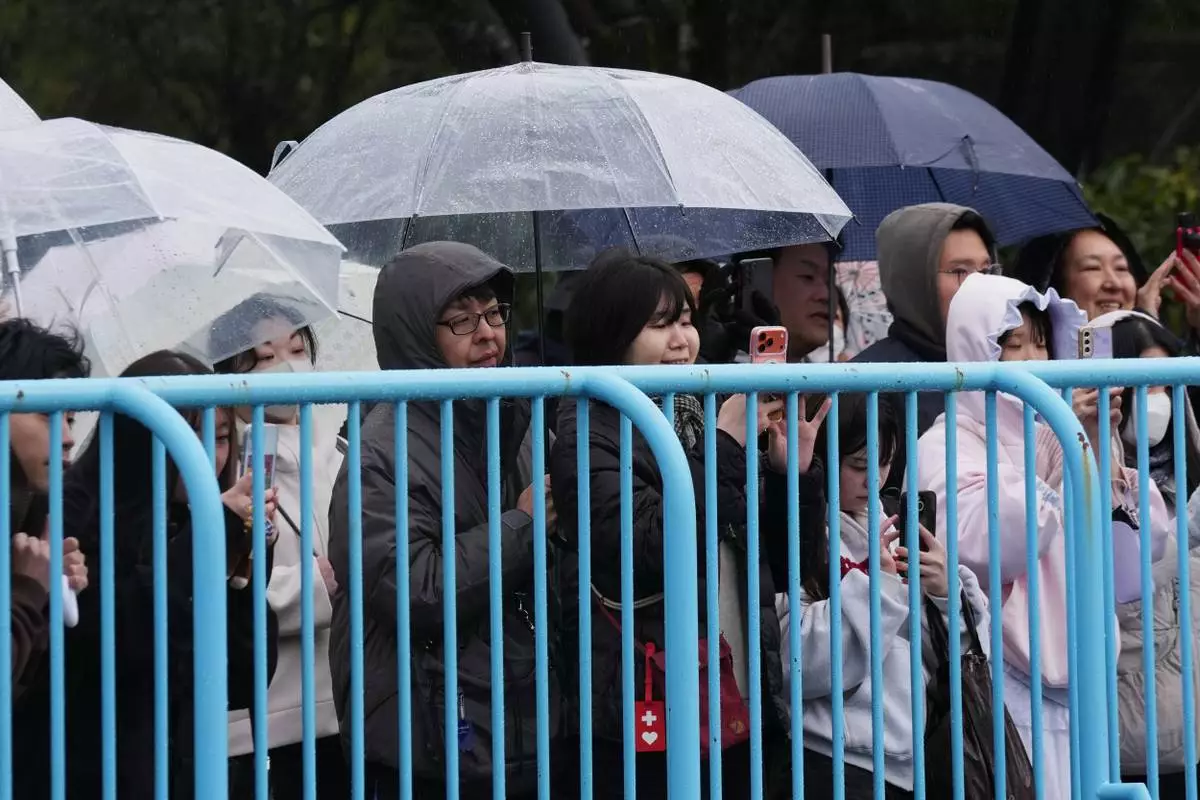
Visitors stand close to the fence to see Punch, a Japanese macaque born on July 26, 2025 in the monkeys' playground at the Ichikawa city zoo in Tokyo's eastward neighboring city, Tuesday, March 3, 2026. (AP Photo/Hiro Komae)
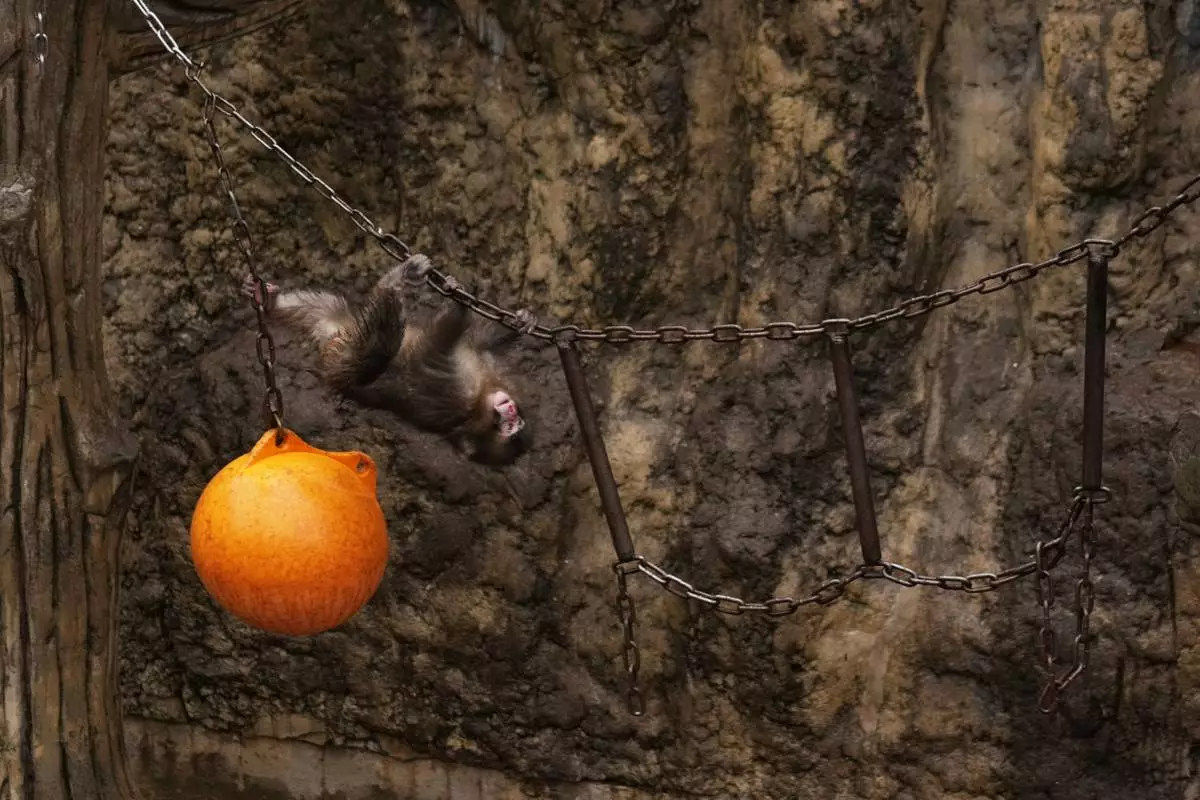
Punch, a Japanese macaque born on July 26, 2025, plays in the monkeys' playground at the Ichikawa city zoo in Tokyo's eastward neighboring city, Tuesday, March 3, 2026. (AP Photo/Hiro Komae)
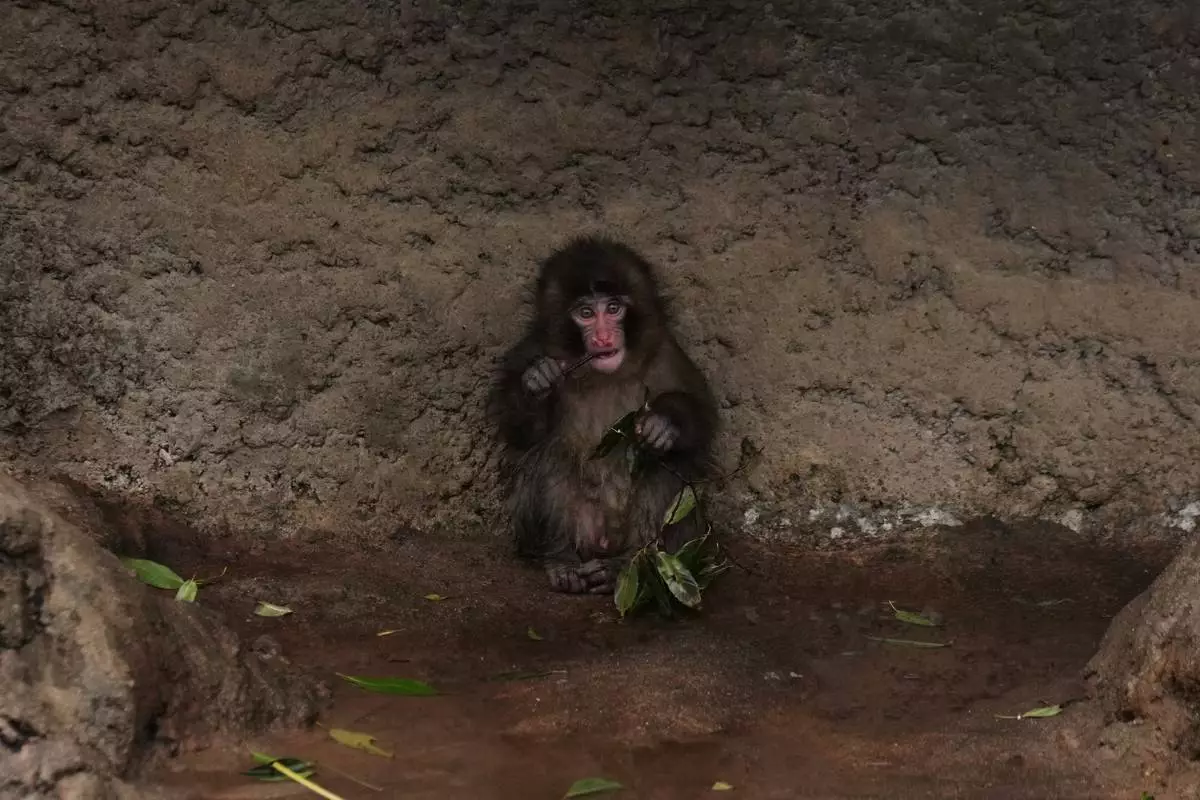
Punch, a Japanese macaque born on July 26, 2025, eats in the monkeys' playground at the Ichikawa city zoo in Tokyo's eastward neighboring city, Tuesday, March 3, 2026. (AP Photo/Hiro Komae)
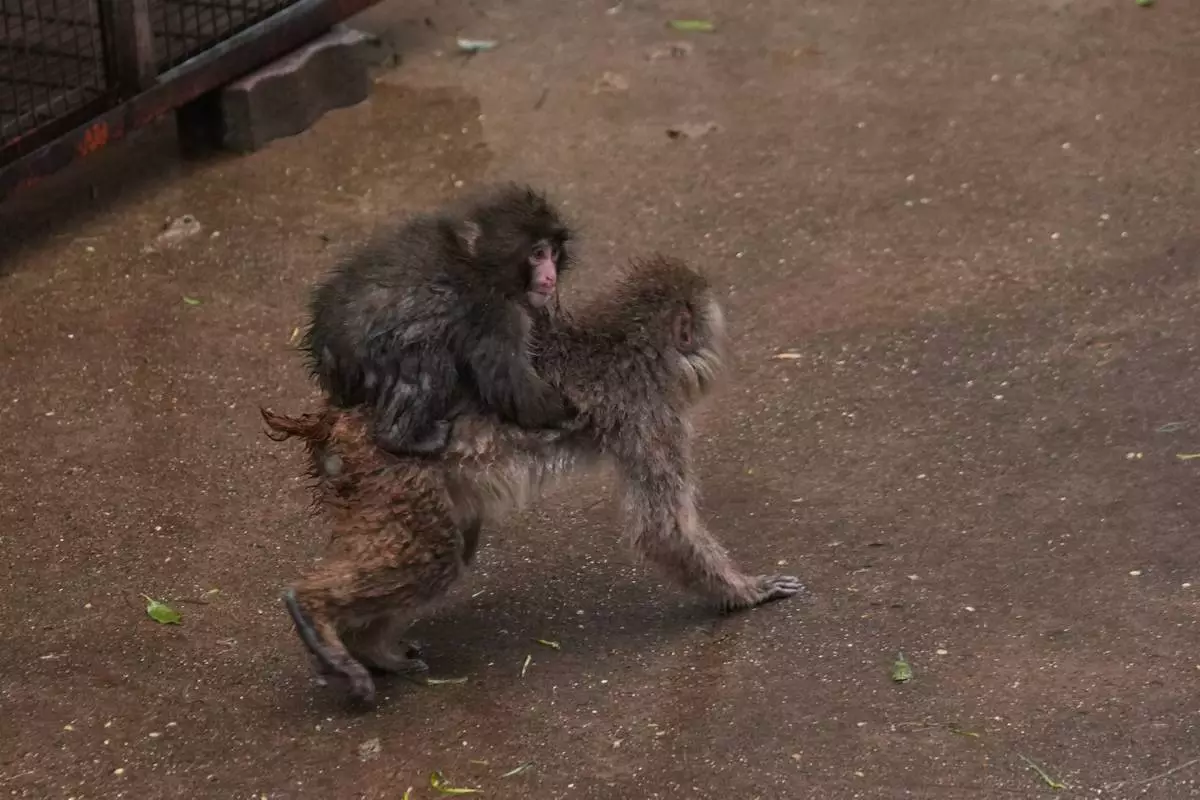
Punch, a Japanese macaque born on July 26, 2025, climbs on the back of another in the monkeys' playground at the Ichikawa city zoo in Tokyo's eastward neighboring city, Tuesday, March 3, 2026. (AP Photo/Hiro Komae)
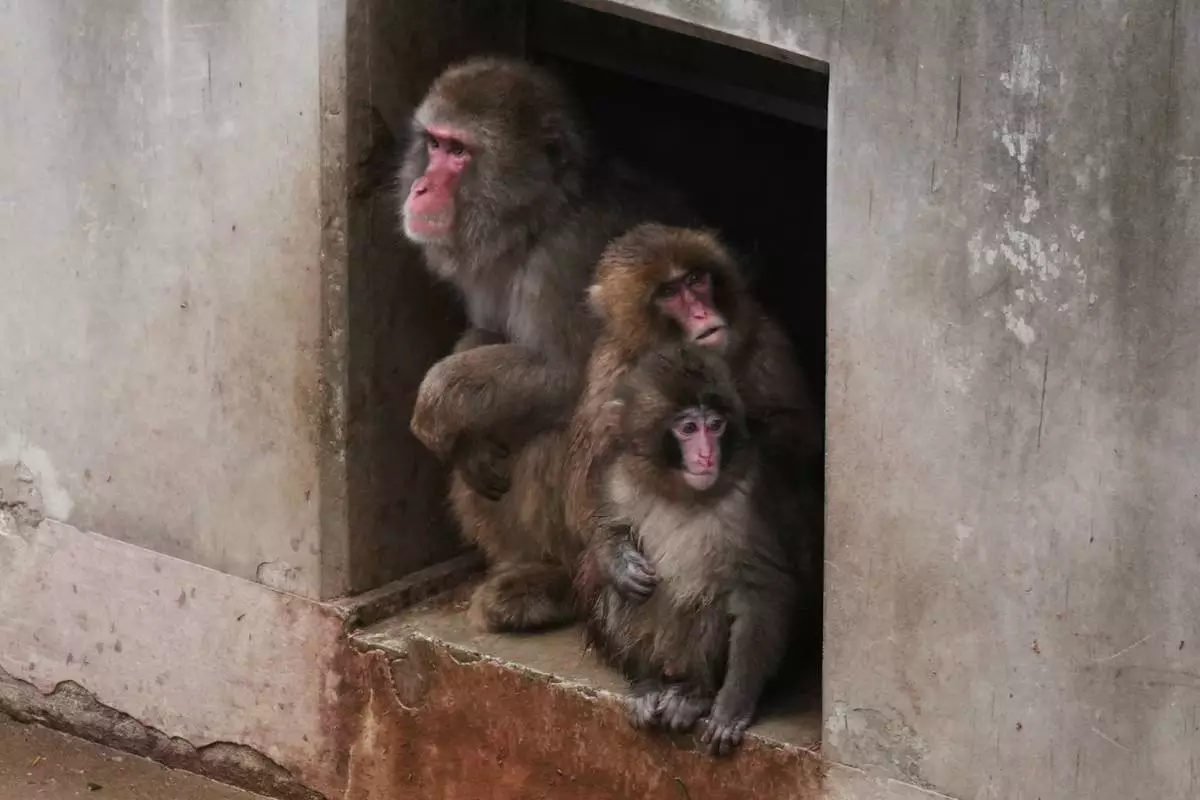
Punch, right a Japanese macaque born on July 26, 2025, sits with others in the monkeys' playground at the Ichikawa city zoo in Tokyo's eastward neighboring city, Tuesday, March 3, 2026. (AP Photo/Hiro Komae)
HAVANA (AP) — A blackout left millions of people without power in Havana and the rest of western Cuba on Wednesday in the latest outage on an island struggling with dwindling oil reserves and a crumbling electric grid.
Government radio station Radio Rebelde quoted an energy official as saying that it could take at least 72 hours to restore operations at one of Cuba's largest thermoelectric power plants, where a shutdown sparked the outage.
The government’s electric utility said on social platform X that the outage affected people from the western town of Pinar del Rio to the central town of Camaguey.
Energy and Mines Minister Vicente de la O Levy wrote on X late Wednesday that the government was powering critical infrastructure in the affected region as two power plants came online. Such infrastructure includes hospitals and medical clinics.
“We are working to restore the National Electric System amid a complex energy situation,” he wrote earlier on X.
The U.S. Embassy warned people to “prepare for significant disruptions” and conserve fuel, water, food and mobile phone batteries. “Cuba’s national power grid is increasingly unreliable, and scheduled and unscheduled power outages are prolonged and a daily occurrence across the country, including Havana,” it said on X.
By late afternoon, the government said crews had restored power to 2.5% of Havana, or some 21,100 customers, noting that efforts were gradual and tied to what the system's conditions would allow. It did not provide updated numbers by late Wednesday night.
“We trust in the experience and effort of the electrical workers to overcome this situation in the shortest possible time,” Prime Minister Manuel Marrero Cruz wrote on X.
As night fell, people across Havana lingered on doorsteps and used wood or charcoal to prepare “caldosas,” a popular soup shared among neighbors who contribute items including vegetables, chicken and meat. A group of musicians along the city's famed seawall played into the night.
Others played dominoes by a rechargeable lightbulb.
“With the power outages, this is the only thing we young people have to distract ourselves,” Jeferson Silvera said.
Daily, prolonged outages have become so common in Cuba that 66-year-old Genoveva Torres was waiting for power to return at night as usual to cook dinner. She was perturbed when told about the massive blackout.
“My God, until when?” she exclaimed. “Then we won't eat. We'll have to eat bread again.”
State media reported that the outage was caused by a shutdown of the Antonio Guiteras thermoelectric power plant east of Havana following a leak in its boiler.
Radio Rebelde quoted the plant's technical director Román Pérez Castañeda as saying that crews must first locate the fault before repairing it and restarting the unit.
Pérez Castañeda said that a pipe burst in the boiler, causing a water leak and subsequent fire that was extinguished without major damage, according to Radio Rebelde.
The outage caught 63-year-old Odalis Sánchez out on the street with her grandson. She was unable to walk because of a recent operation, so she called someone for a ride home.
Some 200 people waited at a bus stop near her, but buses were not running given a lack of fuel, so they tried to get a ride via any means available, including hitchhiking.
“I need to be able to get home to see what I can do,” Sánchez said. “Without power, you can’t do anything. My grandson also is studying and I have to make him food. Public transportation isn’t helping.”
It is the second such outage to affect western Cuba in three months.
The outage in early December lasted nearly 12 hours. Officials said a fault in a transmission line linking two power plants caused an overload and led to the collapse of the energy system's western sector.
Authorities have noted that some thermoelectric plants have been operating for over 30 years and receive little maintenance given the high cost. U.S. sanctions also have prevented the government from buying new equipment and specialized parts, officials say.
Cuba also is struggling with dwindling oil reserves after the U.S. attacked Venezuela in early January, which halted critical petroleum shipments from the South America country. Later that month, U.S. President Donald Trump threatened to impose tariffs on any country that would sell or supply Cuba with oil.
Ernesto Couto Martínez, 76, was trying to find a ride home and said he would confront the latest outage “with the spirit that all Cubans have.”
“We must keep fighting. There’s no other way,” he said. “We have to move forward, blockade or no blockade.”
Last month, Cuba’s government implemented austere fuel-saving measures and warned that jet fuel wouldn’t be available at nine airports until mid-March.
Prior to the attack on Venezuela, the island already was struggling with a crumbling electric grid, generation deficits and interruptions in fuel supplies.
Coto reported from San José, Costa Rica.
Follow AP’s Latin America coverage at https://apnews.com/hub/latin-america
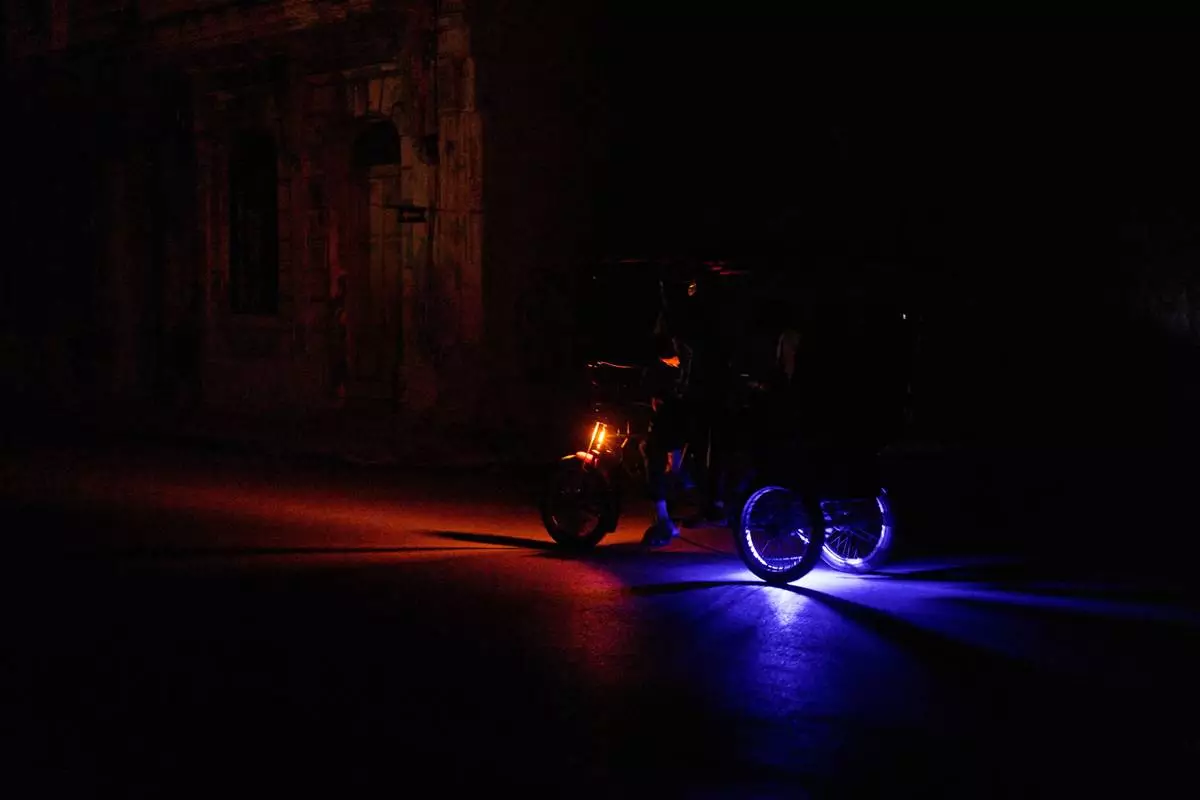
A vehicle drives down a street during a blackout in Havana, Wednesday, March 4, 2026. (AP Photo/Ramon Espinosa)
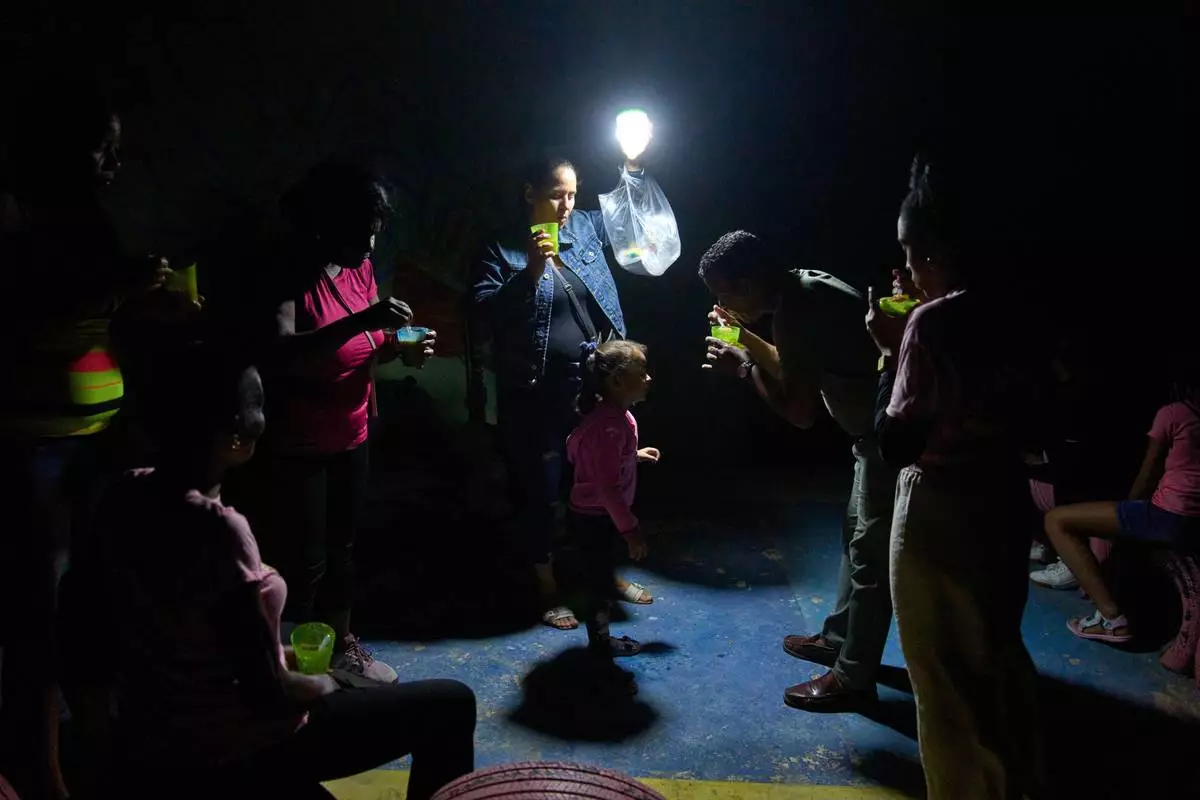
A man gives a girl a spoonful of soup on a street during a blackout in Havana, Wednesday, March 4, 2026. (AP Photo/Ramon Espinosa)
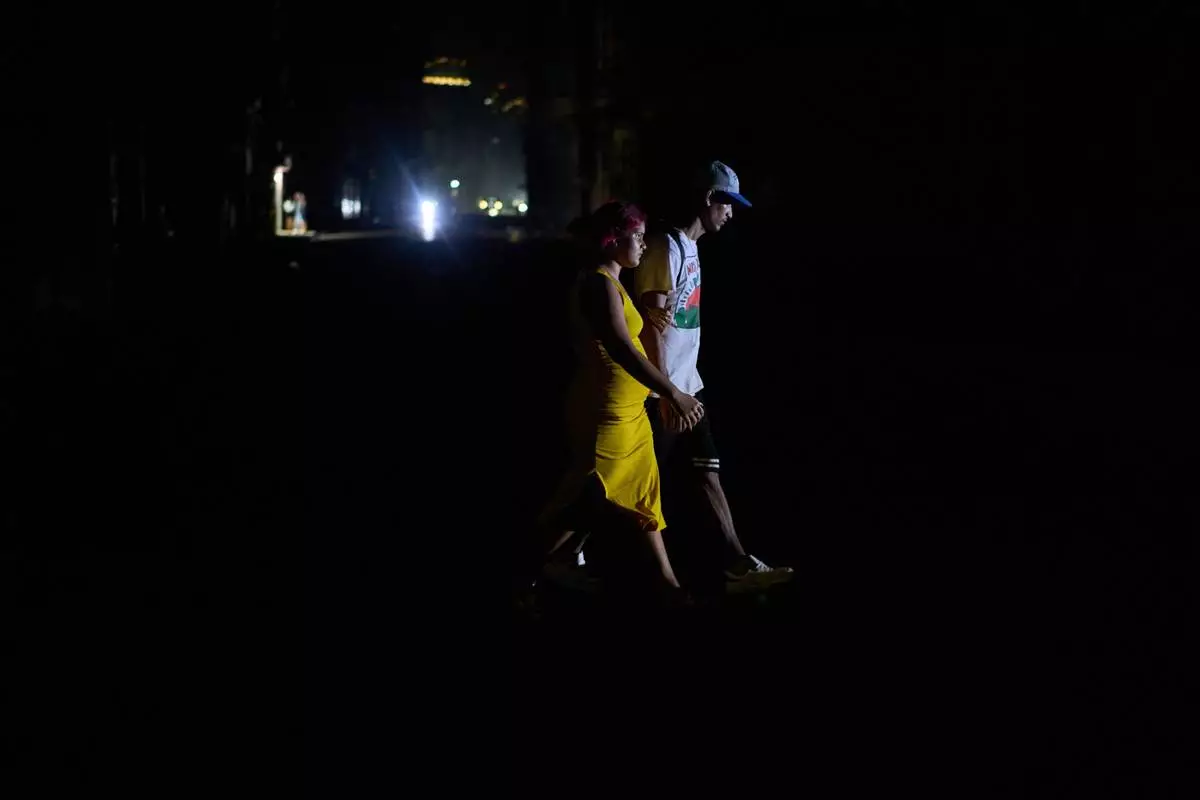
People cross a street during a blackout in Havana, Wednesday, March 4, 2026. (AP Photo/Ramon Espinosa)
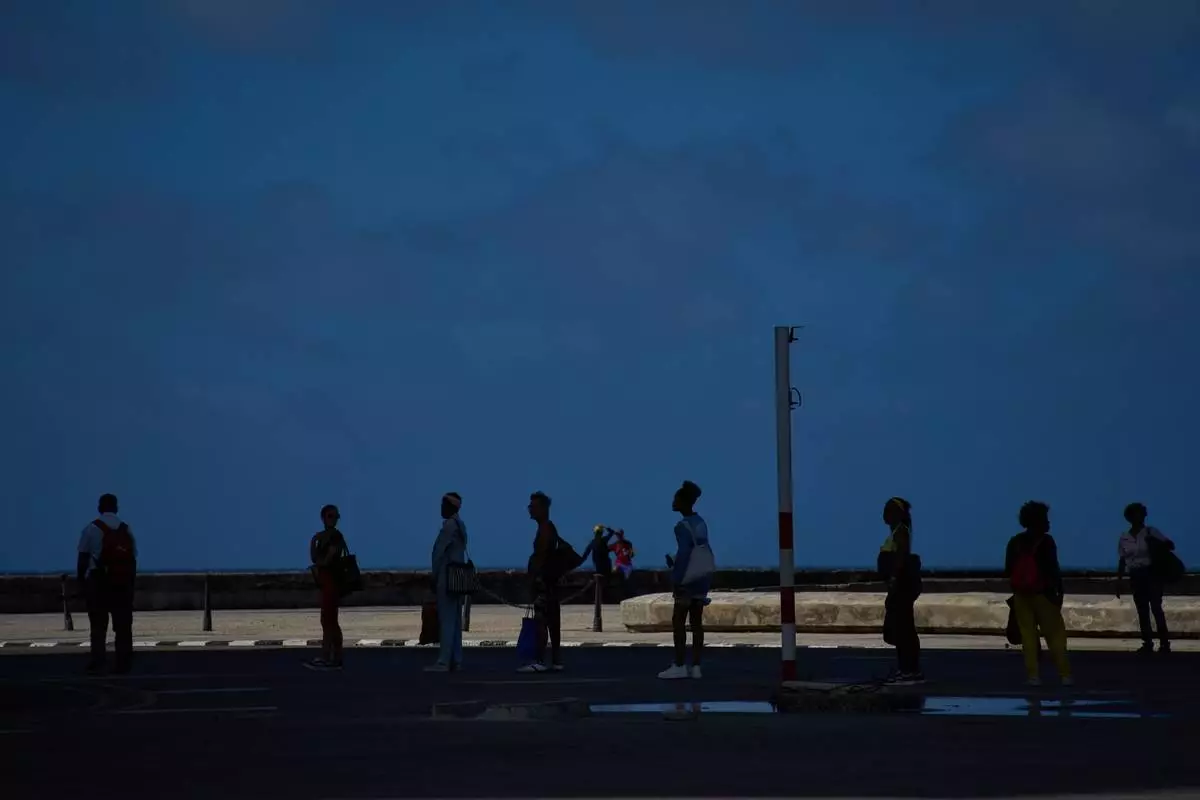
People wait to take public transportation during a blackout in Havana, Wednesday, March 4, 2026. (AP Photo/Ramon Espinosa)
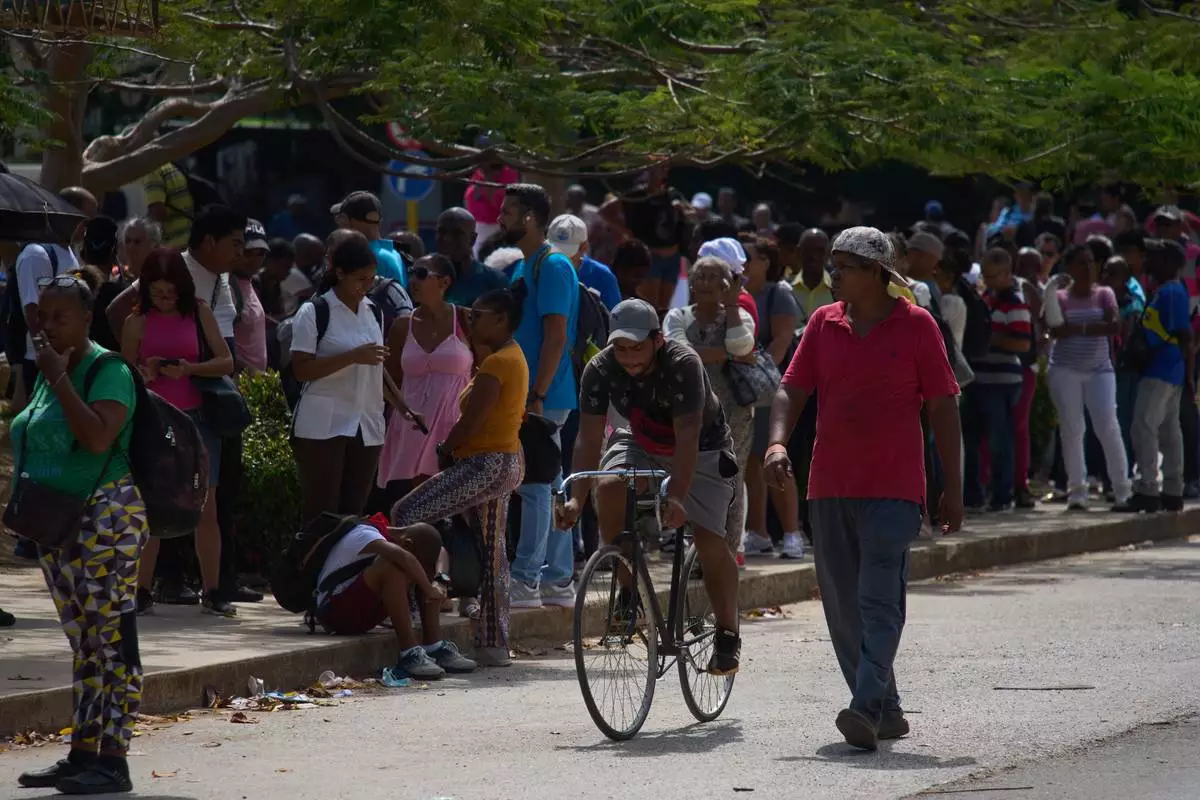
People wait to take public transportation during a blackout in Havana, Wednesday, March 4, 2026. (AP Photo/Ramon Espinosa)
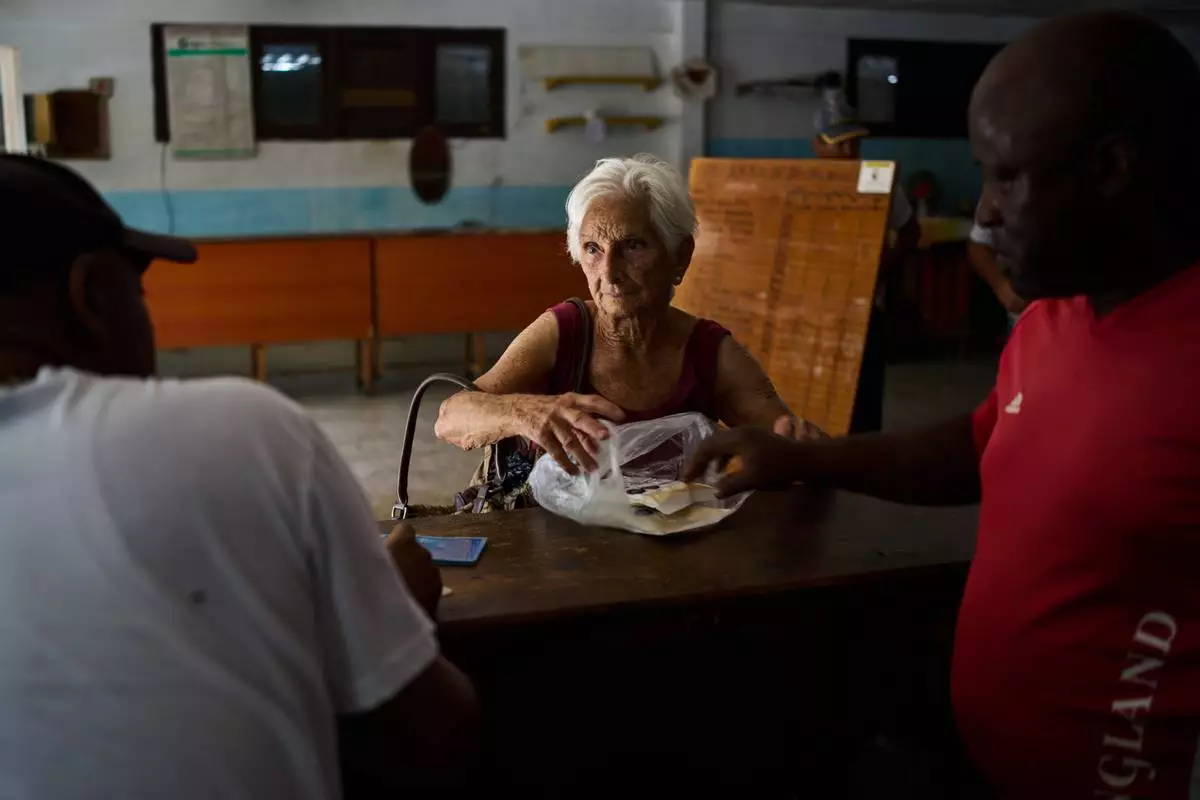
A woman receives a donation from Mexico at a state-run bodega during a blackout in Havana, Wednesday, March 4, 2026. (AP Photo/Ramon Espinosa)
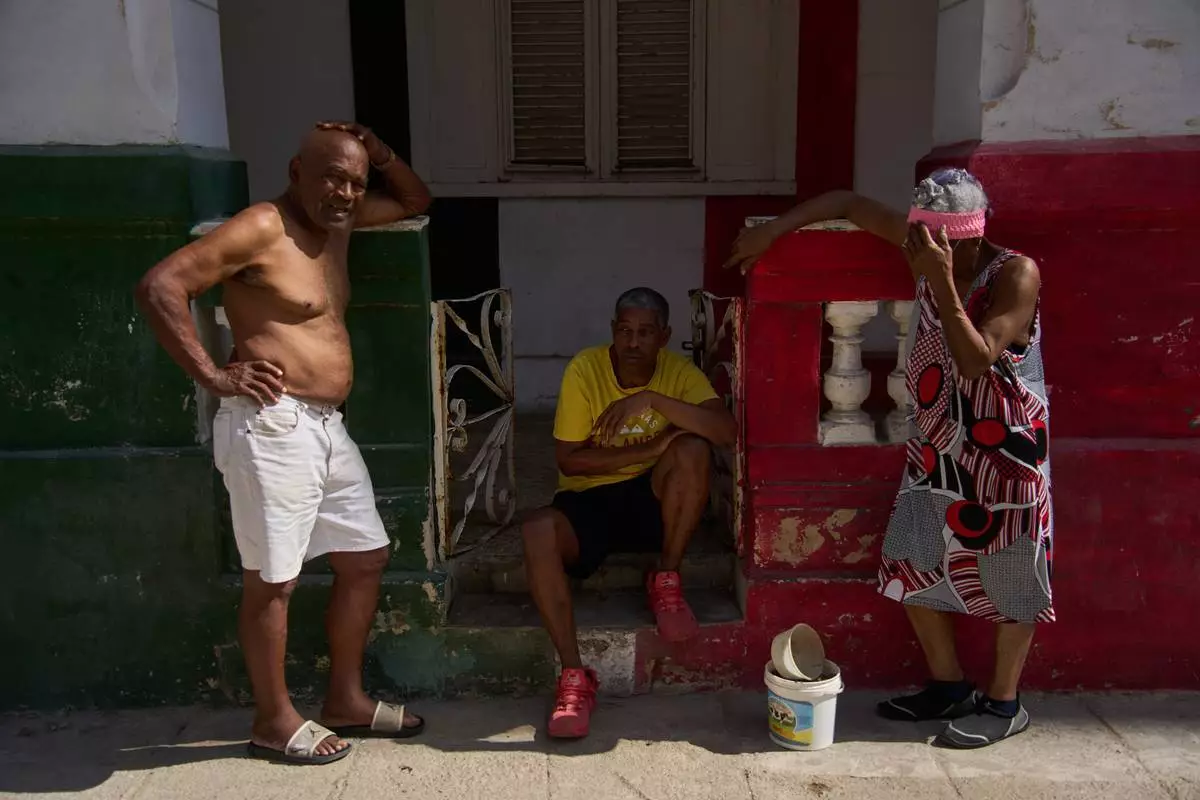
People lounge on a porch during a blackout in Havana, Wednesday, March 4, 2026. (AP Photo/Ramon Espinosa)
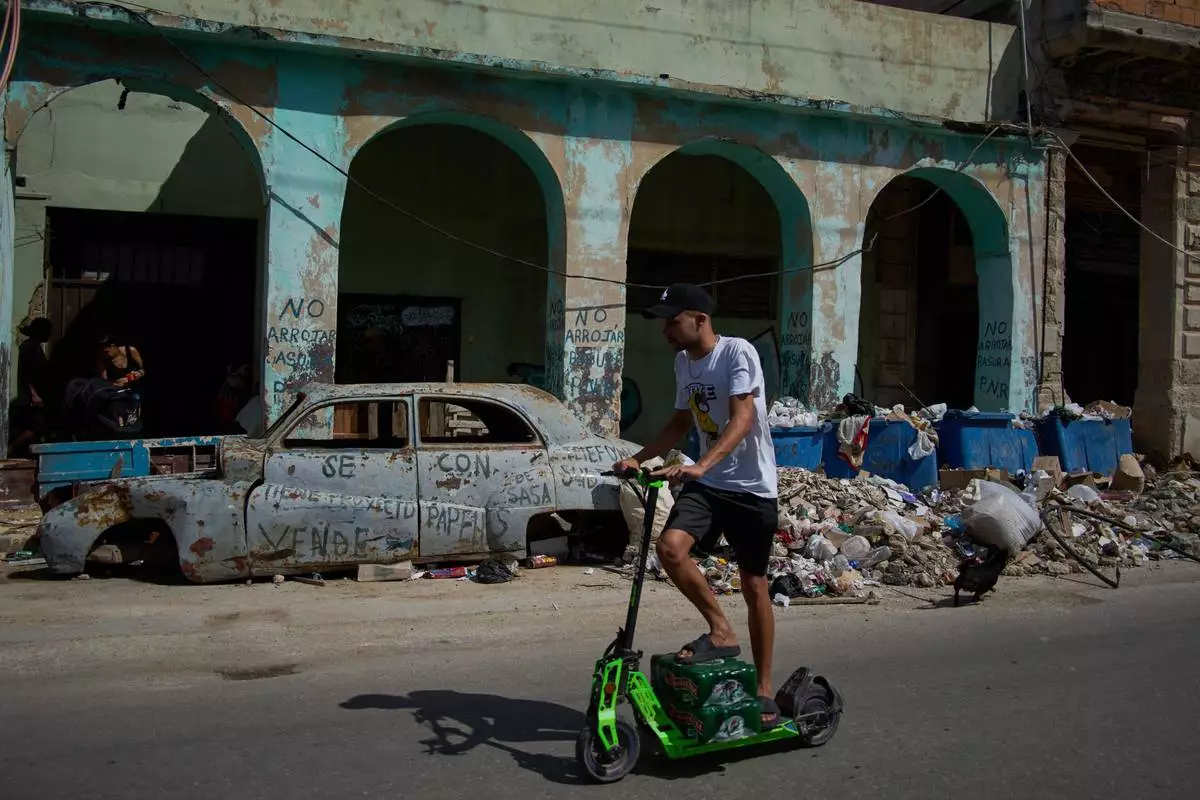
A man rides a scooter past a wrecked car and garbage during a blackout in Havana, Wednesday, March 4, 2026. (AP Photo/Ramon Espinosa)