China saw new achievements in modernizing national defense and the armed forces in 2025, said Chinese Premier Li Qiang on Thursday while delivering the annual Government Work Report to the opening meeting of the fourth session of the 14th National People's Congress.
China's top legislature opened its annual session on Thursday morning at the Great Hall of the People in Beijing.
Xi Jinping and other Party and state leaders attended the opening meeting.
"Last year saw new achievements in modernizing national defense and the armed forces. This year, we will continue to apply Xi Jinping Thought on Strengthening the Military and implement the military strategy for the new era. We will stay committed to the Party's absolute leadership over the people's armed forces, and fully and thoroughly implement the system of ultimate responsibility resting with the chairman of the Central Military Commission. We will make major strides toward the centenary goals of the People's Liberation Army," said Li.
"We will make solid gains in military training and combat readiness, so as to boost our strategic capacity to safeguard China's sovereignty, security, and development interests. We will make coordinated advances in military-civilian reforms. We in government at every level should provide strong support for endeavors to develop national defense and the armed forces, and consolidate the unity between the military and the government and between the military and the people," said Li.
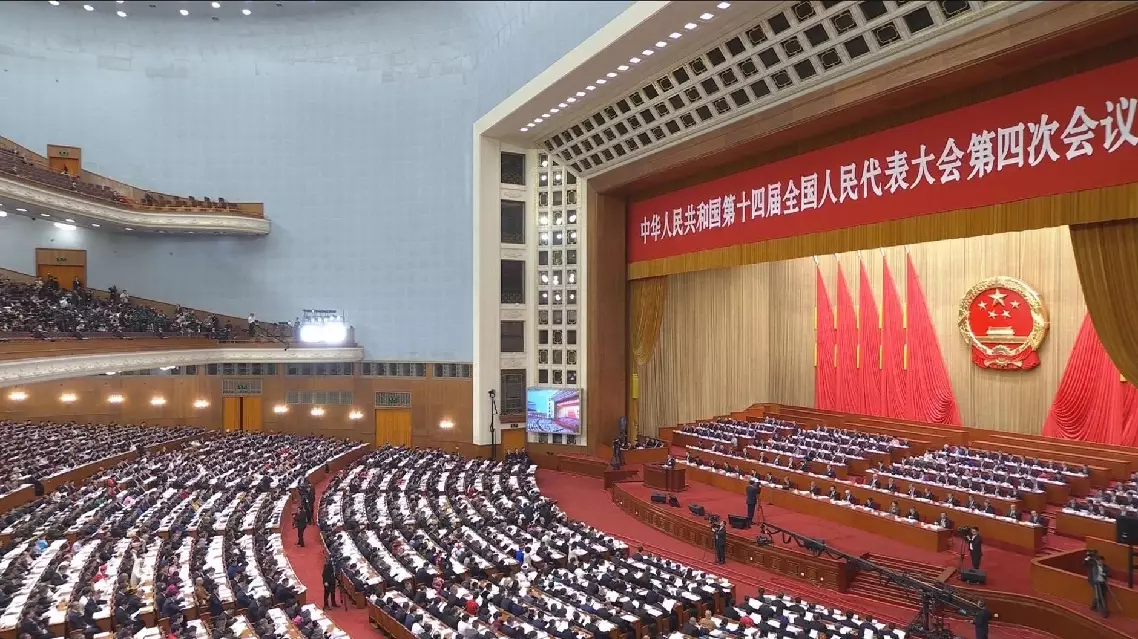
China makes new achievements in modernizing national defense, armed forces: report
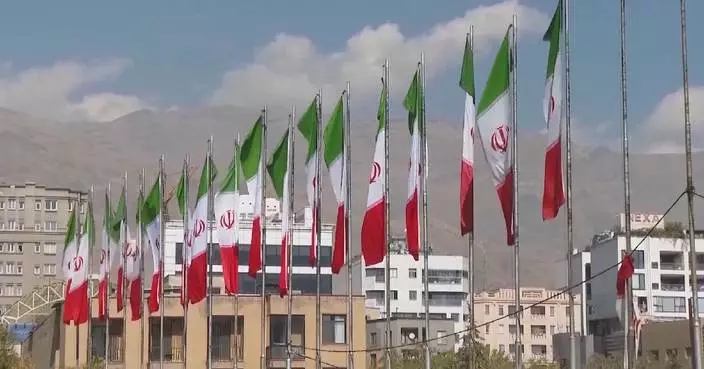
U.S. President Donald Trump said on Saturday that a peace deal with Iran is scheduled to be signed on Sunday and that the Strait of Hormuz will reopen immediately afterward.
"The Deal is scheduled to get signed tomorrow, and immediately after it is signed, the Hormuz Strait is open to all," Trump said in a post on Truth Social.
Trump also claimed that Iran now "no longer wants a nuclear weapon" and suggested the United States will work with Iran to remove enriched uranium at an "appropriate time."
He said the signing of the deal would make U.S. relations with Iran "different and better," but warned that "we have the ultimate alternative" unless the process moves forward "quickly, easily and smoothly."
Pakistani Foreign Minister Mohammad Ishaq Dar also said Saturday that an electronic signing ceremony of the U.S.-Iran deal is scheduled for Sunday, after Pakistan's Prime Minister Shehbaz Sharif said earlier on the day that the United States and Iran had agreed on a peace deal framework and were expected to sign it shortly. Pakistan has been mediating the U.S.-Iran peace negotiations.
However, Iranian Foreign Ministry spokesman Esmaeil Baqhaei reportedly denied that a memorandum of understanding (MoU) between Iran and the United States to end the conflict would be signed on Sunday, citing what he described as "the other side's hesitation."
Baqhaei also stressed that any potential MoU between Iran and the United States "would merely serve as a framework for continuing talks" and should not be regarded as "a final agreement."
He added that discussions on the nuclear issue are expected to continue over a 60-day period, according to Iranian state media reports.
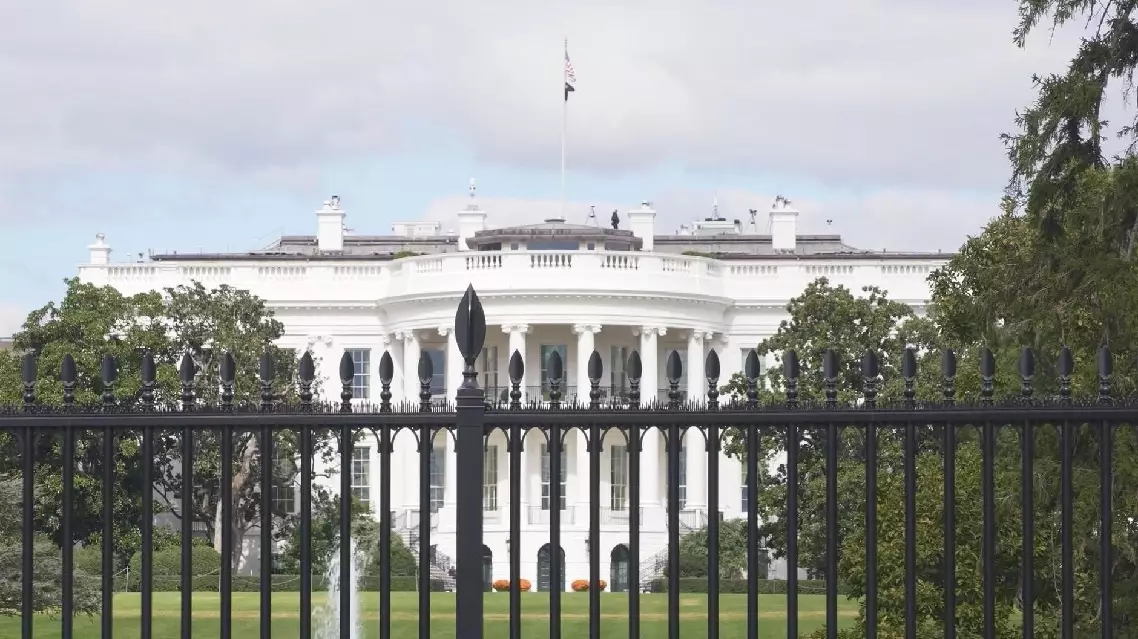
Trump says US-Iran peace deal to be signed Sunday