In recent years, takeaway shops have joined traditional "rice with two sides" eateries in winning over Hong Kong consumers. Japanese rice ball takeaway outlets, for instance, have sprung up across Hong Kong Island and Kowloon. "Moon Xiang Nong", a takeaway shop specializing in Taiwanese cold noodles and braised dishes, has opened six locations in just two years—some even in central business districts. Founder Jenny attributes her success in the catering industry to the takeaway model, which significantly reduces operating costs and enables faster expansion. She notes that she has now maintained around 10 shops.
For Jenny, the guiding principle behind Moon Xiang Nong is to introduce the diverse flavors of Taiwan to Hong Kong, with signature items including cold noodles, sesame paste noodles, and braised dishes. During the pandemic, she capitalized on the surge in demand for takeaway, expanding her shop network rapidly.
Click to Gallery
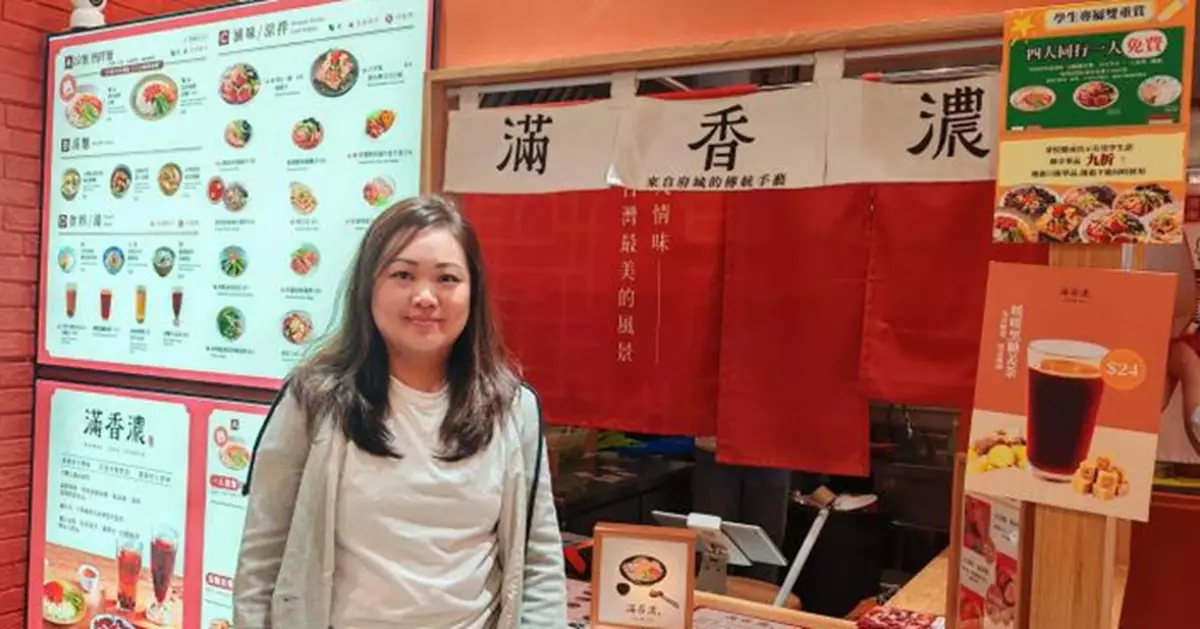
Jenny, the founder of "Moon Xiang Nong", Photo by Bastille Post
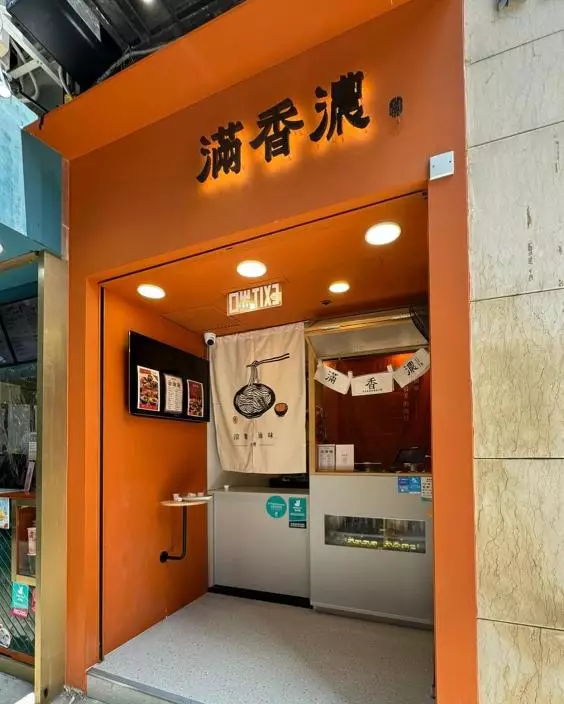
In June 2024, Moon Xiang Nong opened its first physical takeaway shop in Fortress Hill. Photo source: offered by the interviewee
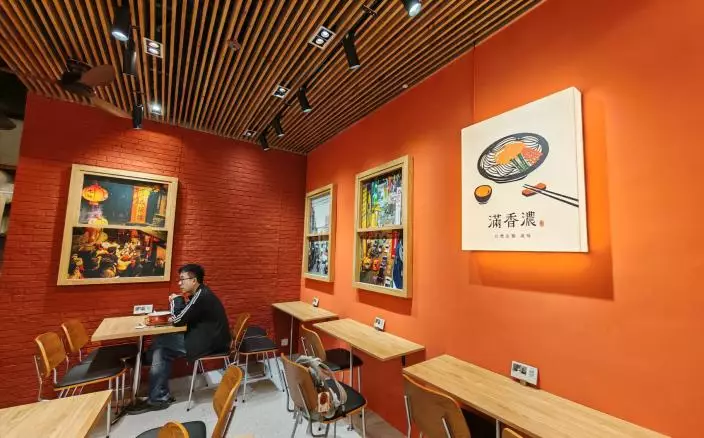
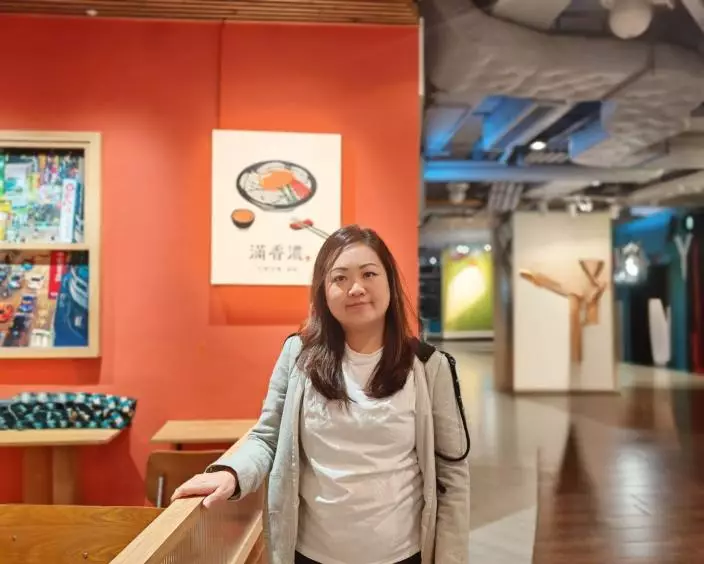
The dominant warm orange color and Taiwanese landscape paintings on the walls—all aimed at making consumers feel as though they have stepped into Taiwan while dining. Photo by Bastille Post
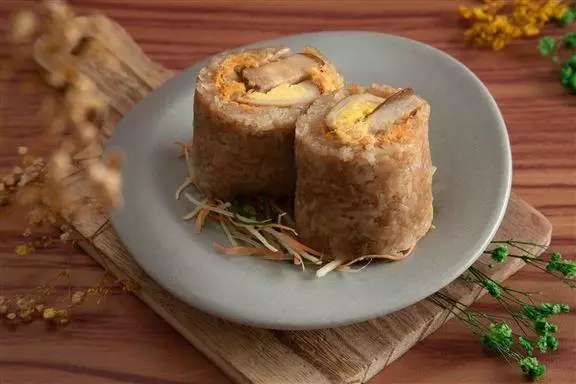
Recently, Moon Xiang Nong has introduced several new items, including Taiwanese soy sauce sticky rice rolls, braised eggs, hot dry noodles with sesame paste, and black sugar ginger tea. Photo source: offered by the interviewee
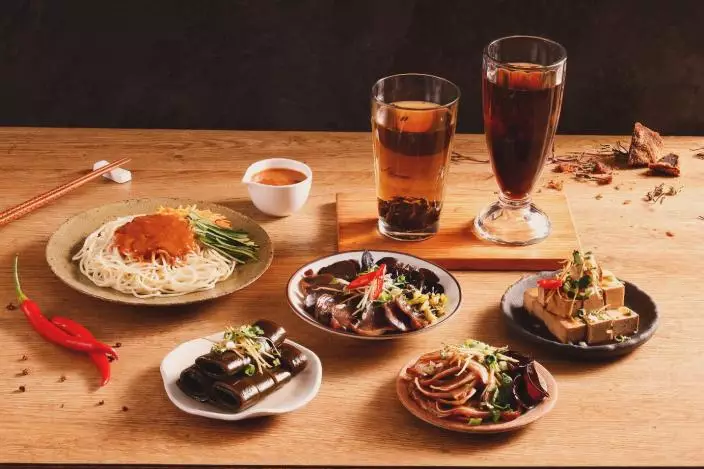
Moon Xiang Nong stays true to the authentic flavors of Taiwan—with ingredients like noodles, baiye tofu, and white gourd tea shipped directly from Taiwan. Photo source: offered by the interviewee
Jenny, the founder of "Moon Xiang Nong", Photo by Bastille Post
In an interview with Bastille Post, Jenny said the brand aims to bring authentic Tainan flavors to Hong Kong's catering scene through its takeaway shop model, in-house food factory, and innovative product offerings.
More Than Takeout: A Certified In-house Factory
"The idea actually came about during the pandemic," Jenny recalled. Unable to return to Taiwan at the time, she turned her homesickness into action, cooking Taiwanese dishes to share with friends. That sparked the beginning of their stall operation, selling cold noodles and braised dishes—everyday Taiwanese fare that soon found a warm reception among Hong Kong consumers.
With the market response proving ideal, Jenny made the decision to open a physical shop. "We want to bring the warmth and traditional snacks of Taiwan to Hong Kong," she said. The brand's distinctiveness lies in its house-made sauces and braising liquids. The sauce for its sesame paste noodles, for instance, is made from freshly ground sesame and peanuts—setting it apart from ready-made products.
In June 2024, Moon Xiang Nong opened its first physical takeaway shop in Fortress Hill. Since then, the brand has expanded into YATA and Eslite Bookstore through short-term pop-ups.
In June 2024, Moon Xiang Nong opened its first physical takeaway shop in Fortress Hill. Photo source: offered by the interviewee
Having opened six outlets in just two years, Jenny attributes her rapid expansion to two key factors: an asset-light, takeaway-focused business model and the standardized production system behind it. "We mainly choose locations with high foot traffic and reasonable rents, targeting young consumers," she explained, noting that the takeaway model was a pragmatic response to Hong Kong's high rental and labor costs. "Rent is expensive, and staff are hard to hire in Hong Kong. The takeaway model gives us better control over both, allowing for more flexible expansion." Even more crucial, she pointed out, is the in-house factory—spanning around 3,000 square feet and certified with ISO22000 and HACCP, where products are freshly made and delivered daily via cold chain to all branches, with no preservatives added. "Because we can standardize production," she said, "it's easier to achieve rapid expansion."
80% Costs Surge: New Shop in D2 Place
The newly opened Moon Xiang Nong outlet in Lai Chi Kok's D2 Place marks the brand's first foray into dine-in seating, spanning approximately 500 square feet. Jenny stressed that this does not signal a brand transformation, but rather a new experiment—one that increases overall costs by about 80% compared to its takeaway shops. "We don't want to become a full-fledged restaurant," she explained. "We still want to retain the feel of a snack bar."
She reflected on Taiwan's food culture: "Many snack bars in Taiwan are set up under verandas—small stalls where some customers grab takeaway, while others sit and eat on the spot. We want to sustain that atmospher, to bring the warmth of Taiwan to Hong Kong." The new shop was designed by an interior designer from Taiwan, featuring warm orange as the dominant color and Taiwanese landscape paintings on the walls—all aimed at making consumers feel as though they have stepped into Taiwan while dining.
The dominant warm orange color and Taiwanese landscape paintings on the walls—all aimed at making consumers feel as though they have stepped into Taiwan while dining. Photo by Bastille Post
Discussing the challenges of introducing Taiwanese snacks to Hong Kong, Jenny pointed to the cultural differences between the two places. "People in Taiwan typically enjoy cold noodles and cold braised dishes, while Hong Kong diners prefer their food hot," she explained. "So we would warm the braised dishes before serving—without compromising on the authentic Taiwanese flavor." She also noted the regional nuances within Taiwan itself: "People in Taipei tend to favor saltier profiles, while those in Tainan prefer a slightly sweeter taste with more herbal notes." The shop's braising liquid is crafted from over 20 spices and seasonings, including star anise, cinnamon, peppercorns, geranium leaves, chili, licorice, ginger, spring onion, garlic, and rock sugar, etc.
Plan to Release Braised Bento: HK's Love Affair with Rice
With Hong Kong's fast-paced market, catering businesses must constantly innovate. Recently, Moon Xiang Nong has introduced several new items, including Taiwanese soy sauce sticky rice rolls, braised eggs, hot dry noodles with sesame paste, and black sugar ginger tea. Interestingly, customer feedback has also shaped the brand's product development. "Since opening the shop, I've noticed that Hong Kong people really love rice," Jenny observed. "Customers often ask if we serve rice—some even buy rice from next door to go with our braised dishes." In response to this demand, Jenny plans to launch a line of braised bento boxes in mid-March.
Recently, Moon Xiang Nong has introduced several new items, including Taiwanese soy sauce sticky rice rolls, braised eggs, hot dry noodles with sesame paste, and black sugar ginger tea. Photo source: offered by the interviewee
The shop's bestsellers include sesame oil chicken, braised pork knuckles, and baiye tofu. Jenny recalled that at a previous market event, they sold over 100 servings of baiye tofu in a single day, while the braised pork knuckles proved so popular that customers bought multiple packs at a time. "They really loved the taste," she said.
Jenny said that each shop sees an average of around 100 customers daily, with per-person spending ranging from HKD $70 to $80—a sign that Hong Kongers are increasingly embracing authentic Taiwanese flavors. "Many Hong Kong travelers only try beef noodles and stewed pork rice when they visit Taiwan," Jenny observed. "We want to show everyone that Taiwan has so much more to offer."
Cuisines From Taiwan: Authentic Flavors, Direct Imports
Despite fierce competition in Hong Kong's dining scene, Jenny believes Moon Xiang Nong's greatest strength lies in what she calls "Taiwanese flavor made by Taiwanese". "Many so-called Taiwanese restaurants aren't actually run by Taiwanese people, or they adjust their recipes to suit local tastes," she explained. "Moon Xiang Nong stays true to the authentic flavors of Taiwan—with ingredients like noodles, baiye tofu, and white gourd tea shipped directly from Taiwan."
Moon Xiang Nong stays true to the authentic flavors of Taiwan—with ingredients like noodles, baiye tofu, and white gourd tea shipped directly from Taiwan. Photo source: offered by the interviewee
A former engineer, Jenny transitioned into the catering industry with a strong emphasis on employee-brand fit. The team currently comprises around 30 full-time and 15 part-time staff. While most are Hong Kong locals, many have lived in Taiwan and bring with them a familiarity with Taiwanese culture. "I hope they share a genuine passion for the brand, not just a work-for-pay mindset," she said.
In today's market, larger shops and more branches inevitably bring greater operational challenges. Jenny said she will continue seeking suitable locations for expansion, targeting the New Territories and Kowloon, while aiming to keep the total number of shops at around 10. New shops will be inclined to retain a small-store format or offer only a handful of seats, avoiding significant expansion in floor area. "As snack bars, customers don't stay long—so table turnover is high," she explained. "Of course, when business is good, seating can get tight. But we can't push prices too high, so we'll keep focusing on the takeaway model and controlling scale as we grow."