European Central Bank policymakers warned Thursday that prolonged U.S.-Israeli military attacks on Iran could drive up inflation and slow eurozone growth.
ECB Vice-President Luis de Guindos told a Brussels finance summit that a drawn‑out conflict could disrupt energy supplies and unsettle investor confidence, threatening to derail the eurozone's fragile recovery.
Also on Thursday, Joachim Nagel, president of Germany's Bundesbank and an ECB governing council member, echoed the warning in his annual report presentation, stressing that sustained instability in the Middle East would keep energy prices elevated, driving inflation and weakening eurozone activity.
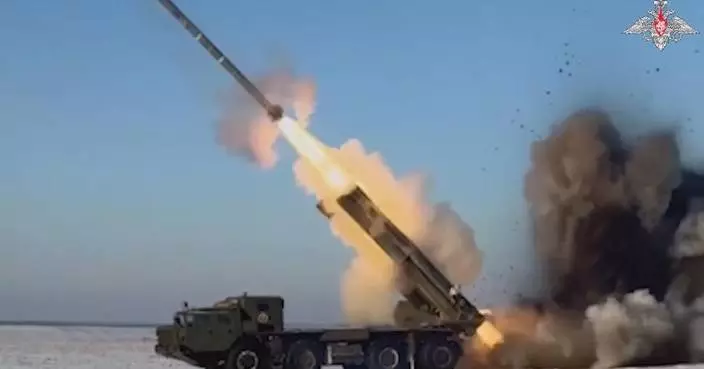
Several countries neighboring Iran reported being attacked in recent days amid heightened regional hostilities, as Iran launched retaliatory strikes following joint U.S.-Israeli operations on Tehran and other Iranian cities since Saturday.
Eurozone inflation rose to 1.9 percent in February, up from 1.7 percent in January, according to estimates of Eurostat, the statistical office of the European Union (EU). The rise in inflation comes as the fast-evolving conflict in the Middle East threatens to reignite a new energy shock for Europe, which has become increasingly reliant on liquefied natural gas (LNG).
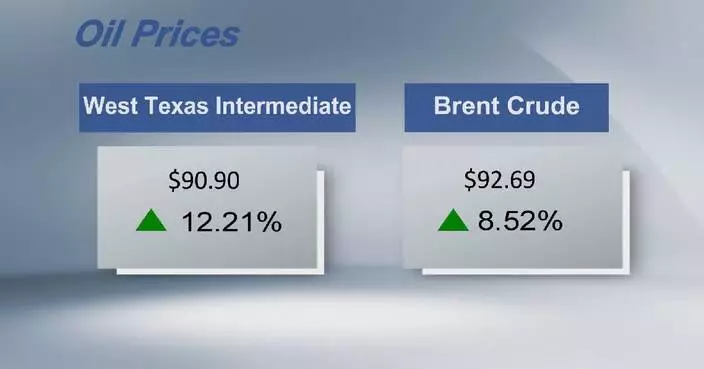
Gas prices in the EU have surged by as much as 60 percent over the past few days, with futures breaking through 56 euros per megawatt hour to hit a three-year high on Wednesday, driven by the shutdown of an LNG facility in Qatar and shipment disruptions in the Strait of Hormuz.
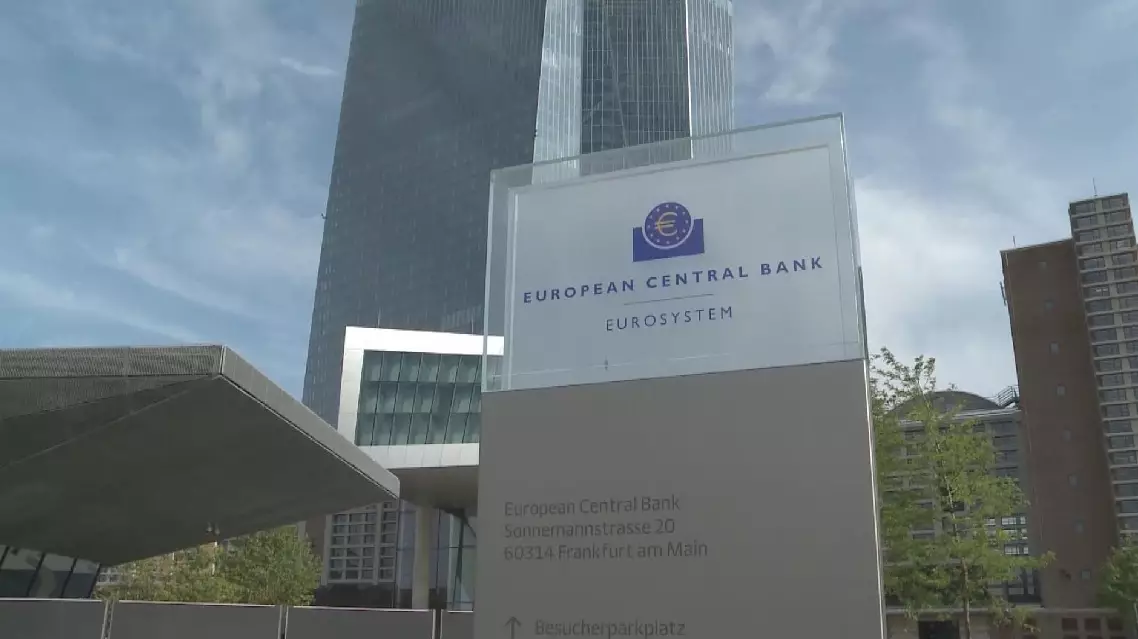
Prolonged conflict in Middle East risks slowing eurozone growth: ECB