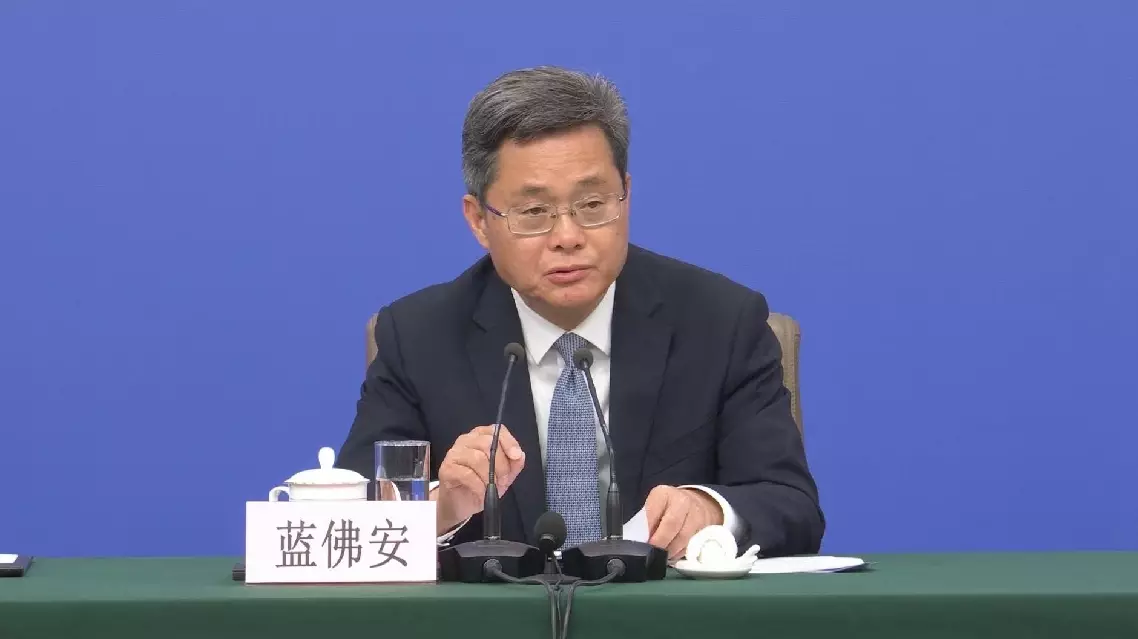
China will make full use of its new fiscal-financial coordination fund of 100 billion yuan (about 14.5 billion U.S. dollars) to further drive consumer spending and boost private investment this year, Chinese Finance Minister Lan Fo'an said on Friday in Beijing.
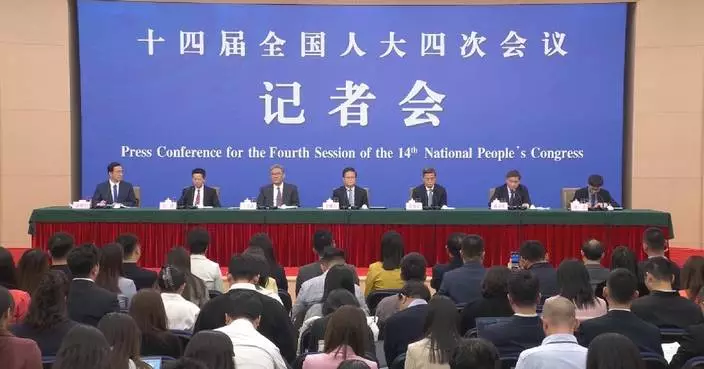
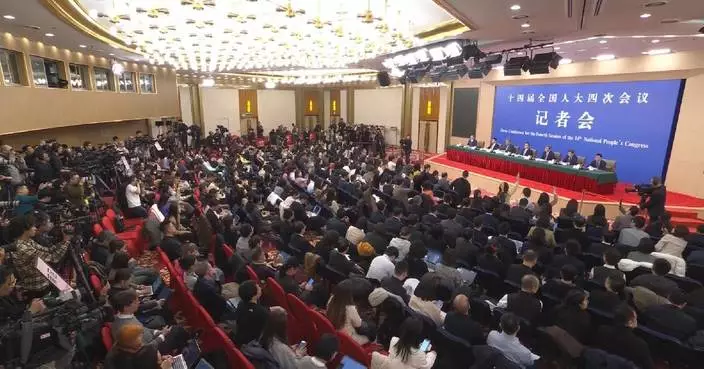
Lan expounded on the central government's new fiscal package earmarked for domestic demand expansion in 2026 at a press conference on the sidelines of the fourth session of the 14th National People's Congress, China's top legislature.
According to the government work report submitted Thursday to the NPC session for deliberation, China will actively boost consumption and implement an income growth plan for urban and rural residents in 2026, by introducing special initiatives, and refining the remuneration and social security systems, among other measures.
A total of 250 billion yuan (about 36.2 billion U.S. dollars) in ultra-long special treasury bonds will be earmarked for consumer goods trade-in programs, and a special fiscal-financial coordination fund of 100 billion yuan will be created to facilitate domestic demand expansion.
All this demonstrates China's continued efforts to tackle the prominent imbalances between supply and demand, according to Lan.
"This year, the central government has allocated 100 billion yuan in a special fund and is set to introduce a package of six policies to boost domestic demand through fiscal-financial coordination. Four of these policies are targeted at supporting private investment, and the other two are aimed at supporting residents' consumption. Together with the 250 billion yuan earmarked for consumer goods trade-in programs, we are making even greater efforts than last year. Our preliminary estimates show that the fresh injection of billions of yuan will be able to support and benefit credit loans worth over 1 trillion yuan," said Lan.
He said specific measures include loan interest subsidies, financing guarantees, and risk compensation, among others.
In terms of boosting household spending, the country will improve its loan interest subsidy policy, by removing unreasonable restrictions in the consumption sector, raising the per-transaction interest subsidy cap for consumption loans, and creating new consumption scenarios and business models, according to the minister.
To encourage private investment, the country will establish multi-level financing support systems, put in place special financing guarantees, implement three loan interest subsidy measures, and set up risk compensation mechanisms, to lower the financing thresholds and costs for private enterprises, said Lan.
China will also streamline various financing procedures and include more domestic and foreign lenders, financial institutions of all sizes in urban and rural areas, as well as traditional banks and new consumer finance firms in the loan interest subsidy programs, he said.
China's 100-bln-yuan special fund to help boost consumption, private investment in 2026: minister