FRANKFURT, Germany (AP) — The U.S. Treasury Department's decision to allow India to buy Russian oil for 30 days underscores a boost for Moscow's fortunes against the backdrop of the Iran war as Russia’s oil exports help Kremlin pay for its own war on Ukraine.
The Treasury Department this week said India can keep buying crude oil and petroleum products from Russia for a month, until April 4.
That measure is aimed at helping ease upward pressure on oil prices that affect gasoline costs for U.S. consumers. But it also underlines how the U.S.-Israeli conflict with Iran is tightening the markets for oil and gas — including Russia's crude.
China and India became Russia’s biggest customers for oil after Moscow's full-out invasion of Ukraine in February 2022 provoked a boycott by the European Union, formerly the biggest importer from Russia.
U.S. President Donald Trump had slapped 25% tariffs on India for continuing to purchase Russian oil. Indian oil imports from Russia diminished after Trump dropped the tariff Feb. 6 in return for what he said was a promise to stop buying Russian oil.
On Friday, international benchmark Brent crude rose to $89 per barrel, up from just under $73 a week ago, on the eve of the new war in the Middle East. Russia’s Urals blend export hit $70, up from below $40 as recently as December.
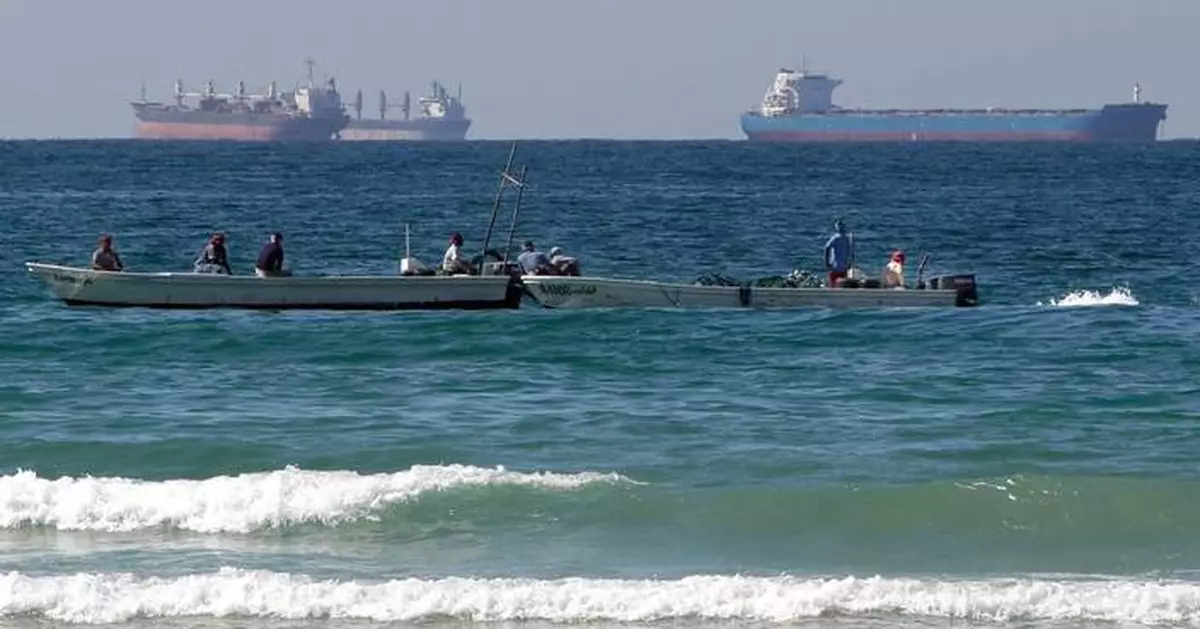
The widening war in Iran and the risk of Iranian drone or missile attacks has shut down almost all tanker traffic through the Strait of Hormuz, the only sea passage out of Persian Gulf and the conduit for 20% of the world economy’s oil needs.
Tankers traveling through the strait, which is bordered in the north by Iran, carry oil and gas from Saudi Arabia, Kuwait, Iraq, Qatar, Bahrain, the United Arab Emirates and Iran. Now nothing is going through.
Soaring oil prices after the effective closure of the Strait of Hormuz oil chokepoint have meant at least a temporary reversal of fortune for Russia’s fossil fuel revenues.
That revenue had dwindled due to previously weak global prices and tightening Western sanctions on Russia’s “shadow fleet” of tankers with obscure ownership used to evade a price cap imposed by the Group of Seven democracies, as well as sanctions against Russia’s two biggest oil companies, Rosneft and Lukoil.
In granting a month's reprieve to India, Treasury Secretary Scott Bessent said the 30-day period would “not provide significant financial benefit” to the Russian government as it only applied to Russian oil stranded on tankers after no customer could be found.
Analysts estimated that could be some 125 million barrels of crude.
“This stop-gap measure will alleviate pressure caused by Iran’s attempt to take global energy hostage,” Bessent said on X.
Russian oil still trades at a considerable discount to international benchmark Brent. However, Russian crude is now well above the benchmark of $59 per barrel that was assumed in the Russian Finance Ministry’s budget plan for 2026.
Oil and gas tax revenues can amount to 20% to 30% of the Russian federal budget. Tax is based on the price of oil once Russian producers have covered their costs of around $15 per barrel, so a fall in the price can substantially reduce revenue to the government.
Additionally, the halt in production of ship-borne liquefied natural gas, or LNG, by major supplier Qatar — suspended after an Iranian drone strike on Qatar’s largest LNG plant early on in the Iran war — will sharply increase global competition for available cargoes, including those from Russia.
Prices for future delivery of natural gas have soared in Europe, raising questions about the EU's plans to halt its remaining imports of Russian gas by 2027.
Much depends on how long the war with Iran lasts. In the first week, the effects of the conflict that began with the United States and Israel’s Feb. 28 strikes on Iran are widening and now encompass more than a dozen countries.
Oil market analysts say that if it ends within a week or two, oil prices could quickly fall to prewar levels around $65 per barrel and Russia would see little benefit.
However, a longer conflict — one that leaves long-term damage to oil fields, pipelines and terminals in Saudi Arabia, Iraq, the UAE and Kuwait, and sends oil prices over $100 per barrel — could deliver a lasting windfall to Russia.
Russia had seen state oil and gas revenue fall to a four-year low of 393 billion rubles ($5 billion) in January and the budget shortfall of 1.7 trillion rubles ($21.8 billion) for that month was the biggest on record, according to Finance Ministry figures.
Economic growth has stagnated as massive military spending has leveled off. As oil and gas revenues to the state budget fell, President Vladimir Putin has resorted to tax increases and increased borrowing from compliant domestic banks to keep state finances on an even keel in the fifth year of the war.
Asked about the waiver, Kremlin spokesman Dmitry Peskov noted the increased demand on Russian oil amid the Mideast war and said that “India and China are guided by their national interests, and we do the same.”
“We continue our cooperation, including the energy field and energy trade, with India and China,” Peskov said.
“We note a significant increase in demand for Russian energy resources in connection with the Iran war," he added. "Russia has been a reliable supplier of oil and gas. It can guarantee all contracted supplies.”
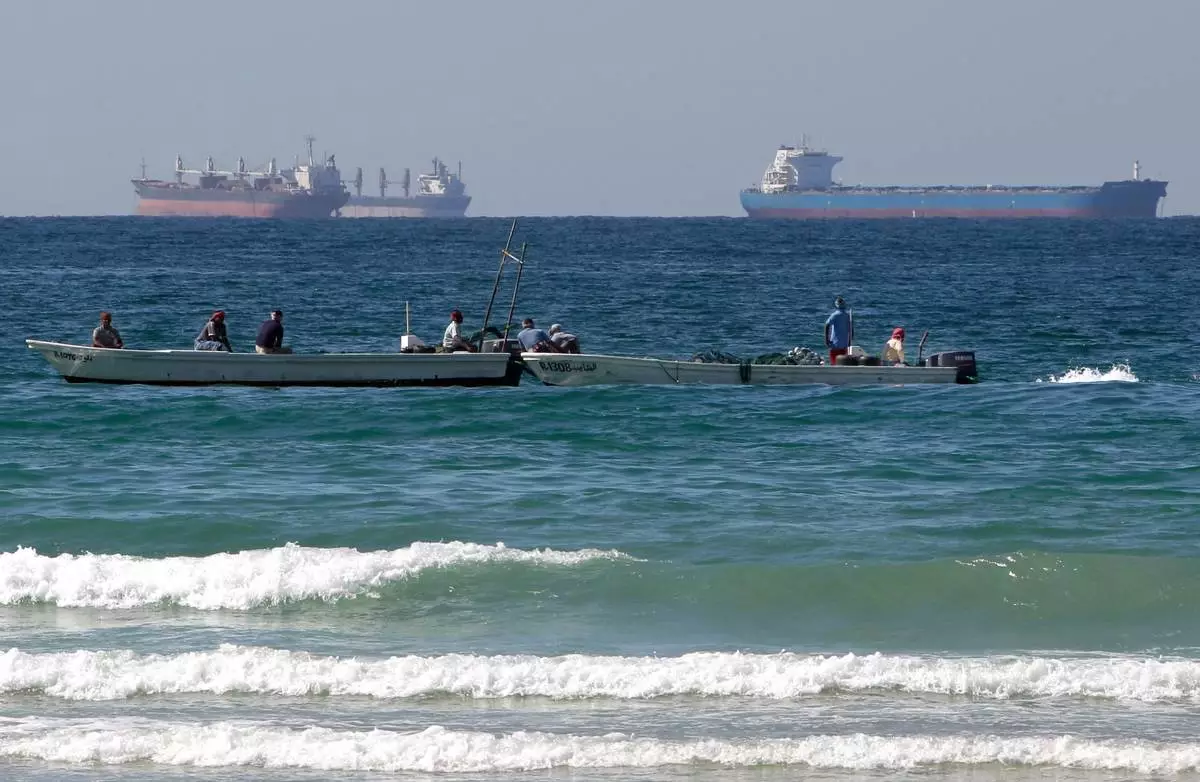
FILE - Fishermen work in front of oil tankers south of the Strait of Hormuz Jan. 19, 2012, offshore the town of Ras Al Khaimah in United Arab Emirates. (AP Photo/Kamran Jebreili, File)