NEW YORK (AP) — Government officials are getting closer to ironing out a refund process for the hundreds of thousands of companies that paid tariffs now deemed illegal.
In a filing with the Court of International Trade on Friday, Brandon Lord, executive director of U.S. Customs and Border Protection’s trade policy and programs directorate, said the CBP is working on a new system that will simplify the process. He said it should be ready in 45 days and require “minimal submission from importers.”
The filing comes after a judge on Wednesday ordered the government to start paying back all importers the illegal tariffs they paid — with interest. Judge Richard Eaton of the U.S. Court of International Trade wrote that “all importers of record’’ were “entitled to benefit’’ from the Supreme Court ruling that struck down sweeping double-digit import taxes President Donald Trump imposed last year under the 1977 International Emergency Economic Powers Act (IEEPA).
Eaton would have to approve the process before it proceeds.
In the filing, Lord said as of March 4, over 330,000 importers have made a total of over 53 million entries with CBP and paid about $166 billion in tariffs that now have to be refunded.
Lord estimated that under the current system, refunds would take more than 4.4 million man hours to complete, and it isn't feasible to divert all employees to the refund process full time, because “CBP’s other functions and responsibilities would be severely disrupted and the agency would not be able to continue to adequately perform its mission, including its revenue protection mandate and its vital national security functions.”
But he said the agency is confident they can develop and implement a new process that will streamline and consolidate refunds and interest payments. The system should be ready in 45 days, he said.
“This new process will require minimal submission from importers,” he wrote. “It will also minimize errors by ensuring accurate IEEPA refund calculations through system validations and allowing for a review period for CBP to resolve any discrepancies with the importer and to confirm no other outstanding enforcement issues or no revenue is owed.”
Lord also noted that as of Feb. 6 the CBP only issues refunds electronically, but most importers haven't completed signing up for the electronic system. Of the 330,566 importers who paid tariffs, only 21,423 have completed the setup process to receive their refunds electronically.
“Until importers complete the process to receive refunds electronically, the refunds will be rejected,” he said.
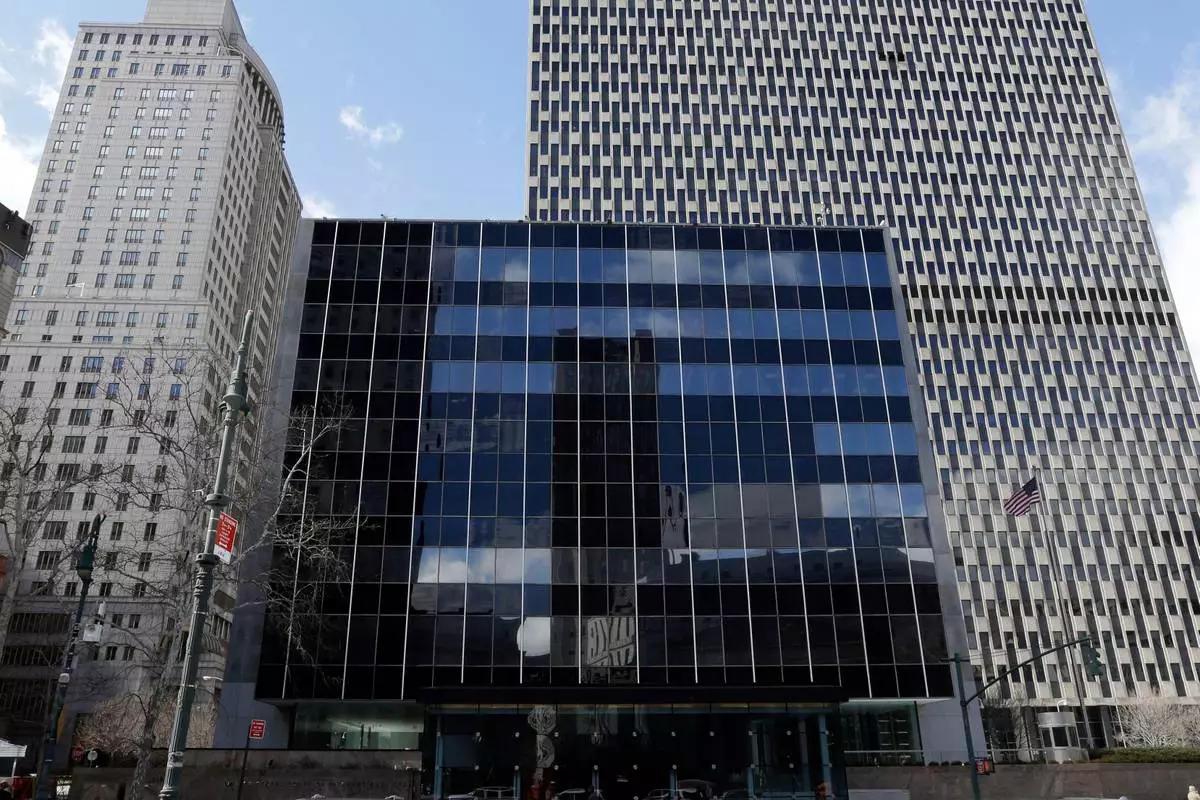
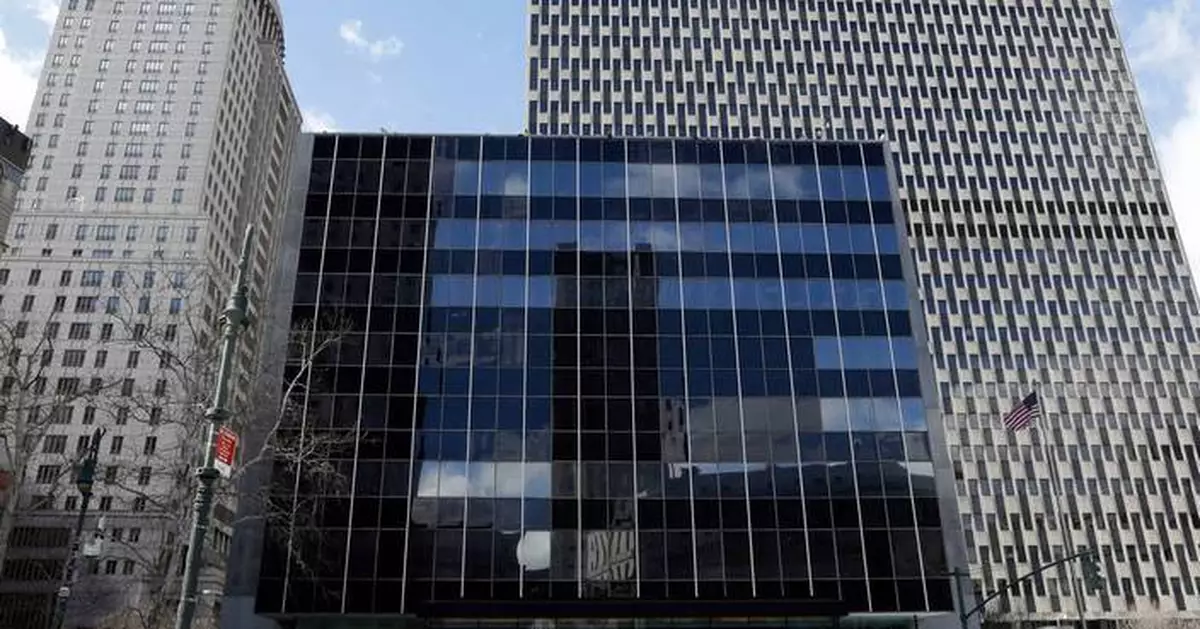
FILE - The United States Court of International Trade, center, in front of the Jacob K. Javits Federal Building in New York, on Wednesday, March 18, 2015. (AP Photo/Mary Altaffer, File)
TALLINN, Estonia (AP) — Belarus' authoritarian president has pardoned 18 more prisoners as part of his recent effort at a rapprochement with the United States.
In a decree announced on Thursday, President Alexander Lukashenko pardoned 18 prisoners, including 15 people convicted on extremism charges, which are widely used in Belarus in politically motivated prosecutions. A total of 11 pardoned prisoners are women, the authorities said in an online statement.
This is the latest in a series of prisoner releases, encouraged by U.S. President Donald Trump's administration. Lukashenko, largely shunned by the West since his disputed reelection in 2020 that triggered mass protests and a brutal government crackdown in response, has sought to mend fences with Washington in recent years, including by releasing prisoners.
Since the two leaders spoke on the phone in August, Lukashenko has released 123 prisoners, including Nobel Peace Prize laureate Ales Bialiatski and prominent opposition figures Maria Kolesnikova and Viktar Babaryka. In response, the U.S. lifted sanctions off Belarus' potash fertilizer production and its flagship national airline, Belavia.
Those pardoned this week bring the total number to more than 140. John Coale, the U.S. special envoy for Belarus, hailed the move Thursday on X as “another notable step in the relationship between the U.S. and Belarus as President Trump has tasked me with getting all the political prisoners out.”
In the meantime, a total of 1,140 political prisoners remain behind bars, according to the Belarusian human rights group Viasna.
Rights advocates have repeatedly warned that repression in Belarus continues despite the releases, as more people are arrested and convicted. Viasna lawyer Pavel Sapelka compared this practice to a “revolving door.”
On Thursday, a court in the Belarusian capital, Minsk, convicted a prominent journalist and her daughter on extremism charges over their work with a pollster that has been designated by the authorities as an extremist organization. Tsina Palynskaya, 51, and Marharyta Rabinovich, 23, were each sentenced to two years in prison.
Earlier this week, prominent Belarusian musician and poet Aleh Khamenka was sentenced to three years in prison and a steep fine on charges of extremist activities over his cooperation with a banned radio station. Khamenka was detained in June after his house was raided and has spent more than a half year behind bars.
Also this week, Belarusian authorities designated the PEN Belarus association of writers, which has more than 100 members, as an extremist organization.
The head of PEN Belarus, Tatsyana Nyadbay, said in a phone interview with The Associated Press that the move was “horrendous,” because it “puts the writers who remain in Belarus at risk.”
Among the members of PEN Belarus are Svetlana Alexievich, who won the 2015 Nobel Prize in literature, and Bialiatski, who was awarded the Nobel Peace Prize in 2022. Alexievich left Belarus after the 2020 protests, and Bialiatski spent more than five years in prison on charges widely seen as politically motivated.
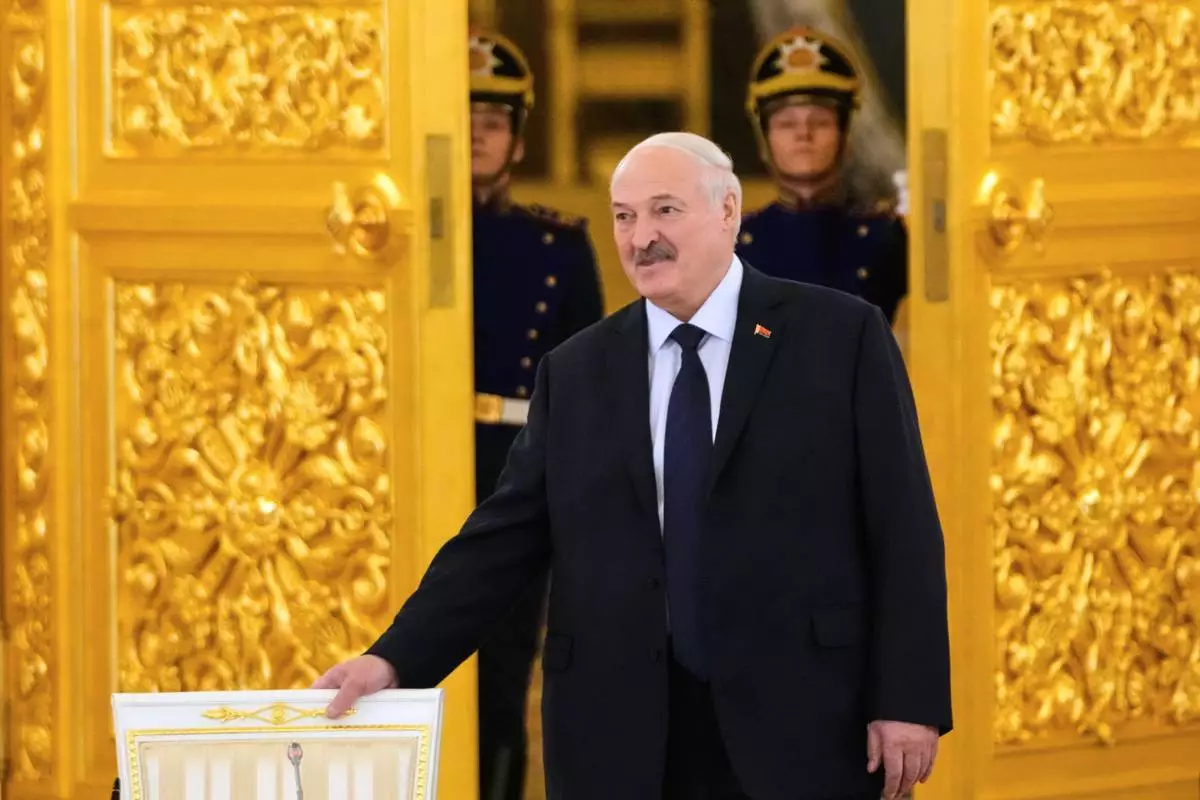
Belarusian President Alexander Lukashenko arrives to attend a meeting of the supreme council of the Union State with Russian President Vladimir Putin at the Grand Kremlin Palace in Moscow, Thursday, Feb. 26, 2026. (AP Photo/Pavel Bednyakov, Pool)