China now leads the world in the research and development as well as application of plateau medicine, not only protecting the health of millions living in high-altitude regions in the country, but also laying a scientific foundation for further development of health and wellness industries, a national political advisor said Saturday.
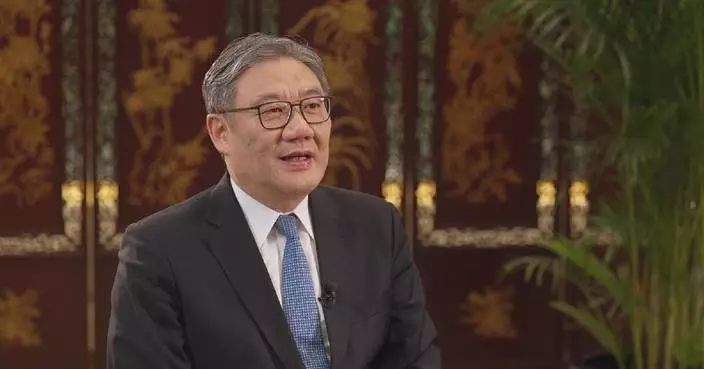
Wang Xuan, a member of the National Committee of the Chinese People's Political Consultative Conference (CPPCC) and vice chairwoman of the Qinghai Provincial Committee of the CPPCC, shared insights in a group interview on the occasion of the annual political "two sessions" underway in Beijing.
Wang noted that approximately 10 million people in China live at elevations above 3,000 meters. Qinghai Province, located deep in the plateau hinterland, has become a cradle for world-leading plateau medicine despite its harsh environment.
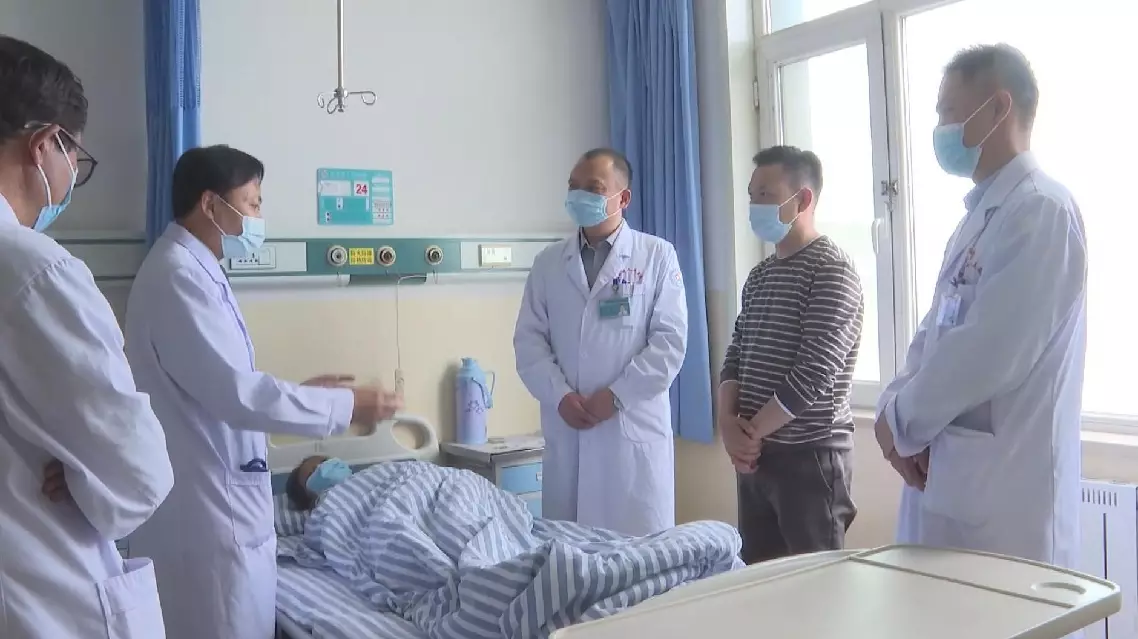
"Led by Wu Tianyi, a recipient of the July 1 Medal and an academician of the Chinese Academy of Engineering, Chinese plateau medicine researchers have succeeded in building a health barrier for the 140,000 workers on projects to construct the Qinghai-Xizang Railway, achieving the medical miracle of zero deaths from altitude sickness there. China now leads the world in clinical treatment, standard-setting, and field research related to plateau medicine," she said. "Today, Qinghai has established the country's first plateau medicine research center and a large-scale database of Tibetan medicine science and technology resources. It is home to a 4,600-meter-altitude field research base for plateau medicine and a human genetic resource sample bank for the Qinghai-Xizang Plateau. Fruitful achievements have been made in areas such as hypoxia adaptation, plateau disease prevention and treatment, clinical technology innovation, and the development of Traditional Chinese Medicine and Tibetan medicine," Wang said.
Wang explained that leveraging Qinghai's ecological resources, the province has developed a unique approach to plateau health and wellness tourism.
"These advances have not only built a health barrier for plateau residents but also laid a scientific foundation for the growth of the plateau health and wellness industry. Leveraging Qinghai's advantages in ecological resources, we have introduced the concept of plateau health and wellness, offering people the chance to rejuvenate amidst the region's mountains and waters, and charting a unique path by harnessing the moderate low-oxygen environment found at around 2,000 meters above sea level," she said.
Wang highlighted the interconnected roles of plateau ecology, plateau medicine, and plateau health and wellness in regional development. She described ecology as the foundation for growth, medicine as the protector of lives, and health and wellness as a key to unlocking ecological value.
Qinghai aims to position itself as a health and wellness destination that integrates ecology, tourism and medicine, allowing the business of plateau health and wellness to flourish and crafting a vision of harmonious coexistence between humanity and nature, she said.
The "two sessions" are the annual meetings of China's top legislature, the National People's Congress (NPC), and the top political advisory body, the National Committee of the CPPCC. Both bodies serve a five-year term and hold a plenary session each year, generally in March.
The fourth session of the 14th NPC and the fourth session of the 14th National Committee of the CPPCC kicked off in Beijing on Thursday and Wednesday, respectively.
China leads world in plateau medicine research-development, application: CPPCC member