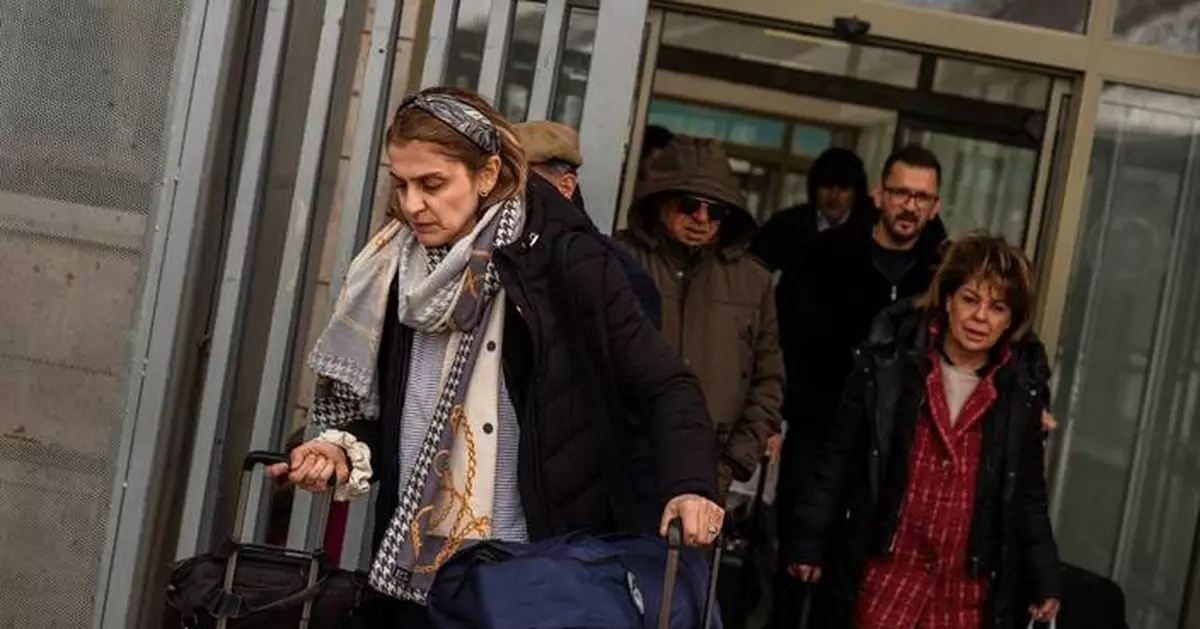
KAPIKOY BORDER CROSSING, Turkey (AP) — A land crossing near eastern Turkey’s Van province is one of the few routes connecting Iranians to the rest of the world amid an airspace shutdown in Iran since the U.S. and Israel launched strikes on Tehran over a week ago, triggering war in the Middle East.
Most travelers at the border gate in recent days had connections with Turkey through work, family, and friends, and many had moved up preplanned visits because of the war. Some had residency or citizenship in a third country and were transiting through Turkey.
Click to Gallery
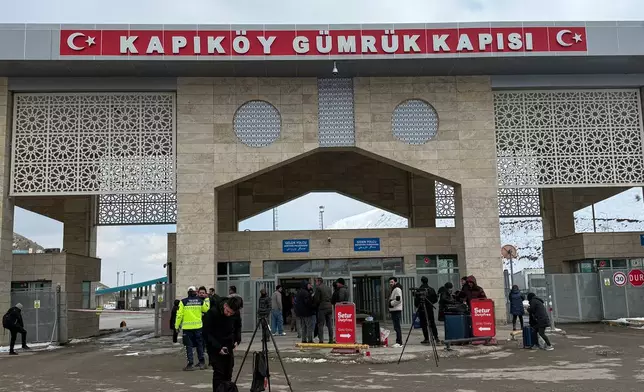
People, mostly Iranians, wait after crossing from Iran at the Kapikoy border crossing in eastern Van province, Turkey, Thursday, March 5, 2026. (AP Photo/Serra Yedikardes)
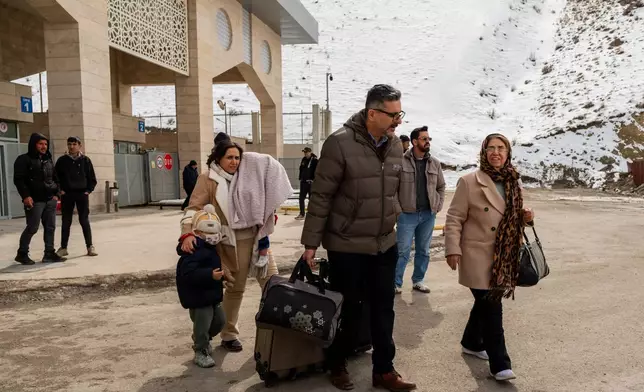
People, mostly Iranians who crossed from Iran at the Kapikoy border crossing, pull luggage in Turkey's eastern Van province, Friday, March 6, 2026. (AP Photo/Murat Kocabas)
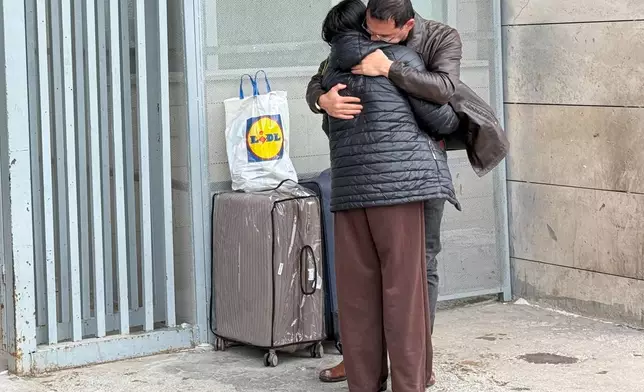
A man welcomes a woman who crossed from Iran to Turkey at the Kapikoy Border Gate in eastern Van province, Turkey, Thursday, March 5, 2026. (AP Photo/Serra Yedikardes)
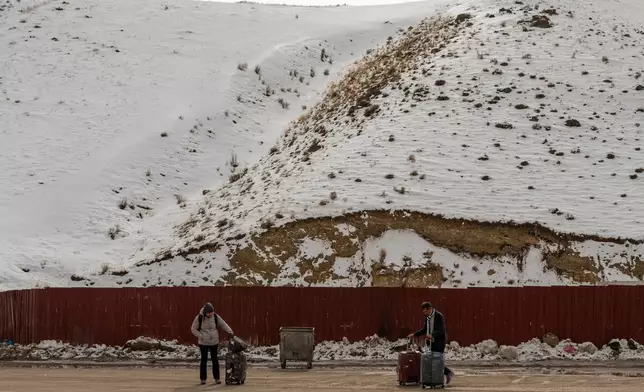
People, mostly Iranians who crossed from Iran through the Kapikoy border crossing, stand with luggage in Turkey's eastern Van province, Friday, March 6, 2026. (AP Photo/Murat Kocabas)
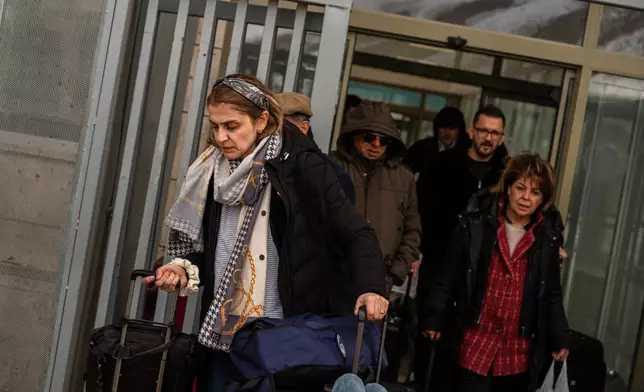
People, mostly Iranians who crossed from Iran at the Kapikoy border crossing, pull luggage in Turkey's eastern Van province, Friday, March 6, 2026. (AP Photo/Murat Kocabas)
Only a small number of Iranians who spoke to The Associated Press at the Kapikoy crossing said they planned to stay in Turkey to escape the war for an indefinite period.
Reza Gol, a 38-year-old plastic surgeon, said the war was not the only reason for his trip. He was traveling from Urmia in western Iran to see patients in Istanbul, where he used to live.
“It’s not clear whether we will leave Iran for good, but I can clear my head a little bit in the meantime,” he said. “You can see it’s not that crowded at the border. Everyone is staying in their houses. For now, people are not leaving everything they have behind and running away.”
Pooneh Asghari and her husband, Iranian-Canadian citizens, were reluctantly preparing to fly to Canada, although they no longer have a house there and both of them work in Iran. Asghari said they are hoping the trip will be brief.
“We’ve been living in Iran for over the last five years,” she said. “All our life is there.”
Fariba, a woman who asked to be identified only by her first name out of security concerns, was headed to İzmir in western Turkey to wait out the war with her son.
She said most of her friends and neighbors don’t have the means to escape — which might explain the lack of a major exodus across the border.
“People are very poor now,” she said. “So they are staying at home, and they are scared.”
Iranians normally enter Turkey without visas. On Monday, Turkey’s trade minister announced the mutual suspension of crossings for day-trips, while Iranian border officials have restricted the passage of some Iranian nationals, according to travelers and local media.
However, since Thursday morning, both Iranians and third-country nationals have been crossing the mountain ringed Kapıköy border gates normally.
Turkey’s Interior Minister Mustafa Çiftçi said in a statement that 2,032 travelers entered Turkey from Iran on Wednesday, while 1,966 of them departed to Iran. More recent figures were not available.
Most of those who crossed then made their way to the Van airport to continue their journey. On Friday night, about 20 passengers, mostly Iranians, were lying on rows of chairs waiting to get a flight the next morning.
Mehregan, a 26-year-old who studies in China, was visiting her family in Ahvaz for the winter holidays when the war broke out. She drove more than 15 hours across Iran to cross into Turkey. She asked not to be identified by her full name out of fear that speaking to media would cause her problems with Iranian authorities.
The cash-strapped student decided to sleep in the airport while waiting for the next day’s flight to Istanbul, from which she would fly to China. But on Saturday, her flight was canceled because of snowstorms and she was preparing to look for a hotel in the city rather than sleeping in the airport for a second night.
“If I can’t get on a flight tomorrow from here I will miss my flight to China” and lose the cost of the nonrefundable ticket, she said.
Van, which is a 1.5-hour drive from the border, has long been a popular destination for Iranians for work, travel, and trade. The hotels and shops that normally do bustling business during Iran’s Nowruz holidays in mid-March are now expecting to take a hit.
“It gets really lively here over Nowruz. A lot of our friends come and spend their holidays here with us,” says Resat Yeşilağaç, owner of two hotels in Van. “Now it’s mostly quiet, apart from people who come because of the war. Most of them are dual nationals and they stop in Van for a day or so before flying out.”
Migration is a sensitive topic in Turkey, which was at one point hosting nearly 4 million Syrian refugees.
Turkey has been further enhancing its border defenses to be able to respond to a potential influx of people fleeing unrest after mass anti-government protests in Iran were met by a brutal crackdown in January.
Turkey’s defense ministry said in January that Turkey had 380 kilometers (235 miles) of concrete walls, 203 optical towers and 43 elevator-equipped towers along the country’s 560-kilometer (350-mile) border with Iran.
On Wednesday, Interior Minister Mustafa Ciftci said Turkey had drawn up contingency plans that involve tent camps and buffer zones to respond to a potential influx of people fleeing the war from Iran. So far that influx has not materialized.
Harrison Mirtar, 53, an Iranian-Canadian, crossed the border at Kapıköy before continuing his journey back to Canada, after a visit to his parents in Tehran. He said he was angry about the foreign intervention in his country, but he was not too worried about leaving his parents behind. They had lived through the brutal Iran-Iraq war in the 1980s.
“They are in their homeland,” he said. “Life is going on, but with some bombs.”
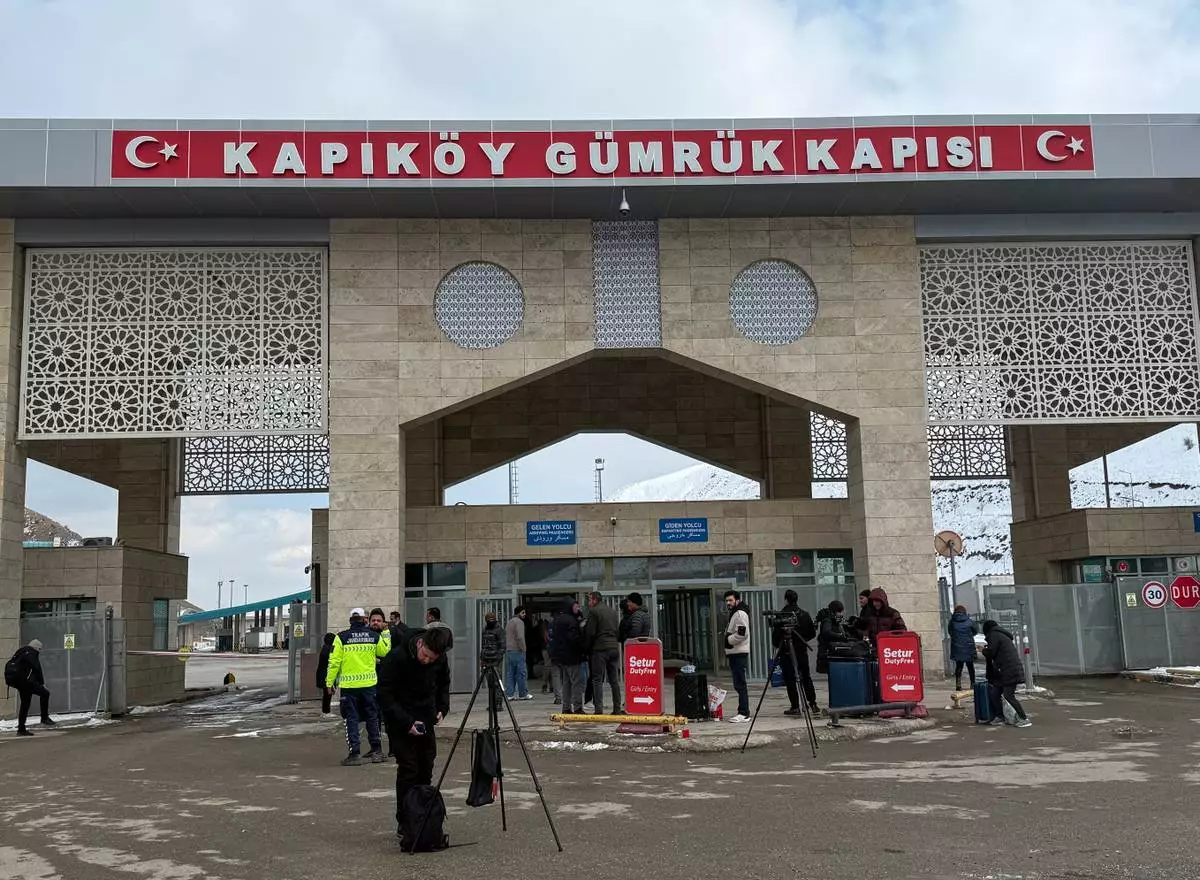
People, mostly Iranians, wait after crossing from Iran at the Kapikoy border crossing in eastern Van province, Turkey, Thursday, March 5, 2026. (AP Photo/Serra Yedikardes)
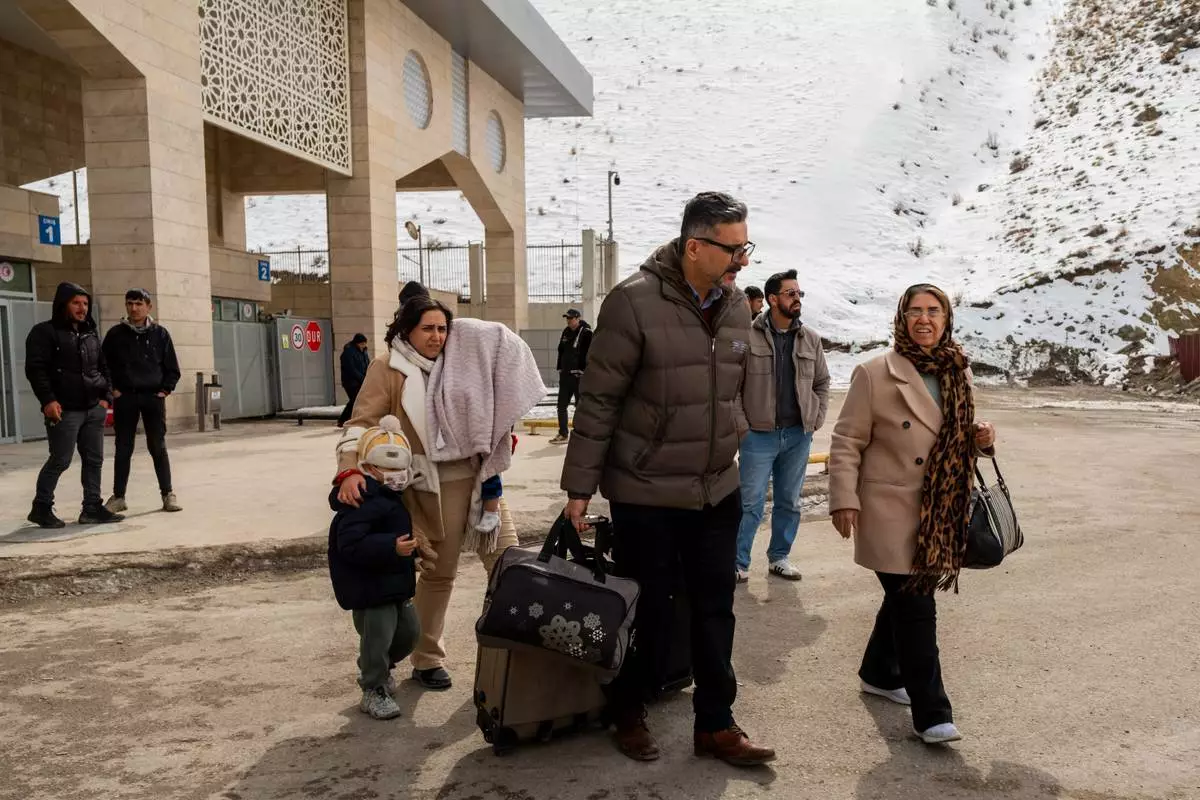
People, mostly Iranians who crossed from Iran at the Kapikoy border crossing, pull luggage in Turkey's eastern Van province, Friday, March 6, 2026. (AP Photo/Murat Kocabas)
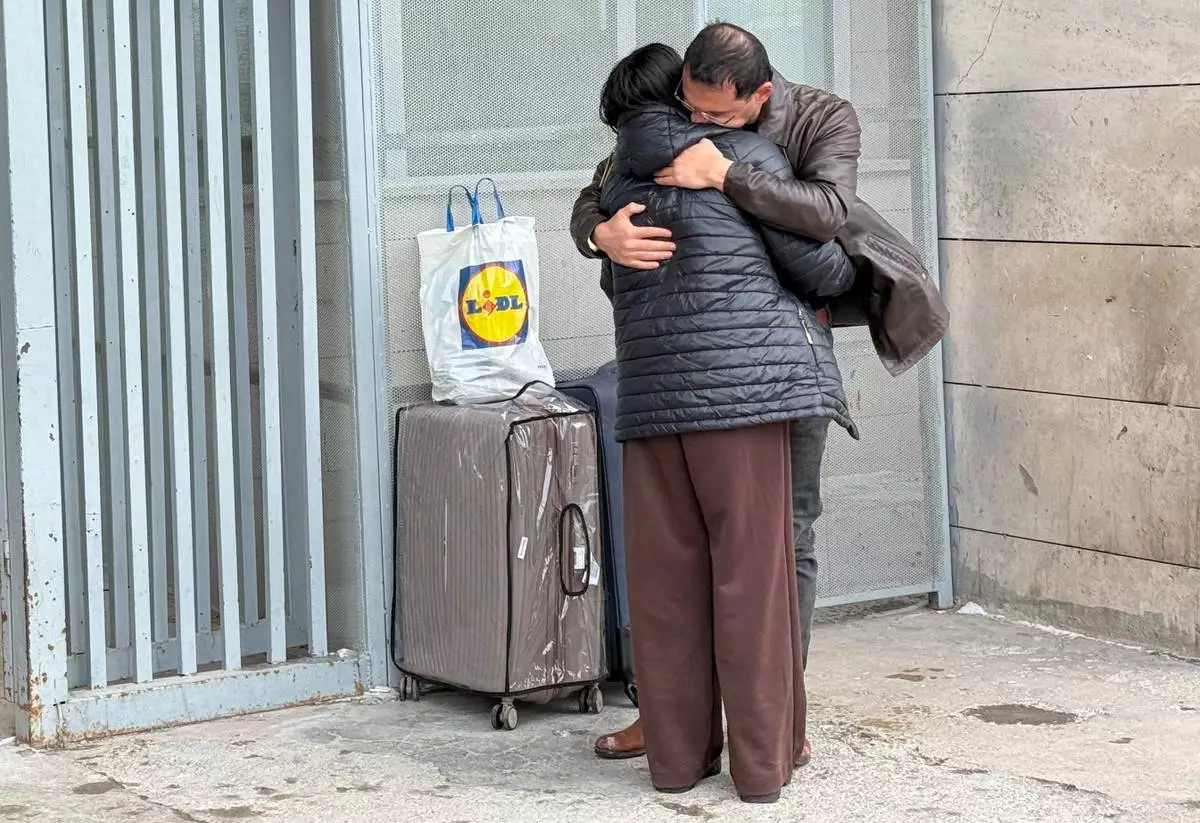
A man welcomes a woman who crossed from Iran to Turkey at the Kapikoy Border Gate in eastern Van province, Turkey, Thursday, March 5, 2026. (AP Photo/Serra Yedikardes)
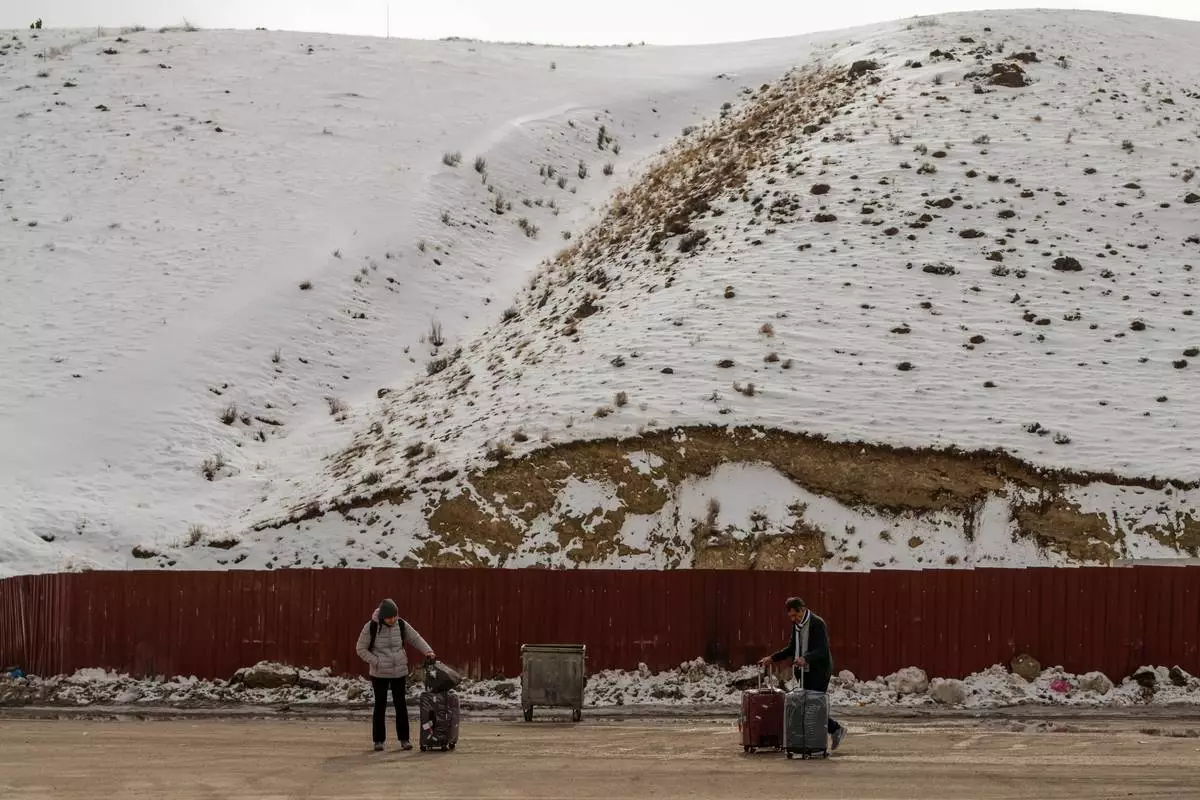
People, mostly Iranians who crossed from Iran through the Kapikoy border crossing, stand with luggage in Turkey's eastern Van province, Friday, March 6, 2026. (AP Photo/Murat Kocabas)
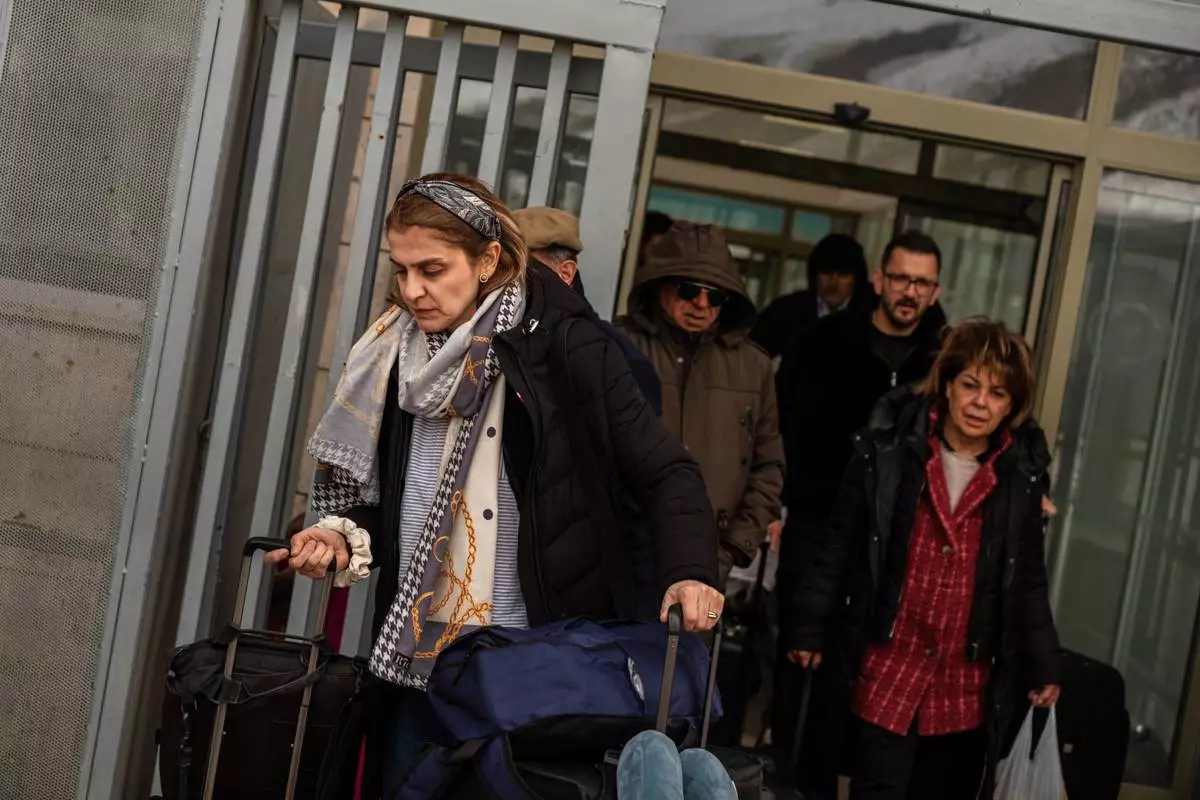
People, mostly Iranians who crossed from Iran at the Kapikoy border crossing, pull luggage in Turkey's eastern Van province, Friday, March 6, 2026. (AP Photo/Murat Kocabas)