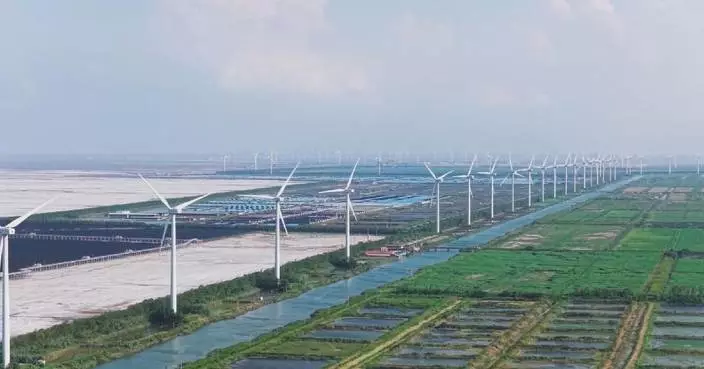
South China's island province of Hainan, with its Free Trade Port (FTP), has seen a significant increase in foreign investment, tourism, and consumption since the launch of wide special customs operations in December last year, according to Hainan officials.
The separate customs operations, featuring freer entry of overseas goods, broader zero-tariff coverage, and more business-friendly measures in the FTP, are seen as a landmark in China's efforts to promote free trade and expand high-standard opening-up amid rising protectionism worldwide.
The officials, who are deputies to the National People's Congress (NPC) attending the fourth session of the 14th NPC, scheduled for March 5 to 12, expounded on the FTP's development at a meeting in Beijing on Saturday.
"So far, the number of newly registered entities benefiting from the policy has exceeded 11,000 and maintained a steady growth, while the imports of goods have increased by 1.55 times year on year. The number of newly added foreign-funded enterprises and registered foreign trade enterprises has increased by 30 percent and 74 percent, respectively. The number of inbound and outbound travelers through open ports has increased by 35.1 percent to 653,000. Among them, the number of visa-free arrivals reached 158,000, an increase of 53.7 percent. The sales under the offshore duty-free policy have risen by 30.9 percent," said Feng Fei, secretary of the Communist Party of China (CPC) Hainan Provincial Committee.
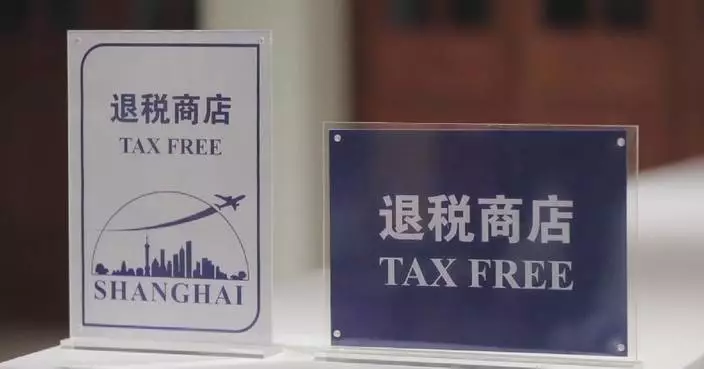
Hainan is becoming an international tourism and consumption center, with sales under the offshore duty-free policy reaching 4.86 billion yuan (about 704.68 million U.S. dollars), according to officials.
In February this year, China introduced a zero-tariff policy on certain imported goods for residents' consumption in the Hainan Free Trade Port. Each eligible resident is granted an annual duty-free shopping quota of 10,000 yuan, with no limit on the number of purchases.
The Boao Lecheng International Medical Tourism Pilot Zone (Boao Hope City) introduced over 100 innovative international drugs and medical devices and received 865,000 medical tourism trips in 2025.
The officials noted that Hainan has become the place with the lowest cost of importing raw materials or production equipment in the international market, thanks to its zero-tariff policies.
At present, the proportion of tariff product lines with zero tariffs in the Hainan FTP has reached 74 percent, and its zero-tariff policies also cover value-added tax and consumption tax on imports and manufacturing.
"What we are most concerned about now is to continue to shorten the list of taxable goods, raising the proportion of tariff lines with zero-tariff products from 74 percent to 90 percent, in line with advanced international free trade zones. Meanwhile, we will steadily advance the sales tax reform, further simplify the tax system, and reduce the tax burden," said Cai Qiang, secretary-general of the Hainan Provincial Government.
The Hainan FTP was mentioned twice in this year's government work report, saying that China will take solid steps to develop it. This is also the eighth consecutive year the FTP has been mentioned in the report.
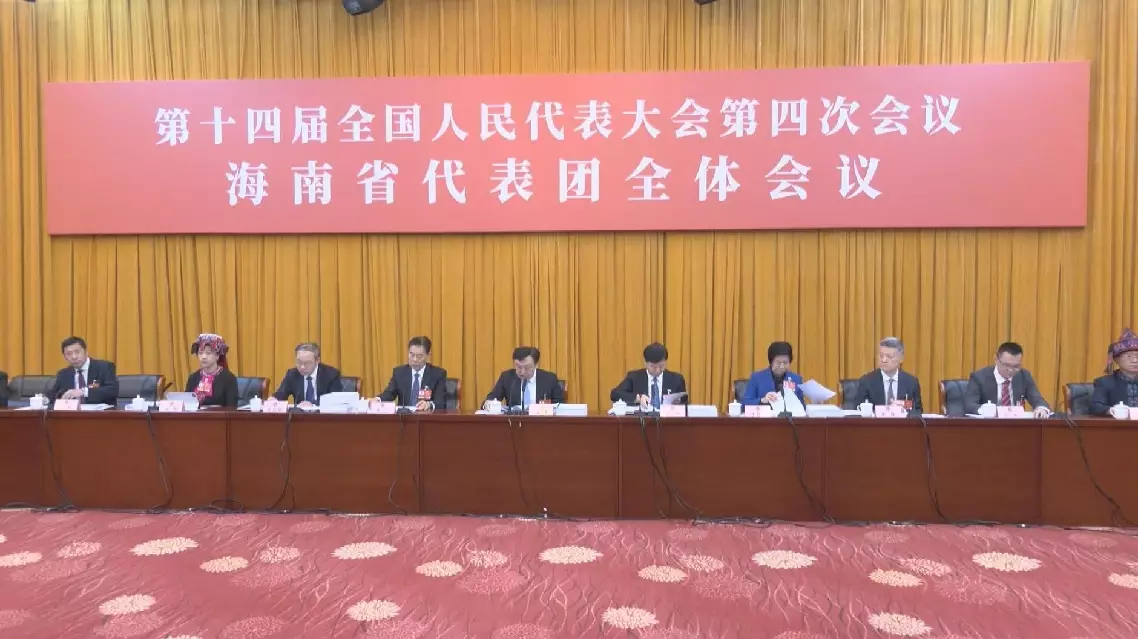
Hainan free trade port sees notable outcomes from special customs operations