ISTANBUL (AP) — Istanbul Mayor Ekrem Imamoglu went on trial on Monday with more than 400 other defendants accused of widespread corruption in a case critics see as a politically motivated move against Turkey’s opposition.
Imamoglu, who has been behind bars for nearly a year, is the main challenger to President Recep Tayyip Erdogan ’s 23-year rule. He was elected as the main opposition party’s candidate for an election due in 2028 just days after he was detained.
Click to Gallery
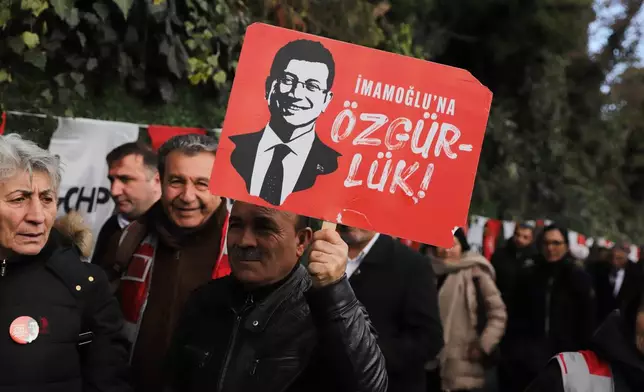
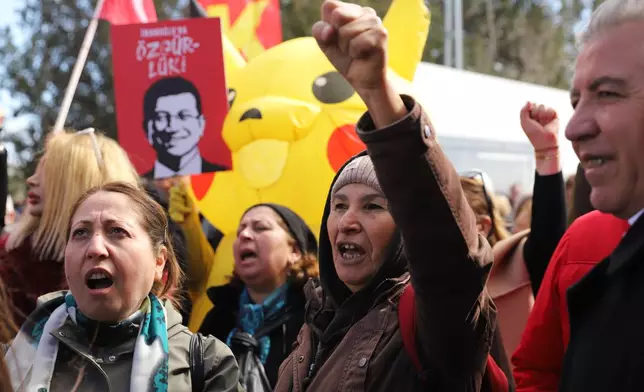
Supporters gather outside Silivri prison, where Istanbul jailed Mayor Ekrem Imamoglu stands trial accused of widespread corruption, west of Istanbul, Turkey, Monday, March 9, 2026. The poster reads in Turkish: "Ekrem Imamoglu freedom". (AP Photo/Dilara Acikgoz)
Supporters shout slogans outside Silivri prison, where Istanbul jailed Mayor Ekrem Imamoglu stands trial accused of widespread corruption, west of Istanbul, Turkey, Monday, March 9, 2026. (AP Photo/Dilara Acikgoz)
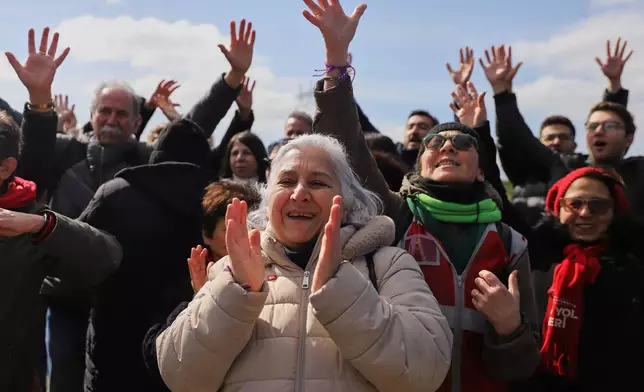
Supporters shout slogans outside Silivri prison, where Istanbul jailed Mayor Ekrem Imamoglu stands trial accused of widespread corruption, west of Istanbul, Turkey, Monday, March 9, 2026. (AP Photo/Dilara Acikgoz)
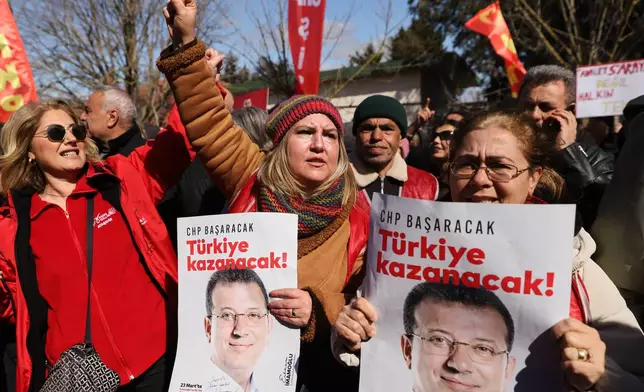
Supporters shout slogans outside Silivri prison, where Istanbul jailed Mayor Ekrem Imamoglu stands trial accused of widespread corruption, west of Istanbul, Turkey, Monday, March 9, 2026. Posters read in Turkish: "Türkiye will win!". (AP Photo/Dilara Acikgoz)
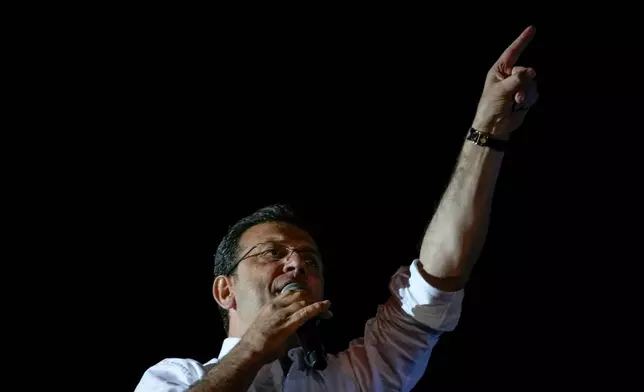
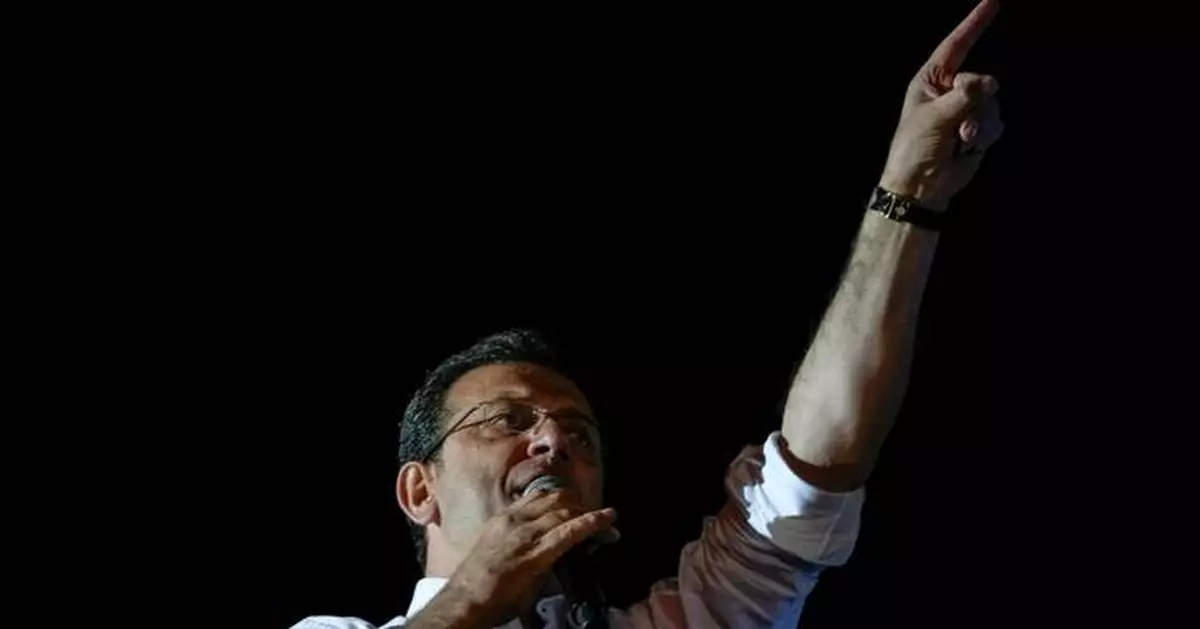
FILE - Istanbul Mayor and Republican People's Party, or CHP, candidate Ekrem Imamoglu addresses supporters outside the City Hall in Istanbul, Turkey, early Monday, April 1, 2024. (AP Photo/Khalil Hamra, File)
The hearing began in a tense atmosphere, with Imamoglu asking to speak and the panel of judges refusing the request, Halk TV news channel and other media reported. The judges accused Imamoglu of disrupting the proceedings, and then left the courtroom. The trial was adjourned until the afternoon.
Most of the 402 defendants worked for the Istanbul Metropolitan Municipality, headed by Imamoglu since 2019. Many are elected officials from the Republican People’s Party, or CHP, while journalists are also among the accused.
Imamoglu’s arrest on March 19 last year sparked weeks of street protests, the largest seen in Turkey for more than a decade.
He faces 142 charges, including establishing the “Imamoglu criminal organization for profit” from 2015, when he was mayor of Istanbul’s Beylikduzu district. The 3,900-page indictment alleges the goal was not just to enrich the accused through a system of bid-rigging and pay-offs but also to finance Imamoglu’s rise in the CHP, ultimately resulting in his presidential candidacy.
If convicted he could face a total prison sentence exceeding 2,000 years.
In a newspaper article published Friday, Imamoglu described Monday’s trial as “one of the toughest tests of democracy” in Turkey’s history and an “attempt to overturn the will of the people.”
The case is just one of the many indictments in which the 54-year-old mayor could be jailed and banned from politics. Others include claims of terrorism, espionage, falsifying his university diploma and insulting officials.
In what government critics says is a broad judicial campaign against the opposition, elected CHP members, including mayors of other major cities, face separate terrorism and corruption allegations. The party’s leadership itself is also under legal pressure over alleged irregularities surrounding its 2023 congress.
The scale and anticipated length of the Istanbul Metropolitan Municipality trial, which could run for years, has seen authorities commission the building of a new courtroom at the prison complex in Silivri, west of Istanbul, where Imamoglu and many defendants are held. Until it is completed, participants will squeeze into an existing chamber at the prison.
To highlight what they see as the political nature of prosecutions against CHP members, Imamoglu’s supporters and human rights groups point to a series of factors, including the role of Istanbul’s chief prosecutor. Akin Gurlek, the deputy justice minister, was appointed to that office in late 2024, where he initiated a series of investigations targeting CHP figures. Last month, he returned to government as justice minister.
Critics also say the prosecution’s reliance on “secret witnesses,” whose identity is hidden from defense lawyers, and defendants testifying against their co-accused, contravene the right to a fair trial.
The government maintains that Turkey’s judiciary is independent and impartial.
Despite a ban on demonstrations around the Silivri prison complex, hundreds of people gathered to demand Imamoglu's release. The CHP set up a replica of the cell where the mayor is being held — furnished with a desk, a chair, and a small television — for supporters to visit.
Benjamin Ward, Europe and Central Asia deputy director at Human Rights Watch, described the cases against the CHP over the past year as “weaponizing the criminal justice system.”
“Looking at these cases as a whole, it’s hard to avoid the conclusion that prosecutors are trying to remove Imamoglu from politics and discredit his party in ways that undermine democracy,” he said.
__
Fraser reported from Ankara, Turkey.
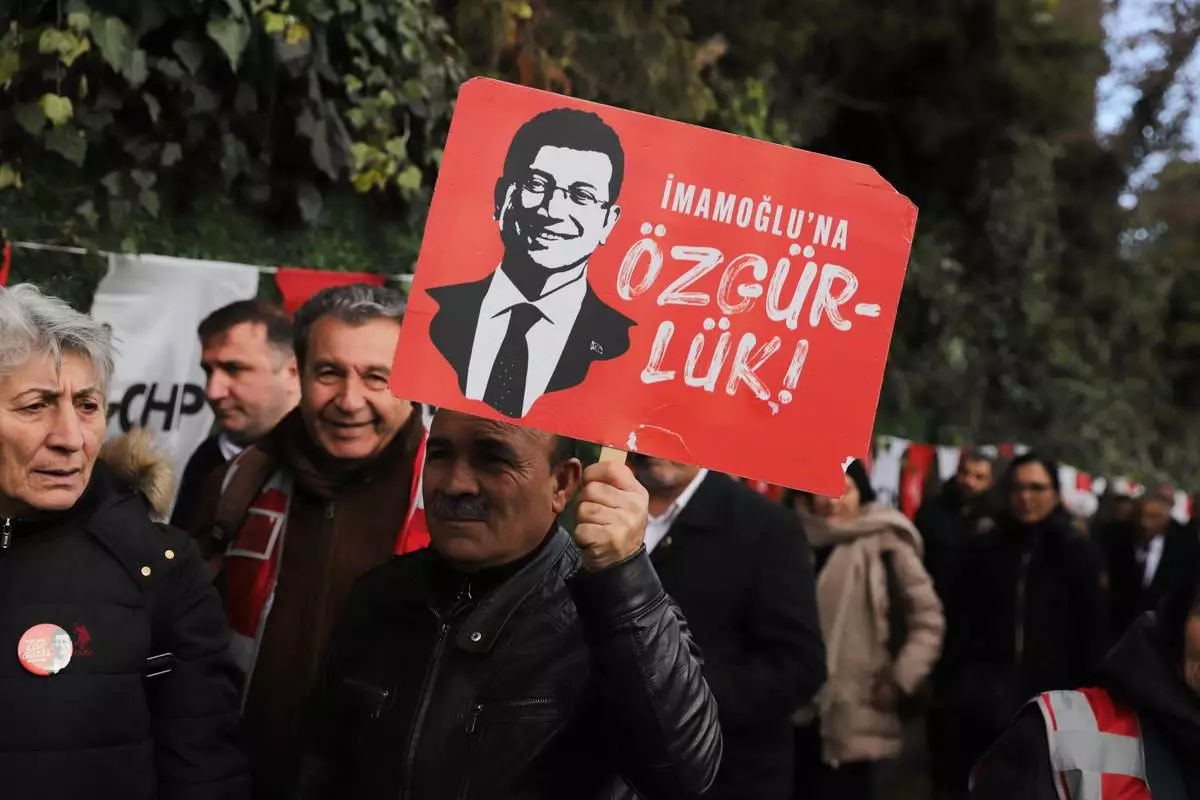
Supporters gather outside Silivri prison, where Istanbul jailed Mayor Ekrem Imamoglu stands trial accused of widespread corruption, west of Istanbul, Turkey, Monday, March 9, 2026. The poster reads in Turkish: "Ekrem Imamoglu freedom". (AP Photo/Dilara Acikgoz)
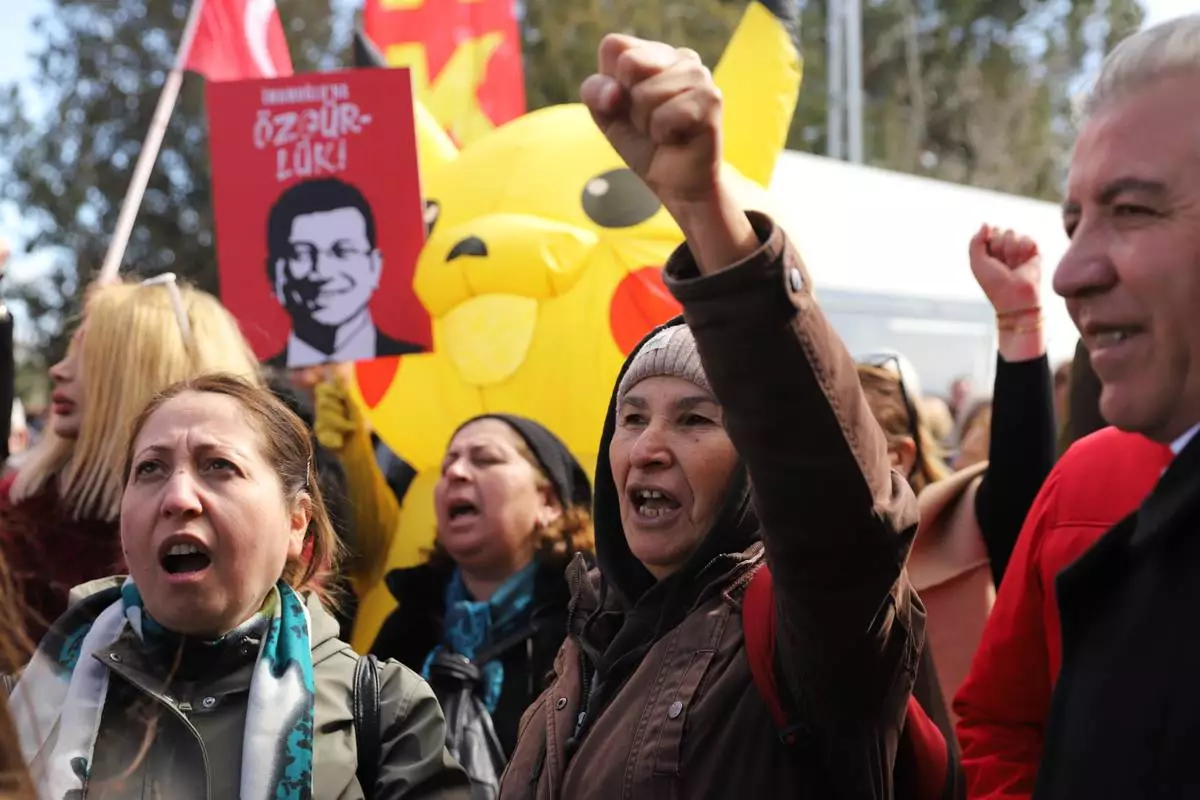
Supporters shout slogans outside Silivri prison, where Istanbul jailed Mayor Ekrem Imamoglu stands trial accused of widespread corruption, west of Istanbul, Turkey, Monday, March 9, 2026. (AP Photo/Dilara Acikgoz)
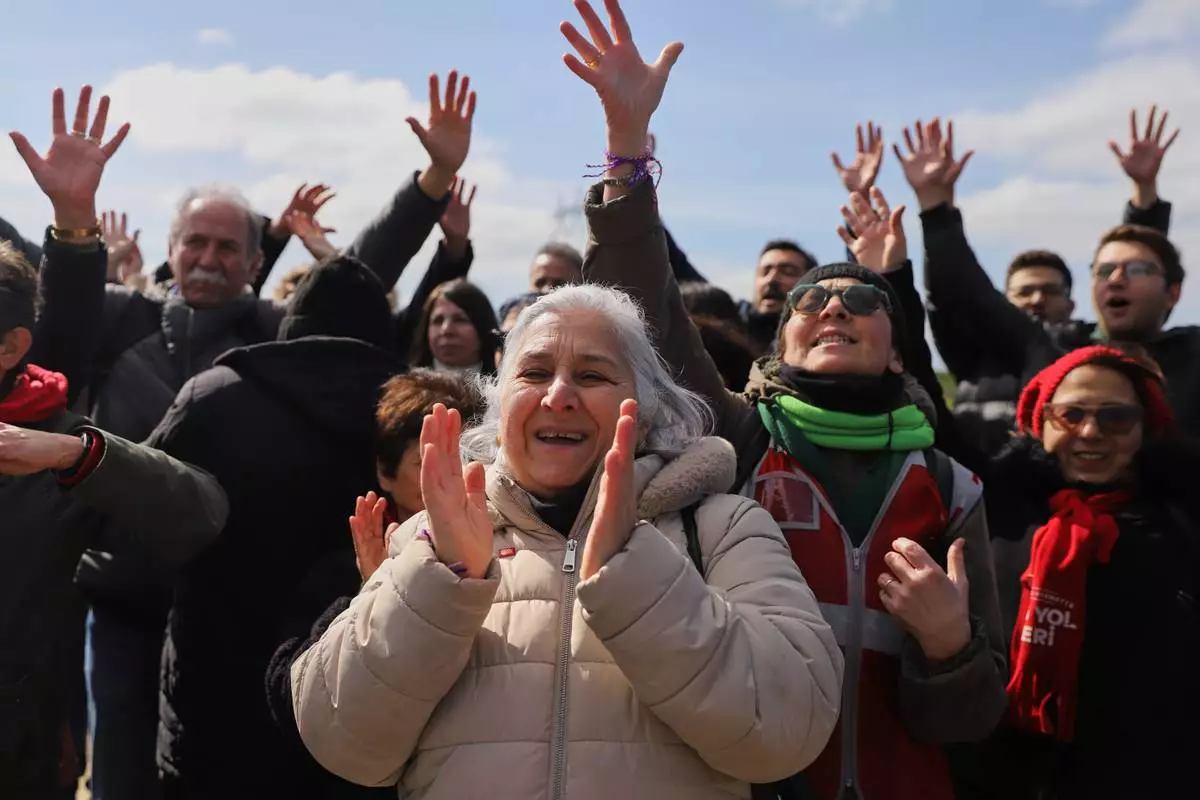
Supporters shout slogans outside Silivri prison, where Istanbul jailed Mayor Ekrem Imamoglu stands trial accused of widespread corruption, west of Istanbul, Turkey, Monday, March 9, 2026. (AP Photo/Dilara Acikgoz)
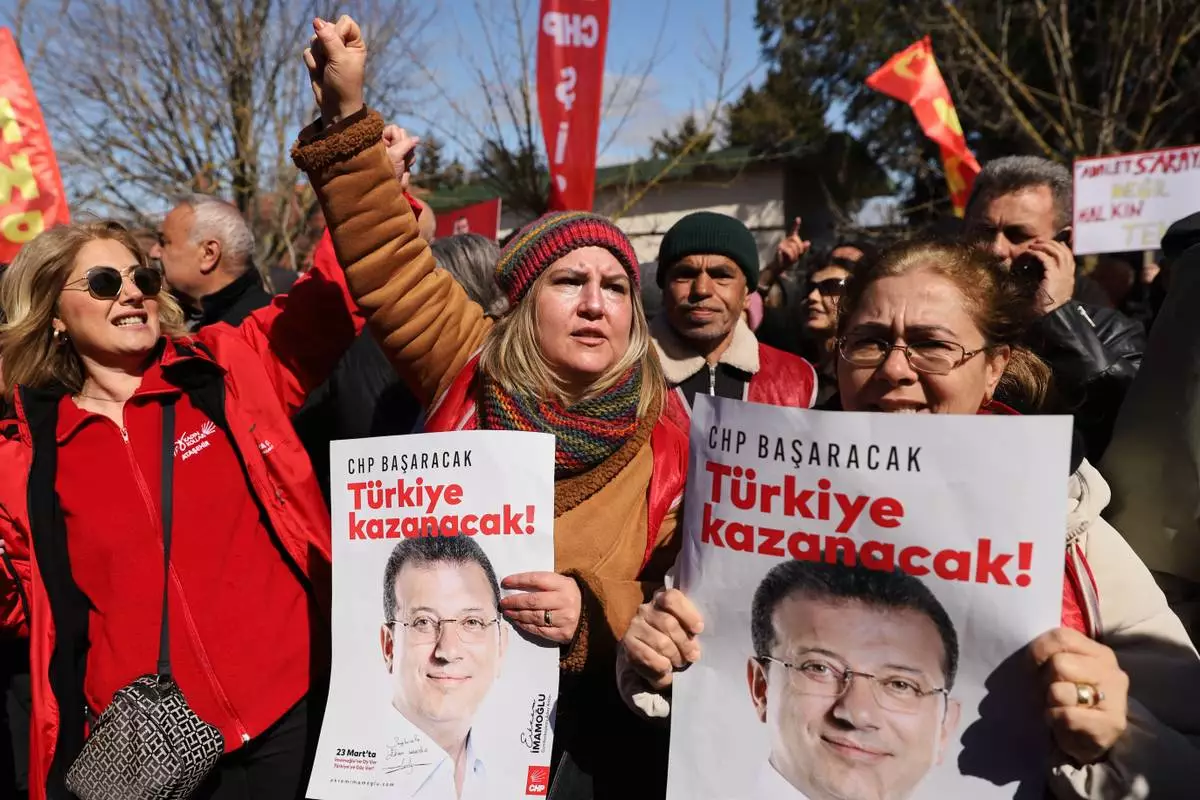
Supporters shout slogans outside Silivri prison, where Istanbul jailed Mayor Ekrem Imamoglu stands trial accused of widespread corruption, west of Istanbul, Turkey, Monday, March 9, 2026. Posters read in Turkish: "Türkiye will win!". (AP Photo/Dilara Acikgoz)
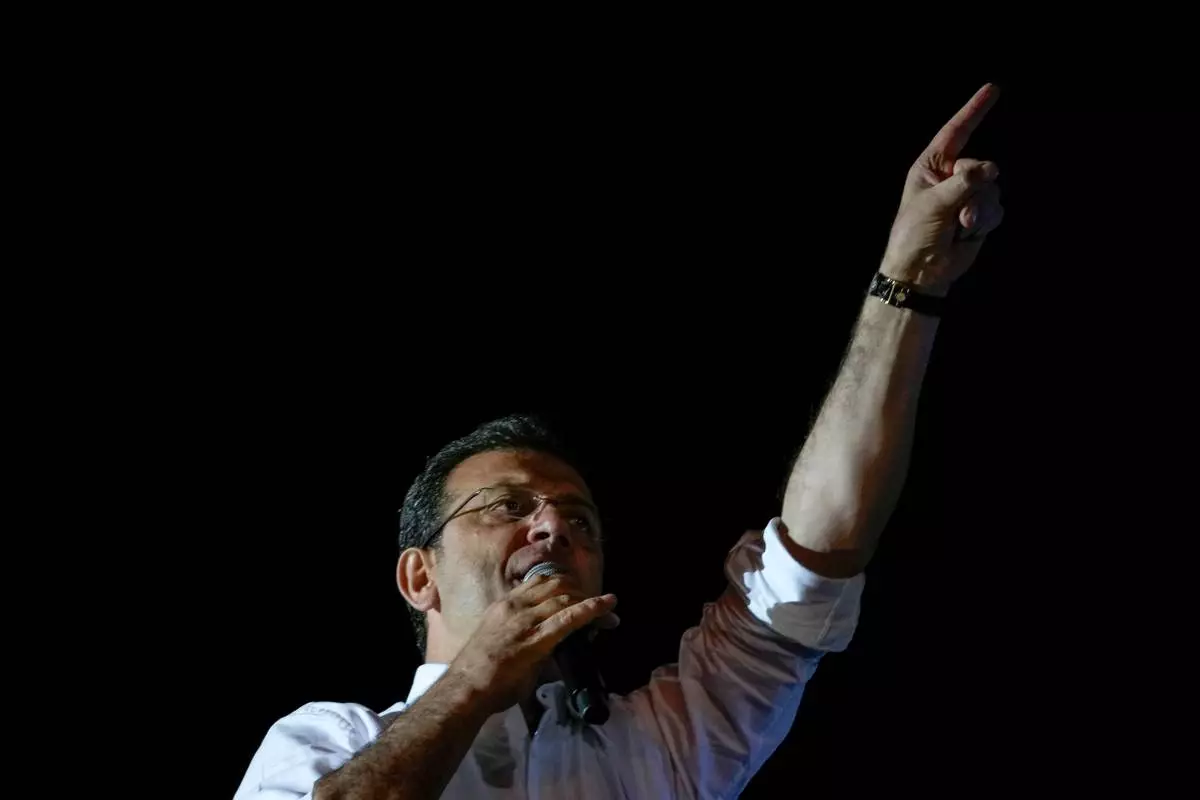
FILE - Istanbul Mayor and Republican People's Party, or CHP, candidate Ekrem Imamoglu addresses supporters outside the City Hall in Istanbul, Turkey, early Monday, April 1, 2024. (AP Photo/Khalil Hamra, File)