WASHINGTON (AP) — “Exercise your brain,” experts advise people hoping to stave off dementia. But how? Stretching your brain might be the better description.
Do a crossword puzzle a day and you may just get good at crosswords. Instead, research increasingly shows that a variety of habits and hobbies are like a cognitive workout, building knowledge and skills that may beef up parts of the brain as we get older.
One recent study linked a lower risk of Alzheimer's disease and cognitive decline to lifelong learning, meaning intellectually stimulating experiences — reading and writing, learning another language, playing chess, solving puzzles, going to museums — from childhood into retirement.
“They kind of like stretch your brain and your thinking. You’re using your different cognitive systems,” explained neuropsychologist Andrea Zammit of Rush University Medical Center in Chicago, who led that study.
If you didn’t embrace what Zammit calls cognitively enriching activities early in life, it’s not too late to get started. Middle age offers an important window for protecting brain health and scientists are examining a wide range of possible ways to stay sharp, from taking up music to birdwatching and brain-training games.
“It’s not just one activity. It’s more about finding meaningful activities that you might be passionate about,” Zammit said — and sticking with them rather than dabbling.
Physical health is critical to brain health, too. That’s why experts also recommend the work-up-a-sweat kind of exercise as well as controlling blood pressure, good sleep, even later-in-life vaccination.
There’s no magic recipe to prevent either dementia or the normal cognitive decline of aging, cautioned Dr. Ronald Petersen, an Alzheimer’s specialist at the Mayo Clinic. But lifestyle changes offer a chance to “slow down the arc of deterioration,” he said.
Zammit's study on lifelong learning study enrolled nearly 2,000 older adults, ranging from age 53 to 100, who started out dementia-free and were tracked for eight years. Researchers quizzed them about educational and other cognitively stimulating activities in their youth, middle and older ages, and administered a battery of neurologic tests.
Some eventually were diagnosed with Alzheimer’s disease — but it struck five years later in those with the highest amount of lifelong learning compared to those with the least amount, Zammit’s team reported in the journal Neurology. And staying more mentally active in middle age and beyond was linked to a slower rate of cognitive decline.
More interesting, Zammit said, were autopsy findings from 948 participants who died during the study: Even when their brains harbored Alzheimer's hallmarks, the more cognitively “enriched” people had better memory and thinking skills and a slower decline before their death.
That’s what scientists call cognitive reserve. It means learning strengthened neural connections in various regions, helping the brain to be more resilient, able to work around damage from aging or disease at least for a while.
The Rush study can’t prove cause-and-effect — it shows an association between cognitive stimulation and dementia risk. Other studies offer similar clues, such as those linking brain health to playing a musical instrument.
Another study hinted that brain “speed training” — using an online program that requires spotting images as a screen flashes increasing distractions — also may help. A study funded by the National Institutes of Health now is examining if there's benefit to long-term computerized exercises that aim to improve attention and reaction time.
That brain processing speed affects how we multitask or drive, said Jessica Langbaum of the Banner Alzheimer’s Institute, who isn’t involved with the brain training research. For now, she advises choosing activities that help you think on your feet — maybe joining a book club to combine solo reading with discussion and social connection.
Lots of chronic health problems that strike in middle age can increase the risk of later-in-life Alzheimer’s or other forms of dementia. For example, high blood pressure damages blood vessels, which is bad for the heart and reduces blood flow to the brain. Poorly controlled diabetes can spur damaging inflammation in the brain.
That means key recommendations for heart health — get regular exercise, eat lots of fruits and vegetables, avoid obesity and control diabetes, high blood pressure and high cholesterol — also are good for brain health.
A bonus step: Get vaccinated against shingles. It not only prevents that incredibly painful rash but growing research shows the vaccinated have a lower risk of developing dementia.
The Associated Press Health and Science Department receives support from the Howard Hughes Medical Institute’s Department of Science Education and the Robert Wood Johnson Foundation. The AP is solely responsible for all content.
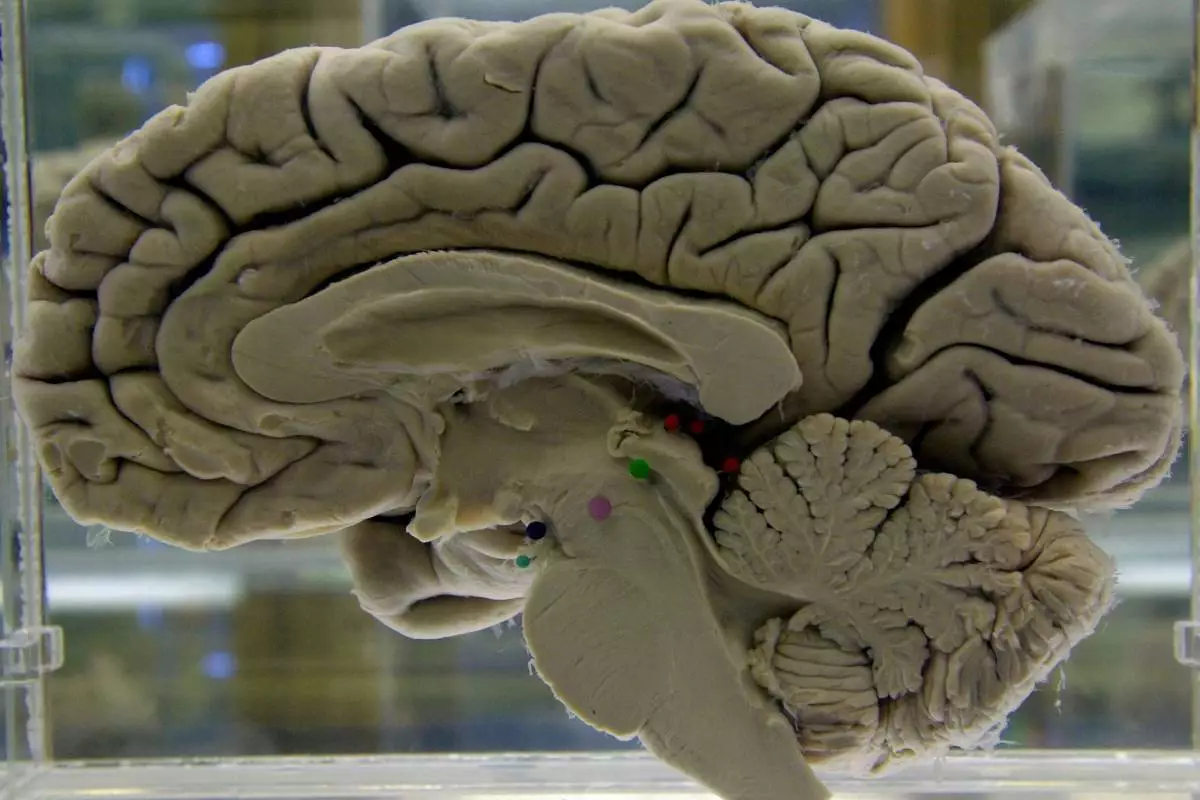
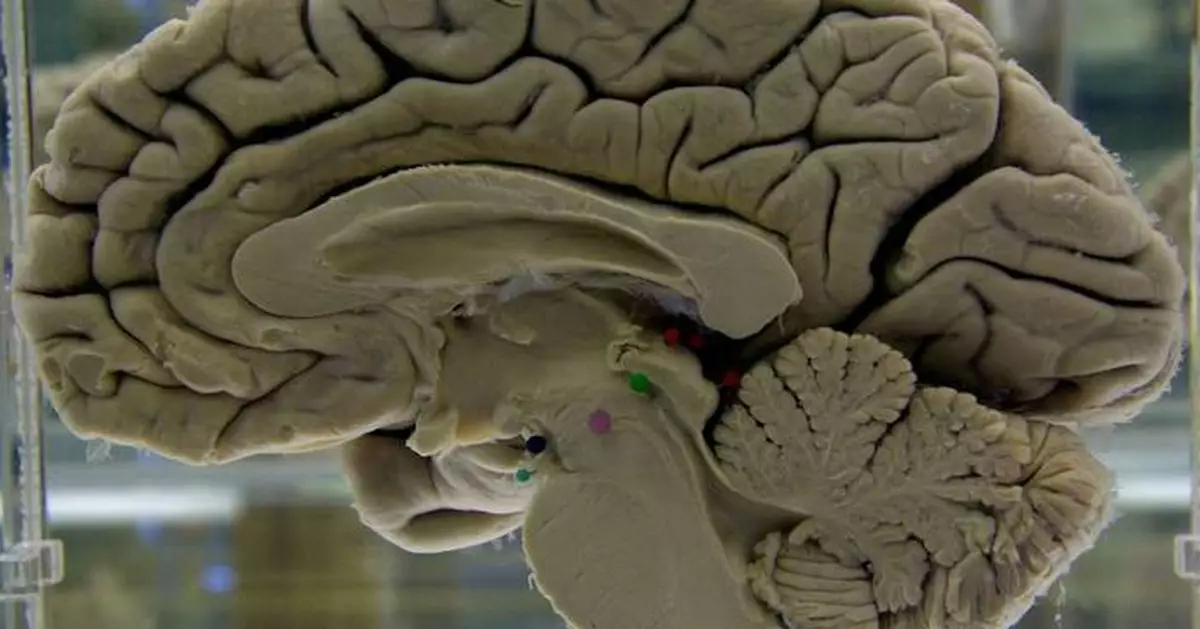
FILE - A section of a preserved human brain on display at the Museum of Neuroanatomy at the University at Buffalo, in Buffalo, N.Y., on Tuesday, Oct. 7, 2003. (AP Photo/David Duprey, File)
DUBAI, United Arab Emirates (AP) — Iran named the hard-line Ayatollah Mojtaba Khamenei to succeed his late father as supreme leader on Monday, signaling no letup in the war launched by the United States and Israel. Oil prices surged as Iran attacked regional energy infrastructure and the U.S. and Israel bombed targets across Iran.
With Iran’s theocracy under assault for more than a week, the country’s Assembly of Experts chose the secretive, 56-year-old cleric with close ties to the paramilitary Revolutionary Guard as the new supreme leader. The Guard has been firing missiles and drones at Israel and Gulf Arab states since Ayatollah Ali Khamenei, who had ruled Iran for 37 years, was killed during the war’s opening salvo.
The appointment marked a new sign of defiance by Iran’s embattled leadership after more than a week of heavy U.S. and Israeli bombardment, suggesting that Tehran is not close to giving up on what it considers a fight for the country's existence.
World markets plummeted following the news, and Brent crude oil, the international standard, surged to nearly $120 a barrel on Monday, about 65% higher than when the war started, before retreating.
Iran's attacks in the Strait of Hormuz have also all but stopped tankers from using the key shipping lane through which a fifth of the world's oil is carried. Fire broke out at an oil facility that Iran attacked in the United Arab Emirates, Bahrain's only oil refinery was apparently also hit, and Saudi Arabia said it had intercepted several drones attacking its Shaybah oil field.
In Israel, sirens blared multiple times on Monday as Iran’s drones and missiles were unrelenting. A man was killed in central Israel in a missile strike, the first such death in Israel in a week, and a woman was wounded.
Israel said it struck the Iranian city of Isfahan, hitting command centers for the Revolutionary Guard and its volunteer Basij force, as well as a rocket engine production facility and missile launch sites. There was no immediate confirmation from Iran.
The younger Khamenei, who has not been seen in public since the war started, was long considered a potential successor — even before the Israeli strike killed his father. His wife, Zahra Haddad Adel, was killed in the same Israeli strike that killed the 86-year-old Ayatollah Ali Khamenei.
Political figures within Iran have criticized handing over the supreme leader's title based on heredity, comparing it to the monarchy overthrown in the 1979 Islamic Revolution. But top clerics in the Assembly of Experts apparently voted for continuity.
Khamenei, who is seen as even more hard-line than his late father, will now be in charge of Iran's armed forces and any decision about Tehran's nuclear program.
While Iran's key nuclear sites are in tatters after the U.S. bombed them during the 12-day Israel-Iran war in June, it still has highly enriched uranium that's a technical step away from weapons-grade levels. Khamenei could choose to do what his father never did — build a nuclear bomb.
Israel has already described him as a potential target, while U.S. President Donald Trump has called him “unacceptable” and dismissed him as a “lightweight.”
Both the Revolutionary Guard and the Iran-backed Lebanese militant group Hezbollah issued statements in support of Khamenei.
Top Iranian security official Ali Larijani, speaking to Iranian state television, praised the Assembly of Experts for “courageously” convening even as airstrikes continued in Tehran. He said the younger Khamenei had been trained by his father and “can handle this situation.”
Saudi Arabia lashed out at Iran following a thwarted drone attack on its massive Shaybah oil field, saying Tehran would be the “biggest loser” if it continues to attack Arab states.
In the UAE, authorities said two people were wounded by shrapnel from the interception of Iranian missiles over the capital, Abu Dhabi.
Iran also attacked Kuwait, Qatar and Bahrain, where it hit a residential area, wounding 32 people, including several children, according to authorities. Another attack appeared to have started a fire at Bahrain's only oil refinery, sending thick plumes of smoke into the air.
Bahrain has also accused Iran of damaging one of its desalination plants, though its electricity and water authority said supplies remained online. Desalination plants supply water to millions of residents in the region, raising new fears of catastrophic risks in parched desert nations.
On Monday, Bahrain's state oil company declared force majeure for its oil shipments, the state-run Bahrain News Agency reported, a legal maneuver releasing a company of its contractual obligations because of extraordinary circumstances. It insisted that local demand could still be met.
In Iraq, air defenses downed a drone as it attacked a U.S. military compound inside the Baghdad International Airport, a security source told The Associated Press, speaking on condition of anonymity because they were not authorized to speak to the press. No injuries or damage were reported. It was not immediately clear who was behind the attack, but Iran-backed militias have previously targeted the base.
Elsewhere, the U.S. military said a service member died of injuries from an Iranian attack on troops in Saudi Arabia on March 1. Seven U.S. soldiers have now been killed.
The U.S. State Department early Monday ordered nonessential personnel and families of all staff to leave Saudi Arabia following the escalation in attacks.
Eight other U.S. diplomatic missions have ordered all but key staff to leave: Bahrain, Iraq, Jordan, Kuwait, Lebanon, Qatar, the United Arab Emirates and the consulates in Karachi, Pakistan, and Adana, Turkey.
Smoke billowed over Beirut after Israel carried out airstrikes on its southern suburbs Monday.
Ahead of the strikes, the Israeli army said it would operate against targets associated with the Hezbollah-linked financial institution al-Qard Al-Hasan — which Israel said finances the militant group — and repeated its warning to residents of Beirut’s southern suburbs to flee.
The war has killed at least 1,230 people in Iran, at least 397 in Lebanon and 11 in Israel, according to officials. Another person died in Israel of an asthma attack on her way to a shelter. Israel reported its first soldier deaths on Sunday, saying two were killed in southern Lebanon, where it is fighting Hezbollah.
Rising reported from Bangkok and Magdy from Cairo. Associated Press journalists Sam Metz in Ramallah, West Bank; Natalie Melzer in Nahariya, Israel; Melanie Lidman in Tel Aviv, Israel; Sally Abou AlJoud in Beirut; Aamer Madhani in Doral, Florida, and Qassem Abdul-Zahra in Baghdad contributed reporting.
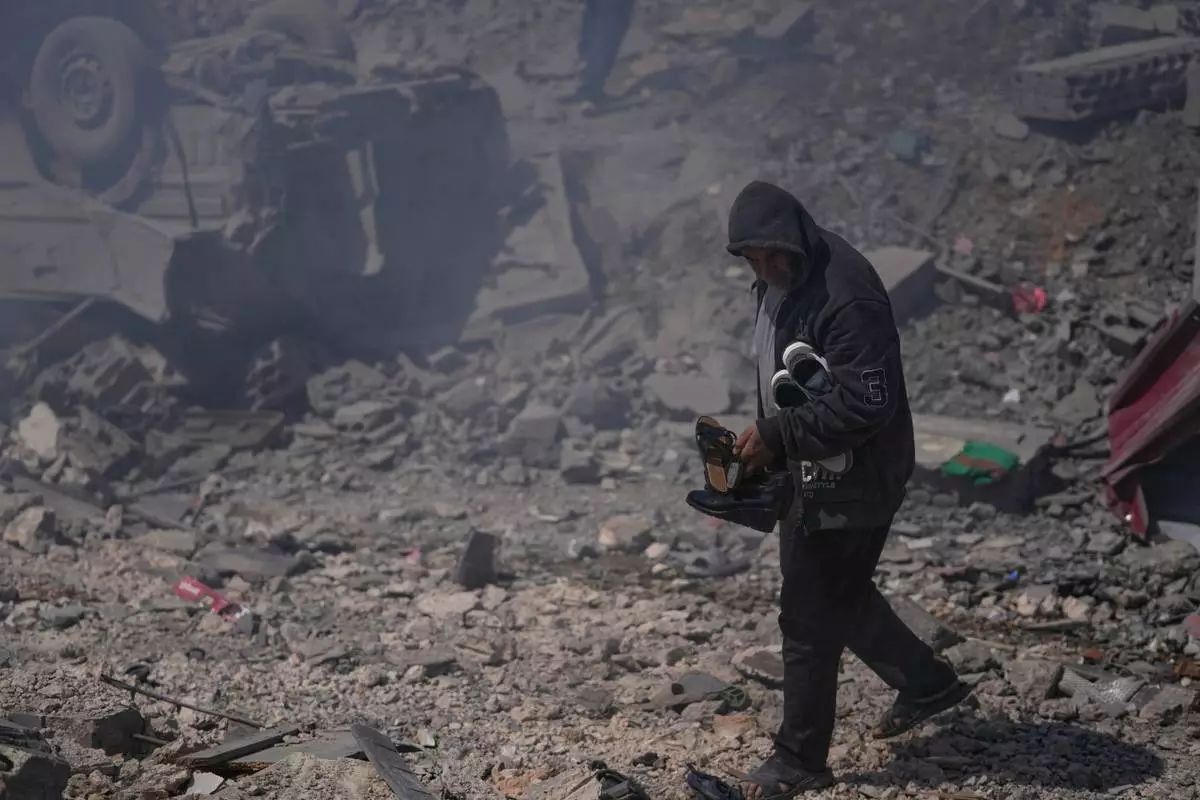
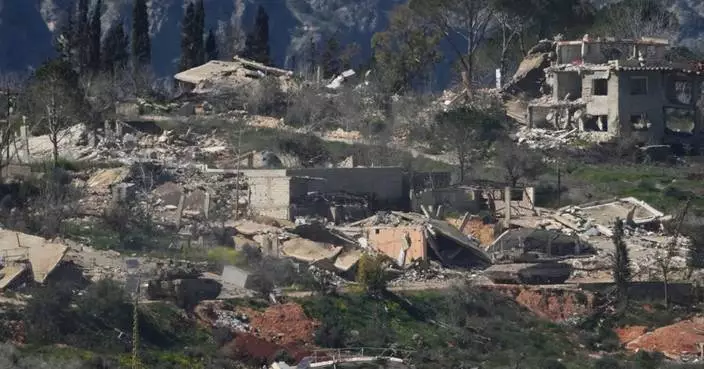
A man carries shoes from his destroyed house that was hit by Israeli airstrikes hit several houses in Sir al-Gharbiyeh village south Lebanon, Sunday, March, 8, 2026. (AP Photo/Mohammed Zaatari)
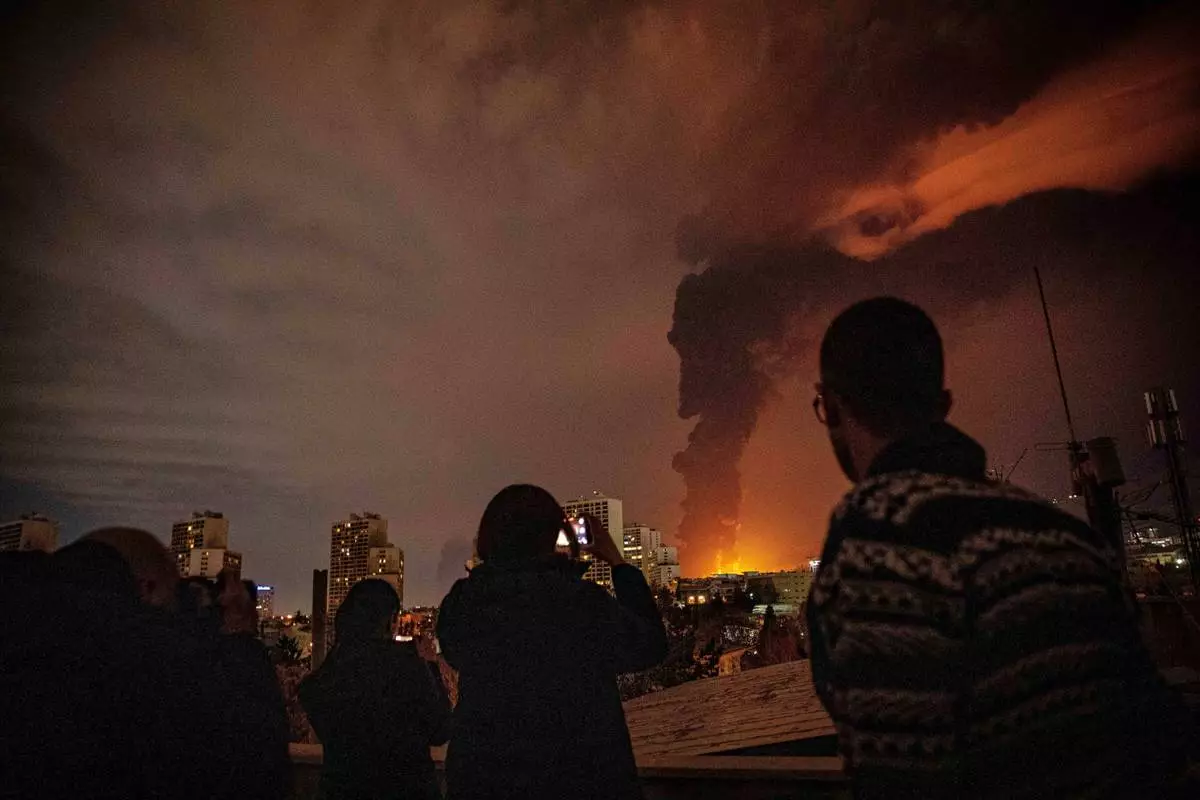
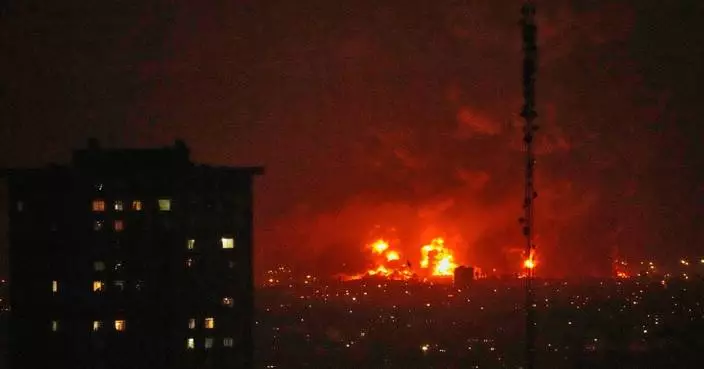
Residents look on and take pictures as flames and smoke rise from an oil storage facility struck as attacks hit the city during the U.S.–Israeli military campaign in Tehran, Iran, Saturday, March 7, 2026. (Alireza Sotakbar/ISNA via AP)
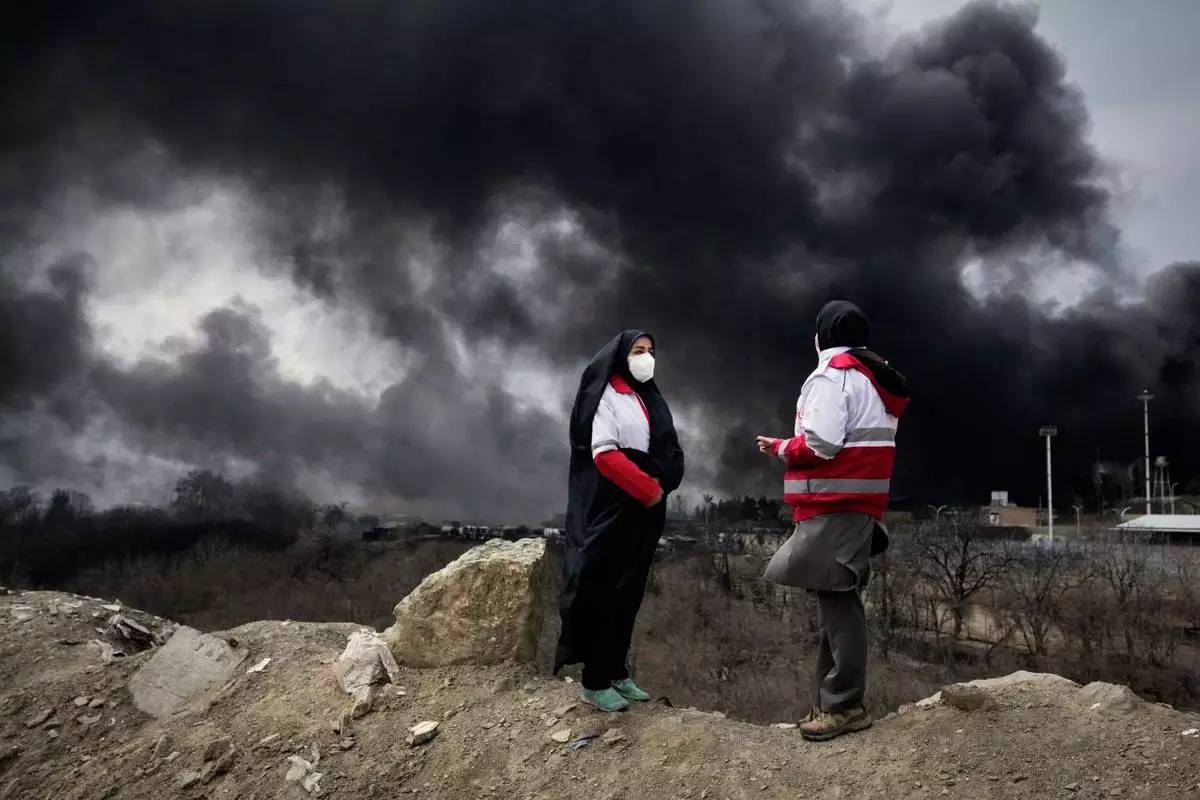
Two women from the Iranian Red Crescent Society stand as a thick plume of smoke from a U.S.-Israeli strike on an oil storage facility late Saturday rises in the sky in Tehran, Iran, Sunday, March 8, 2026. (AP Photo/Vahid Salemi)
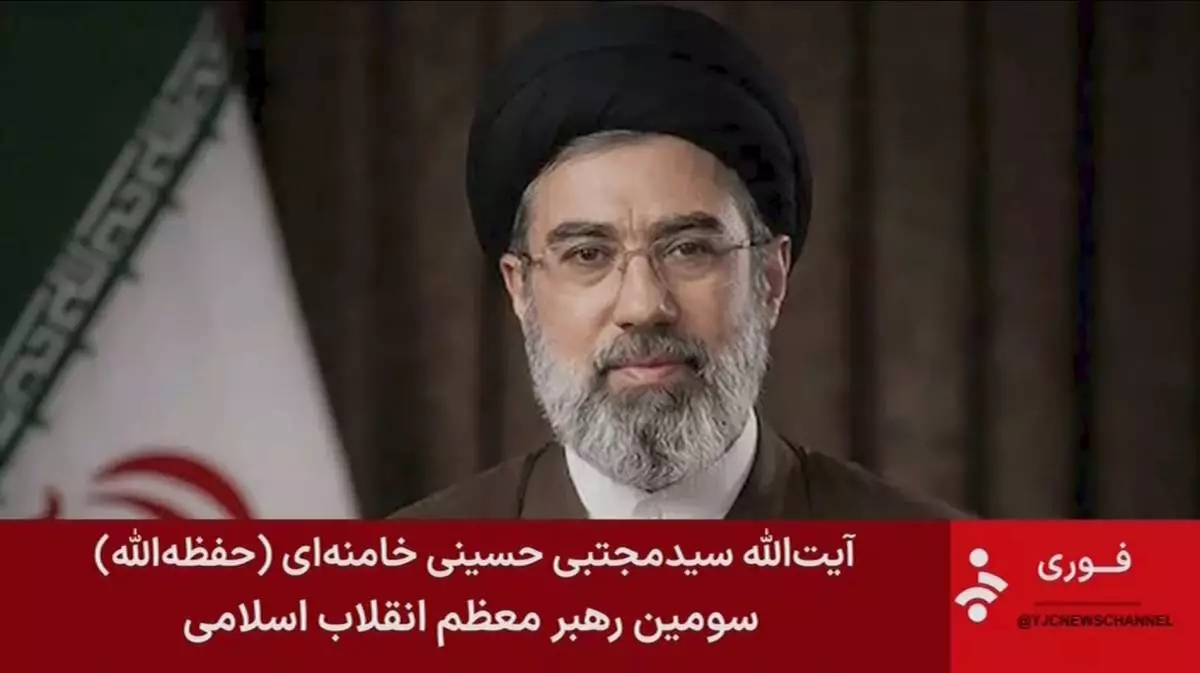
This image taken from video provided by Iran state TV shows Mojtaba Khamenei, a son of Iran's slain supreme leader, who has been named as the Islamic Republic's next ruler, authorities announced Monday, March 9, 2026. (Iran state TV via AP)