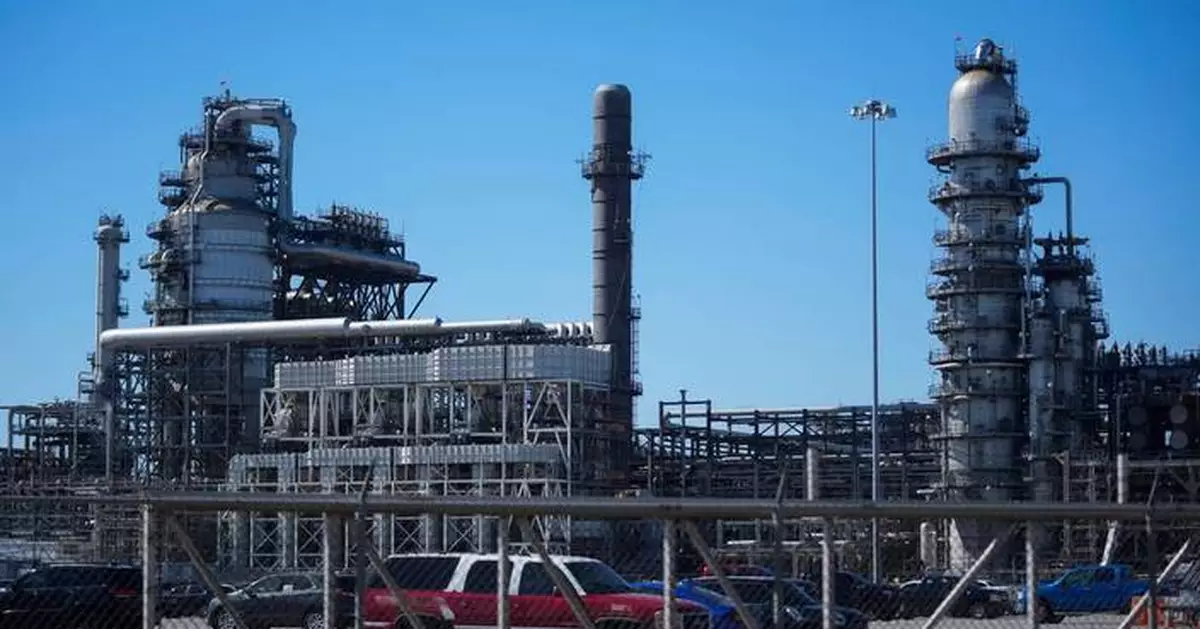
NEW YORK (AP) — A widening war in Iran has halted oil tankers, made targets of refineries and spooked investors worried about the cascading impact of spiking energy prices.
If it might seem like the ideal time to dip into the world’s emergency oil stockpiles, global leaders have so far responded with reluctance.
Here is a look at the energy supplies that countries hold and when they tap them:
Since war erupted in the Middle East on Feb. 28 with U.S. and Israeli attacks on Iran, the flow of oil tankers through the Strait of Hormuz has all but stopped, cutting off a vital passageway for a huge amount of the world’s oil.
That has sent prices of oil soaring.
Brent crude oil, the international standard, surged to nearly $120 a barrel Monday, about 65% higher than when the war started, before retreating toward $90.
Countries around the world hold vast quantities of oil that they can use in the event of a crisis, including the U.S., which holds a massive emergency supply — known as the Strategic Petroleum Reserve — in underground salt caverns in Texas and Louisiana.
Because oil is a global commodity and flooding the market with a sudden stream of new supply has international implications, countries often talk to one another before tapping reserves. That includes coordinating with the International Energy Agency, an organization created in the aftermath of the 1973 oil crisis.
But opting to use oil reserves is never a simple calculation, particularly when linked to a war with constantly shifting parameters and no clear timeline.
“The key question on drawing down these reserves remains one of, ‘How long will this conflict last?’” says Tom Seng, an energy finance professor at Texas Christian University. “And, more importantly, ’How long with the Strait of Hormuz remain blocked?’”
Oil reserves have been tapped when the market has faced major disruption in the past, including wars in Iraq, Libya and, most recently, in Ukraine.
Kenneth Medlock, senior director of the Center for Energy Studies at Rice University, says it’s not a matter of whether the current conflict is serious enough to merit intervention, but whether the precise moment has arrived.
“The price is up but it could get worse,” Medlock says. “What happens if this drags on for two, three months? Then you run into a situation where you lose your buffer.”
Each of the 32 member countries of the IEA promises to have a reserve at least equivalent to what they import in a 90-day period. The U.S. exports more than it imports, maintaining its reserve despite there being no requirement. But for other countries, tapping their reserves will result in them eventually needing to replenish what was taken.
“Because of that, countries tend to keep reserves for a last-resort scenario, should the disruption be prolonged,” says Maksim Sonin, an energy executive who works with Stanford University’s Hydrogen Initiative.
So far, leaders have been reticent to tap reserves.
Over the weekend, U.S. President Donald Trump downplayed the idea of turning to the Strategic Petroleum Reserve, saying supplies were ample and prices would soon fall.
Representatives from the Group of Seven major industrialized powers discussed the issue Monday, but likewise decided against using strategic reserves.
“We’re not there yet,” French Finance Minister Roland Lescure said after chairing the G7 meeting. Still, he told reporters in Brussels that the group was “ready to take necessary and coordinated steps in order to stabilize markets, such as strategic stockpiling.”
Fatih Birol, the executive director of the IEA, took part in the meeting, noting afterwards the “significant and growing risks for the market.” IEA member countries have more than 1.2 billion barrels of emergency oil on hand, the organization says.
Though leaders have so far held off from using their reserves, energy expert Brenda Shaffer says the fact that they are even discussing the option could ease markets.
“As long as the market keeps hearing about these possibilities,” says Shaffer, a professor at the Naval Postgraduate School, “I think that will have a smoothing effect on the global oil market.”
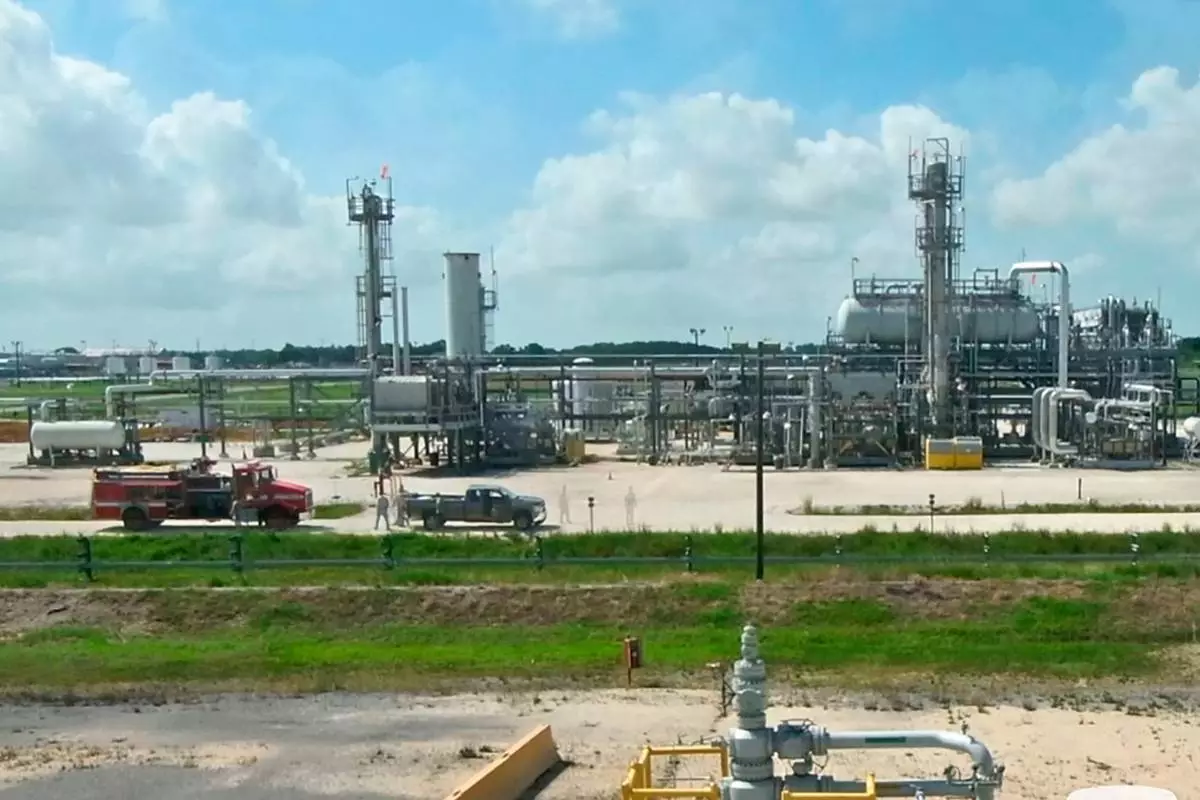
FILE - This photo provided by the U.S. Department of Energy shows a section of the Strategic Petroleum Reserve facility in West Hackberry, La. (U.S. Department of Energy via AP, File)
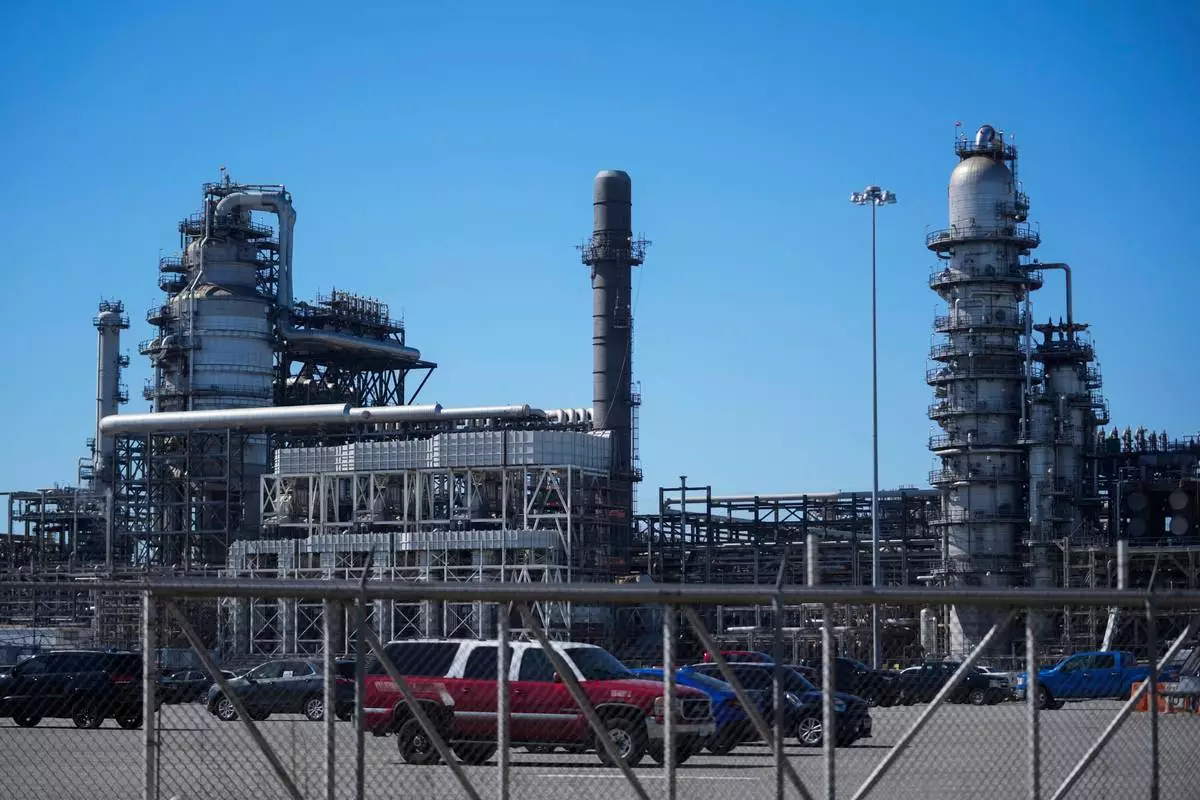
The BP Whiting Refinery is seen Monday, March 9, 2026, in Indiana. (AP Photo/Erin Hooley)
NEW YORK (AP) — Three brothers, including two of the nation’s most successful luxury real estate brokers, were convicted of sex trafficking charges Monday after a five-week trial over accusations that they used drugs and force to rape scores of women they had dazzled with their wealth and opulent lifestyle.
The verdict came after 11 women testified they were sexually assaulted by one or more of the brothers: twins Oren and Alon Alexander, 38, and Tal Alexander, 39. All three of the men shook their heads as the jury foreperson said “guilty” 19 times as the verdict questions considered by jurors were read aloud. Tal Alexander dropped his head into his arms crossed before him.
Sentencing was set for Aug. 6, when the brothers could face up to life in prison. The remain jailed.
The women described attacks that occurred after they were invited to vacation locales including the Hamptons, a Caribbean cruise and a ski trip in Aspen, Colorado. More than 60 women say they were raped by one or more of the brothers, according to prosecutors.
Defense lawyers suggested the accusers had faulty memories or were hoping to cash in on the brothers’ fortunes. The brothers, their lawyers conceded, were womanizers. But they insisted any sex was consensual.
The jury began deliberating Thursday and worked through Friday and into Monday, when they sent several notes seeking clarification on the law regarding two charges.
When the verdict was announced, the brothers' parents shook their heads. Alon Alexander's wife held a hand against her face. The lawyers for the defendants immediately left the courtroom to speak to their clients and were not available for comment.
The verdict represented a spectacular fall for Oren and Tal Alexander, who were brokers at real estate powerhouse Douglas Elliman before starting their own firm, Official. Alon Alexander worked at the family’s private security firm.
Besides the criminal case, the trio faced about two dozen lawsuits, including one filed Thursday by Tracy Tutor, a star of “Million Dollar Listing Los Angeles” on Bravo. She alleges Oren Alexander drugged and assaulted her in a restaurant bathroom while she was in New York City for a real estate event.
When those lawsuits first began being filed, multiple women came forward claiming they had also been sexually harassed or assaulted, and that the brothers' misconduct with women had been an open secret in the real estate world for years.
During the trial, many of the women who testified said they believed they’d been drugged after they were handed alcohol by one of the brothers. Some described feeling like they’d lost control of their bodies after less than one drink.
The brothers met the women at nightclubs, parties and on dating apps, taking some on trips to ritzy locales, and paying for flights and luxury lodging. One woman testified that she met the brothers in 2012 at a party at actor Zac Efron’s Manhattan apartment. She said she had almost no interaction with the actor, who was not accused of any misdeeds, and went to a nightclub later in the night before waking up naked with a nude Alon Alexander standing over her.
Prosecutors pushed back on the idea that the accusers were hoping to cash in on lawsuits. Only two have lawsuits pending, prosecutor Elizabeth Espinosa told jurors, and both are wealthy.
One woman who testified said she was raped by Alon Alexander in Aspen, Colorado, in 2017, when she was 17 years old. She said she was the daughter of a billionaire.
“I don’t want their money. I just don’t want them to have it,” she told jurors.
Lindsey Acree, an artist and gallery owner in Brooklyn, testified she was raped by Tal Alexander and a second man at a home in the Hamptons in the summer of 2011 after becoming so disoriented from drinking less than half a glass of wine that she felt paralyzed.
The woman, now 40, said she sued Tal Alexander last year even though she will “never need their money” because she became upset that the Alexanders “kept calling us gold diggers, shake down artists, con artists.”
“If there’s a kid with a stick who keeps hitting people, you take their stick away,” she told the jury. “Money is their stick, so you take it away so they can’t hurt people anymore.”
The Associated Press does not typically identify people who say they are victims of sexual assault unless they choose to come forward publicly, as Acree and Tutor have done.
Besides witness testimony, prosecutors tried to prove their case through text and email messages in which the brothers seemed to boast about their sexual exploits and their knowledge of the effects various drugs can have on a woman’s inhibitions, along with a blog that included a post titled: “It’s not rape if ...”
Prosecutors said the brothers emailed about sneaking drugs — or “party favors” — onto a cruise ship, recorded at least one assault on video and shared photos of victims.
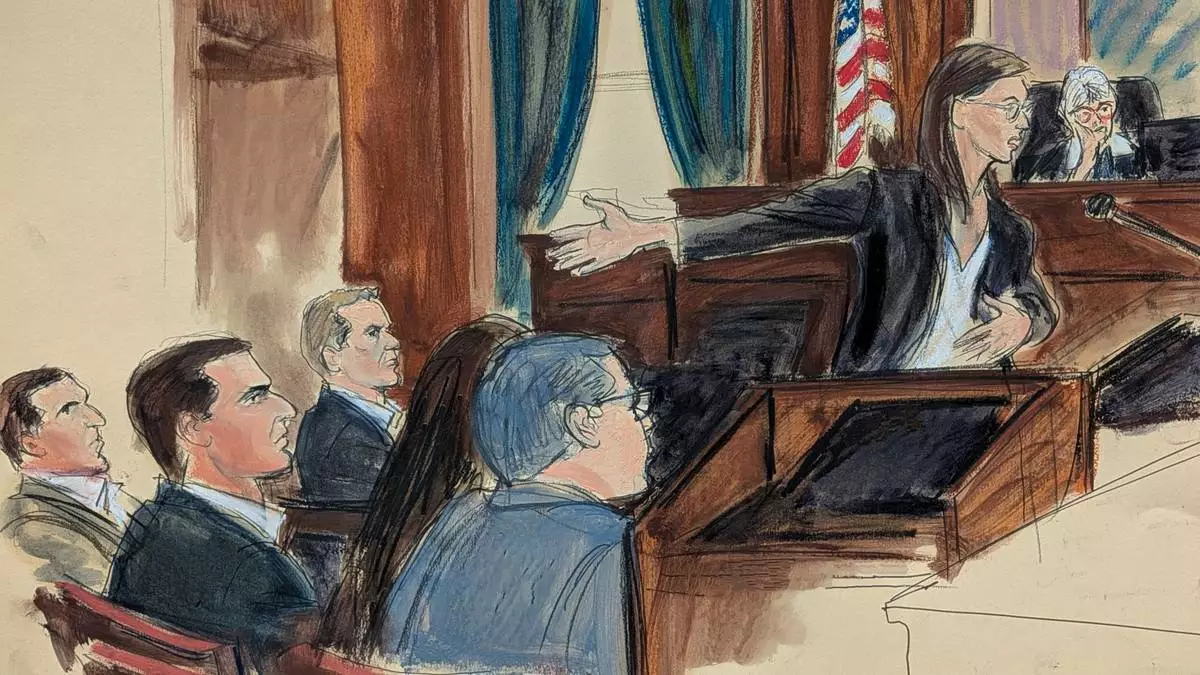
FILE - In this courtroom sketch, assistant U.S. Attorney Madison Smyser gestures to Alon Alexander, Oren Alexander and Tal Alexander as she presents her opening statement with Judge Valerie Caproni presiding on the bench in Manhattan federal court in New York, on Jan. 27, 2026. (Elizabeth Williams via AP, File)

FILE - This photo provided by the Miami-Dade Corrections and Rehabilitation Department shows Alon Alexander, left, and Oren Alexander, both of whom have been charged with sex trafficking. (Miami-Dade Corrections and Rehabilitation Department via AP, File)

FILE - Oren and Tal Alexander speak at a panel at the Rockstars of Real Estate Event in New York., on Sept. 3, 2013. (Photo by Amy Sussman/Invision for DETAILS Magazine/AP Images, File)