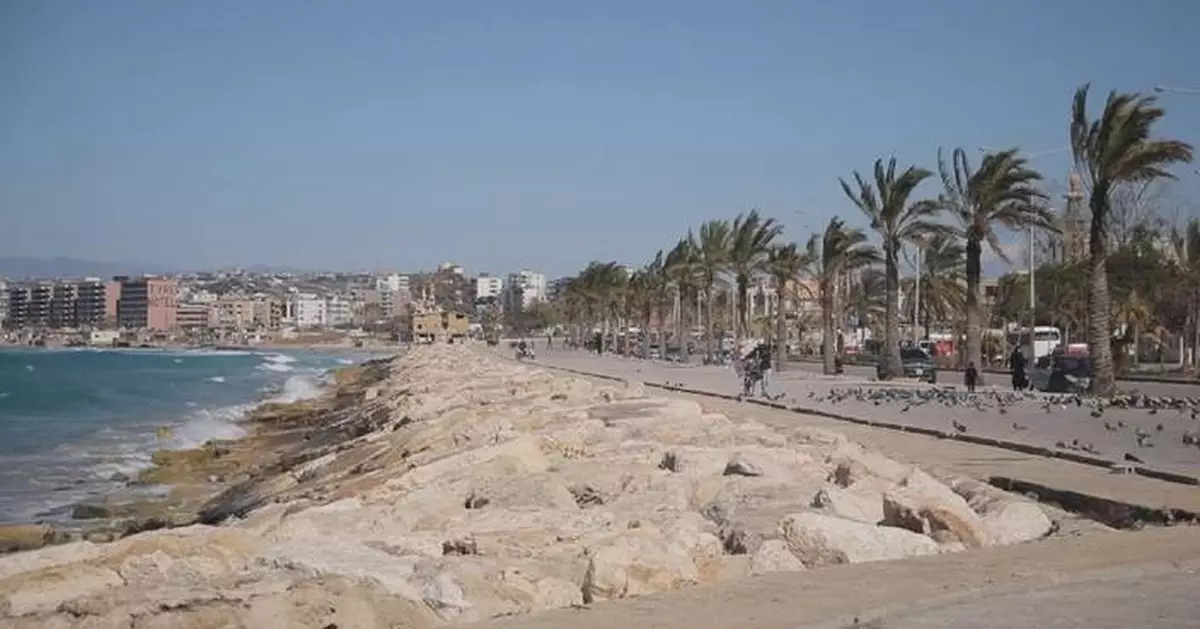
Many local residents in southern Lebanon are defying Israeli evacuation orders, refusing to leave despite ongoing airstrikes that have battered the coastal city since the conflict with Hezbollah erupted in 2024.
The Israeli army on Saturday warned Lebanese residents located south of the Litani River to evacuate immediately and move north of the river. In Tyre alone, one of the largest cities in that area, an estimated 30 percent of local residents refused to leave.
At the rubble of Sawt el Farah -- southern Lebanon's first radio station, which means "Voice of Joy," Tyre's Deputy Mayor Alwan Sharafeddine searches for any salvageable equipment. The building, which also housed a Hezbollah financial office, was destroyed in an Israeli strike last week, silencing a voice that had broadcast for decades.
"Founded in 1989, Sawt El Farah was the first radio station in southern Lebanon. It covered citizens' affairs in South Lebanon, especially since the south back then was occupied by the Israeli enemy. We produced stories about our relatives under occupation and the citizens of the homeland. The station had a vital social, cultural, and health awareness role; it was the memory of the residents of Tyre and the memory of all citizens of the south," Sharafeddine said.
Ali Fadel, a local resident, sent his wife and children north to safety in Beirut, visiting them weekly but always returning to Tyre to do whatever he can to help those left behind, including birds.
"Half of the restaurants here are shut. Many people left; no one is feeding the pigeons. I had some extra bread, so I came to feed them. 500 or 1,000 birds -- it's not right to leave them without food. I love my neighborhood very much; that's why I don't want to leave. I adore this town so much," Fadel said.
Home to an estimated 60,000 people, Tyre is one of Lebanon's oldest and most visited cities. For resident Mohamed Abdelwahab, resistance takes many forms, and not all of them are on the front line, but keeping society running in the rear is just as essential to making this community resilient.
"This is an aggressive enemy. Everyone should resist. Every person should resist based on their capabilities. Staying resilient in your hometown, in your house, is resistance. There are those who fight at the front lines and those who fight from home. There are other forms of resistance: those who stayed here to help the people -- opening their stores, bakeries, and pharmacies -- help residents become resilient," Abdelwahab said.
"In addition to the residents who stayed, we have a number of displaced citizens from the villages further south that were targeted by the Israeli aggression. About 600 people are in shelters; some, unfortunately, are staying in public parks and on the streets. The nine schools we converted into shelters have all reached full capacity. But overall, more people are resisting relocation than during the 2024 war," Sharafeddine said.
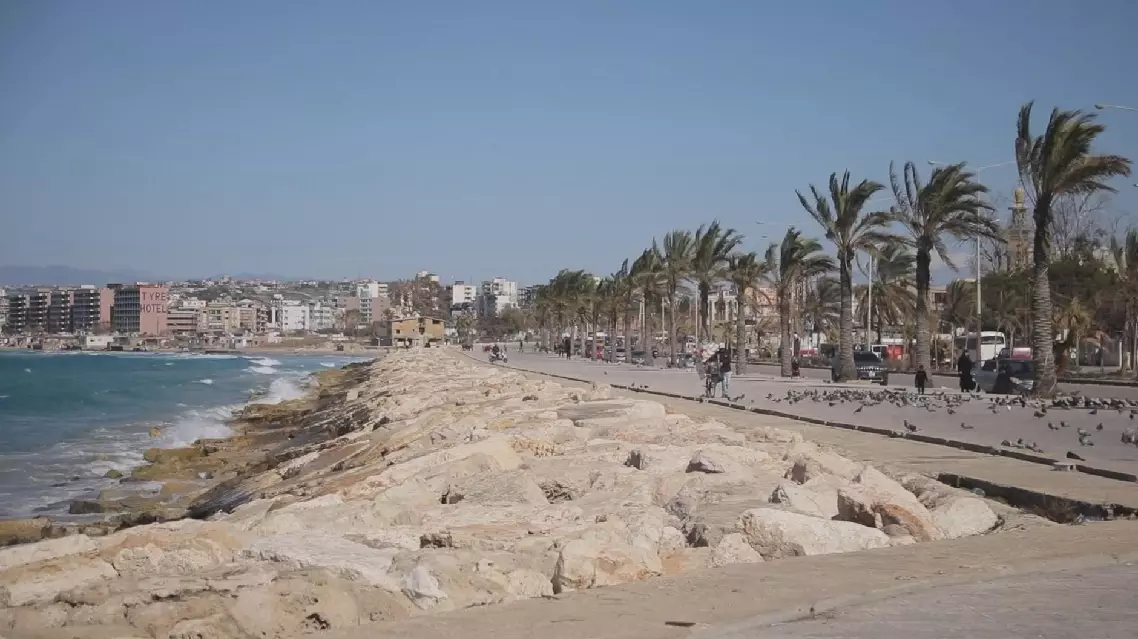
Lebanese refuse to leave in defiance of Israeli evacuation orders
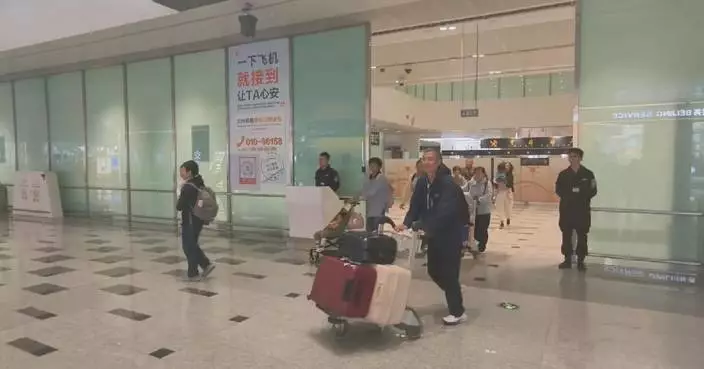
A crossing point on the Türkiye-Iran border is seeing people going in both directions as some flee the conflict in Iran, while others are returning to their homeland with a vow to fight in the war as U.S.-Israel strikes continue to pummel the country.
Nestled in the mountains between Türkiye and Iran, the Kapikoy border crossing has become a key point of entry or exit, especially given the mass flight suspensions and airspace closures as a result of the conflict which erupted on Feb. 28.
Despite the dangers, Akbar, an Iranian who has lived in Germany for 12 years, is one of the many young men who are determined to head home and join the efforts to defend their country.
He said he decided to return immediately after seeing new reports that his hometown of Isfahan in central Iran had been bombed. He vowed to stand by his country until the end. "I want to return to Iran to protect my country. I am willing to give my life for my motherland. For my life and my compatriots, I am willing to give my life. I have no intention of returning to Germany. I will stay in Iran. I will protect my country with my own life. I want the whole world to know Iranians will always steadfastly protect their country," said Akbar.
Other Iranians who had been working in Türkiye said they were prepared to return for the same reason and do whatever they can to protect their homeland.
"Israel and the United States have made a grave mistake. They will pay a price, a heavy one. We will fight to the end to defend Iran," said one of the young men at the border crossing.
But the border point is also seeing a stream of people going in the opposite direction, as many Iranians are passing through here as they seek to flee the constant aerial bombardment by the U.S and Israel.
"We saw many bombs, four bombs, or, I don't know, five bombs. We are very scared, [I'm] with my mom, and we want to go to Türkiye, it's safe there," said Mahir, an Iranian university student.
Mahir also spoke of the trauma brought by the crisis, saying he has barely slept over the past few days, but every time he closes his eyes, all he sees is explosions. He also expressed worries about others who have been left behind, including his best friend, who is still stuck hundreds of kilometers away in the city of Tabriz.
More than 1,330 Iranian civilians, including women and children, have been killed in U.S.-Israeli airstrikes and thousands more injured, Iran's UN ambassador Amir Saeid Iravani said on Friday, while accusing the United States and Israel of deliberately targeting civilians and civilian infrastructure across Iran
U.S.-Israeli strikes continue to pound the capital Tehran and other areas of Iran. Much of the Iranian capital has been shrouded in thick black smoke in recent days after oil depots in surrounding areas were targeted, raising concerns over the impact of pollution and the disruption to fuel supplies.
Since the U.S. and Israel launched large-scale strikes on Iran on Feb. 28, Iran has responded with multiple waves of missile and drone attacks targeting Israel and U.S. assets across the region, hitting many countries in the Gulf.
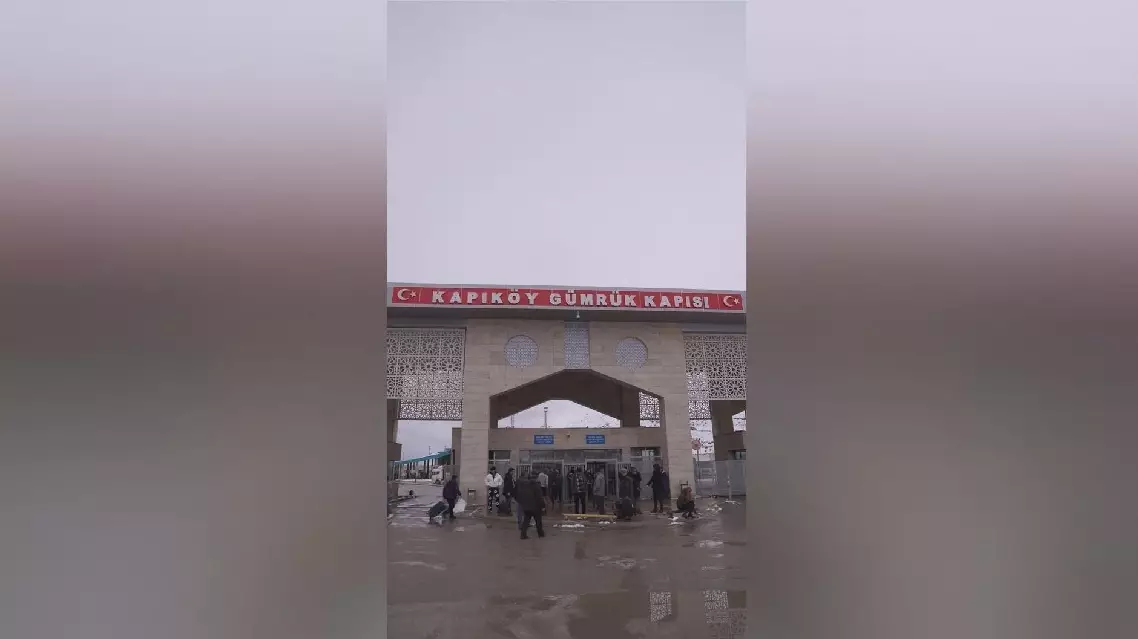
Some flee, others return to fight as Türkiye-Iran border crossing sees people going in both directions