Over 300 swans descended on a man-made lake in Yuxian County of north China's Shanxi Province on Monday as warmer weather set in, drawing crowds to capture the moment with cameras.
Visitors watched as swans foraged and played across the lake, a lively scene that drew dozens of photography enthusiasts.
Ecological projects in Yuxian County have improved environmental quality, boosting both the diversity and numbers of migratory birds.
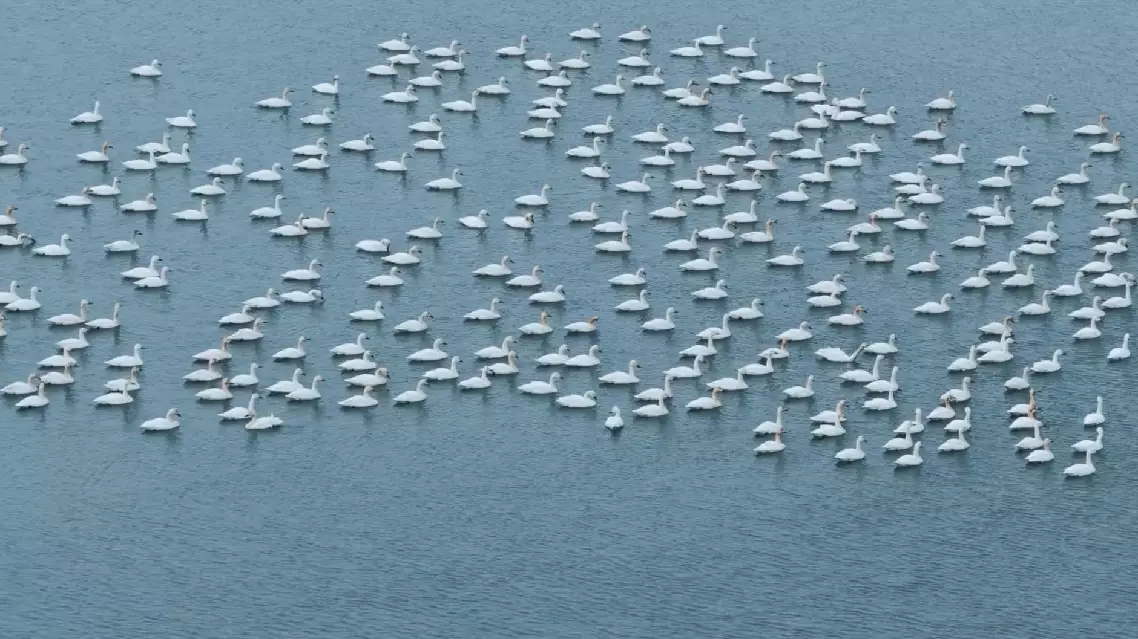
Hundreds of swans flock to Shanxi lake as weather warms up
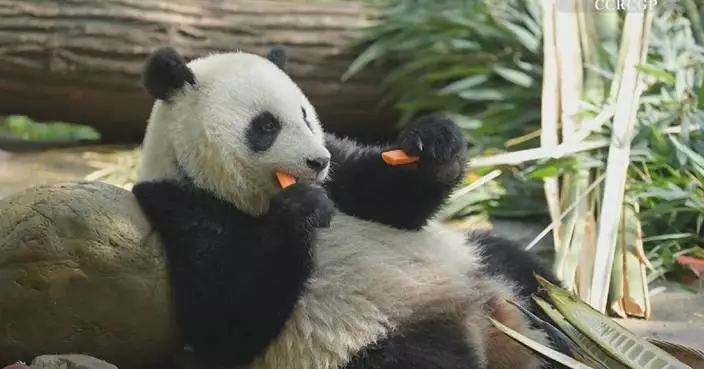
Enduring friendships between giant pandas at the Chengdu Research Base of Giant Panda Breeding in southwest China's Sichuan Province has been captured in recently released footage, showcasing the success of the base's science-backed animal welfare practices.
Captured at the base's Moonlight Delivery House, Star Giant Panda Nursery House and No. 1 Giant Panda Villa, the video clips feature various pairs of same-age pandas joyfully playing and wrestling together.
The practice of housing same-age pandas together is a form of social enrichment, designed to promote interaction and behavioral diversity among individuals.
Panda enrichment refers to scientific conservation methods employed in captivity to enhance the welfare of these national treasures, meet their physiological and psychological needs, and encourage them to display more natural behaviors.
The Chengdu base is a world-renowned facility for ex-situ conservation, scientific research and breeding, public education, and eco-tourism. It is globally recognized for protecting and breeding endangered Chinese wildlife species such as giant pandas and red pandas.
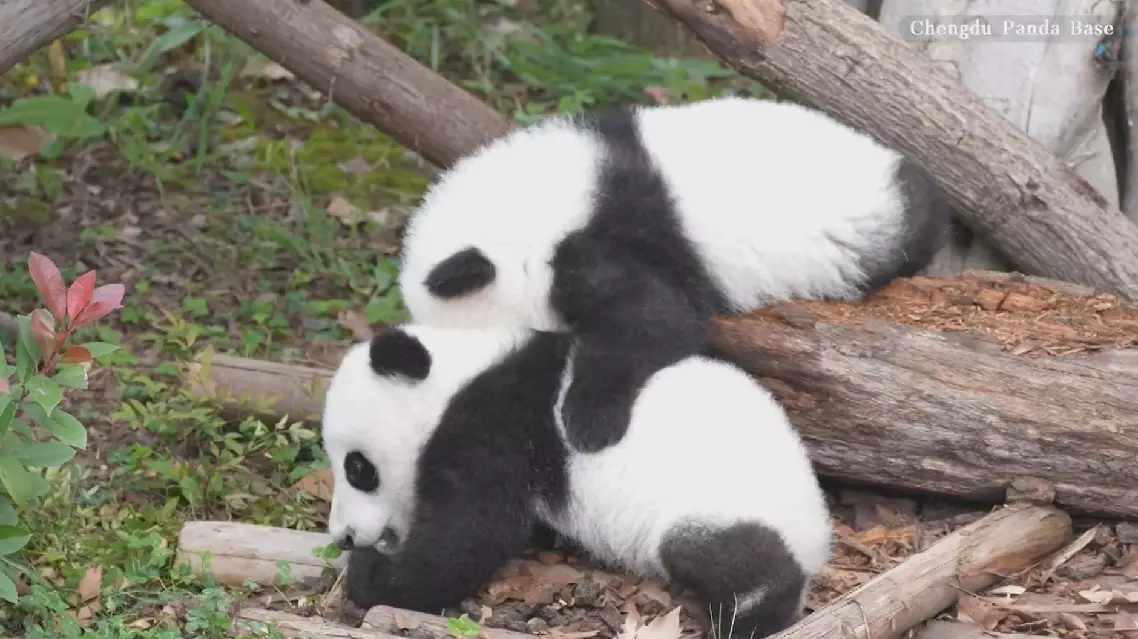
Footage captures panda friendships at Chengdu base