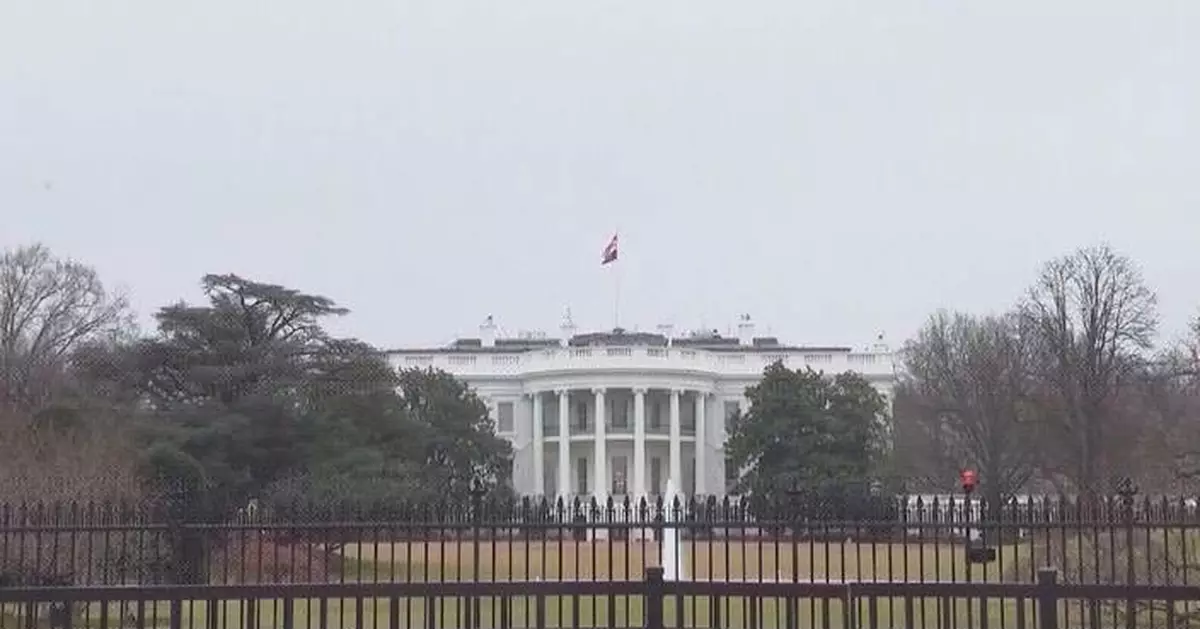
U.S. Energy Secretary Chris Wright on Sunday denied the United States' role in Israel's attacks on oil storage facilities in Iran, claiming that "these are Israeli strikes".
When asked if targeting Iran's oil industry was part of a new U.S.-Israeli strategy, Wright said, "The U.S. is targeting zero energy infrastructure. There are no plans to target Iran's oil industry, their natural gas industry, or anything about their energy industry."
"These are Israeli strikes. These are local fuel depots to fill up the gas tank," he added.
U.S. sources indicated President Donald Trump's administration was dissatisfied with the scale of Israel's strikes, which they said "far exceeded U.S. expectations." This marks the first major disagreement between the two allies since their joint operations against Iran began on February 28.
U.S. officials are concerned that Israeli attacks could unsettle markets and drive up global energy prices. One official said senior U.S. and Israeli leaders would discuss how to manage differences and clarify U.S. expectations for future military actions.
Observers noted that while the U.S., as an oil exporter, is less vulnerable to supply shocks, rising international oil prices could still increase domestic fuel costs, worsen inflation, and squeeze American consumers. This could prompt the Federal Reserve to reconsider interest rate cuts and create political challenges for the Trump administration and Republicans ahead of the midterm elections.
On Monday, President Trump warned that if Iran attempted to block oil shipments through the Strait of Hormuz, the U.S. would retaliate with "20 times greater force than ever before."
Earlier that day, Trump said at a press conference that the conflict with Iran would end "soon," but not within the week. Speaking in Miami, he also addressed the timeline for military action, the security of the Strait of Hormuz, international energy security, and Iran's new supreme leader.
Trump noted that oil prices had risen less than he expected and announced plans to lift some oil-related sanctions to stabilize prices.
Regarding the attack on a primary school in Minab, southern Iran, Trump said investigations were ongoing. He also expressed disappointment over the selection of Mojtaba Khamenei, son of Iran's late Supreme Leader Ali Khamenei, as Iran's new supreme leader.
On Monday, the U.S. Central Command announced that recent U.S. military operations had destroyed or damaged about 50 Iranian vessels and struck more than 5,000 Iranian targets.
Iran has yet to respond to these developments.
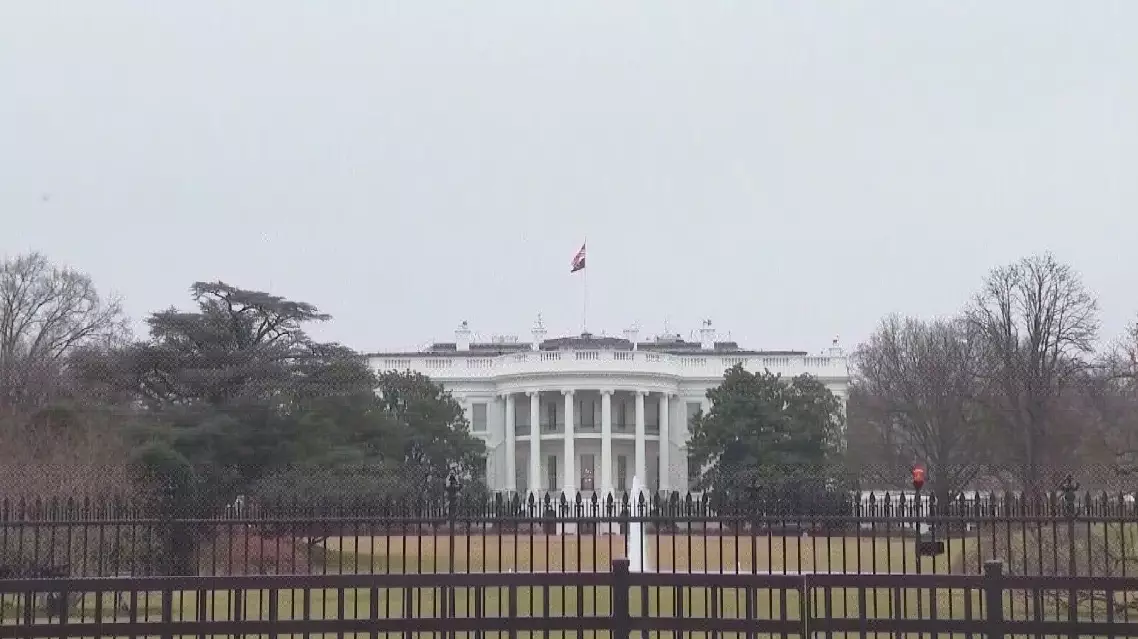
U.S. denies role in Iran oil facility attacks
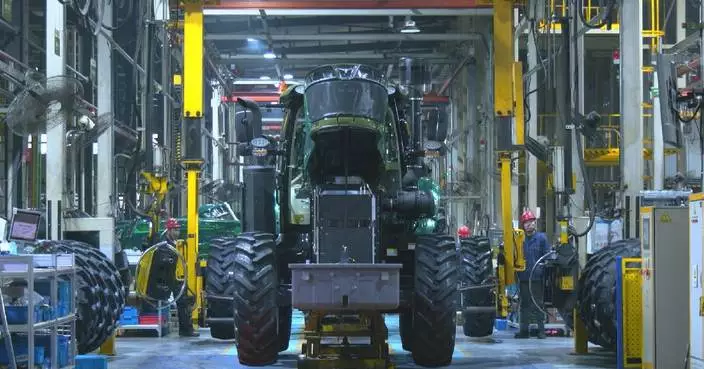
China is charting a course for foreign-invested businesses operating in the country to weather tariff pressures, with expanded trade partnerships, stronger domestic demand and industrial upgrading highlighted as keys to stability by officials and executives commenting on the sidelines of the ongoing "two sessions."
The "two sessions" are the annual meetings of China's supreme organ of state power, the National People's Congress (NPC), and its top political advisory body, the National Committee of the Chinese People's Political Consultative Conference (CPPCC). Both bodies serve five-year terms and hold a plenary session each year.
The fourth session of the 14th NPC and the fourth session of the 14th National Committee of the CPPCC kicked off in Beijing on March 5 and March 4, respectively.
Against this backdrop, global businesses have been grappling with the impact of the United States' unpredictable tariff policy, a challenge that executives say often lies more in uncertainty than in the duties themselves.
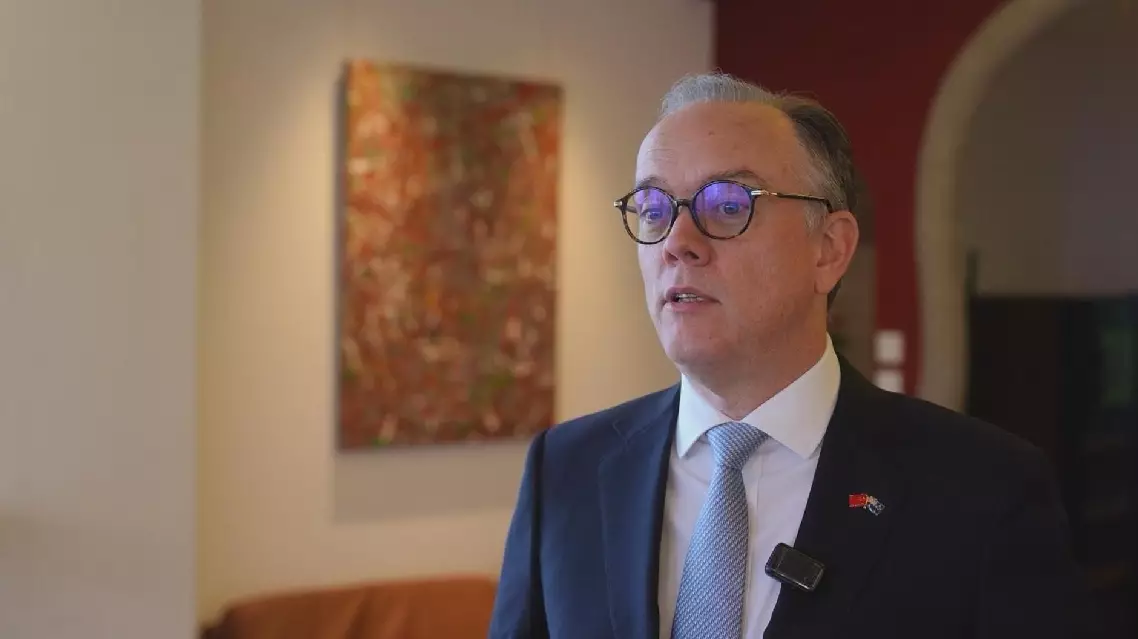
"For companies that operate across borders, the uncertainty is often more of a challenge than the tariffs themselves,” said Vaughn Barber, chairman of the China-Australia Chamber of Commerce.
"By being local in China, we obviously are working very hard that we can avoid, hopefully, tariffs going forward. But again, this is only partially true because at the end of the day, it's a global product and certain things simply come from the US, as the aviation industry is a global industry. So to a certain point, there's an element where you cannot really de-risk for, where you can just only work on the fact that the success of aviation is that it is a global industry, and we're asking everybody to recognize that," said Erik Buschmann, Global Senior Vice President of Airbus, and chief operating officer of Airbus China.
Speaking on the sidelines of the NPC session, Commerce Minister Wang Wentao said one key to stabilizing foreign trade is expanding partners, noting that China has 160 major trade partners, of which 51.9 percent are Belt and Road countries.
Wang highlighted the importance of boosting domestic demand, pointing to key areas such as transportation, housekeeping and travel. He also stressed the need to sharpen global competitiveness through technological innovation and industrial upgrading, a message that drew broad recognition from both Chinese and foreign companies
"We see the emphasis on strengthening of demand and consumption, stable economy, technological and industrial upgrading, opening up in services and innovation sectors. Those are all positive messages for business and Australian companies are definitely focused on those," said Barber.
"In terms of high-quality development, we can make technological breakthroughs that will enhance traditional medicine, if we upgrade our resources and technology in this field. China will surely usher in a better spring," said Ruan Hongxian, chairman of the Yixintang Pharmaceutical Group, a large retail chain company based in Kunming, southwest China's Yunnan Province.
China charts course for foreign businesses to weather tariff pressures: executives