KANSAS CITY, Mo. (AP) — Big 12 Commissioner Brett Yormark called his meeting with President Donald Trump and other high-level officials from the NCAA, its member institutions and the CEO of the U.S. Olympic team “very constructive,” and underscored his belief that the SCORE Act is the best path forward for college athletics.
Yormark spoke Tuesday about the meeting with Trump among several topics before the start of the men's Big 12 Tournament.
Everyone at last week's meeting at the White House agreed that action must be taken soon to tackle the spiraling costs that have come from the introduction of name, image and likeness payments into college athletes. But nobody seems to agree how to do it, and what role the federal government should play in solving such problems.
The SCORE Act, which has Trump's support, is one bill designed to help. It would provide the NCAA with a limited antitrust exemption — which is opposed by many Democrats — and would preempt state laws regarding NIL. But the bill also has flaws, and critics argue it amounts to a giveaway to the NCAA and its most powerful schools.
“Coming out of that meeting,” Yormark said, “I think there's real momentum for the SCORE Act, and we need it. I think it's the best path forward. It provides us with meaningful guiding principles when you think about federal legislation. And while it's a process — it's not perfect — as I've said on a lot of different subjects, it's step by step and you have to sequence these things.
“But,” Yormark said, "I do think the SCORE Act is a great step forward.”
While the SCORE Act has widespread support, and House Speaker Mike Johnson has suggested the bill — which has struggled to get through the lower chamber — could now have enough support to pass, getting it through Congress remains a monumental task.
Trump responded by saying he would draft an executive order himself on college sports.
“The whole educational system is going to go out of business because of this,” Trump explained, when asked why he'd devote so much time to the issue amid the war in Iran, the government shutdown and other pressing issues.
Trump lamented the bygone era of scholarship athletes, and he's among many stakeholders who believe high-revenue sports such as football and men's basketball are threatening to push out smaller sports and women's athletics. Some schools, he argued, have started to pay athletes so much money that it is driving the institutions themselves toward insolvency.
Why does Yormark believe the SCORE Act makes the most sense?
“As it relates to some of the guiding principles,” he replied, “it offers federal protection. It offers liability protection, so we can enforce the rules, which we aren't currently doing. It has great student-athlete protections. It has a strong declaration that student-athletes are not employees; I meet with a lot of student-athletes and none of them want to be employees.”
Yormark cautioned that the SCORE Act “doesn't stop anyone from suing. You can sue anyone.” But it does offer schools a certain level of protection, especially amid a growing number of lawsuits being filed by athletes across the country.
“I never look back. I'm not that type of guy. I like to look forward," Yormark said, "and the meeting (at the White House) was very constructive, and he's due to put out an executive order, or at least said he would, in a week's time. We're working very hard on the SCORE Act. That's where we are at this time.”
AP National Writer Eddie Pells in Denver and Associated Press Writer Will Weissert in Washington contributed to this report.
Get poll alerts and updates on the AP Top 25 throughout the season. Sign up here and here (AP mobile app). AP college basketball: https://apnews.com/hub/ap-top-25-college-basketball-poll and https://apnews.com/hub/college-basketball

West Virginia players celebrate after winning their NCAA college basketball championship game against TCU at the Big 12 Conference tournament Sunday, March 8, 2026, in Kansas City, Mo. (AP Photo/Charlie Riedel)
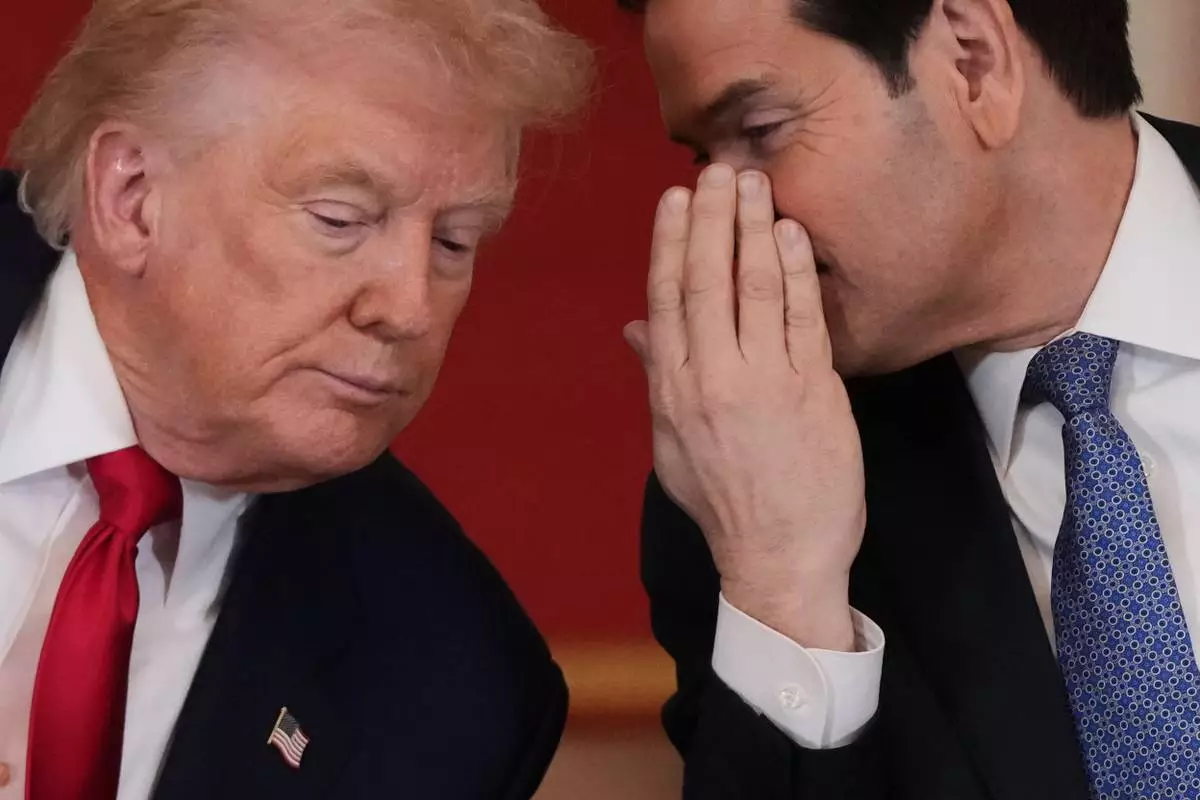
President Donald Trump speaks with Secretary of State Marco Rubio during a roundtable discussion on college sports in the East Room of the White House, Friday, March 6, 2026, in Washington. (AP Photo/Julia Demaree Nikhinson)

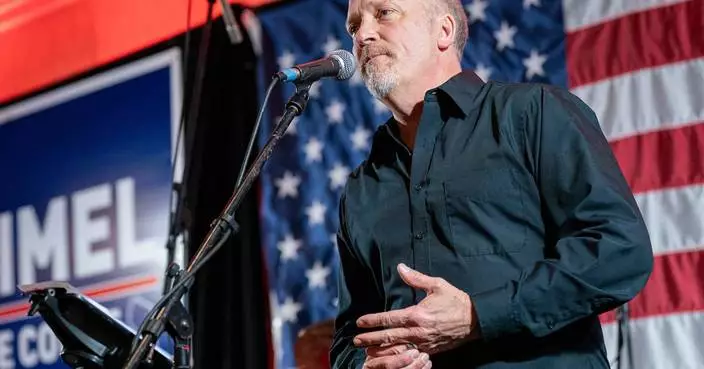
FILE - Big 12 Commissioner Brett Yormark addresses the media during the NCAA college Big 12 women's basketball media day, Oct. 22, 2024, in Kansas City, Mo. (AP Photo/Charlie Riedel, File)