Artificial intelligence (AI) is accelerating changes in learning and teaching, a national political advisor said in Beijing on Wednesday.
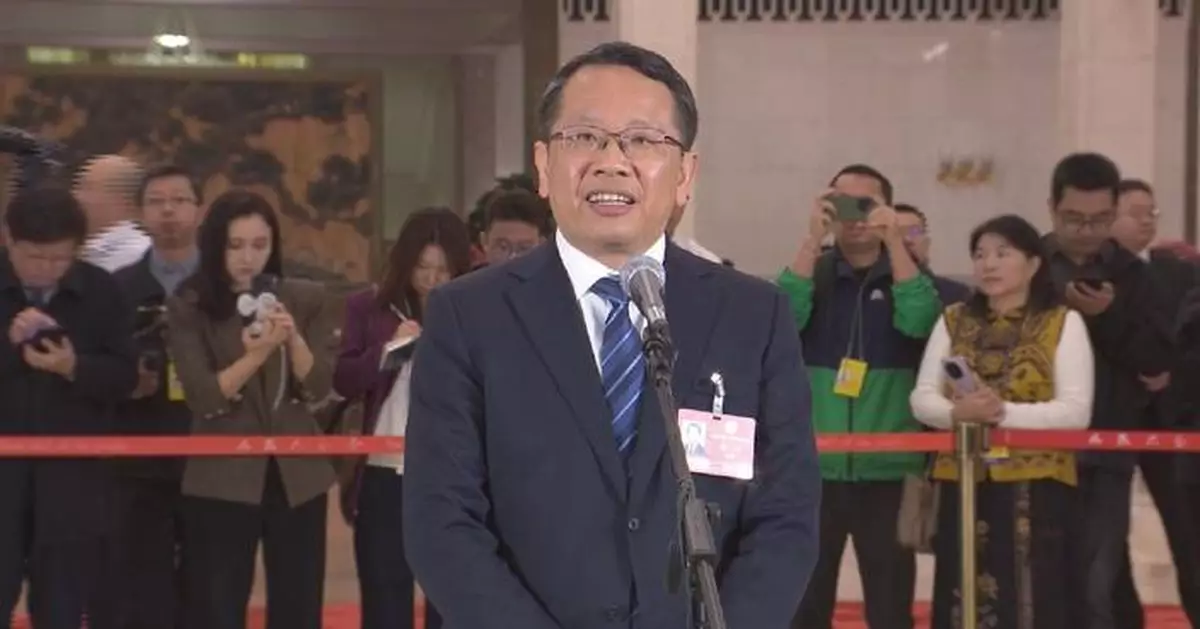
Xu Kun, a member of the 14th National Committee of the Chinese People's Political Consultative Conference (CPPCC), China's top political advisory body, and president of Beijing University of Posts and Telecommunications, elaborated on how AI is transforming education from both student and teacher perspectives during a group interview ahead of the closing meeting of the fourth session of the 14th CPPCC National Committee at the Great Hall of the People.
"From the learning perspective, AI is changing the pace at which students learn. It can track each learner's progress in real time and dynamically adjust learning paths and content. Like an experienced teacher, it can guide students step by step based on their cognitive development, inspiring them to explore on their own and ultimately solve problems," Xu said.
"From the teaching perspective, AI is reshaping the role of teachers. It helps free teachers from large amounts of repetitive tasks, allowing them to focus more on nurturing students. A practice-based platform developed by the Beijing University of Posts and Telecommunications helps teachers act as 'scriptwriters', responsible for designing and creating real-world engineering scenarios, while AI plays the role of different virtual experts, delivering knowledge and intelligent evaluation through human-computer interaction. Students then take center stage, developing their abilities through immersive engineering exercises," he said.
"AI has hit the fast-forward button on education transformation. It is expected to connect classrooms in schools, broader learning in society and real-world industry settings, breaking the limits of time and space on accessing high-quality educational resources, and truly empowering students' all-round development," Xu said.
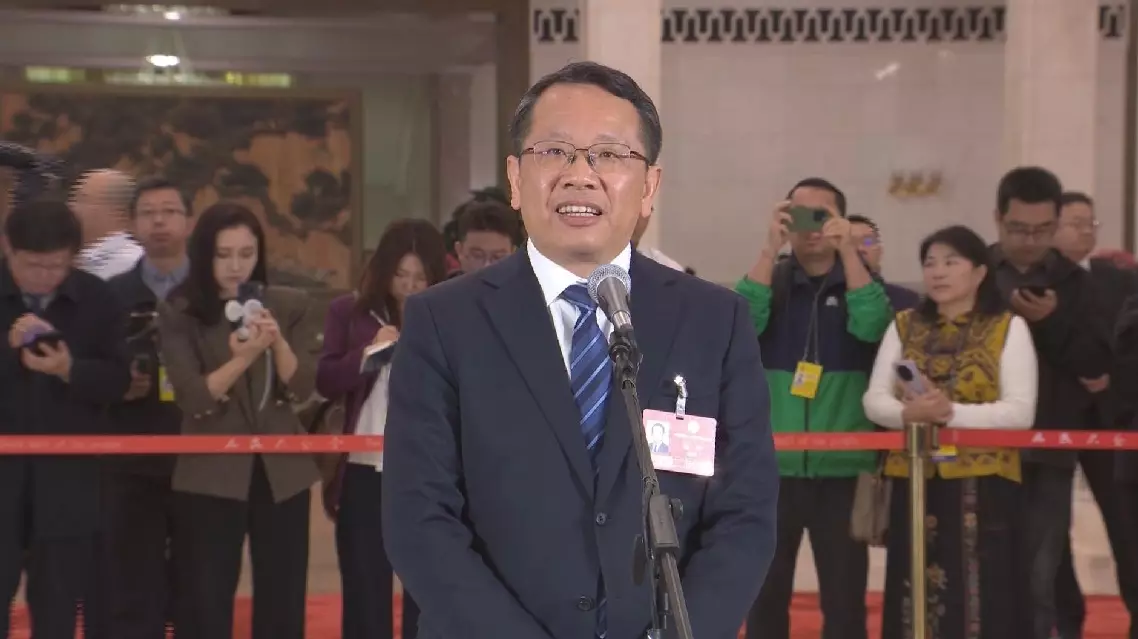
AI fast-tracks changes in learning, teaching: CPPCC member