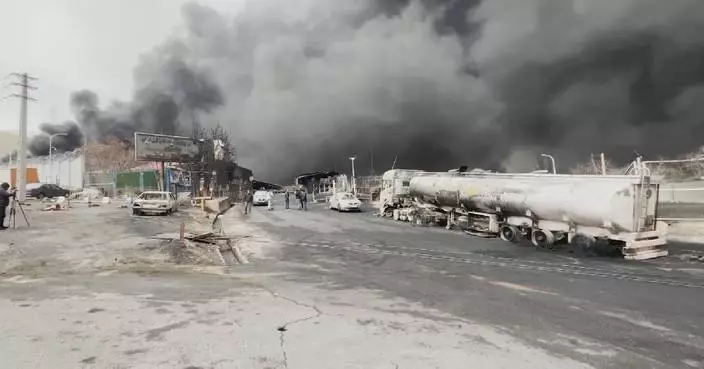
United Nations (UN) officials warned Tuesday that Israeli and U.S. strikes on Iranian oil depots have unleashed toxic "black rain", polluted rainfall spreading across the Middle East and endangered public health through respiratory complications.
They warned that the escalating conflict is driving mass displacement and disrupting global supply chains.
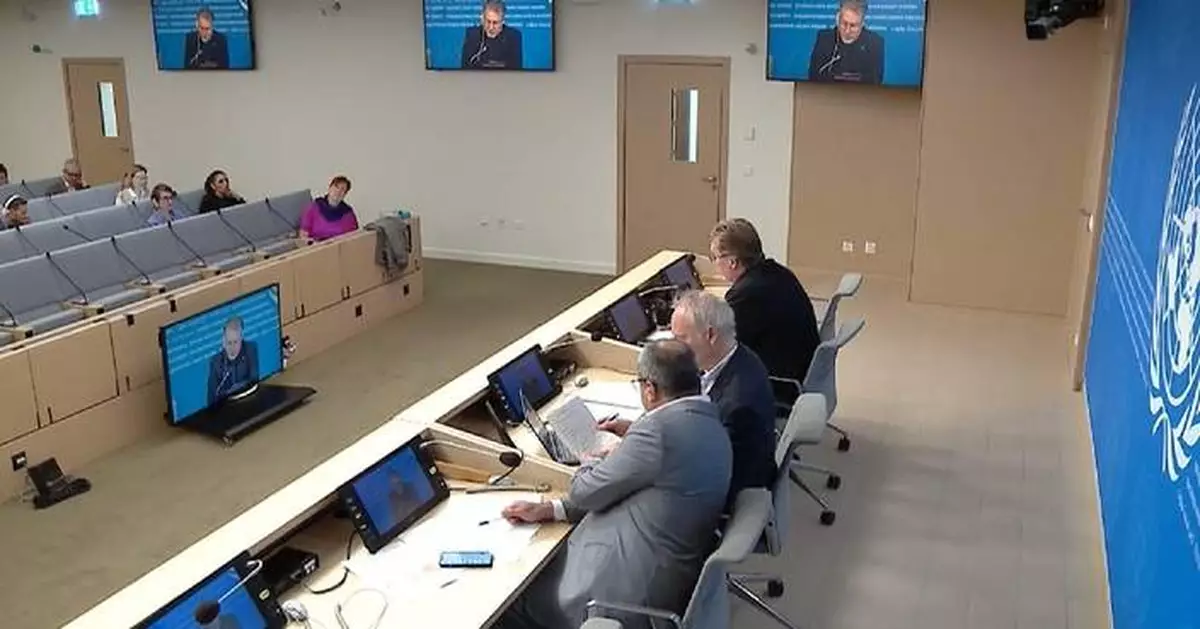
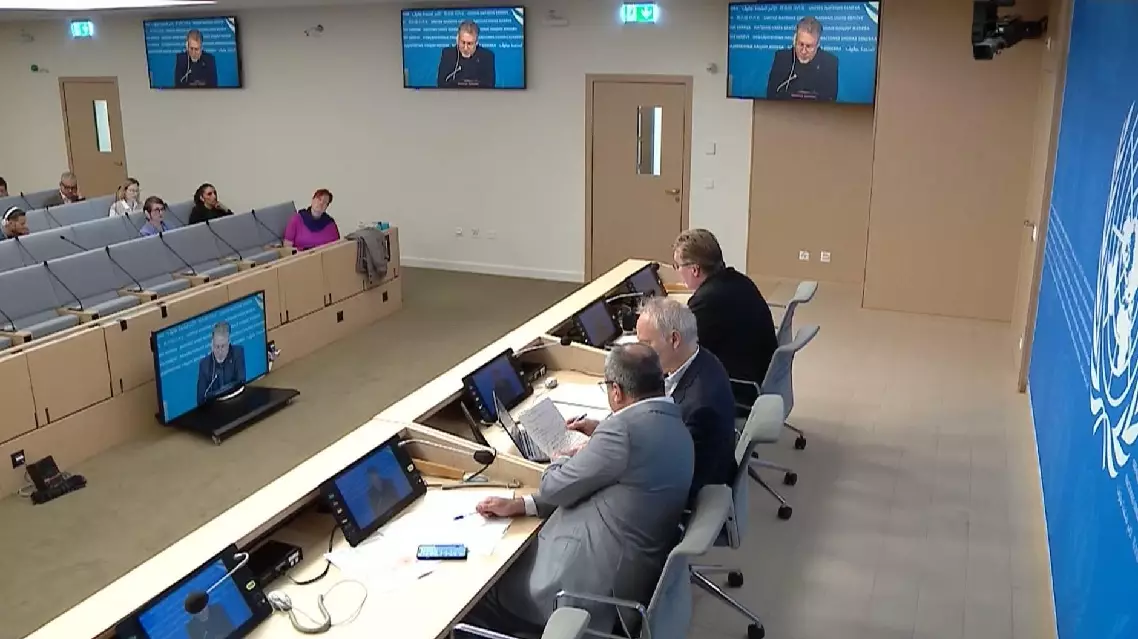
Speaking at a press conference in Geneva, Ravina Shamdasani, spokesperson for the UN Human Rights Office, raised concerns about the health and environmental impacts of the strikes as toxic pollutants spread in the air.
"We are concerned about the impact of these attacks on civilians' right to health, as well as on the environment," she said.
Shamdasani warned that the fallout raises serious questions over whether Israel and the United States respected proportionality and precaution under international humanitarian law, noting the depots struck do not appear to be for military use alone.
The World Health Organization (WHO) also sounded the alarm, warning that the toxic fallout poses immediate dangers to civilians' respiratory health.
"The black rain and the acidic rain coming with it is indeed a danger for the population, respiratory mainly, and it could be acidic depending of course what context you have. We are in touch with the hospitals and with the authorities, and the Iranian authorities have issued an alert advising people to stay indoors, even in light of the attacks on oil warehouses especially," said spokesperson Christian Lindmeier.
He said that the WHO is monitoring the health risks of the "massive release" of toxic hydrocarbons, sulphur oxides, and nitrogen compounds into the air.
Meanwhile, Karolina Lindholm Billing, the UN Refugee Agency (UNHCR) representative in Lebanon, said more than 100,00 people have been displaced by Israeli strikes and evacuation orders in the past 24 hours, bringing the total number of people uprooted by the conflict to almost 700,000.
In addition, Jean‑Martin Bauer, director of the UN World Food Programme's Food and Nutrition Analysis Service, warned that the conflict is disrupting shipping through the Strait of Hormuz and the Bab El‑Mandeb strait off the Horn of Africa. He said the two critical chokepoints in the global supply chain are now constrained by restrictions and risk, forcing shipping lines to divert their services.
"We're seeing war risk insurance that's increasing at a cost of between 2,000 and 4,000 dollars for each container in areas that are at risk. We're also seeing that we're needing to go the long way around the Cape of Good Hope to reach some of our key geographies," said Bauer.
UN concerned over toxic "black rain" from Middle East strikes as conflict drives mass displacement

UN concerned over toxic "black rain" from Middle East strikes as conflict drives mass displacement
UN concerned over toxic "black rain" from Middle East strikes as conflict drives mass displacement