Skip to Content Facebook Feature Image

Israel, Iran continue to exchange air strikes

HotTV

HotTV

HotTV

Israel, Iran continue to exchange air strikes

2026-03-12 09:15 Last Updated At:15:27

Iran said early on Thursday that it carried out the 40th wave of Operation True Promise 4 on Israel and several U.S. military facilities in the Middle East, while Israel said on Wednesday that it launched a new wave of airstrikes on Tehran and western Iran.

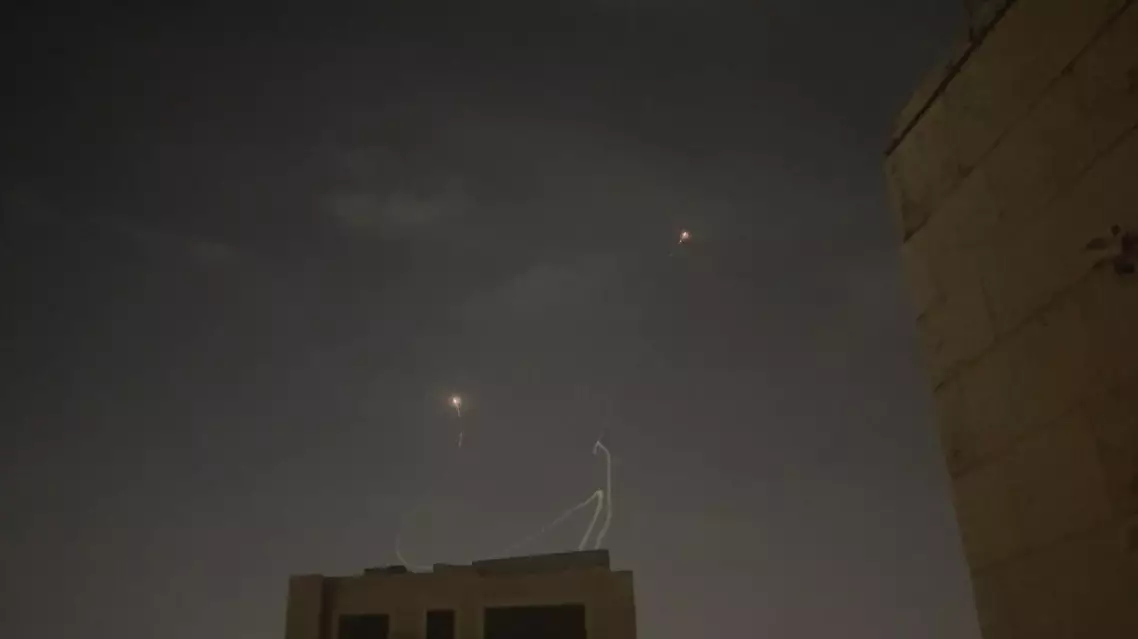
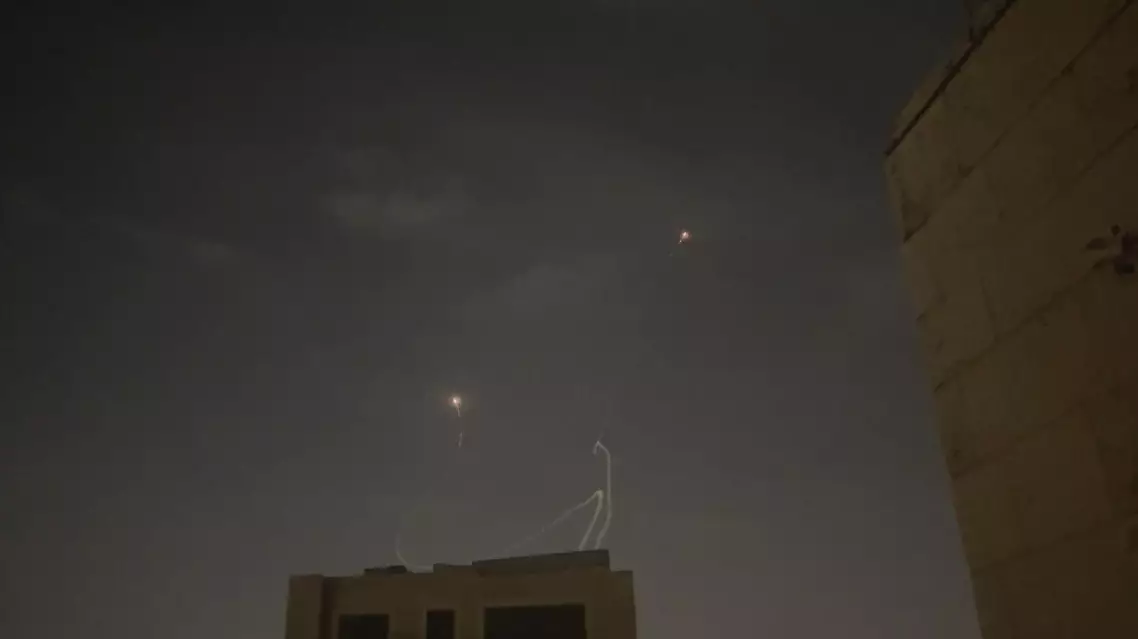
Iran's Islamic Revolutionary Guard Corps (IRGC) said that the new wave of attacks, a joint operation with Lebanon's Hezbollah, lasted about five hours, striking more than 50 targets in Israel, and U.S. military bases in Jordan and Saudi Arabia. According to the Israel Defense Forces (IDF), alarms were activated across central and southern Israel as well as in the Jerusalem area as air defenses detected missiles launched from Iran and Lebanon early on Thursday.

As footage captured by China Central Television (CCTV) showed, interceptor missiles were launched from Israeli air defense systems over Jerusalem, with multiple explosions heard.

The Israeli military said it began a new wide-scale wave of strikes on Iran early on Thursday.

According to reports of The Times of Israel on Wednesday evening, the IDF said in a statement that the Israeli military had completed airstrikes targeting Tehran and western Iran. During the airstrikes, the Israeli military struck the headquarters of the IRGR, the command centers of the IRGC air force, ballistic missile storage facilities, production bases and other targets.

Footage from CCTV captured the sound of air defense systems intercepting incoming targets over Tehran on Wednesday night.

On Feb 28, Israel and the United States launched joint attacks on Tehran and several other Iranian cities, killing Iran's then Supreme Leader Ali Khamenei, along with senior military commanders and civilians. Iran responded by launching waves of missile and drone strikes targeting Israeli and U.S. assets in the Middle East.
Israel, Iran continue to exchange air strikes
Israel, Iran continue to exchange air strikes
Israel, Iran continue to exchange air strikes
Israel, Iran continue to exchange air strikes

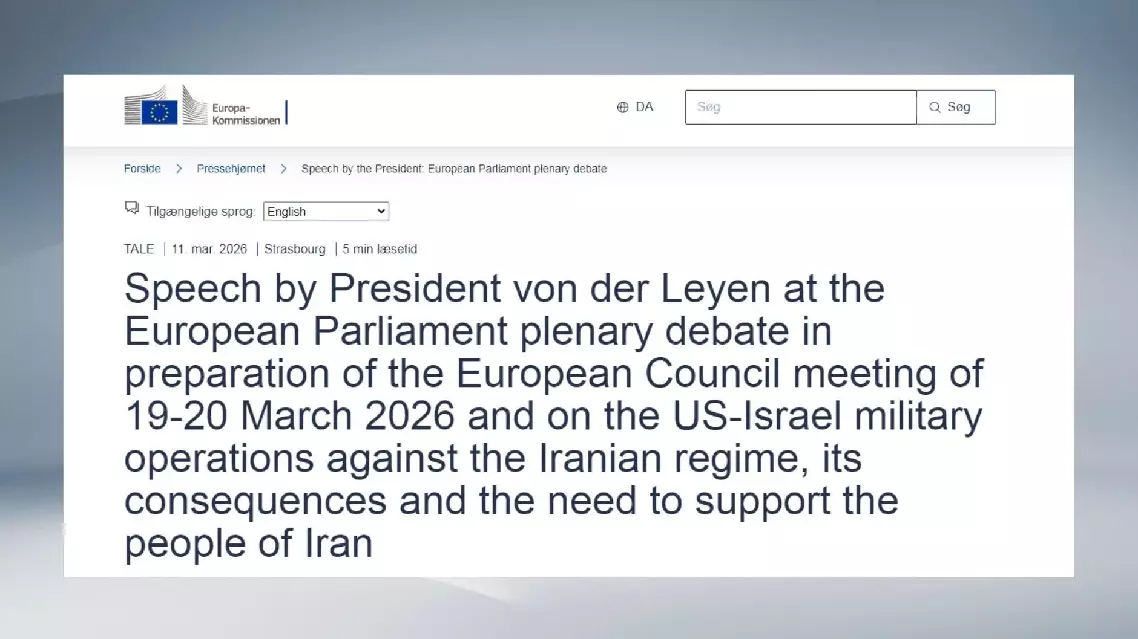
The Middle East conflict has imposed heavy economic costs on Europe, driving up energy prices and adding billions of euros to import bills, European Commission President Ursula von der Leyen said on Wednesday.

"Since the beginning of the conflict, gas prices have risen by 50 percent and oil prices by 27 percent," von der Leyen told the European Parliament in Strasbourg.

She said 10 days of war had already cost European taxpayers an extra 3 billion euros (3.48 billion U.S. dollars) for fossil fuel imports.

Von der Leyen said the European Commission is assessing additional measures to lower energy bills, including a possible cap on gas prices.

She said the EU had diversified its fossil fuel supplies in recent years, but "this does not mean that we are immune to price shocks. Energy markets are global."

The surge marks the second time in recent years that geopolitical conflict has triggered sharp rises in EU energy costs, following the Russia-Ukraine conflict in 2022.

The commission is also pushing nuclear power to boost production and cut prices. Von der Leyen announced on Tuesday a 200 million euro (231.75 million dollar) EU guarantee to support private investment in innovative nuclear technologies.

EU Energy Commissioner Dan Jorgensen urged member states on Tuesday to cut energy taxes where possible, particularly on electricity, to lower consumer bills.

The commission on Tuesday also unveiled a Clean Energy Investment Strategy aimed at channeling private financing into power grids, clean energy technologies and energy efficiency.

Middle East conflict drives up energy costs: European Commission president

Middle East conflict drives up energy costs: European Commission president

Recommended Articles