China will roll out efforts to promote a more balanced elderly care system during the 15th Five-Year Plan period (2026-2030), with lawmakers proposing more comprehensive care solutions and financing to be allocated to assist the country's aging population.
With nearly one-in-four people aged over 60 and life expectancy on the rise, China is facing one of its biggest social tests in the coming years. Measures to tackle this growing issue were outlined at the "two sessions" political meetings in Beijing, where Chinese lawmakers laid out targets and commitments to build a stronger social safety net and empower seniors.
As a major event in China's political calendar, the "two sessions" refer to the annual sessions of the National Political Congress (NPC), the country's supreme organ of state power, and the National Committee of the Chinese People's Political Consultative Conference (CPPCC), the top political advisory body.
At a press conference for the fourth session of the 14th NPC on people's livelihood in Beijing on Saturday, Minister of Civil Affairs Lu Zhiyuan said that China will upgrade facilities and improve the quality and effectiveness of its elderly care services, with the goal of establishing a 'three-tier service network' within five years. He noted that the country will continue to expand the coverage of public-benefit elderly care institutions.
With seniors now making up a large proportion of China's population, and the country's average life expectancy projected to reach 80 years by the end of the decade, confronting the challenges of an aging society remains very much a work in progress.
The government work report, which was delivered by Chinese Premier Li Qiang last Thursday, laid out a roadmap -- boosting public-interest services, bridging the rural-urban divide, subsidizing those who need disability care most, and mobilizing social forces to drive a seamless synergy between elderly care services and the silver economy.
NPC deputies have identified the experience of China's past initiatives, including its rural revitalization drive, as a way to get address issues at a more local level.
"I suggest linking rural elderly care directly with our rural revitalization strategy. In the process of promoting rural revitalization, while laying emphasis on industrial development, we can explore the way to use industrial profits to feed back into local elderly care, or allocate a portion of the profits from rural collective economy to [establish a pension found pool] for local elderly," said Lyu Yan, a deputy to the 14th NPC. Formulating a law on elderly care service is officially on the agenda of China's top legislative body, which has also been drafting laws on social security assistance, medical insurance, and childcare during the "two sessions" gathering this year.
Chinese President Xi Jinping has stressed the need for balanced and inclusive development so that no-one is left behind in the country's modernization drive, and other officials point out how important it is to ensure the right steps are taken to solve critical development problems and meet the urgent needs of the people.
"President Xi has consistently emphasized that the gains of national development must benefit all our people more equitably, and that we must continuously meet the people's growing needs for a better life. I think that these goals should be increasingly adequately implemented during the 15th Five-Year Plan period. Centered around these goals, we need to focus on, for example, optimizing systems. For instance, we should improve the funding mechanism for the pension system. additionally, we should narrow the gap in benefit standards, which should be a set objective. Overall, the approach should be supporting the vulnerable and fill in the gaps," said Zheng Gongcheng, a member of the Standing Committee of the 14th NPC.
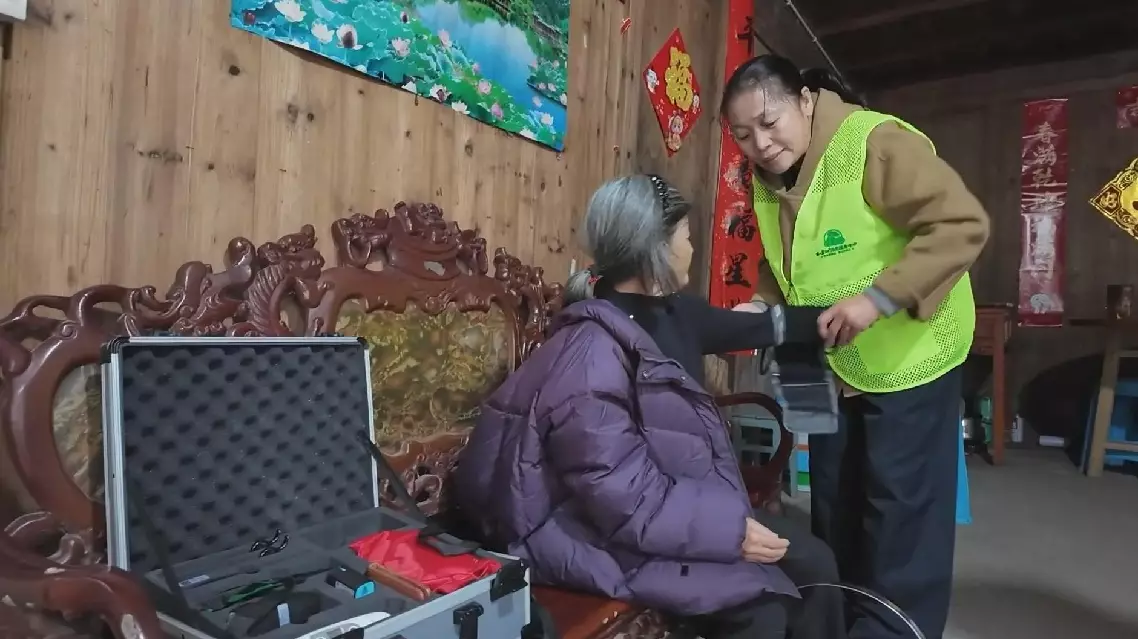
China to promote more balanced elderly care system to assist aging population