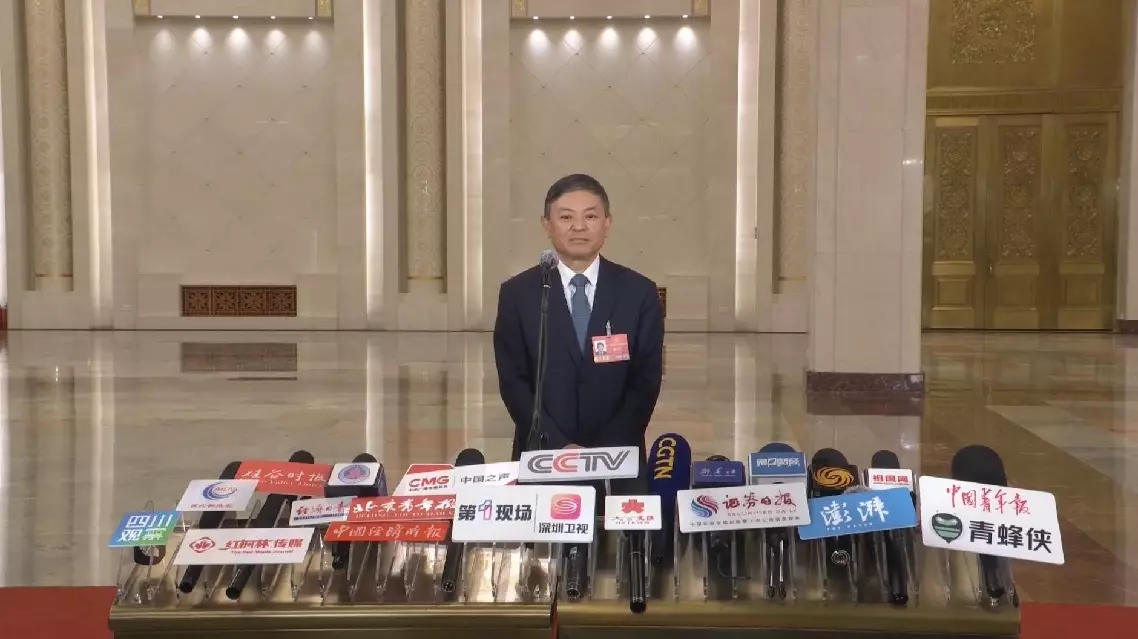
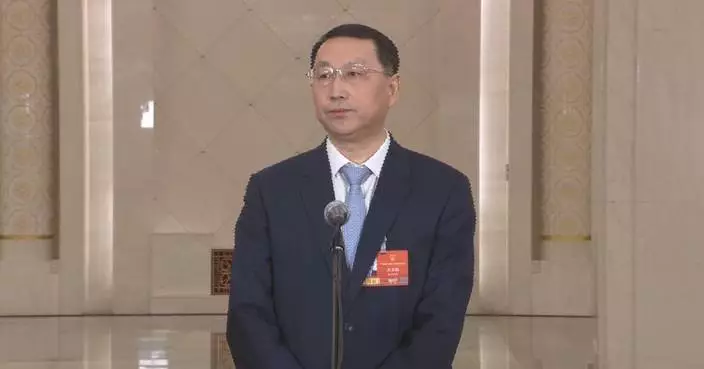
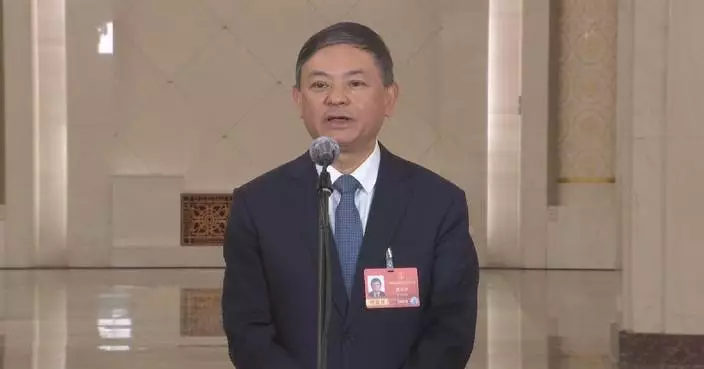
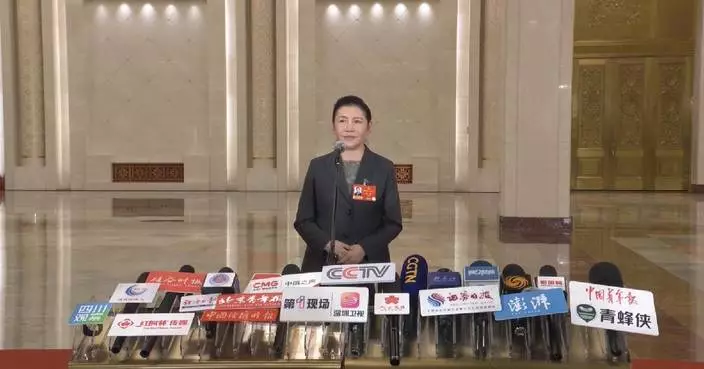
China will advance a series of measures to optimize spatial planning, innovate resource allocation and address grassroots needs as it embarks on the 15th Five-Year Plan (2026-2030) period, Minister of Natural Resources Guan Zhi'ou said Thursday.
Guan outlined the ministry's priorities for the new five-year plan, emphasizing a balanced approach between high-quality development and high-level protection, during a group interview after the closing meeting of the fourth session of the 14th National People's Congress (NPC) at the Great Hall of the People in Beijing.
"First, we will focus on optimizing spatial planning. We will strengthen implementation of the main functional zone strategy, further refine and optimize functional zoning, and improve supporting policies. We will support localities in developing unique strengths and distinctive industries, leveraging their comparative advantages to contribute to high-quality development," Guan said.
The minister emphasized the need for dynamic monitoring and realistic assessment of territorial spatial plans. He stressed the importance of firmly upholding the three red lines for farmland, ecological protection, and urban development boundaries to ensure national food and ecological security, and to prevent disorderly urban sprawl.
"Second, we will focus on innovating resource allocation. We will proactively adapt to new changes and new needs. In conjunction with ongoing urban renewal initiatives and comprehensive land improvement, we will work from multiple angles to revitalize idle land, factory buildings and other existing resources. We will press ahead with full force to turn existing resources into new drivers of growth and energize economic growth," Guan said.
To support key projects in the 15th Five-Year Plan, he called for the establishment of a spatial planning permitting system that enables coordinated approval for land, forest, grassland, sea, and mineral use. This would significantly shorten approval timelines and accelerate project implementation.
Guan also highlighted the need to strengthen and optimize incremental resources in oceans, forests, grasslands, minerals, and geographic information, creating new space for entrepreneurship and employment to ensure stable incomes for the people.
"Third, we will focus on delivering tangible benefits for grassroots communities. We will put ourselves in the shoes of the people, provide proactive services, continue field visits and on-site support in designated areas, and move promptly to resolve problems. In particular, we will introduce stronger and more people-centered policies," he said.
He urged officials to listen to and heed grassroots voices, take proactive steps to address local challenges, and accelerate the progress of inter-provincial real estate registration. He also called for pragmatic solutions to historical issues such as conflicts between forest and farmland use, so that enterprises and the people can have a stronger sense of gain and happiness.
Noting that Thursday marks the 48th National Tree Planting Day, Guan said the ministry, as a key force in building a Beautiful China, will carry forward the mission with determination. He emphasized the commitment to integrated protection and systematic governance of mountains, rivers, forests, farmlands, lakes, grasslands and deserts, while advancing key projects including the Three-North Shelterbelt Program.
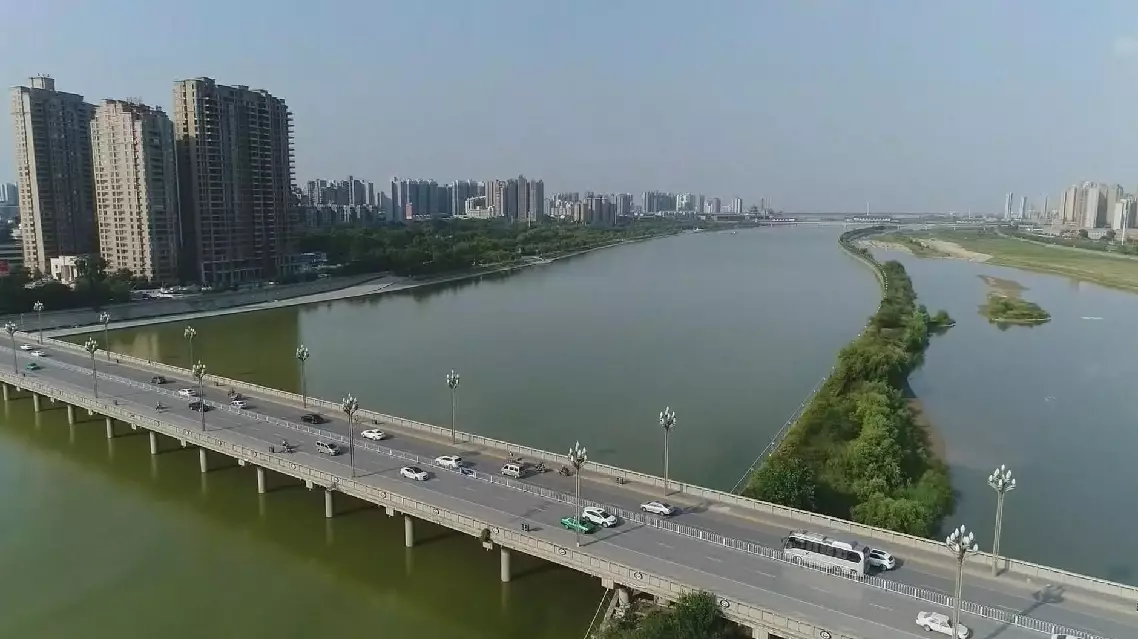
China to optimize land use, boost resource efficiency in 2026: minister