Skip to Content Facebook Feature Image

When stock markets get shaken, it can pay for investors to be patient

ENT

When stock markets get shaken, it can pay for investors to be patient
ENT

ENT

When stock markets get shaken, it can pay for investors to be patient

2026-03-13 04:10 Last Updated At:04:20

NEW YORK (AP) — When stock markets are as manic as they've been recently, it’s natural to want to do something to protect your retirement savings. Historically, though, staying calm has usually been best.

The U.S. stock market has a track record of recovering from every steep drop it's taken. Whether it's a global financial crisis, a trade war or a military war, the S&P 500 has so far always recouped its losses to push toward more records. Of course, that can take years, but anyone who moved their 401(k) investments out of stocks risked missing out on the recovery and further gains.

Will that happen again? No one can say for sure, and some things are different this time around. But many professional investors and strategists are sticking with the advice they usually give: As long as it's money you don't need soon, which should never be in stocks in the first place, try to be patient and ride out the stock market's swings, tough as it is.

They gave the same counsel after President Donald Trump unveiled his global tariffs on “Liberation Day” last year, after inflation skyrocketed in 2021 and after COVID crashed the global economy in 2020. Stomaching these kinds of shocks is the price of admission to get the bigger returns that stocks can offer over the long term.

“Although volatility may feel uncomfortable, could rise from here, and possibly cause a near-term drawdown in stocks, volatility in itself tends to be brief when it reaches more extreme levels,” according to Anthony Saglimbene, chief market strategist at Ameriprise. “And, more often than not, the extreme volatility provides investors with a solid long-term entry point to buy stocks rather than sell.”

The war in Iran is slowing the global flow of oil and causing extreme swings in markets.

The fighting has halted most of the traffic in the Strait of Hormuz, a narrow waterway off Iran’s coast where a fifth of the world’s oil sails on a typical day. That has storage tanks for crude in the region filling up because it has nowhere else to go. And that is pushing oil producers to say they're cutting their output.

Oil on Monday briefly spiked to nearly $120 per barrel, the highest price since the summer of 2022, on worries that the production problems could last a long time. Some analysts say prices could quickly reach $150 if the strait remains closed.

A long stretch of high oil prices could put the global economy in a worst-case scenario called “stagflation.” That's what economists call it when growth stagnates yet inflation remains high. It's a miserable combination that the Federal Reserve and central banks worldwide have no good tools to fix.

The S&P 500 is only 4.4% below its all-time high, which was set in January, as of Thursday's close. It feels worse because of how sharply stock prices have swung recently, often hour to hour as well as day to day.

Several times since the start of the Iran war, the Dow Jones Industrial Average has plunged roughly 900 points in the morning only to erase its loss later in the day or come close to it.

The U.S. stock market doesn't often behave exactly like this, but it has a regular history of falling to steep losses before rising again.

The S&P 500 has seen a decline of at least 10% every year or so. Such drops are common enough that professional investors have a name for them: a “correction.” Often, experts view them as a culling of optimism that could otherwise run overboard and drive stock prices too high.

Selling your stocks or moving your 401(k) investments away from stocks and into bonds may offer less chance of seeing huge drops. But getting out of the market would also mean having to figure out the right time to get back in, unless you're willing to give up any future recovery and gains.

And timing the market correctly is always difficult. Some of the best days in the U.S. stock market’s history have been clustered in among downturns.

Some recoveries take longer than others, but experts often recommend not putting money into stocks that you can’t afford to lose for several years, up to 10. Emergency funds, for things like home repairs or medical bills, should not be invested in stocks.

Apps on smartphones have made trading easier and cheaper than ever. That's helped draw in a new generation of investors who may not be used to such wild swings in the market.

But the good news is younger investors often have the gift of time. With decades to go until retirement, they can afford to ride the waves and let their stock portfolios hopefully recover before compounding and eventually growing even bigger. For them, drops in prices may almost be like stocks going on sale.

Older investors have less time than younger ones for their investments to bounce back.

People who have already retired may want to cut back on spending and withdrawals after sharp market downturns, because bigger withdrawals will remove more potential compounding ability in the future. But even in retirement, some people will need their investments to last 30 years or more.

If you have no other choice, you have no other choice. But selling stocks in your 401(k) account and withdrawing cash packs a double whammy. One, you may have to pay tax, as well as a possible 10% early-withdrawal penalty. Two, a withdrawal means no chance of those investments recovering their losses and growing over time.

A 401(k) loan is possible in some cases, but those come with their own peculiarities and possible penalties.

You don't have to pay as much attention to any of this. Defined-benefit pensions, which few U.S. workers still have, mean you're in line to get a defined payment regardless of what the stock market does.

When stocks are falling, prices for Treasury bonds and gold often rise as investors move into investments considered safer. That's why many advisers suggest keeping a diversified portfolio, to help smooth out shocks.

This time around, though, Treasury prices have been hurt by worries about high oil prices and inflation. Gold's price has also struggled occasionally when yields on Treasury bonds have climbed. That's because gold, which pays its investors nothing, looks less attractive when Treasurys are paying more in interest.

No one knows, and don’t let anyone tell you otherwise.

AP Writer Cora Lewis contributed.
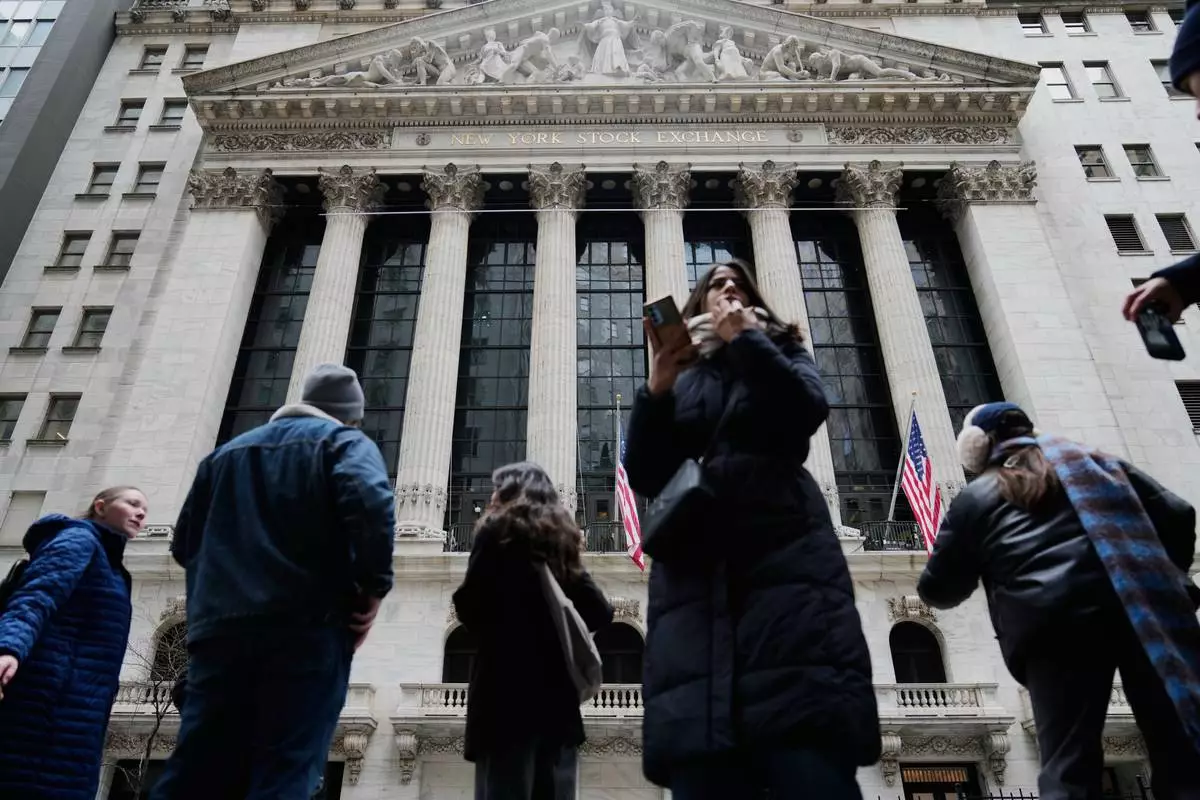
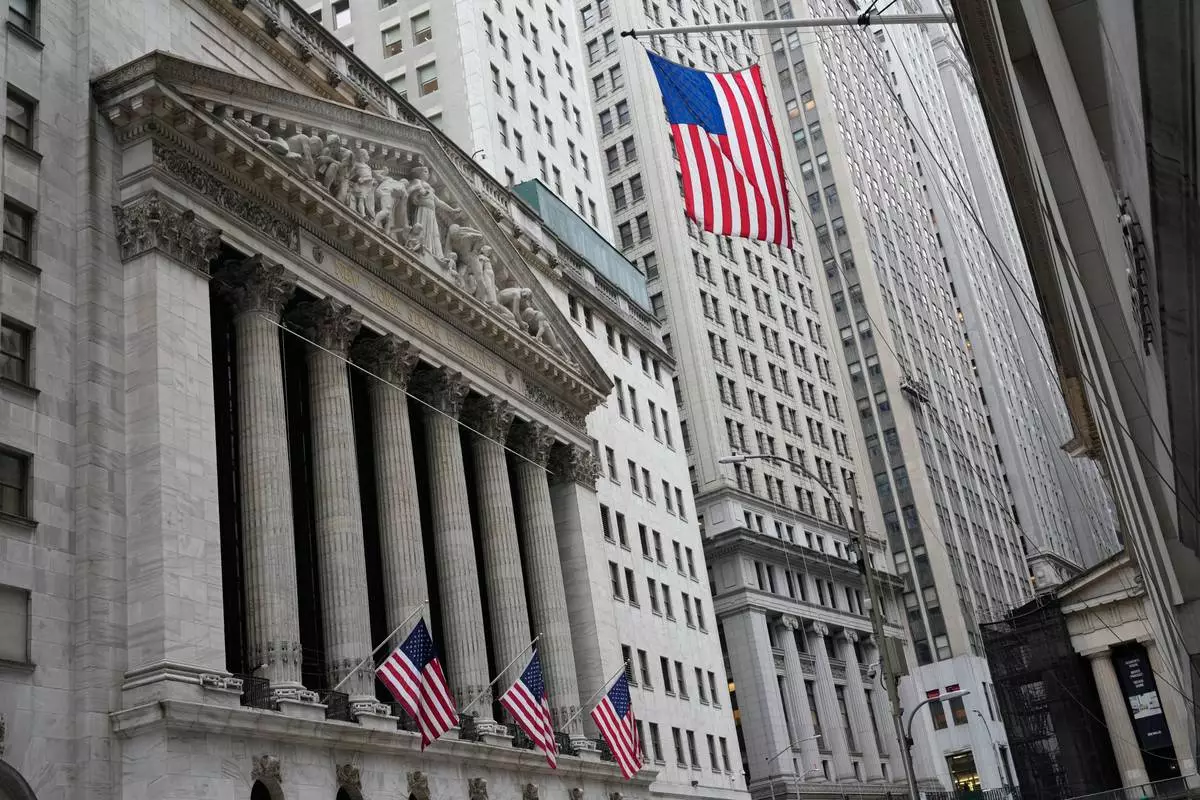
Pedestrians mill about outside the New York Stock Exchange in New York, Friday, March 6, 2026. (AP Photo/Seth Wenig)

Pedestrians mill about outside the New York Stock Exchange in New York, Friday, March 6, 2026. (AP Photo/Seth Wenig)

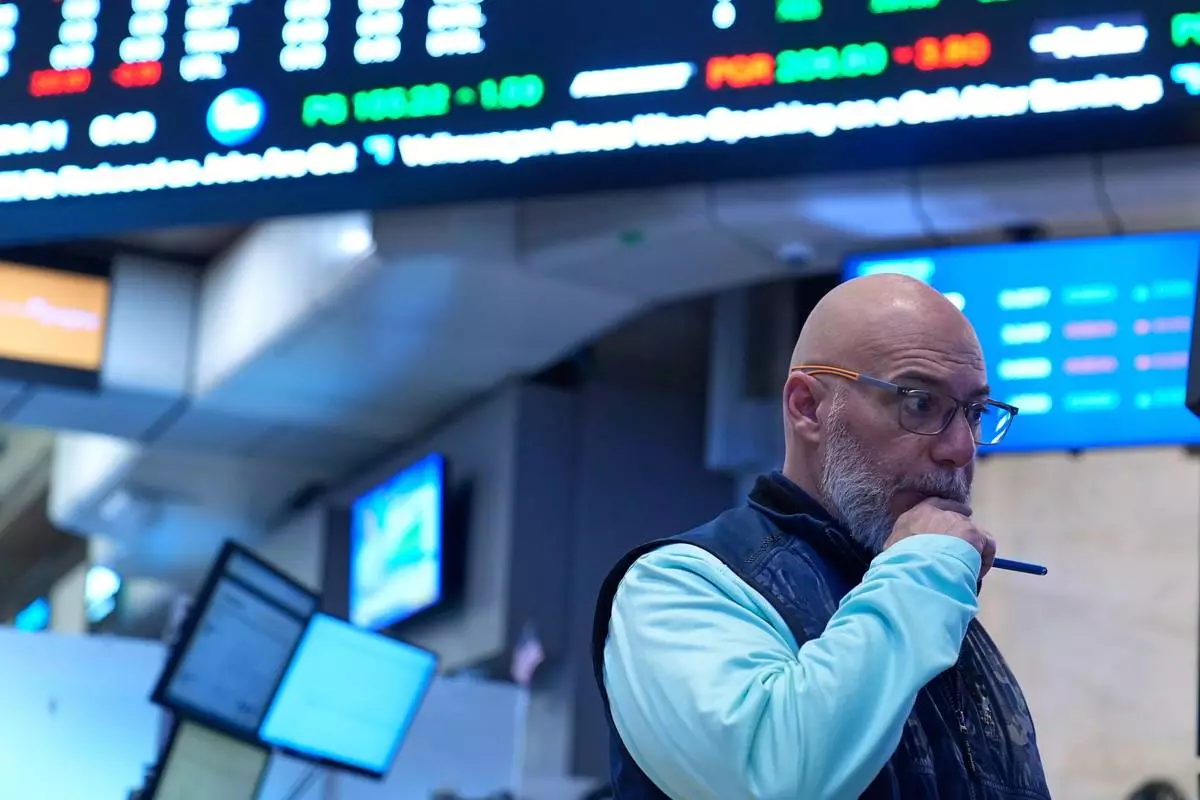
Screens display financial information on the floor at the New York Stock Exchange in New York, Tuesday, March 10, 2026. (AP Photo/Seth Wenig)
Screens display financial information on the floor at the New York Stock Exchange in New York, Tuesday, March 10, 2026. (AP Photo/Seth Wenig)
NEW YORK (AP) — Worries about the war with Iran sent oil prices back to $100 per barrel and stocks sinking worldwide. The S&P 500 fell 1.5% Thursday and returned to big swings following a couple days of relative calm. The Dow Jones Industrial Average dropped 1.6%, and the Nasdaq composite sank 1.8%. The center of action was again the oil market, where the price of a barrel of Brent crude got as high as $101.59. Treasury yields climbed in the bond market on worries about higher inflation and fewer cuts to interest rates by the Federal Reserve.

THIS IS A BREAKING NEWS UPDATE. AP’s earlier story follows below.

NEW YORK (AP) — With no clear end in sight, the war with Iran sent oil prices back to $100 per barrel on Thursday, and stocks sank worldwide.

The S&P 500 fell 1.4% and resumed its sharp swings following a couple days of relative calm. The Dow Jones Industrial Average was down 674 points, or 1.3%, with an hour remaining in trading, and the Nasdaq composite was 1.6% lower.

The center of action was again the oil market, where the price of a barrel of Brent crude, the international standard, climbed 9.2% to settle at $100.46. Worries are worsening that the war could block the production of oil in the Persian Gulf for a long time and cause a debilitating surge of inflation for the global economy.

Iran's new supreme leader released his first statement Thursday since succeeding his late father, saying his country would keep up attacks on Gulf Arab neighbors and use the effective closure of the Strait of Hormuz as leverage against the United States and Israel. A fifth of the world’s oil typically sails through the strait, and oil producers in the region are cutting production because their crude has nowhere to go.

Countries around the world are trying to make up for that, and the International Energy Agency said Wednesday that its members would release a record amount of oil, 400 million barrels, from stockpiles built for such emergencies.

But such moves are short-term fixes, and they do not clear the long-term risks. Analysts have said that if the Strait of Hormuz remains closed, oil prices could jump to $150.

To be sure, the U.S. stock market has a history of bouncing back relatively quickly from military conflicts in the Middle East and elsewhere, as long as oil prices don't stay too high for too long. Even with all the up- and- down swings of the last couple weeks, many rocking markets hour to hour, the S&P 500 is only about 4% below its all-time high set in January.

What’s made this jump for oil prices frightening is not only the degree — prices jumped near $120 earlier this week to their highest level since 2022 — but that they’re also occurring during an uncertain time for the economy.

Last month’s report on hiring by U.S. employers was surprisingly weak, which raised worries about a possible worst-case scenario for the economy called “stagflation.” That’s where economic growth stagnates while inflation remains high, and it's a miserable mix that the Federal Reserve has no good tools to fix.

A more encouraging signal arrived Thursday. A report said that the number of U.S. workers applying for unemployment benefits inched lower last week. That’s a sign that layoffs are potentially remaining low around the country.

Dollar General, meanwhile, reported better profit and revenue for the latest quarter than analysts expected. But the retailer with relatively low prices, whose customers often have the least cushion to absorb higher gasoline prices, gave forecasts for revenue this upcoming year that indicated a potential slowdown in growth. Its stock fell 6.6%.

Some of Wall Street's worst losses again hit companies with big fuel bills. Cruise-ship operator Carnival fell 7.1%, and United Airlines sank 4.1%.

Worries about the private-credit industry also continued to hurt the market. Investors have been pulling their money out of some funds and companies that have lent to businesses whose profits are potentially under threat. Many of the worries are focused on business potentially made obsolete by new AI-powered rivals that may not pay back their loans.

Morgan Stanley fell 4.6% after its North Haven Private Income Fund said it allowed investors to redeem only 5% of its total shares instead of the nearly 11% they had requested. That 5% cap is the advertised limit.

In stock markets abroad, indexes fell across Europe and Asia.

Japan’s Nikkei 225 dropped 1%, and France’s CAC 40 sank 0.7% for two of the world’s bigger moves.

In the bond market, Treasury yields continued to climb because of upward pressure from rising oil prices. The yield on the 10-year Treasury rose to 4.27% from 4.21% late Wednesday and from just 3.97% before the war started.

Higher yields make all kinds of borrowing more expensive, such as mortgages for potential U.S. homebuyers and bond offerings for companies looking to expand. They also push down on prices for all kinds of investments, from stocks to crypto.

Because of the spike for oil prices, traders have pushed back forecasts for when the Fed could resume its cuts to interest rates. President Donald Trump has been angrily calling for such cuts, which would give the economy and job market a boost but also potentially worsen inflation.

A barrel of benchmark U.S. crude rose 9.7% to settle at $95.73.

AP Business Writers Matt Ott and Elaine Kurtenbach contributed.

An earlier version of the story incorrectly reported the percentage drop for United Airlines’ stock.

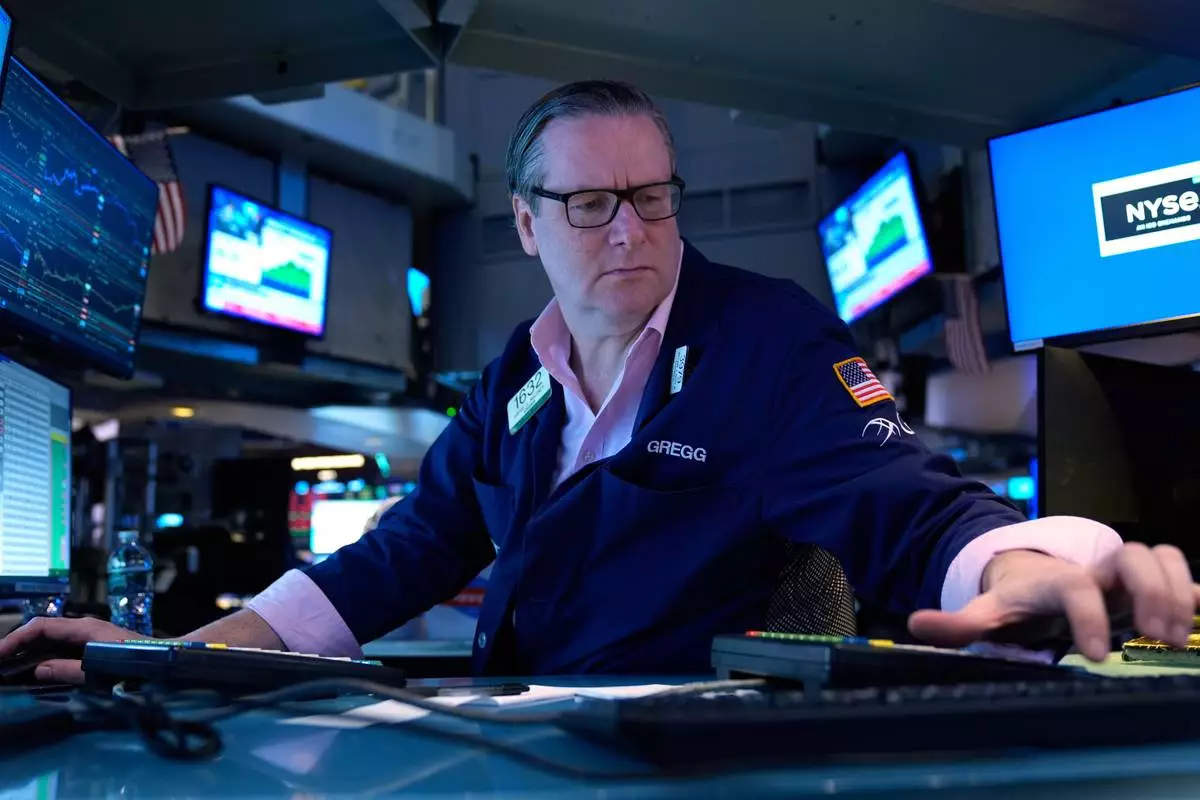
Gregg Maloney works on the floor at the New York Stock Exchange in New York, Tuesday, March 10, 2026. (AP Photo/Seth Wenig)
Gregg Maloney works on the floor at the New York Stock Exchange in New York, Tuesday, March 10, 2026. (AP Photo/Seth Wenig)
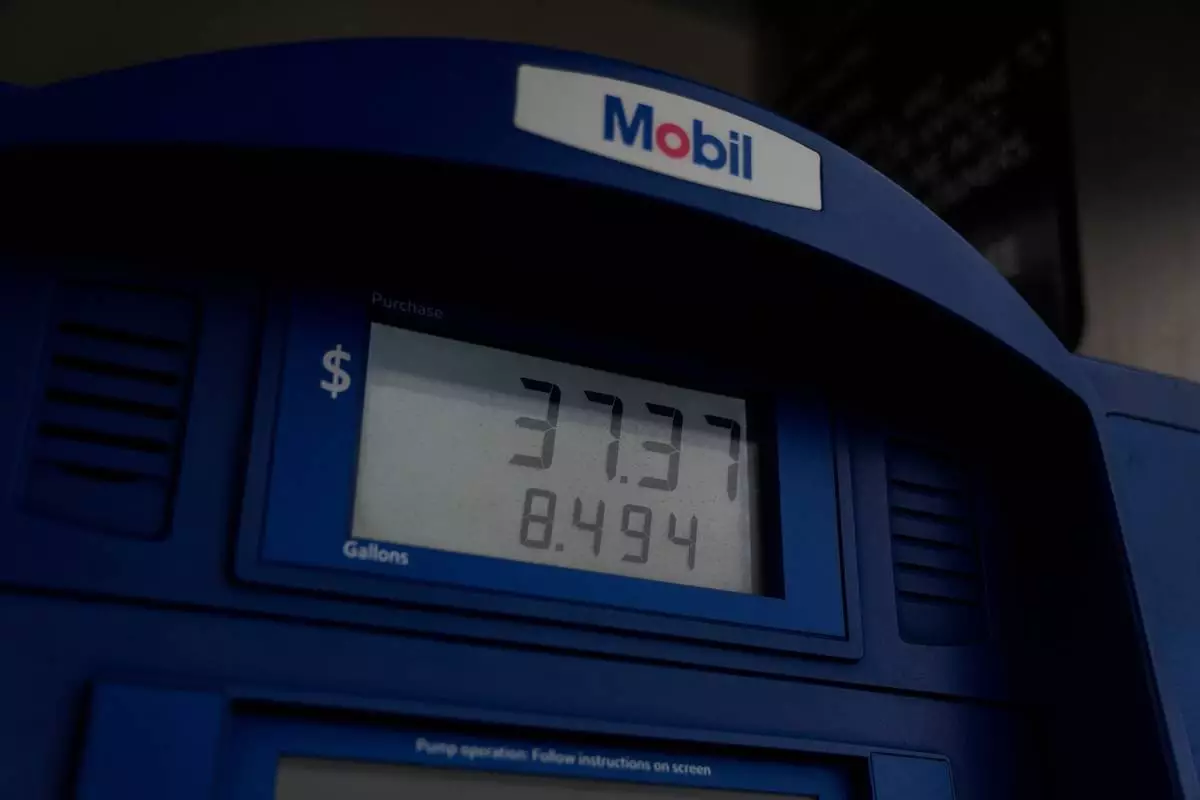
Gas prices are displayed at a station Wednesday, March 11, 2026, in Evanston Ill. (AP Photo/Erin Hooley)

Gas prices are displayed at a station Wednesday, March 11, 2026, in Evanston Ill. (AP Photo/Erin Hooley)

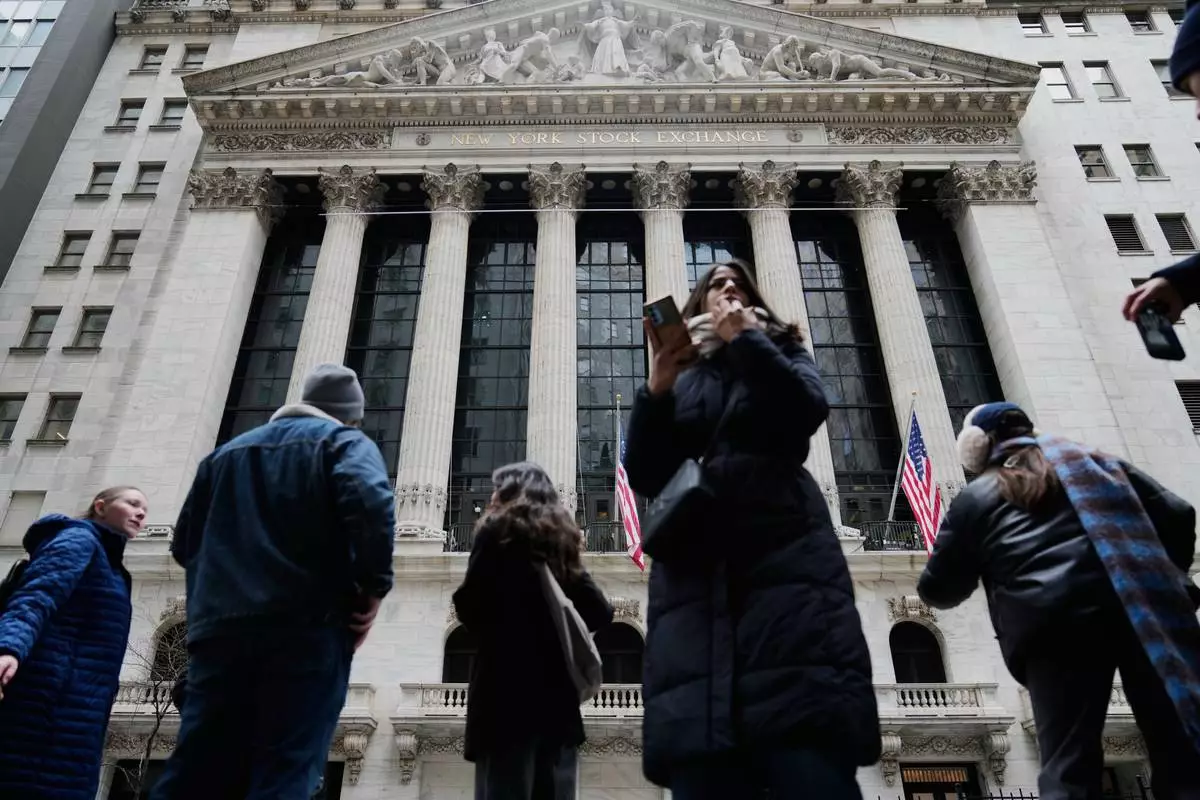
Pedestrians mill about outside the New York Stock Exchange in New York, Friday, March 6, 2026. (AP Photo/Seth Wenig)

Pedestrians mill about outside the New York Stock Exchange in New York, Friday, March 6, 2026. (AP Photo/Seth Wenig)

The New York Stock Exchange is seen in New York, Friday, March 6, 2026. (AP Photo/Seth Wenig)

The New York Stock Exchange is seen in New York, Friday, March 6, 2026. (AP Photo/Seth Wenig)

Traders work on the floor at the New York Stock Exchange in New York, Tuesday, March 10, 2026. (AP Photo/Seth Wenig)

Traders work on the floor at the New York Stock Exchange in New York, Tuesday, March 10, 2026. (AP Photo/Seth Wenig)
Recommended Articles