Skip to Content Facebook Feature Image

Smaller portions are a big restaurant trend as customers watch their budgets and waistlines

ENT

Smaller portions are a big restaurant trend as customers watch their budgets and waistlines
ENT

ENT

Smaller portions are a big restaurant trend as customers watch their budgets and waistlines

2026-03-12 23:29 Last Updated At:23:41

The biggest new restaurant trend is small.

Special menus with petite, less expensive portions are popping up all over, from large chains like Olive Garden and The Cheesecake Factory to trendy urban eateries and farm-to-fork dining rooms.

More Images
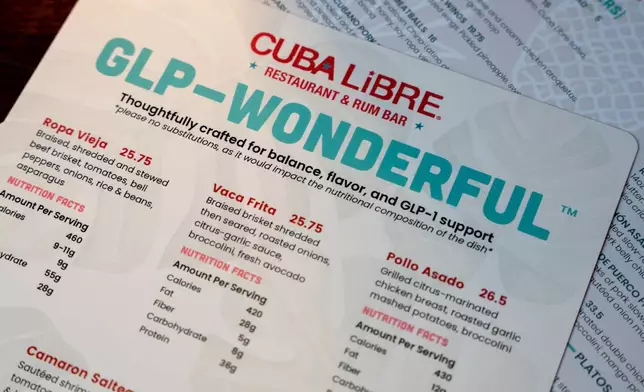
A modified menu catering to the dietary needs of people who use GLP-1 weight loss drugs is displayed at Cuba Libre Restaurant and Rum Bar in Philadelphia, on Friday, March 6, 2026. (AP Photo/Mingson Lau)
A modified menu catering to the dietary needs of people who use GLP-1 weight loss drugs is displayed at Cuba Libre Restaurant and Rum Bar in Philadelphia, on Friday, March 6, 2026. (AP Photo/Mingson Lau)

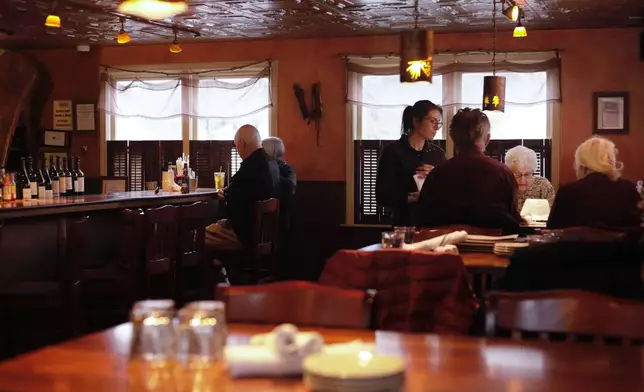
Diners eat at Barkeaters Restaurant on Tuesday, March 3, 2026 in Shelburne, Vt. (AP Photo/Amanda Swinhart)

Diners eat at Barkeaters Restaurant on Tuesday, March 3, 2026 in Shelburne, Vt. (AP Photo/Amanda Swinhart)

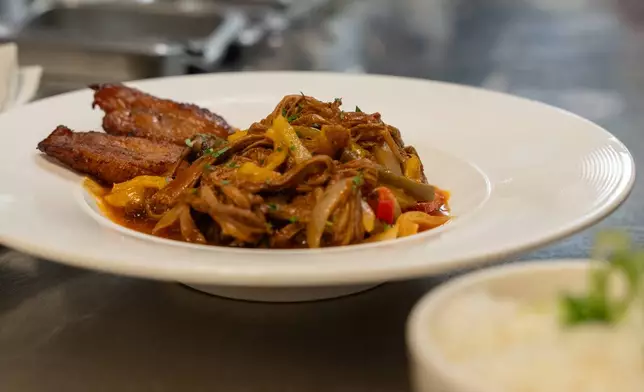
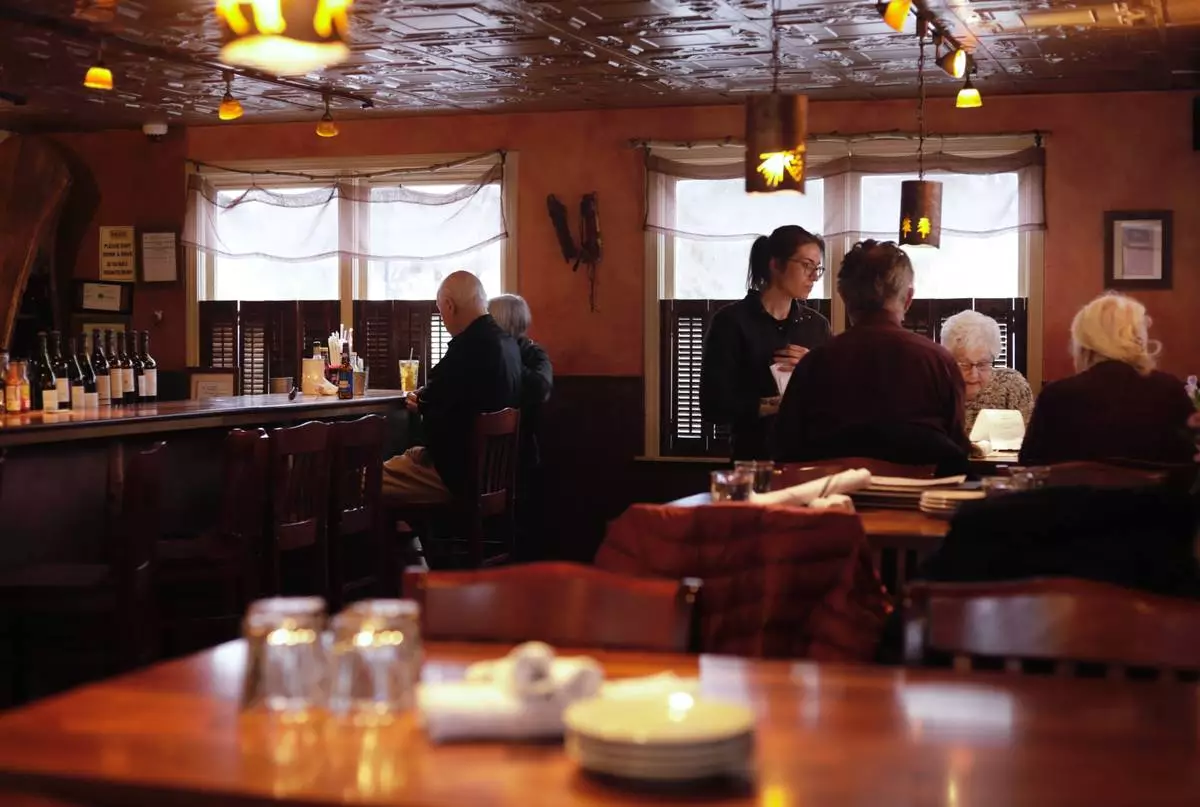
Diners eat at Cuba Libre Restaurant and Rum Bar in Philadelphia, on Friday, March 6, 2026. (AP Photo/Mingson Lau)
Diners eat at Cuba Libre Restaurant and Rum Bar in Philadelphia, on Friday, March 6, 2026. (AP Photo/Mingson Lau)
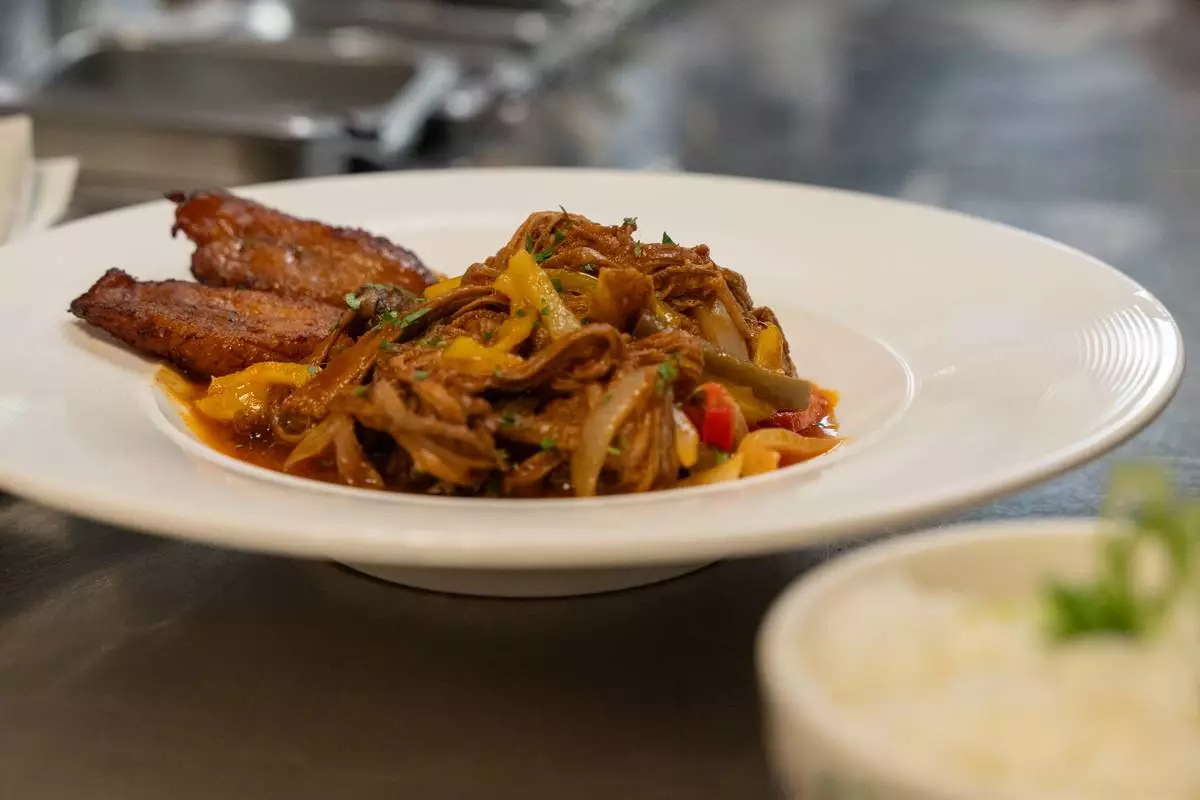
A ropa vieja dish from Cuba Libre Restaurant and Rum Bar's standard menu is prepared for serving at Cuba Libre Restaurant and Rum Bar in Philadelphia, on Friday, March 6, 2026. (AP Photo/Mingson Lau)

A ropa vieja dish from Cuba Libre Restaurant and Rum Bar's standard menu is prepared for serving at Cuba Libre Restaurant and Rum Bar in Philadelphia, on Friday, March 6, 2026. (AP Photo/Mingson Lau)

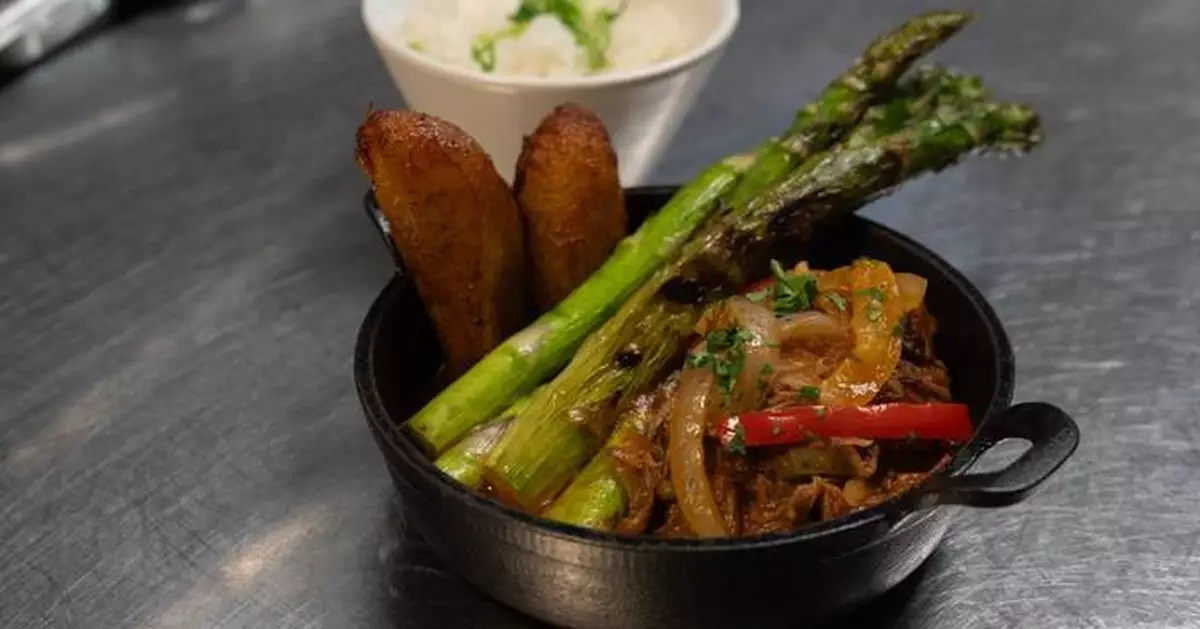
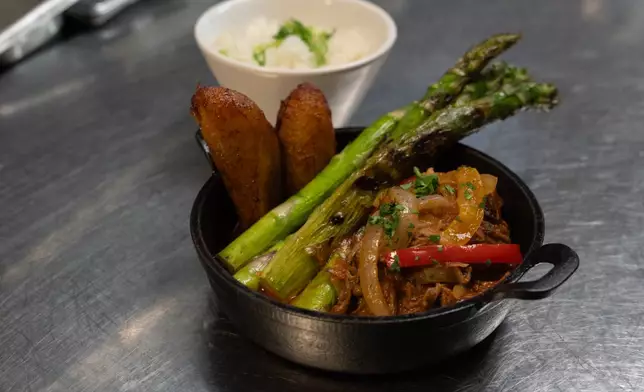
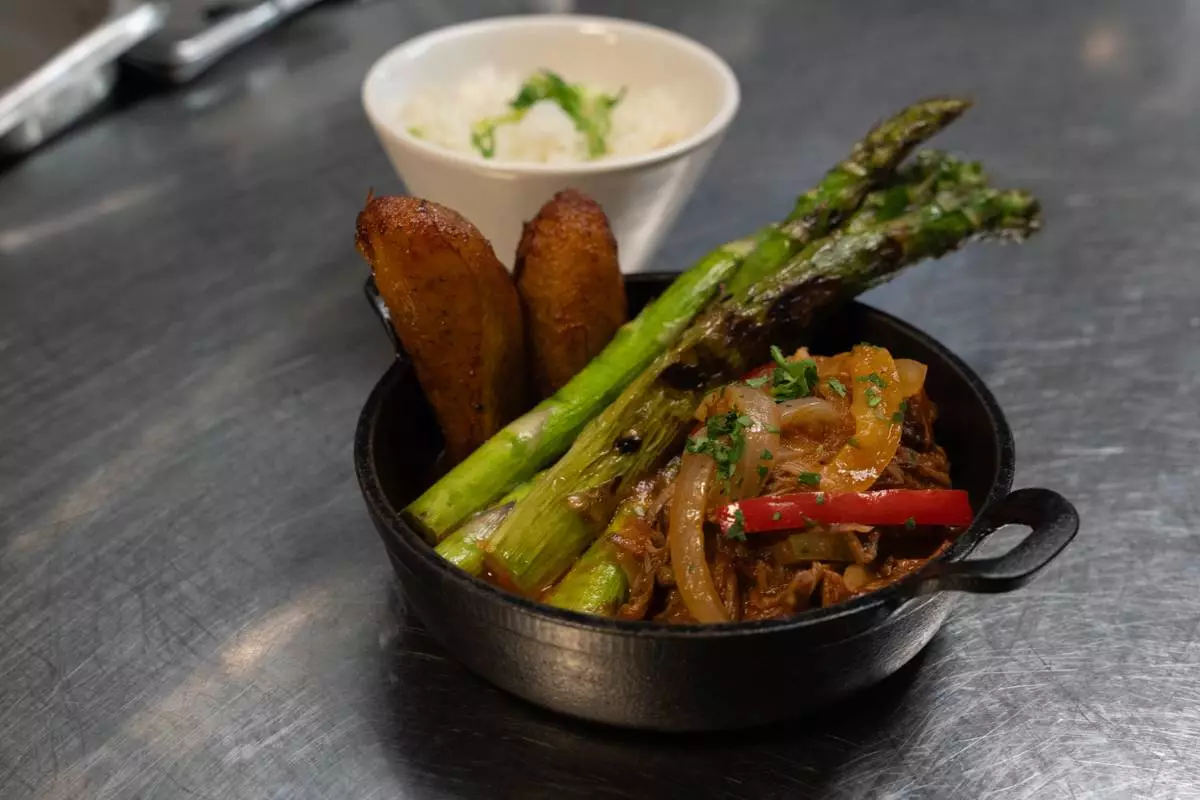
A ropa vieja dish from Cuba Libre Restaurant and Rum Bar's GLP-Wonderful menu is prepared for serving at the restaurant in Philadelphia, on Friday, March 6, 2026. (AP Photo/Mingson Lau)

A ropa vieja dish from Cuba Libre Restaurant and Rum Bar's GLP-Wonderful menu is prepared for serving at the restaurant in Philadelphia, on Friday, March 6, 2026. (AP Photo/Mingson Lau)

Restaurants hope that offering smaller servings beyond the children's menu will meet many different diners’ needs. Some people want to spend less when they go out. Others are looking for healthier options or trying to lose weight. Younger consumers tend to snack more throughout the day and eat smaller meals, said Maeve Webster, the president of culinary consulting firm Menu Matters.

“These are really driven by, I think, changes in the way people are thinking about their relationship with food, the way they spend money on food, what is a good value and what’s not,” Webster said.

Beth Tipton, the co-owner of Daniel Girls Farmhouse Restaurant in Connersville, Indiana, introduced an eight-item Mini Meals menu last fall after several customers requested smaller portions. The menu, which includes daily specials like a half piece of meatloaf with green beans, mashed potatoes and gravy for $8, now accounts for about 20% of the restaurant's orders, she said.

Older adults make up about half of the restaurant’s clientele, Tipston said, and some customers told her the regular menu was a stretch for their budgets. As someone who underwent weight-loss surgery, she also knew from experience that many restaurants won't allow adults to order from their children's menus.

“We wanted it to be available to all without the word ‘kids meals’ attached,” Tipton said. “With the rising costs all around us we wanted to help in any way we can, and this is a great option.”

Some restaurants are adding menus to court users of GLP-1 weight-loss and diabetes drugs like Zepbound, Wegovy, Ozempic and Mounjaro.

Last fall, restaurateur Barry Gutin ran into two different friends who told him they were taking GLP-1s and struggling to find restaurant meals that met their dietary needs and smaller appetites. GLP-1 users tend to eat less, so they need nutritionally dense foods that are low in fat and high in protein and fiber.

Gutin, the co-owner of Cuba Libre Restaurant and Rum Bar in Philadelphia, Washington, Atlantic City, New Jersey, and Orlando, Florida, reached out to a doctor who specializes in weight loss and to Cuba Libre’s culinary director, Angel Roque. Over the next month, they developed the chain’s GLP-Wonderful menu, which is available during dinner.

The menu has five classic Cuban options. Roque said the pollo asado on Cuba Libre's regular menu has nearly 1,000 calories; on the GLP-1 menu, that's slimmed down to 400 calories, but heavy on protein and fiber. He said it was also important to keep the GLP-1 meals flavorful and colorful, to stimulate appetites.

“Many times when people are on those kind of regimes, they feel that they can’t do the same as everybody else. So we wanted to show them, yes, at Cuba Libre, you can," Roque said.

Gutin said the menu has increased business. He estimated that 10 to 20 groups at each location every week have at least one person who requests the GLP-Wonderful menu.

“People say, ‘Thank you for serving us’,” Gutin said.

Olive Garden, whose seven-item “Lighter Portions” menu rolled out nationwide in January, said GLP-1 users were one consideration. The Italian-style restaurant chain also wanted to appeal to patrons pursuing healthier diets or more affordable meals, said Rick Cardenas, the president and CEO of Olive Garden’s parent company, Darden Restaurants.

“There is a consumer group out there that believes in abundance, but abundance is different for everybody,” Cardenas said in September during a conference call with investors. “So consumers can choose. We’re not changing our entire menu to make it a smaller portion."

The Asian fusion chain P.F. Chang's began offering medium-sized portions last fall. The Cheesecake Factory added smaller, lower-priced Bites and Bowls to its menu last summer, while TGI Fridays recently began testing an “Eat Like A Kid” menu with smaller portions.

Smaller portions aren’t a new concept. Twenty years ago, small-plate tapas restaurants were all the rage, for instance.

But to Webster, the menu consultant, the scaled-down dishes appearing now feel like a longer-term shift. For one thing, the trend is not tied to any particular cuisine. Webster also thinks consumers are thinking more about food waste than they used to, and smaller portions can alleviate some of their concerns.

“I think it is a core need that consumers have, and a demand that has been lingering under the surface for a long time because restaurant meals, particularly at chains, have become so large,” she said. “Sure, it sounds great to take leftovers home, but they never taste as good.”

During a recent visit to Shelburne, Vermont, from his home in North Carolina, Jack Pless was delighted to see the Teeny Tuesday menu at Barkeaters Restaurant, which specializes in locally sourced food. Pless, who’s in his 60s and used to own a restaurant, said he can’t eat as much as he used to at meals.

“So many times you go out to restaurants, especially me or my wife, and we’ll take home a box and it’ll sit in the refrigerator for two, three days and start to grow a beard,” he said.

Julie Finestone, the co-owner of Barkeaters, said she introduced the Teeny Tuesday menu last month to bring in more weekday business during the winter. She was concerned about the cost of offering lower-priced food options, like $12 reuben sliders, but said the decision has brought in more business than she expected.

Finestone said she’s pretty confident Teeny Tuesday will become a year-round fixture.

“Some people, it’s dietary. Some have smaller appetites. Some people don’t like to overindulge in the middle of the week,” Finestone said. “I think that it just spoke to people.”

AP Video Journalists Mingson Lau in Philadelphia and Amanda Swinhart in Shelburne, Vermont, contributed.
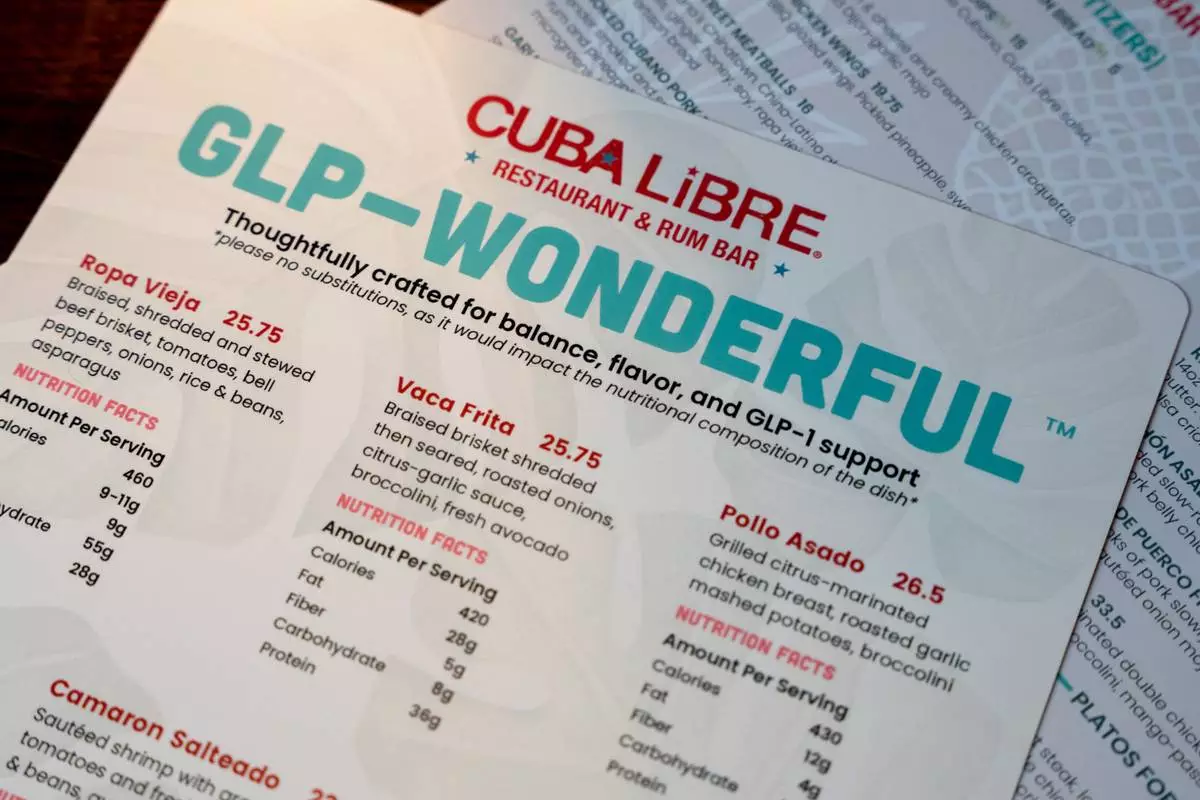
A modified menu catering to the dietary needs of people who use GLP-1 weight loss drugs is displayed at Cuba Libre Restaurant and Rum Bar in Philadelphia, on Friday, March 6, 2026. (AP Photo/Mingson Lau)
A modified menu catering to the dietary needs of people who use GLP-1 weight loss drugs is displayed at Cuba Libre Restaurant and Rum Bar in Philadelphia, on Friday, March 6, 2026. (AP Photo/Mingson Lau)

Diners eat at Barkeaters Restaurant on Tuesday, March 3, 2026 in Shelburne, Vt. (AP Photo/Amanda Swinhart)

Diners eat at Barkeaters Restaurant on Tuesday, March 3, 2026 in Shelburne, Vt. (AP Photo/Amanda Swinhart)

Diners eat at Cuba Libre Restaurant and Rum Bar in Philadelphia, on Friday, March 6, 2026. (AP Photo/Mingson Lau)
Diners eat at Cuba Libre Restaurant and Rum Bar in Philadelphia, on Friday, March 6, 2026. (AP Photo/Mingson Lau)
A ropa vieja dish from Cuba Libre Restaurant and Rum Bar's standard menu is prepared for serving at Cuba Libre Restaurant and Rum Bar in Philadelphia, on Friday, March 6, 2026. (AP Photo/Mingson Lau)

A ropa vieja dish from Cuba Libre Restaurant and Rum Bar's standard menu is prepared for serving at Cuba Libre Restaurant and Rum Bar in Philadelphia, on Friday, March 6, 2026. (AP Photo/Mingson Lau)

A ropa vieja dish from Cuba Libre Restaurant and Rum Bar's GLP-Wonderful menu is prepared for serving at the restaurant in Philadelphia, on Friday, March 6, 2026. (AP Photo/Mingson Lau)

A ropa vieja dish from Cuba Libre Restaurant and Rum Bar's GLP-Wonderful menu is prepared for serving at the restaurant in Philadelphia, on Friday, March 6, 2026. (AP Photo/Mingson Lau)
NEW YORK (AP) — With no clear end in sight, the war with Iran is sending oil prices back to $100 per barrel, and stocks are sinking worldwide on Thursday.

The S&P 500 fell 1.2% and is returning to big swings following a couple days of relative calm. The Dow Jones Industrial Average was down 607 points, or 1.3%, as of 11 a.m. Eastern time, and the Nasdaq composite was 1.7% lower.

The center of action was again the oil market, where the price of a barrel of Brent crude, the international standard, got as high as $101.59 overnight before pulling back to $100.44, a 9.2% rise. Worries are worsening that the war could block the production of oil in the Persian Gulf for a long time and cause a debilitating surge of inflation for the global economy.

Iran's new supreme leader released his first statement Thursday since succeeding his late father, saying his country would keep up attacks on Gulf Arab neighbors and use the effective closure of the Strait of Hormuz as leverage against the United States and Israel. A fifth of the world’s oil typically sails through the strait, and oil producers in the region are cutting production because their crude has nowhere to go.

Countries around the world are trying to make up for that, and the International Energy Agency said Wednesday that its members would release a record amount of oil, 400 million barrels, from their stockpiles built for such emergencies.

But such moves are short-term fixes, and they do not clear the long-term risks. Analysts have said that if the Strait of Hormuz remains closed, oil prices could jump to $150.

To be sure, the U.S. stock market has a history of bouncing back relatively quickly from military conflicts in the Middle East and elsewhere, as long as oil prices don't stay too high for too long. Even with all the up- and- down swings of the last couple weeks, many rocking markets hour to hour, the S&P 500 is still just roughly 4% below its all-time high set in January.

What’s made this jump for oil prices frightening is not only the degree — prices jumped near $120 earlier this week to their highest level since 2022 — but that they’re also occurring during an uncertain time for the economy.

Last month’s report on hiring by U.S. employers was surprisingly weak, which raised worries about a possible worst-case scenario for the economy called “stagflation.” That’s one where economic growth stagnates while inflation remains high. And it's a miserable mix that the Federal Reserve has no good tools to fix.

A more encouraging signal arrived Thursday. A report said that the number of U.S. workers applying for unemployment benefits inched lower last week. That’s a sign that layoffs are potentially remaining low around the country.

Dollar General, meanwhile, reported better profit and revenue for the latest quarter than analysts expected. But the retailer with relatively low prices, whose customers often have the least cushion to absorb higher gasoline prices, gave forecasts for revenue this upcoming year that indicated a slowdown in growth. Its stock fell 5.8%.

Some of the worst losses on Wall Street again hit companies with big fuel bills. United Airlines sank 3.9%, and cruise-ship operator Carnival fell 5.7%.

Worries about the private-credit industry continued to hurt the market. Investors have been rushing to pull their money out of some funds and companies that have lent to businesses whose profits are potentially under threat. Many of the worries are focused on business that could be made obsolete by new AI-powered rivals and may not pay back their loans.

Morgan Stanley fell 4% after its North Haven Private Income fund said it allowed investors to redeem only 5% of its total shares instead of the nearly 11% they had requested. That 5% cap is the advertised limit.

In stock markets abroad, indexes fell across Europe and Asia.

Japan’s Nikkei 225 dropped 1%, and France’s CAC 40 sank 0.9% for two of the world’s bigger moves.

In the bond market, Treasury yields continued to climb because of upward pressure from rising oil prices. The yield on the 10-year Treasury rose to 4.24% from 4.21% late Wednesday and from just 3.97% before the war started.

Higher yields help make all kinds of borrowing more expensive, such as mortgages for potential U.S. homebuyers and bond offerings for companies looking to expand. They also push down on prices for all kinds of investments, from stocks to crypto.

Because of the spike for oil prices, traders have pushed back forecasts for when the Fed could resume its cuts to interest rates. President Donald Trump has been angrily calling for such cuts, which would give the economy and job market a boost but also potentially worsen inflation.

A barrel of benchmark U.S. crude rose 10.1% to $96.12.

AP Business Writers Matt Ott and Elaine Kurtenbach contributed.

An earlier version of the story incorrectly reported the percentage drop for United Airlines’ stock.

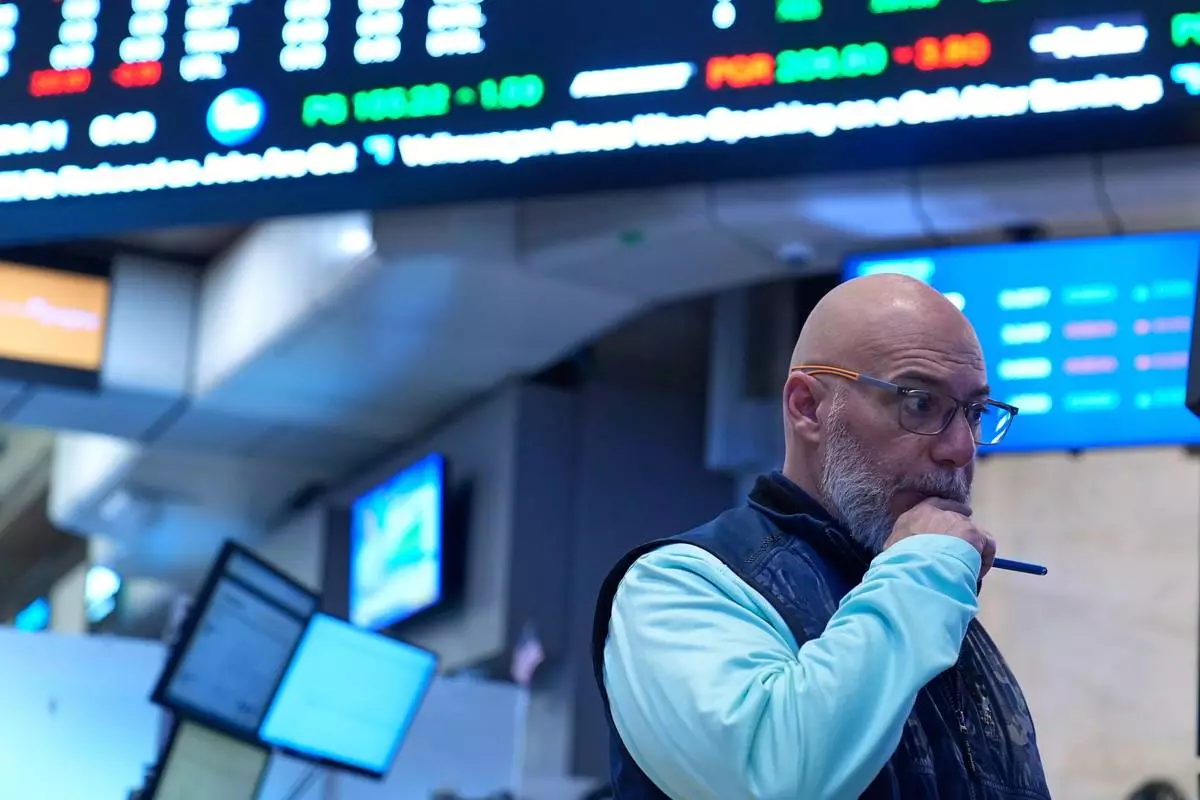
Gregg Maloney works on the floor at the New York Stock Exchange in New York, Tuesday, March 10, 2026. (AP Photo/Seth Wenig)

Gregg Maloney works on the floor at the New York Stock Exchange in New York, Tuesday, March 10, 2026. (AP Photo/Seth Wenig)

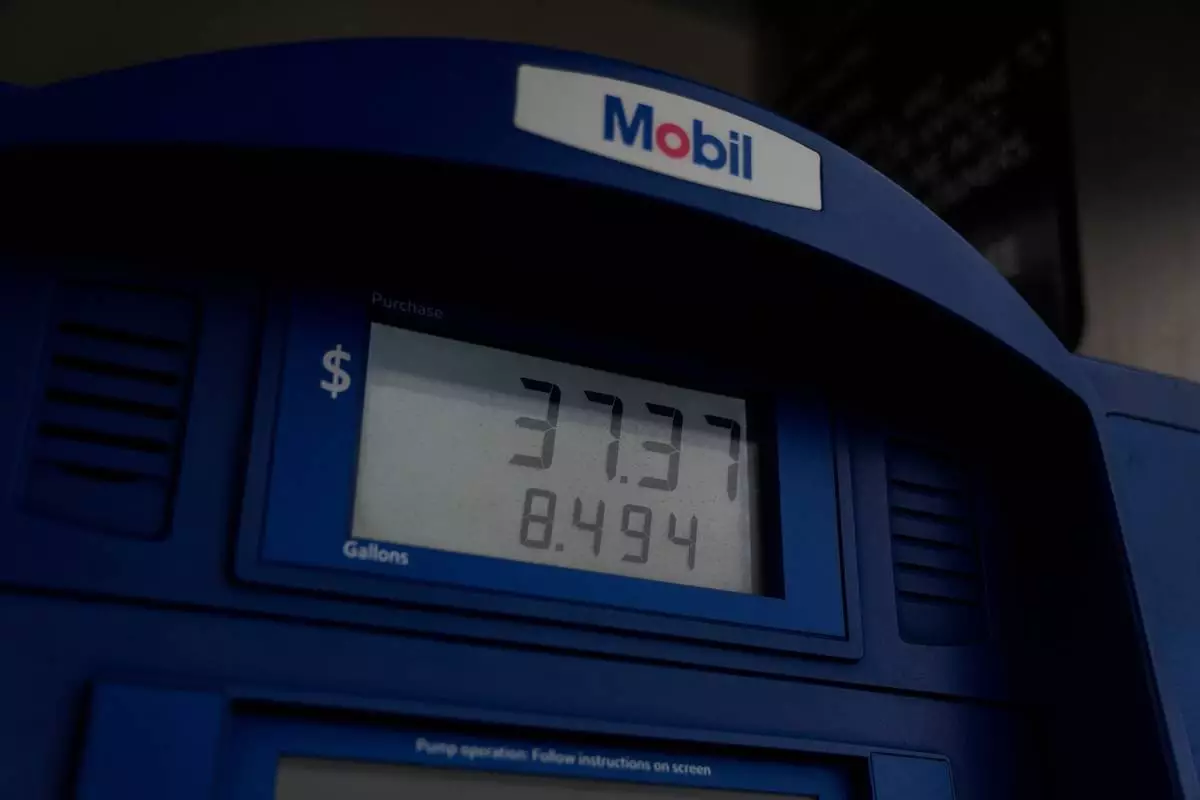
Gas prices are displayed at a station Wednesday, March 11, 2026, in Evanston Ill. (AP Photo/Erin Hooley)

Gas prices are displayed at a station Wednesday, March 11, 2026, in Evanston Ill. (AP Photo/Erin Hooley)

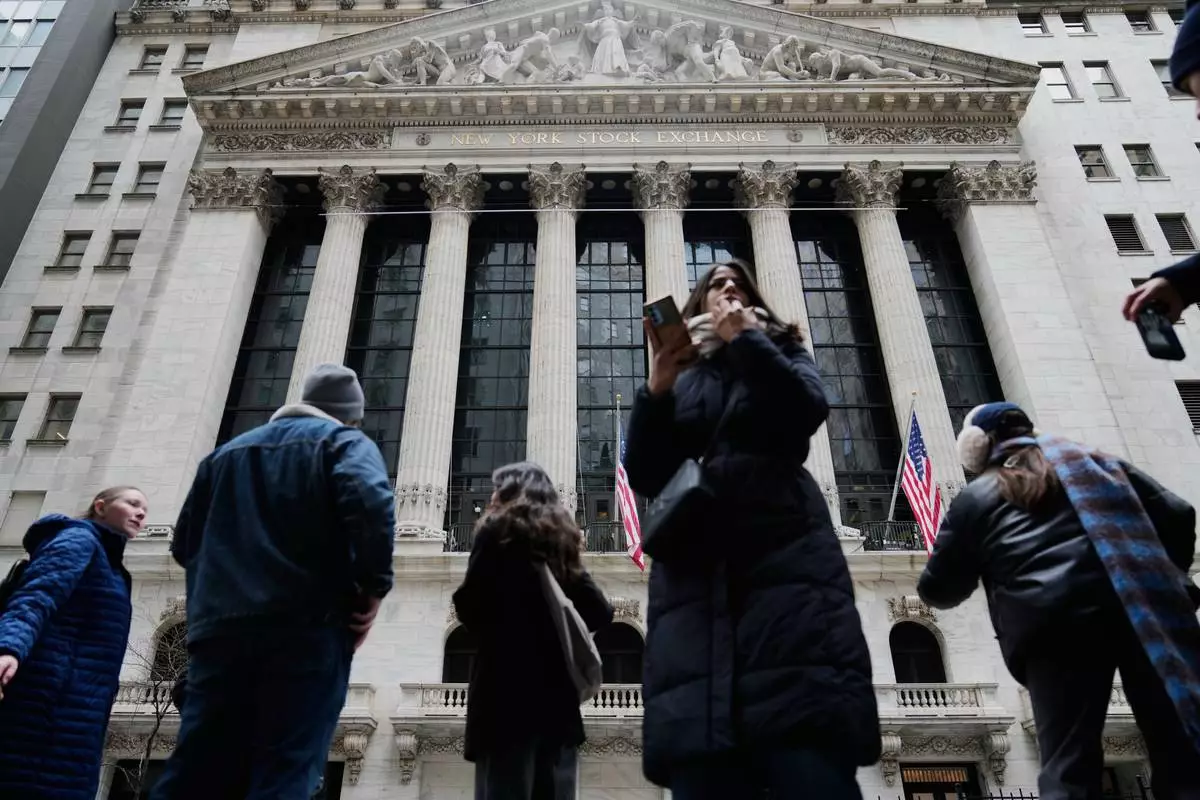
Pedestrians mill about outside the New York Stock Exchange in New York, Friday, March 6, 2026. (AP Photo/Seth Wenig)

Pedestrians mill about outside the New York Stock Exchange in New York, Friday, March 6, 2026. (AP Photo/Seth Wenig)

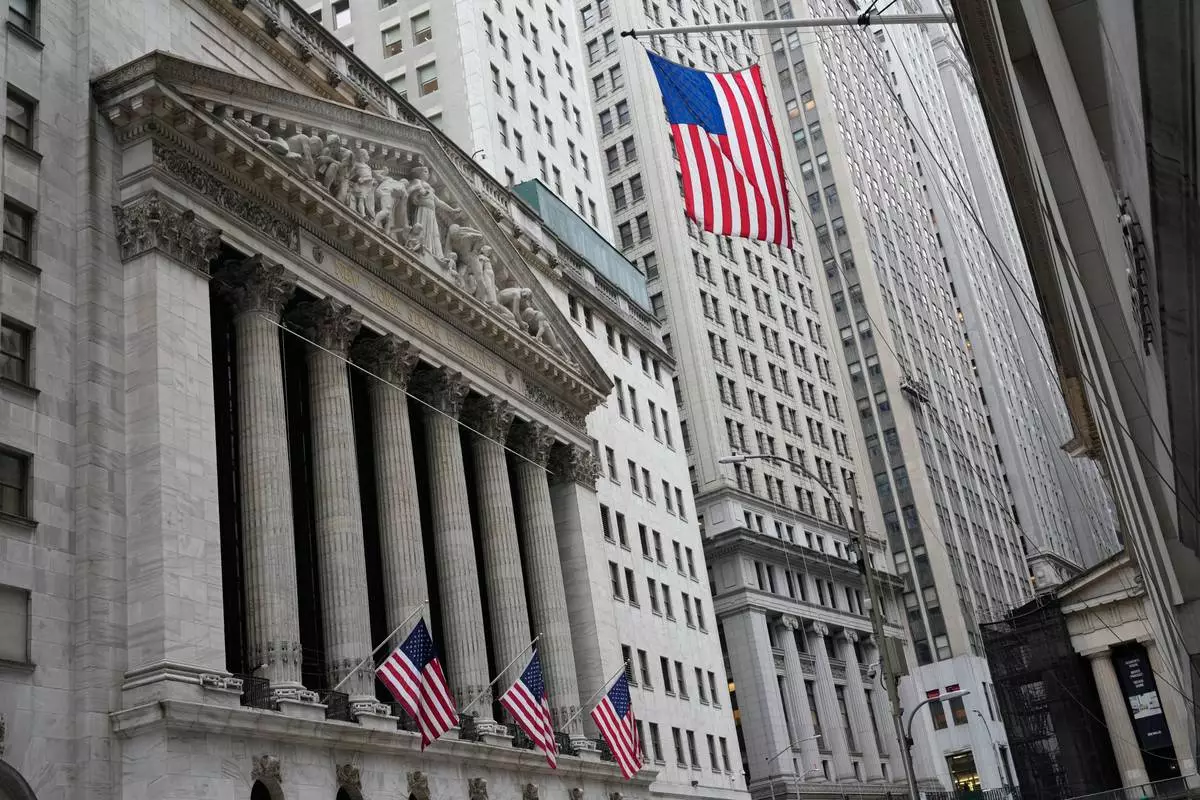
The New York Stock Exchange is seen in New York, Friday, March 6, 2026. (AP Photo/Seth Wenig)

The New York Stock Exchange is seen in New York, Friday, March 6, 2026. (AP Photo/Seth Wenig)

Traders work on the floor at the New York Stock Exchange in New York, Tuesday, March 10, 2026. (AP Photo/Seth Wenig)

Traders work on the floor at the New York Stock Exchange in New York, Tuesday, March 10, 2026. (AP Photo/Seth Wenig)

Recommended Articles