Skip to Content Facebook Feature Image

US eases some Russian oil sanctions but crude prices stay high

News

US eases some Russian oil sanctions but crude prices stay high
News

News

US eases some Russian oil sanctions but crude prices stay high

2026-03-14 06:24 Last Updated At:12:54

The U.S. is temporarily easing some sanctions on Russian oil shipments, reflecting global concerns over sharply higher crude prices due to supply shortages stemming from the Iran war.

The move, intended to soothe jittery markets over the disruption of Middle Eastern oil and gas supplies, underlines how the war has boosted Moscow's ability to profit from its energy exports, a pillar of the Kremlin’s budget as it presses its invasion of Ukraine.

More Images
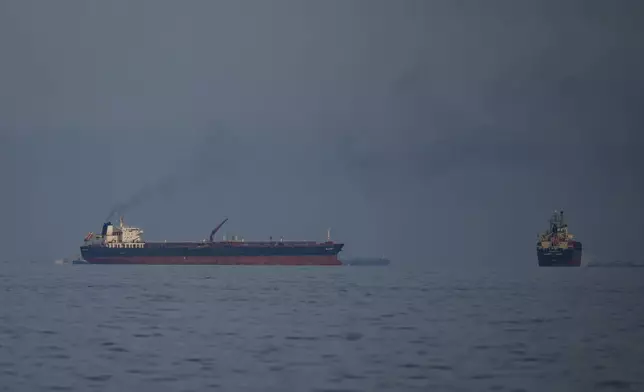
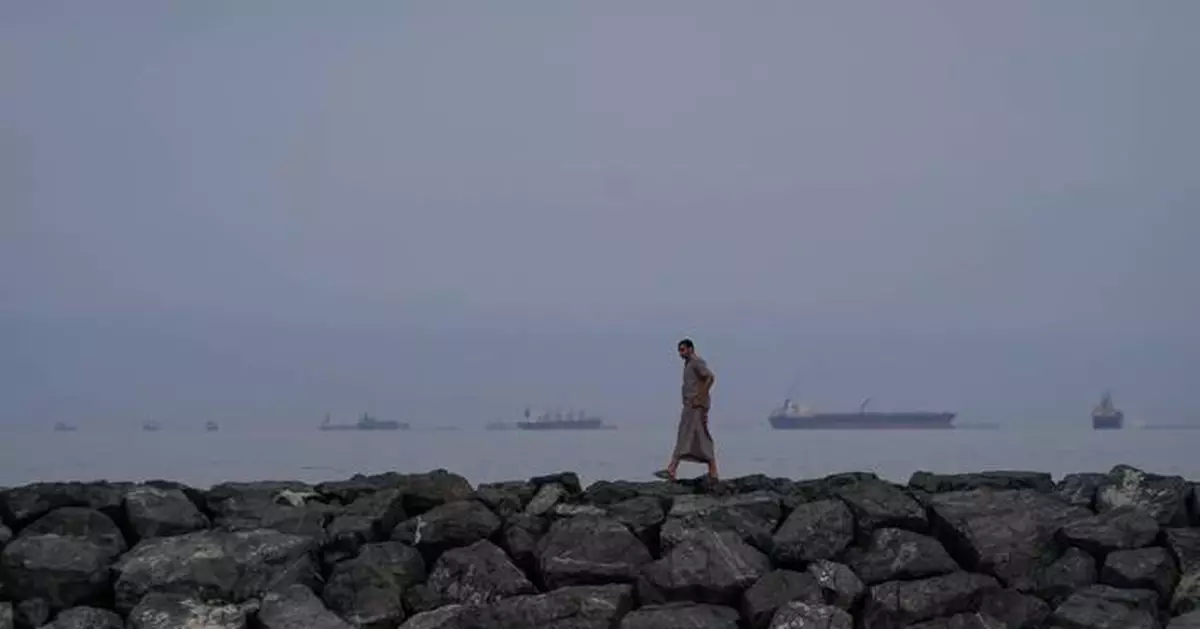
Oil tankers and cargo ships line up in the Strait of Hormuz as seen from Khor Fakkan, United Arab Emirates, Wednesday, March 11, 2026. (AP Photo/Altaf Qadri)
Oil tankers and cargo ships line up in the Strait of Hormuz as seen from Khor Fakkan, United Arab Emirates, Wednesday, March 11, 2026. (AP Photo/Altaf Qadri)

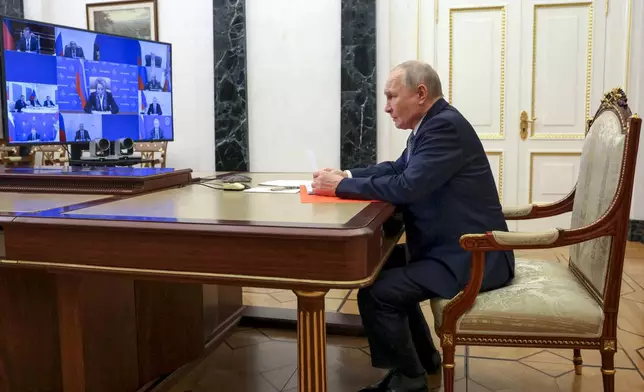
Russian President Vladimir Putin chairs a meeting with members of the Security Council via videoconference at the Kremlin in Moscow, Russia, Friday, March 13, 2026. (Gavriil Grigorov, Sputnik, Kremlin Pool Photo via AP)
Russian President Vladimir Putin chairs a meeting with members of the Security Council via videoconference at the Kremlin in Moscow, Russia, Friday, March 13, 2026. (Gavriil Grigorov, Sputnik, Kremlin Pool Photo via AP)

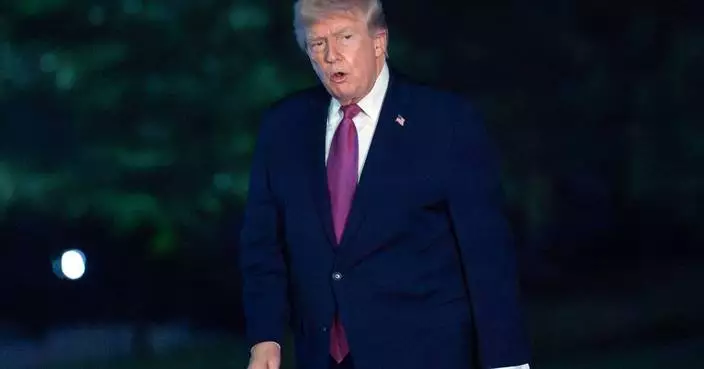
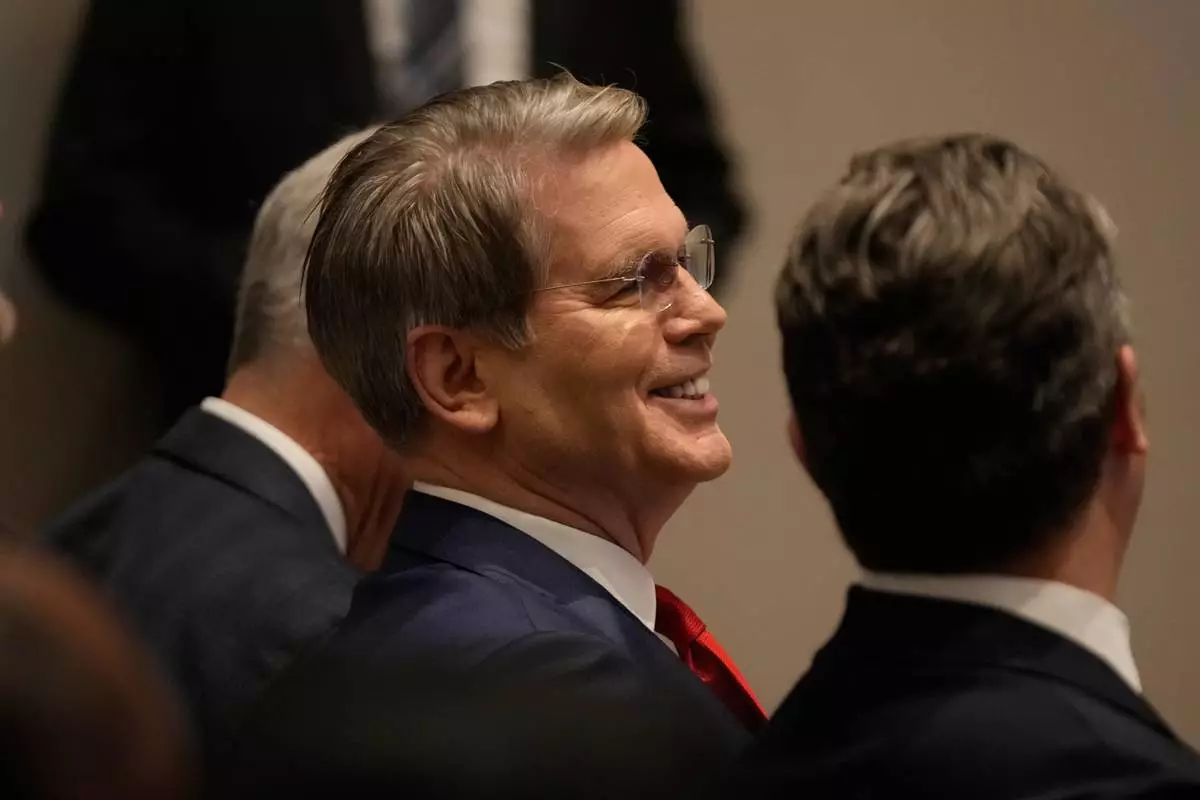
Treasury Secretary Scott Bessent, left, sits next to Defense Secretary Pete Hegseth as President Donald Trump speaks at the Shield of the Americas Summit, Saturday, March 7, 2026, at Trump National Doral Miami in Doral, Fla.(AP Photo/Mark Schiefelbein)
Treasury Secretary Scott Bessent, left, sits next to Defense Secretary Pete Hegseth as President Donald Trump speaks at the Shield of the Americas Summit, Saturday, March 7, 2026, at Trump National Doral Miami in Doral, Fla.(AP Photo/Mark Schiefelbein)

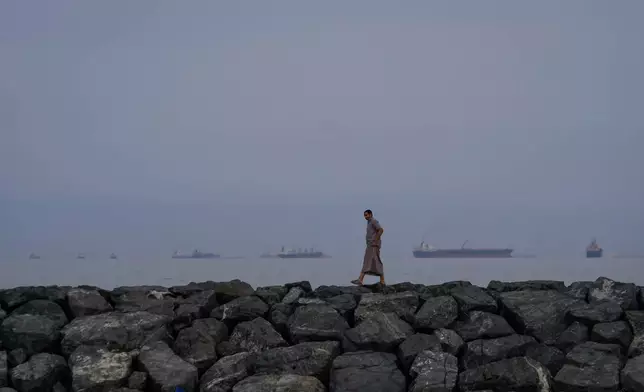
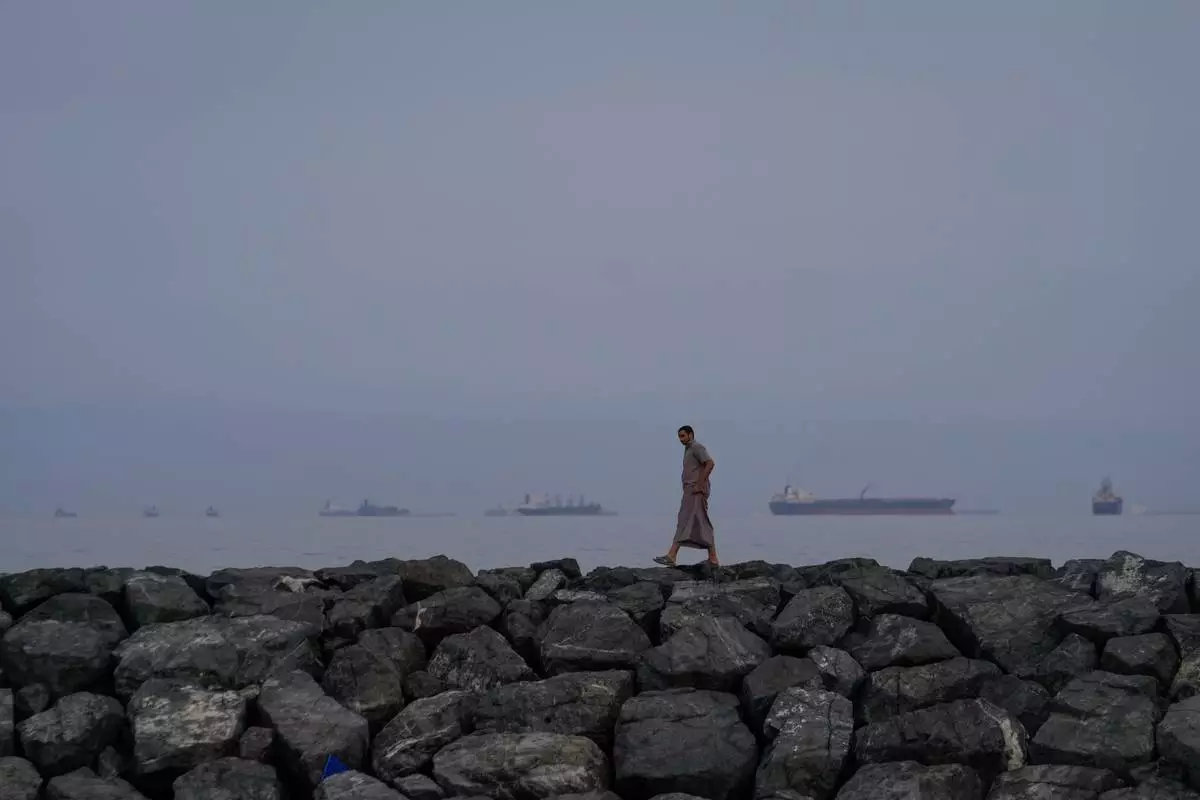
FILE - A man walks along the shore as oil tankers and cargo ships line up in the Strait of Hormuz, as seen from Khor Fakkan, United Arab Emirates, Wednesday, March 11, 2026. (AP Photo/Altaf Qadri, file)

FILE - A man walks along the shore as oil tankers and cargo ships line up in the Strait of Hormuz, as seen from Khor Fakkan, United Arab Emirates, Wednesday, March 11, 2026. (AP Photo/Altaf Qadri, file)

U.S. sanctions will not apply for 30 days on deliveries of Russian oil that's been loaded on tankers as of Thursday, U.S. Treasury Secretary Scott Bessent said on X. That would give reluctant purchasers a green light to take the oil without worrying that they will run afoul of U.S. sanctions rules.

The Trump administration earlier had granted a 30-day reprieve to refineries in India.

Bessent said the “narrowly tailored, short-term measure” was part of President Donald Trump's “decisive steps to promote stability in global energy markets” and to “keep prices low."

Allowing the sale of stranded Russian oil would provide no additional financial benefit for the Russian government because the Kremlin already taxed the oil when it was extracted from the ground, Bessent said. Washington has sanctioned Russia's two biggest oil companies, Lukoil and Rosneft, as part of efforts to end the fighting in Ukraine. Except for the 30-day reprieve for floating oil, those sanctions remain in place.

Kremlin spokesman Dmitry Peskov said Friday the move will help stabilize global energy markets, adding it was impossible to do so "without significant volumes of Russian oil.”

But Ukrainian President Volodymyr Zelenskyy said the action “does not help peace.”

“This easing alone by the United States could provide Russia with about $10 billion for the war,” Zelenskyy said. “It spends the money from energy sales on weapons, and all of this is then used against us.”

The price of international benchmark Brent crude eased after the announcement but soon rose again, breaking through $100 to trade at $103.24 per barrel as of 1800 GMT (2 p.m. EDT) Friday. That is still well above $72.87, where Brent traded on Feb. 27, the eve of the war.

The fighting has choked off most tanker transport through the Strait of Hormuz at the mouth of the Persian Gulf, through which 20% of the world's oil supply typically passes. That has dealt a massive energy shock to the global economy and threatened increased inflation around the world.

“In the short term this slightly increases available supply on the global market, which helps contain the current spike in oil prices,” said Simone Tagliapietra, an energy expert at the Bruegel think tank in Brussels. “The impact on prices should therefore be modestly downward, or at least stabilizing.”

Analysts estimate about 125 million barrels of Russian oil are currently being shipped. That equals five or six days' worth of normal shipments through the Strait of Hormuz, or a bit over one day's worth of global consumption of about 101 million barrels per day.

After President Vladimir Putin ordered his full-scale invasion of Ukraine in 2022, the European Union — once Moscow's biggest customer — stopped taking Russian oil, and many Western customers also shunned it.

Instead, the oil flowed to China and India, where it sold for a discount due to efforts by the U.S., the EU and Kyiv's other allies to impose a price cap on Russian oil that was enforced through shipping and insurance companies.

Over time, Russia was able to dodge the cap by lining up a fleet of used tankers with obscure ownership and insurance based in countries that weren't observing the cap.

Along with the sanctions on Lukoil and Rosneft, Ukraine's allies penalized more and more of the individual vessels in Russia's “shadow fleet.” Customers in China and India started demanding even bigger discounts to compensate for the risk of running afoul of sanctions, for the hassle of concealing the origin of the oil, or for finding workarounds that skirted banks reluctant to handle payments for sanctioned oil.

In December, Russia's Urals blend traded under $40 per barrel, some $25 below Brent. That slashed the Kremlin's oil revenues to their lowest levels since the invasion. Oil and gas exports typically supply 20% to 30% of the federal budget.

Russian oil has risen along with oil prices generally and now trades at over $80 per barrel — a boost to its financial fortunes if disruptions continue in the Strait of Hormuz and keep prices high while refineries in Asia need to replace supplies no longer available from the Middle East.

Russia’s daily revenue from oil sales during the Iran war has been on average 14% higher than in February, according to the nonprofit Centre for Research on Energy and Clean Air. Russia has been earning 510 million euros ($588 million) every day this month from oil and liquefied natural gas exports, according to Isaac Levi of the CREA.

But there's still a big discount to Brent due to sanctions. The latest U.S. move “likely narrows the Urals discount somewhat" by reducing sanctions risk, Tagliapietra said. But since it's limited, the U.S. move "does not fundamentally change the structure of longer-term Russian oil flows or sanctions pressure.”

Former Russian Central Bank official Sergei Aleksashenko said the move “will not be a very significant boost” to the Russian budget because the oil was going to find buyers anyway -- especially given the disruptions to the Strait of Hormuz.

The Trump administration may not have been ready for such a dramatic spike or for a prolonged war, said Aleksashenko, head of economics at the NEST Centre, founded by exiled Russian tycoon and opposition figure Mikhail Khodorkovsky.

Now that gasoline prices in the U.S. have risen along with oil, “the president should say something, that 'I'm dealing with the problem,'" he said. That includes the break for India and the release along with other countries of 400 million barrels of strategic oil reserves.

“In my view it's more rhetoric and perception," he said.

German Chancellor Friedrich Merz said leaders of the Group of Seven democracies discussed Russian oil with Trump this week and that “six members expressed a very clear view that this is not the right signal to send.”

—-

Kostya Manenko in Tallinn, Estonia, and Kwiyeon Ha in London contributed.
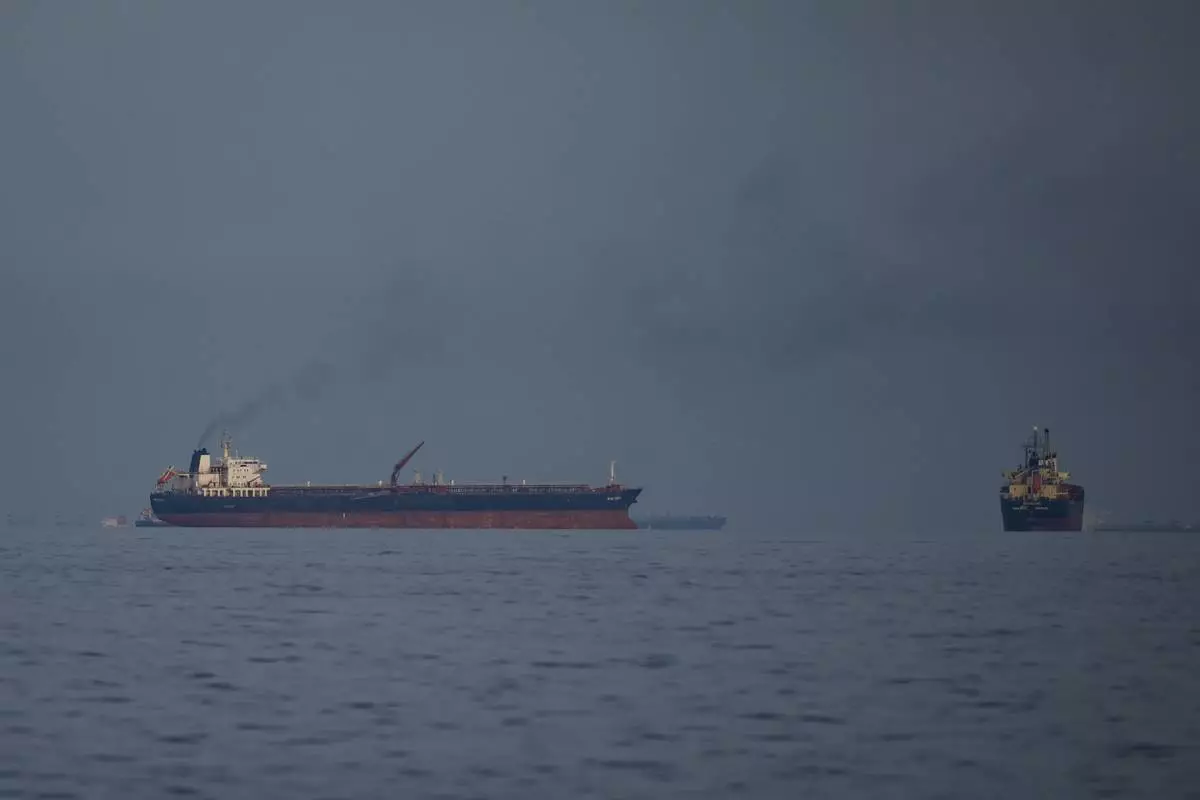
Oil tankers and cargo ships line up in the Strait of Hormuz as seen from Khor Fakkan, United Arab Emirates, Wednesday, March 11, 2026. (AP Photo/Altaf Qadri)
Oil tankers and cargo ships line up in the Strait of Hormuz as seen from Khor Fakkan, United Arab Emirates, Wednesday, March 11, 2026. (AP Photo/Altaf Qadri)

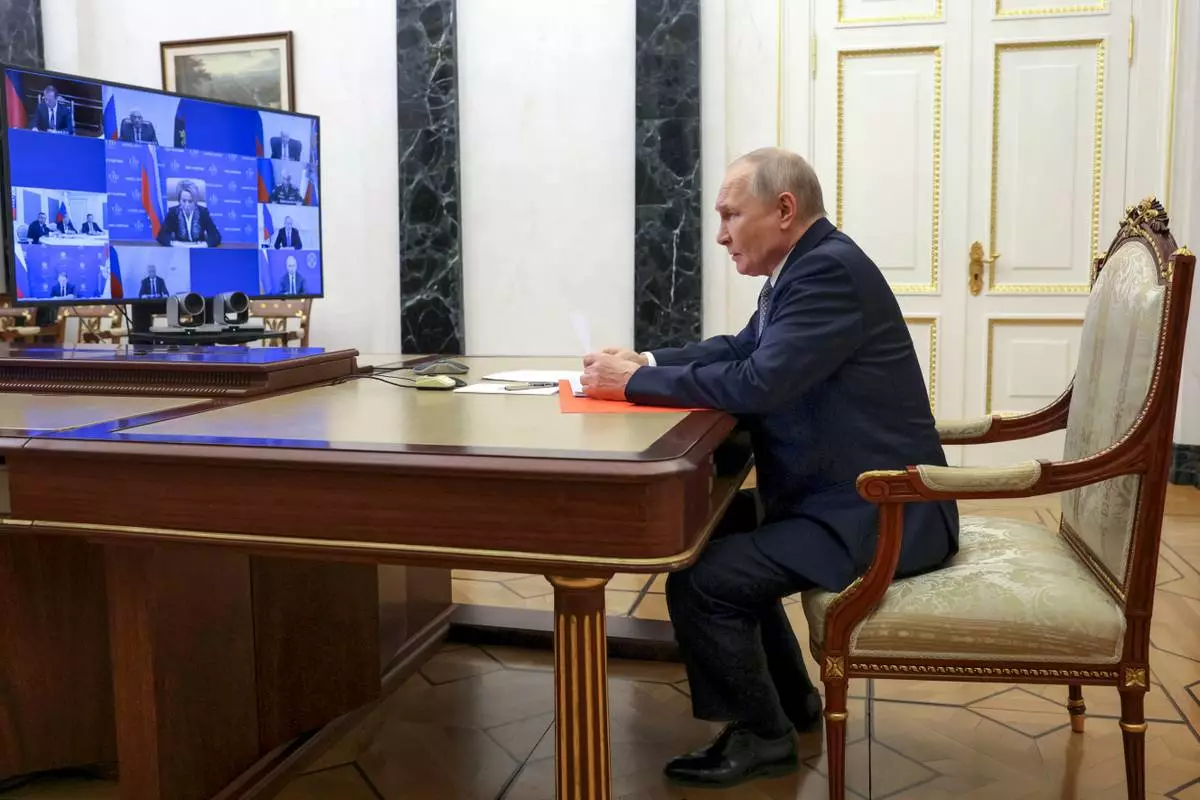
Russian President Vladimir Putin chairs a meeting with members of the Security Council via videoconference at the Kremlin in Moscow, Russia, Friday, March 13, 2026. (Gavriil Grigorov, Sputnik, Kremlin Pool Photo via AP)
Russian President Vladimir Putin chairs a meeting with members of the Security Council via videoconference at the Kremlin in Moscow, Russia, Friday, March 13, 2026. (Gavriil Grigorov, Sputnik, Kremlin Pool Photo via AP)

Treasury Secretary Scott Bessent, left, sits next to Defense Secretary Pete Hegseth as President Donald Trump speaks at the Shield of the Americas Summit, Saturday, March 7, 2026, at Trump National Doral Miami in Doral, Fla.(AP Photo/Mark Schiefelbein)
Treasury Secretary Scott Bessent, left, sits next to Defense Secretary Pete Hegseth as President Donald Trump speaks at the Shield of the Americas Summit, Saturday, March 7, 2026, at Trump National Doral Miami in Doral, Fla.(AP Photo/Mark Schiefelbein)

FILE - A man walks along the shore as oil tankers and cargo ships line up in the Strait of Hormuz, as seen from Khor Fakkan, United Arab Emirates, Wednesday, March 11, 2026. (AP Photo/Altaf Qadri, file)
FILE - A man walks along the shore as oil tankers and cargo ships line up in the Strait of Hormuz, as seen from Khor Fakkan, United Arab Emirates, Wednesday, March 11, 2026. (AP Photo/Altaf Qadri, file)
DUBAI, United Arab Emirates (AP) — The United States is warning shipping companies that they could face sanctions for making payments to Iran to safely pass through the Strait of Hormuz.

The alert posted Friday by the U.S. Office of Foreign Assets Control adds another layer of pressure in the standoff between the U.S. and Iran over control of the Strait of Hormuz.

About a fifth of the world's trade in oil and natural gas typically passes through the strait at the mouth of the Persian Gulf in peacetime.

Iran effectively closed the strait to normal traffic by attacking and threatening to attack ships after the U.S. and Israel launched a war on Feb. 28. It later began offering some ships safe passage by detouring them through alternate routes closer to its shoreline, charging fees at times for the service.

That “tollbooth” effort is the focus of the U.S. sanctions warning.

The payment demands could include transfers not only in cash but also “digital assets, offsets, informal swaps, or other in-kind payments,” including charitable donations and payments at Iranian embassies, OFAC said.

“OFAC is issuing this alert to warn U.S. and non-U.S. persons about the sanctions risks of making these payments to, or soliciting guarantees from, the Iranian regime for safe passage. These risks exist regardless of payment method,” it said.

The U.S. responded to Iran's closure of the strait with a naval blockade of its own on April 13, preventing any Iranian tankers from leaving and depriving Iran of oil revenue it needs to shore up its ailing economy.

The U.S. Central Command said 45 commercial ships have been told to turn around since the blockade began.

The warning came as U.S. President Donald Trump swiftly rejected Iran’s latest proposal to end the war between the countries.

“They want to make a deal, I’m not satisfied with it, so we’ll see what happens,” Trump said Friday at the White House. He didn't elaborate on what he saw as its shortcomings but expressed frustration with the Iranian leadership.

“It’s a very disjointed leadership,” Trump said. “They all want to make a deal, but they’re all messed up.”

Iran’s state-run IRNA news agency reported Iran handed over its plan to mediators in Pakistan on Thursday night.

The shaky three-week ceasefire between the U.S. and Iran appears to be holding, though both countries have traded accusations of violations. The standoff is increasingly putting pressure on the global economy, driving up prices and leading to shortages of fuel and other products tied to the oil industry.

Negotiations continued by phone after Trump called off his envoys’ trip to Pakistan last week, the president said. Trump this week floated a new plan to reopen the critical passageway used by America’s Gulf allies to export their oil and gas.

Iranian Foreign Minister Abbas Araghchi has briefed many of his regional counterparts on the country's initiatives to end the war, according to his social media. He also held talks Friday with European Union foreign policy chief Kaja Kallas, who is in contact with the EU’s Gulf partners.

Iran on Saturday said it hanged two men convicted of spying for Israel.

The Iranian judiciary's news outlet, Mizanonline, identified the men as Yaghoub Karimpour and Nasser Bekrzadeh. It said they were hanged after the country’s Supreme Court upheld earlier death sentences.

The news outlet said Karimpour was accused of sending “sensitive information” to an officer in Israel's Mossad intelligence agency, while Bekrzadeh was alleged to have sent details about government and religious leaders as well as information about Natanz. The central Iranian city is home to a nuclear enrichment facility bombed by Israel and the U.S. last year.

Iran has hanged more than a dozen people over alleged espionage and terrorist activities in recent weeks.

Fu Cong, the Chinese ambassador to the United Nations, said Friday that maintaining the ceasefire is “the most urgent issue,” as well as bringing together the sides to resume good faith negotiations “to make sure that the ground is laid for reopening of Hormuz.”

Foreign Minister Wang Yi “has been on the phone almost constantly” with representatives from all sides, Fu said, adding that China supports Pakistan’s efforts to mediate between the parties.

Fu stressed the root cause of the tremendous suffering in Iran and neighboring countries and the growing turmoil in the global economy, especially in developing countries, “is the illegitimate war by the U.S. and Israel.”

Associated Press writers Collin Binkley in Washington, Nasser Karimi in Tehran and Edith Lederer at the U.N. contributed to this report

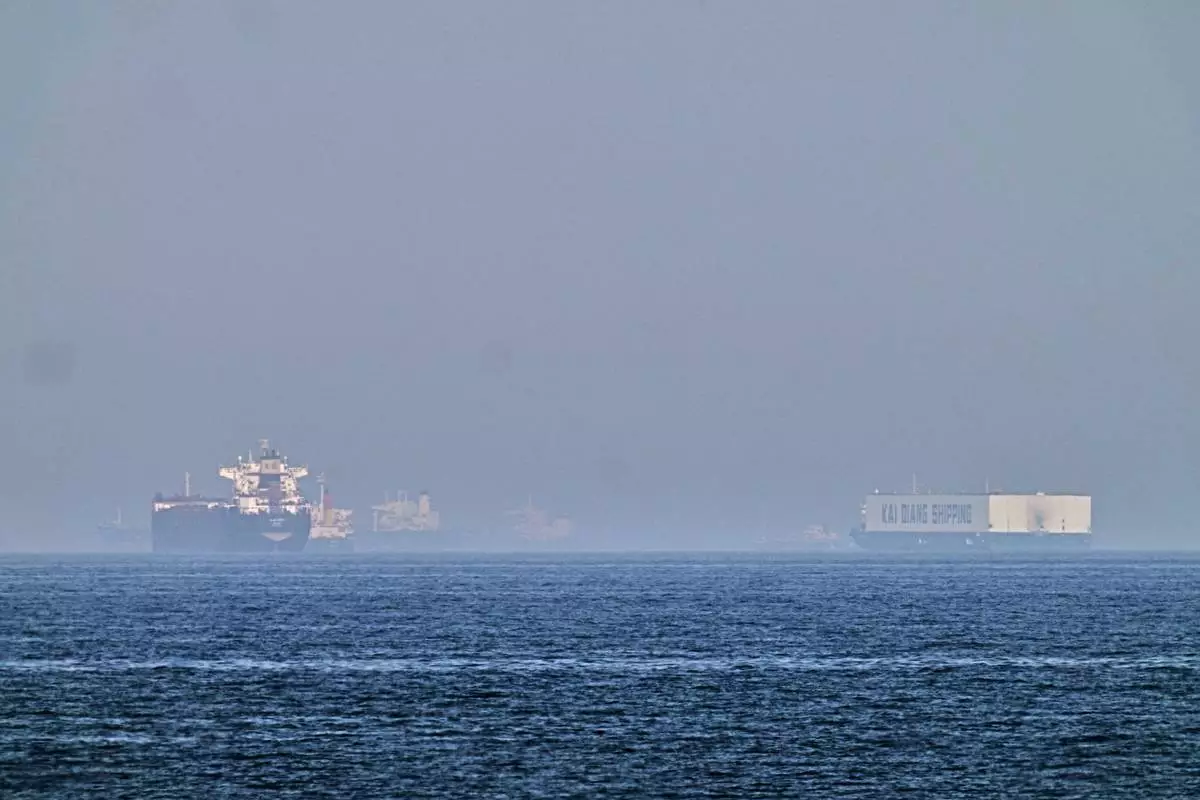
A tanker, left, and a car carrier are anchored at sea in the Gulf of Oman near the Strait of Hormuz, as seen from the coast near Khor Fakkan, United Arab Emirates, Friday, May 1, 2026.(AP Photo/Fatima Shbair)

A tanker, left, and a car carrier are anchored at sea in the Gulf of Oman near the Strait of Hormuz, as seen from the coast near Khor Fakkan, United Arab Emirates, Friday, May 1, 2026.(AP Photo/Fatima Shbair)

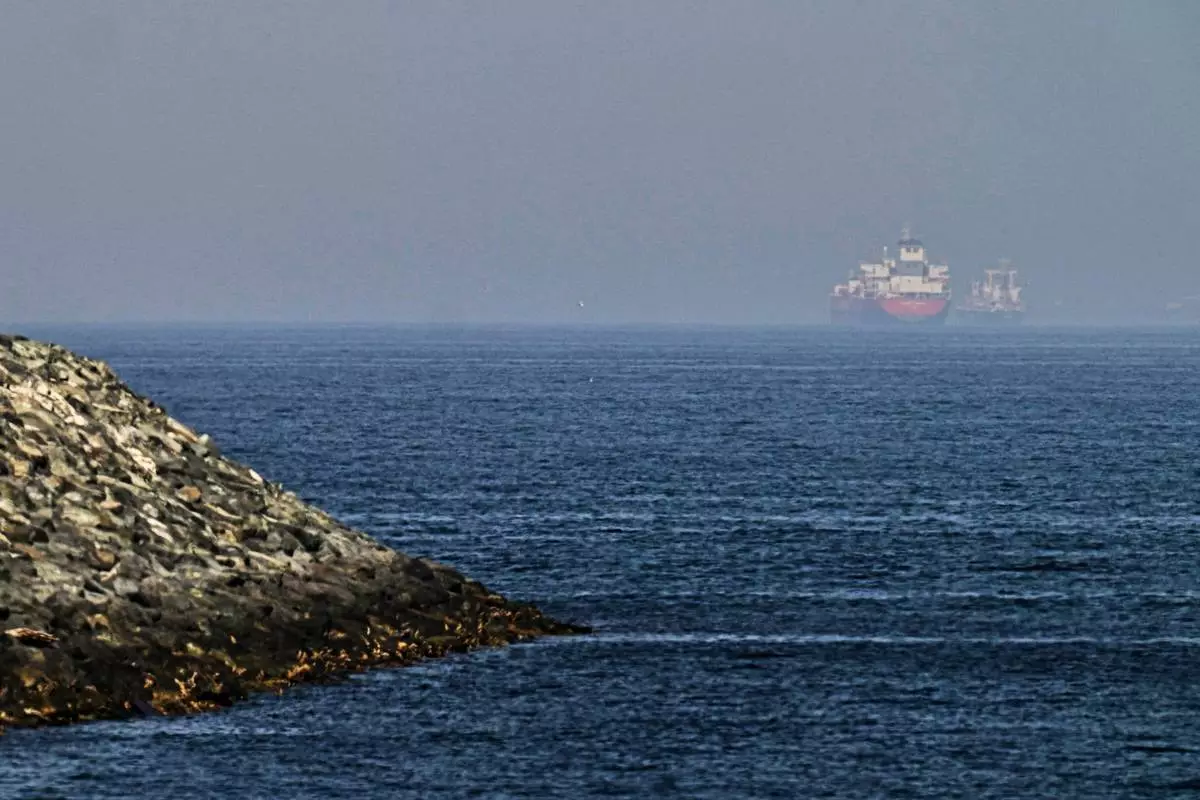
Cargo ships are seen at sea near the Strait of Hormuz, as viewed from a rocky shoreline near Khor Fakkan, United Arab Emirates, Friday, May 1, 2026. (AP Photo/Fatima Shbair)

Cargo ships are seen at sea near the Strait of Hormuz, as viewed from a rocky shoreline near Khor Fakkan, United Arab Emirates, Friday, May 1, 2026. (AP Photo/Fatima Shbair)

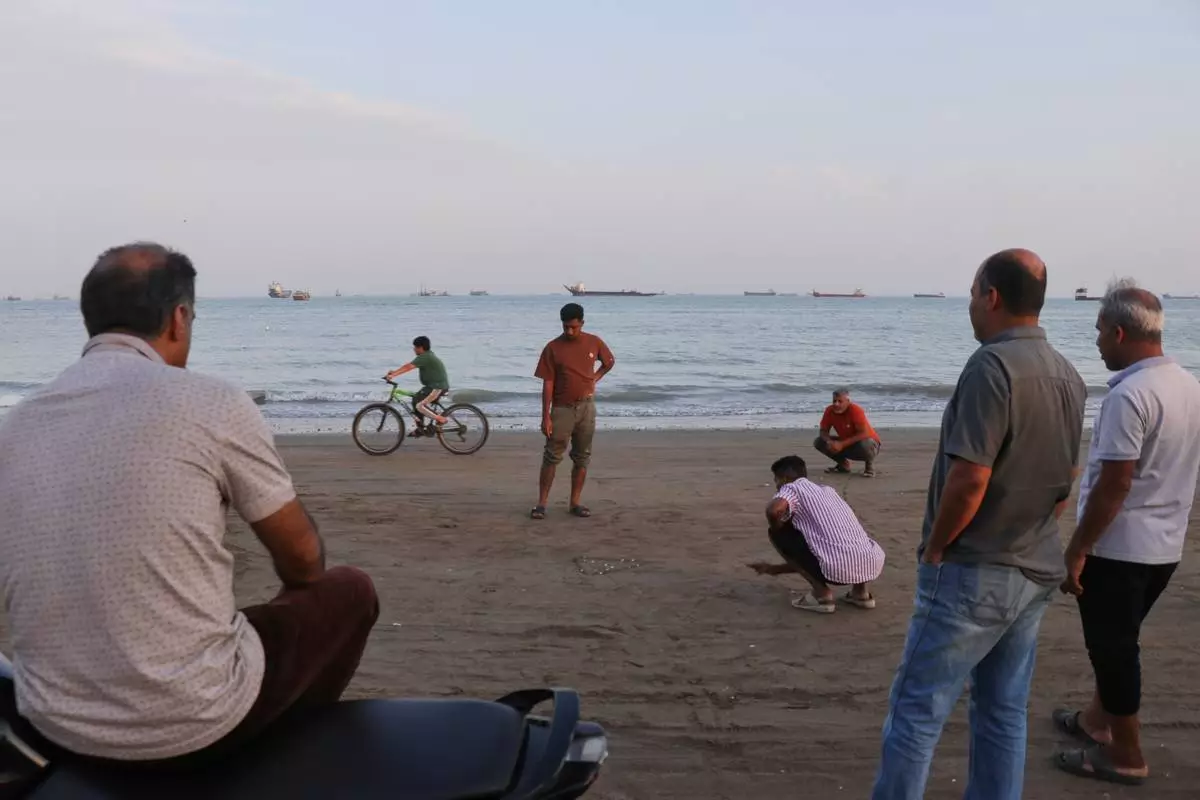
Men gather along the shore, some crouching and watching a game, as a mix of bulk carriers, cargo ships, and service vessels line the horizon in the Strait of Hormuz off Bandar Abbas, Iran, Monday, April 27, 2026.(Razieh Poudat/ISNA via AP)

Men gather along the shore, some crouching and watching a game, as a mix of bulk carriers, cargo ships, and service vessels line the horizon in the Strait of Hormuz off Bandar Abbas, Iran, Monday, April 27, 2026.(Razieh Poudat/ISNA via AP)

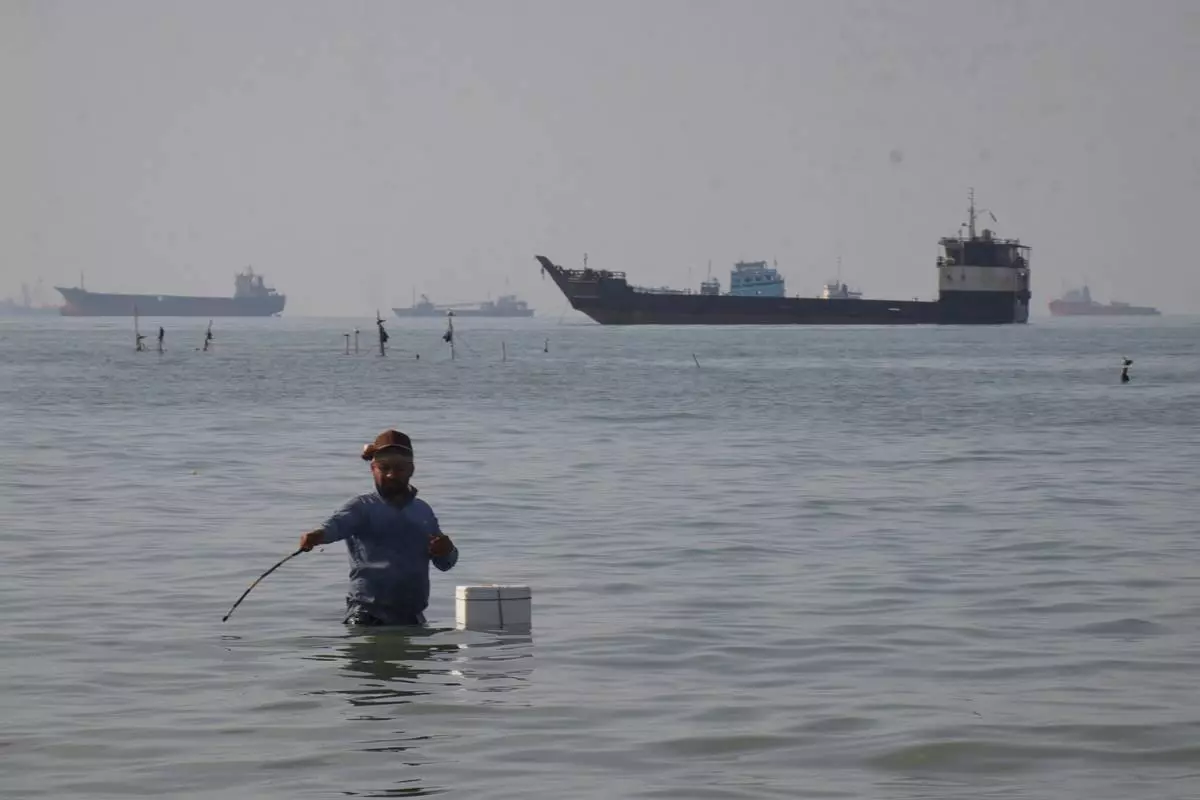
A man stands in the water, appearing to fish, as bulk carriers, cargo ships, and service vessels line the horizon in the Strait of Hormuz off Bandar Abbas, Iran, Monday, April 27, 2026.(Razieh Poudat/ISNA via AP)

A man stands in the water, appearing to fish, as bulk carriers, cargo ships, and service vessels line the horizon in the Strait of Hormuz off Bandar Abbas, Iran, Monday, April 27, 2026.(Razieh Poudat/ISNA via AP)

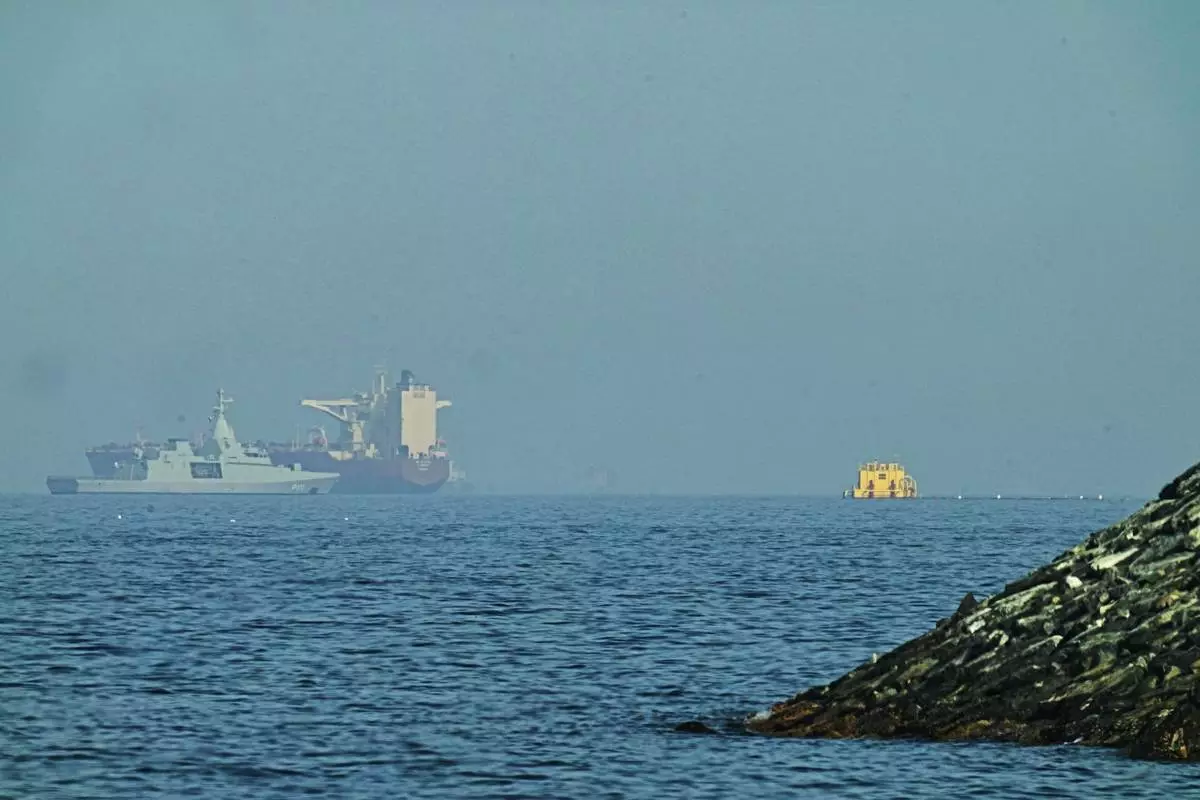
An Emirati patrol boat, left, is near a tanker anchored in the Gulf of Oman near the Strait of Hormuz, as seen from a coastal road near Khor Fakkan, United Arab Emirates, Friday, May 1, 2026. (AP Photo/Fatima Shbair)

An Emirati patrol boat, left, is near a tanker anchored in the Gulf of Oman near the Strait of Hormuz, as seen from a coastal road near Khor Fakkan, United Arab Emirates, Friday, May 1, 2026. (AP Photo/Fatima Shbair)

Recommended Articles