An old factory compound in Quanzhou City of east China's Fujian Province has been transformed into a popular art zone, attracting tourists seeking enjoyable activities and leisurely experiences.
The Yuanhe 1916 art zone, redeveloped from the original factory compound site, now blends various business formats such as culture and art, creative design, and tourism and leisure.
On weekends and holidays, the art zone buzzes with tourists who enjoy strolling through the streets, photographing the historic buildings, exploring trendy products in cultural and creative shops, and relaxing in cafes.
"I find this place incredibly creative and beautiful. These were once abandoned factories, but the murals on the exterior walls have given them a completely new look," said Zhao Dongmao, a tourist.
"Its architecture and style are quite unique, and there are a wide range of activities to enjoy," said Zhang Shanhong, another tourist.
The renovation of the art zone is structured in four phases, with an expanded theme park completed and opened to the public earlier this year.
Currently, the art zone accommodates over 200 companies, combining elements of culture and art, creative design, tourism and leisure, and technology incubation, with cultural and creative enterprises accounting for two-thirds of the total.
"We have preserved some original architectural features, so that tourists can experience both the original old buildings and the new modern additions," said Fu Yuqi, deputy general manager of the art zone.
During this year's Spring Festival holiday, the art zone attracted 44,000 visitors, an increase of more than 83 percent from the same period last year.
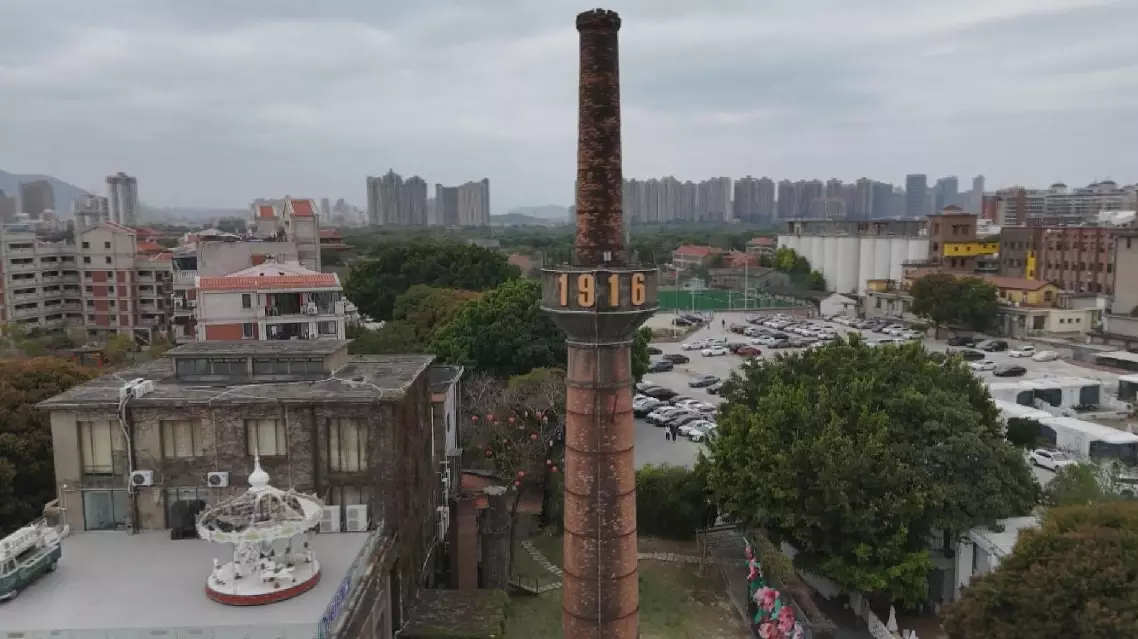
Old factory compound in east China city turns into popular art zone
China’s transport authorities mobilized rail, road, air and waterway resources on Tuesday, the final day of the five‑day May Day holiday, to manage the peak return flow as passenger volumes surged nationwide.
The national railway system expects 23 million passenger trips on the day, with operators adding 2,225 extra trains and deploying capacity on popular routes and peak hours to handle the return flow from smaller cities to major hubs.
In Zhengzhou, central China's Henan Province, 134 trains have been temporarily added for high-demand directions including the Beijing-Tianjin-Hebei region, the Yangtze River Delta, and the Guangdong-Hong Kong-Macao Greater Bay Area.
"Railway return travel peaks today. In light of short stops and high passenger volumes, we have strengthened coordination with intermediate stations and offered guidance to passengers for smooth boarding and alighting to prevent crowding and stampedes," said Ji Yudi, a conductor of China Railway Zhengzhou Group.
Regional operators in Beijing, Chengdu and other cities have also proactively coordinated with local transit authorities to extend bus and subway operating hours, increase nighttime service frequency, and boost taxi and ride-hailing availability to ensure seamless transfers for late-arriving passengers.
With respect to highways, the national highway network is projected to record approximately 61 million vehicle trips on Tuesday. The peak traffic window is between 16:00 and 18:00, with congestion and slow-moving traffic likely around major city entry and exit points, as well as airport expressways in major cities like Beijing, Shanghai, Guangzhou and Chengdu.
To ease holiday congestion, traffic police in south China's Guangdong Province have rolled out tidal lanes and flow control measures at 24 key highway sections in nine cities.
"Using a highway interconnect system, we have conducted remote flow diversion. During this morning's peak return period, traffic efficiency on the Erenhot-Guangzhou Expressway improved significantly, showing no sign of congestion," said Dai Zhouwu, a local traffic police officer.
By water, an estimated 1.035 million passenger trips are expected to be made across the country on Tuesday, marking a 1.4-percent increase year on year.
To ensure smooth strait crossing from south China's Hainan Province, the maritime authorities in Zhanjiang City, south China's Guangdong Province have urged operators to supplement fixed sailings with extra voyages and optimized crew rotations to meet surging vessel demand.
Meanwhile, China's civil aviation sector is projected to carry 2.3 million passengers on Tuesday.
The Chengdu Shuangliu International Airport, one of the country's busiest airports in southwest China's Sichuan Province, are offering free luggage pick-up and delivering services to passengers arriving from Beijing, Shanghai, Guangzhou, and Shenzhen.
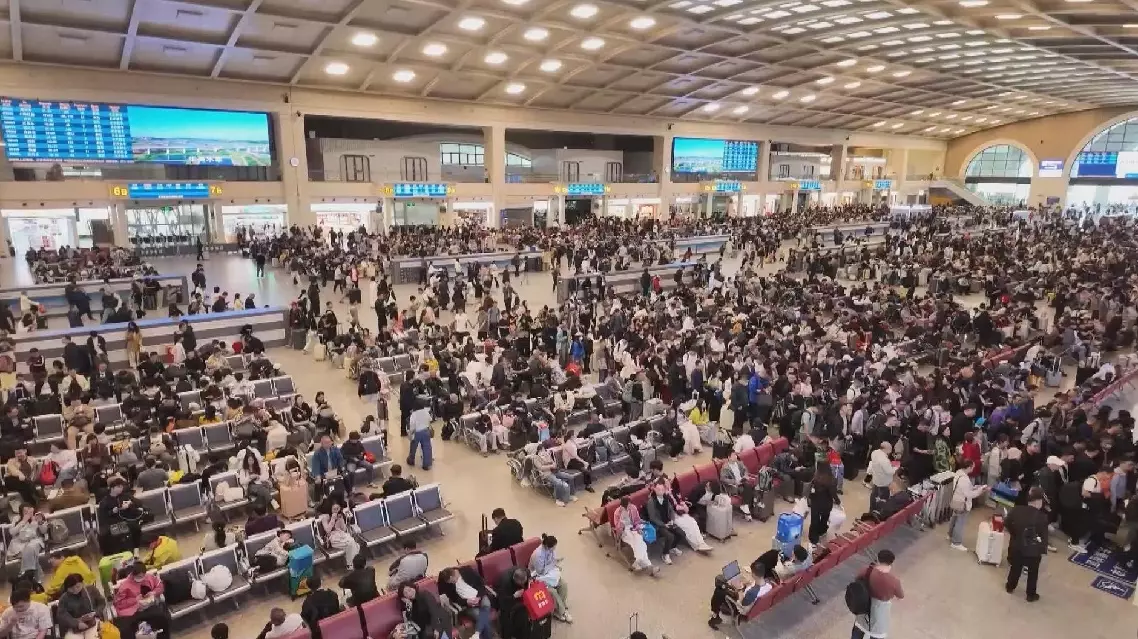
China’s transport network braces for record May Day return traffic