Global oil shipments are grinding to a halt as a blockade of the Strait of Hormuz traps millions of tons of tanker capacity in the Gulf after U.S. and Israeli strikes on Iran, warned George Ksiladakis, president of the Hellenic Shipping Finance Association of Greece.
Ksiladakis said the industry faces a mounting crisis, with millions of tons of tanker capacity stranded in the Gulf and shipping companies scrambling to redeploy vessels and secure alternative cargoes.
"At this very moment we have so many tankers, millions of tons of capacity in the gulf, these have to be deployed. Of course, the vessels that are inside now cannot move out. This is a big headache actually. Both the deployment and the finding of different cargo," he said.
Security risks in the Persian Gulf are driving shipping costs sharply higher. War risk insurance alone has spiked to as much as one million U.S. dollars per voyage, while soaring fuel prices are piling on further pressure. The squeeze is eroding profit margins and triggering knock‑on effects in ship financing and bank loans, leaving global supply chains under mounting strain
"Average increase of the hires and the charter rates is going to be something like between 30 to 60 percent in all different tankers. You cannot imagine how much money," he added.
Additionally, sailing in high-risk areas not only increases crew compensation due to safety risks, but also forces companies to prepare backup personnel in case of any emergencies, further driving up transportation costs.
The Greek expert also said that the soaring operating costs of shipping companies will ultimately be passed on to consumers. Only when tensions in the Persian Gulf ease can the shipping industry and global trade gradually return to normal.
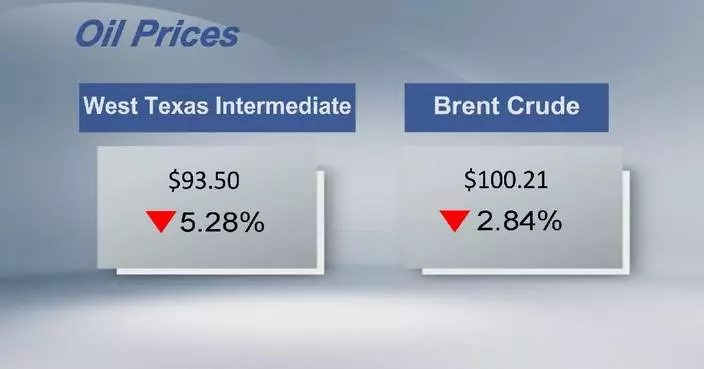
Since the United States and Israel launched large-scale military operations against Iran on Feb. 28, shipping through the Strait of Hormuz has been disrupted, sending international oil prices sharply higher.
The Strait of Hormuz is a strategic chokepoint through which roughly one-fifth of the world's oil passes. In his first message as Iran's supreme leader, Mojtaba Khamenei pledged to maintain leverage over the strait.
U.S. President Donald Trump said Monday the U.S. forces have sunk all the Iranian mine-laying ships but it remains unclear if Iran has started laying mines in the Strait of Hormuz. He also complained that U.S. allies were reluctant to answer his call to join a White House-proposed multinational mission to escort oil tankers through the Strait of Hormuz.
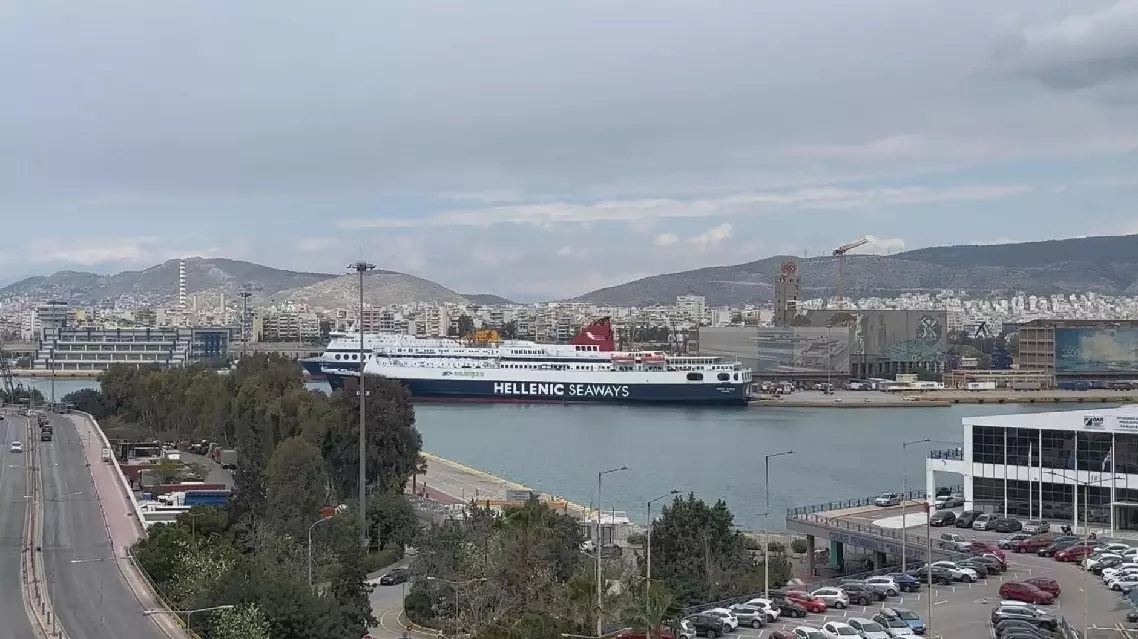
Greek expert warns Strait of Hormuz blockade paralyzes global oil shipments
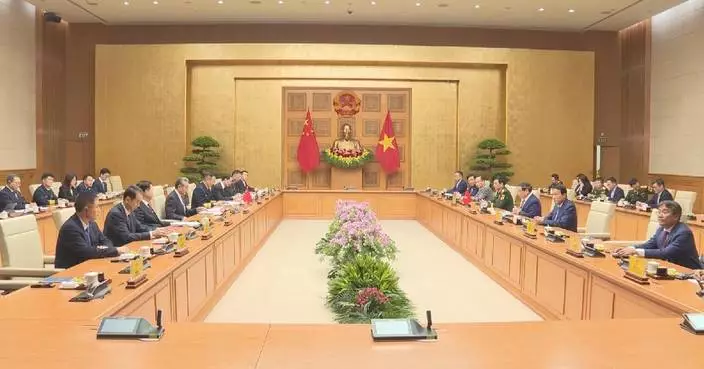
General Secretary of the Communist Party of Vietnam (CPV) Central Committee To Lam on Monday met with Chinese Foreign Minister Wang Yi, Minister of Public Security Wang Xiaohong and Minister of National Defense Dong Jun, who were in the Vietnamese capital of Hanoi to attend the first ministerial meeting of the China-Vietnam "3+3" strategic dialogue on diplomacy, defense and public security.
Lam said that the "3+3" mechanism, a joint initiative of the leaders of the two parties, reflects the high degree of political mutual trust between the two sides and demonstrates that cooperation in key areas has become an important pillar of bilateral relations, which will strongly advance the building of the Vietnam-China community with a shared future to deeper and more substantive levels.
While congratulating on the successful convening of the first ministerial meeting of the "3+3" mechanism, he said the meeting has sent a clear message of both sides working together to promote development and rejuvenation and address common challenges.
Noting that the current international situation is complex and volatile with increasing uncertainties and unpredictable factors, Lam said Vietnam and China should strengthen solidarity and cooperation to safeguard the legitimate interests of both countries, adding that China is a pillar of stability in a turbulent world.
Vietnam has always regarded its relations with China as a top priority and strategic choice in its foreign policy, continues to firmly adhere to the one-China policy, and supports the four global initiatives proposed by China, Lam said.
He said Vietnam looks forward to working with China to enhance political mutual trust, strengthen strategic alignment, deepen pragmatic cooperation, promote local and people-to-people exchanges, and closely coordinate multilateral efforts to jointly safeguard international and regional stability and development, and jointly advance the cause of world socialism.
Noting that since last year, the top leaders of the two parties have maintained strategic communication and guided China-Vietnam relations to forge ahead resolutely amid the changing world situation, Wang Yi said it is believed that under the leadership of the new CPV Central Committee headed by General Secretary To Lam, the Vietnamese people will continuously open up new eras of national development.
Wang Yi said that during the first ministerial meeting of the China-Vietnam "3+3" strategic dialogue on diplomacy, defense and public security, both sides had an in-depth exchange of views and reached broad consensus, sending out an important signal to the outside world that China and Vietnam, the two major socialist countries, will join hands to safeguard political system security and jointly seek national development and rejuvenation.
The dialogue is a strategic communication platform pioneered by China and Vietnam in the world, marking a new stage in strategic mutual trust and cooperation between the two sides and new progress in building a China-Vietnam community with a shared future of strategic significance, Wang Yi said.
Wang Yi said that China is willing to work with Vietnam to follow the important consensus reached by the top leaders of the two parties, continuously deepen comprehensive strategic cooperation, unite and collaborate to address common challenges, and deepen political mutual trust.
China stands ready to join hands with Vietnam to promote mutually beneficial cooperation, uphold justice and fairness, and jointly embark on a new journey towards modernization, Wang Yi said.
Wang Xiaohong and Dong Jun briefed Lam on bilateral cooperation between the two sides' public security and defense departments, respectively.
During the visit, Vietnamese Prime Minister Pham Minh Chinh met with the Chinese delegation. Wang Yi also held a meeting with his Vietnamese counterpart Le Hoai Trung.
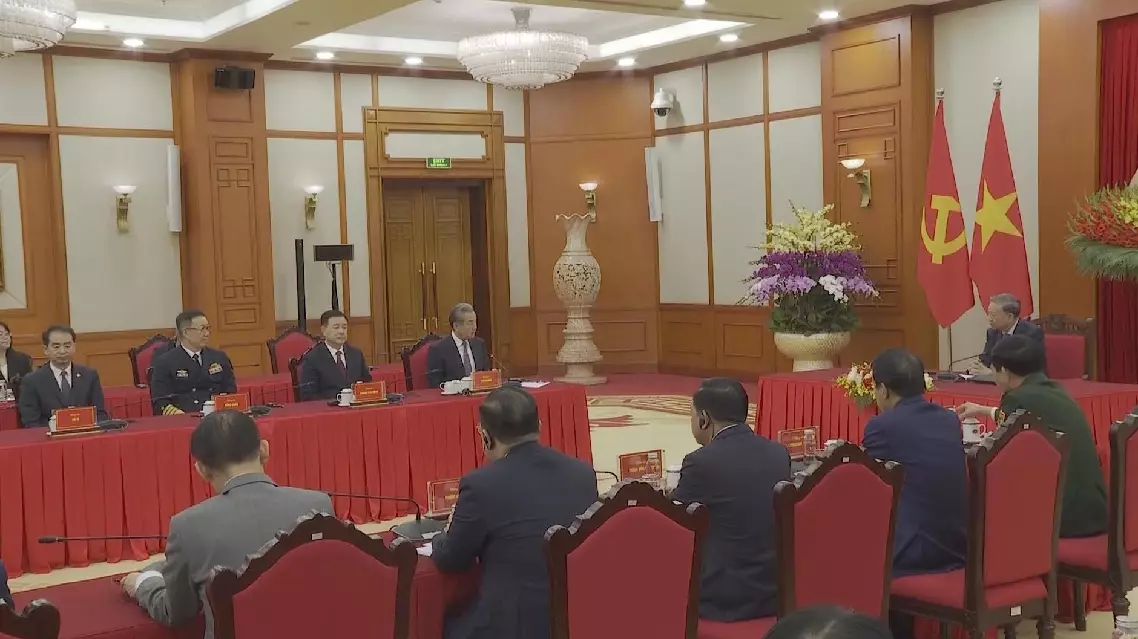
Vietnam's Party chief meets with senior Chinese officials to advance ties