LONDON (AP) — Micky van de Ven lashed out on Tuesday at critics who believe Tottenham’s underperforming players were no longer committed to the team and were already thinking about their futures beyond this season.
“It’s the biggest nonsense,” the Netherlands defender said in strong remarks at a news conference ahead of Tottenham’s Champions League match against Atletico Madrid.
Tottenham heads into the second leg trailing 5-2 from last week’s first match in the round of 16. Individual mistakes — including one from van de Ven — left Spurs 3-0 down after 15 minutes, putting them on course for a club-record sixth straight loss in all competitions.
Van de Ven was suspended for the 1-1 draw at Liverpool in the Premier League on Sunday, a result that showed there is some fight in a team that has been plunged into a relegation fight.
Tottenham has played in England's top flight since the 1970s and is one of the country's biggest teams, but is just one point above the bottom three with eight games left.
“Trust me, all the people involved on the pitch, the staff, the players, everyone, they care so much about the situation we are in right now,” van de Ven said. “We just want to turn things around.”
Tottenham interim manager Igor Tudor described his team’s task at home to Atletico on Wednesday as “difficult but not impossible.”
Tudor said captain Cristian Romero was available after missing the Liverpool game following a clash of heads with teammate Joao Palhinha late in the loss to Atletico.
Palhinha was not ready to return, however.
AP soccer: https://apnews.com/hub/soccer
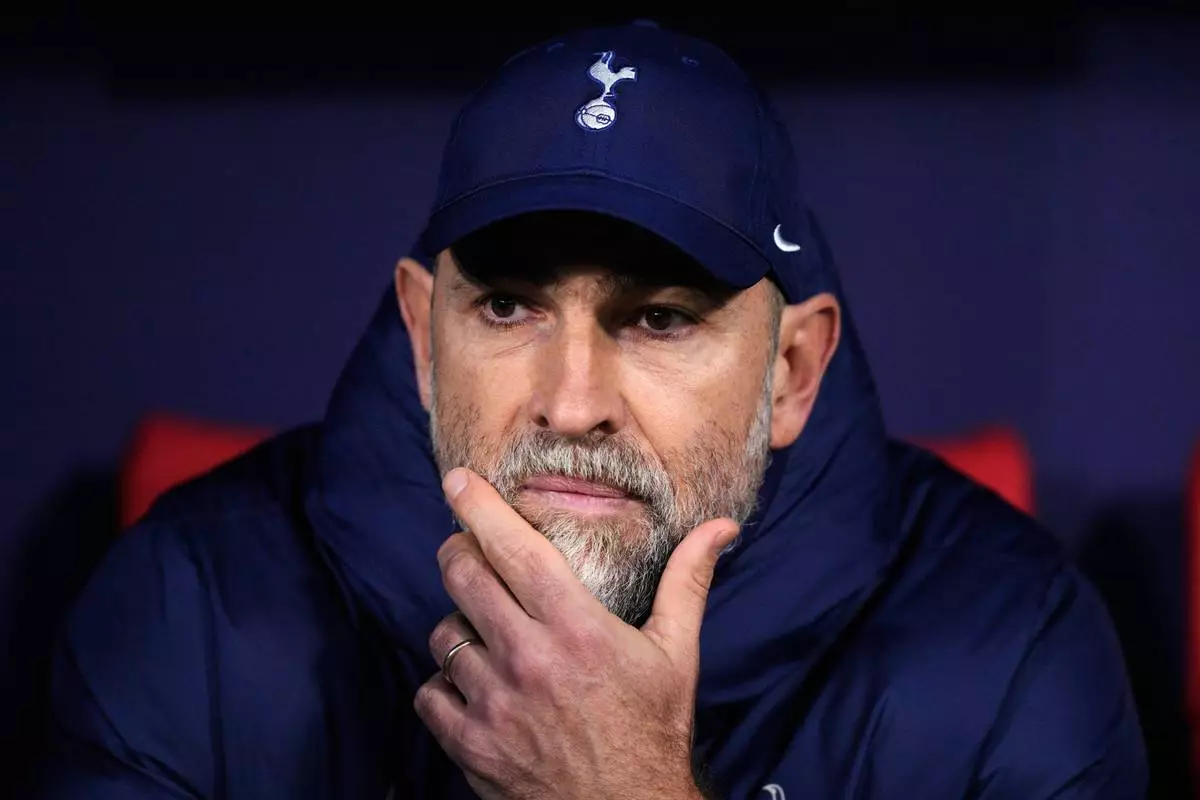
Tottenham's head coach Igor Tudor looks out from the bench prior to the first leg of the Champions League round of 16 soccer match between Atletico Madrid and Tottenham in Madrid, Spain, Tuesday, March 10, 2026. (AP Photo/Jose Breton)
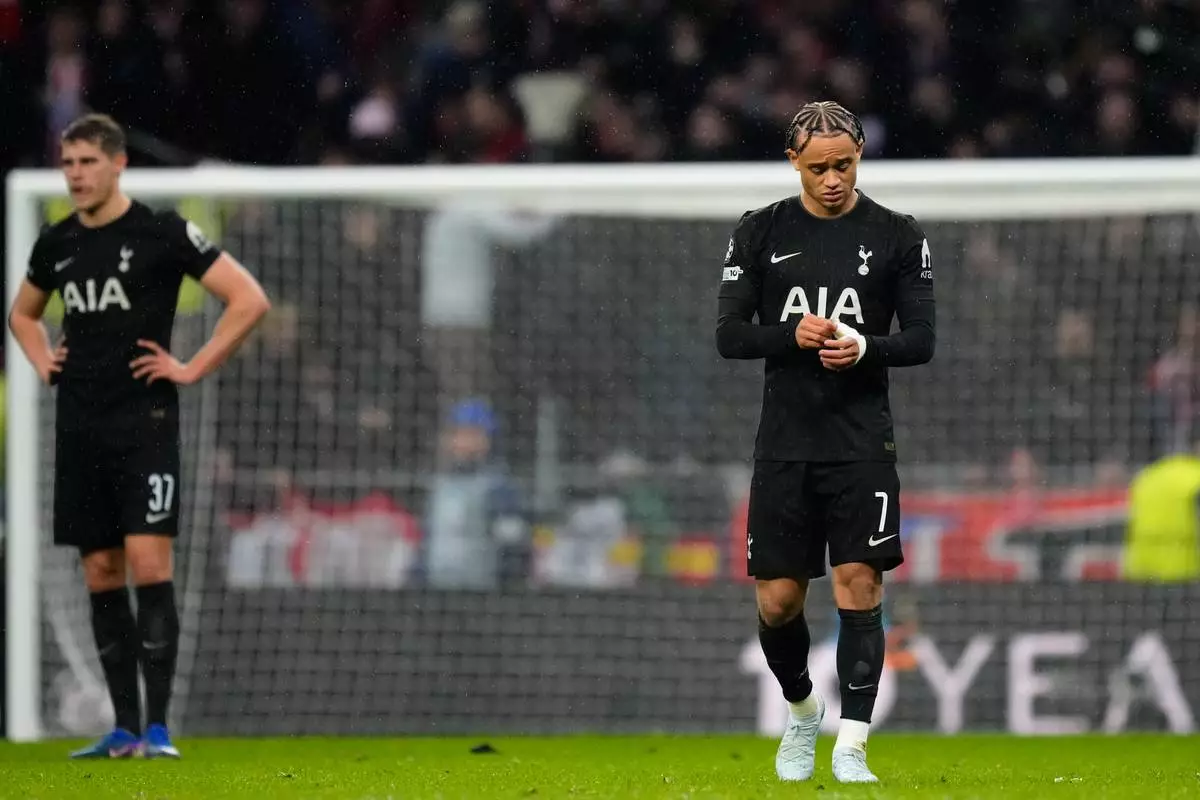
Tottenham's Xavi Simons, right, and Tottenham's Micky van de Ven react at the end of the first leg of the Champions League round of 16 soccer match between Atletico Madrid and Tottenham in Madrid, Spain, Tuesday, March 10, 2026. (AP Photo/Jose Breton)
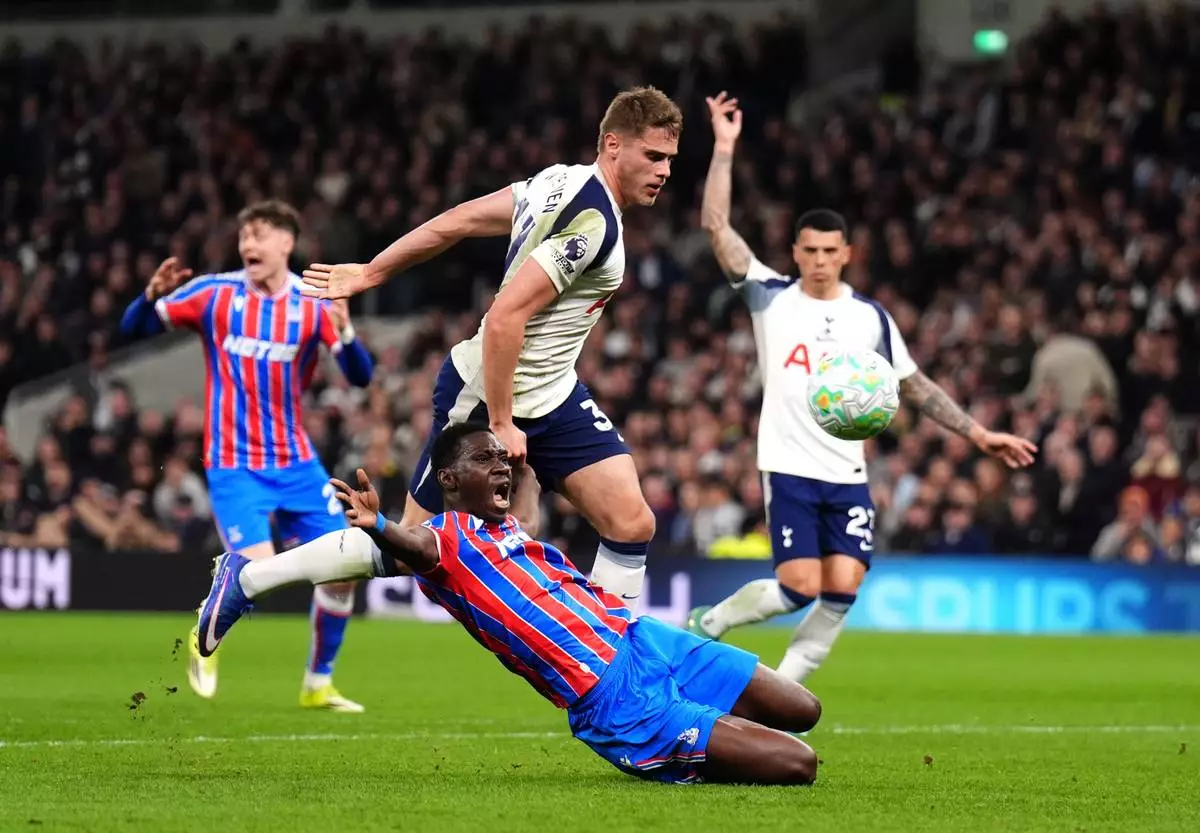
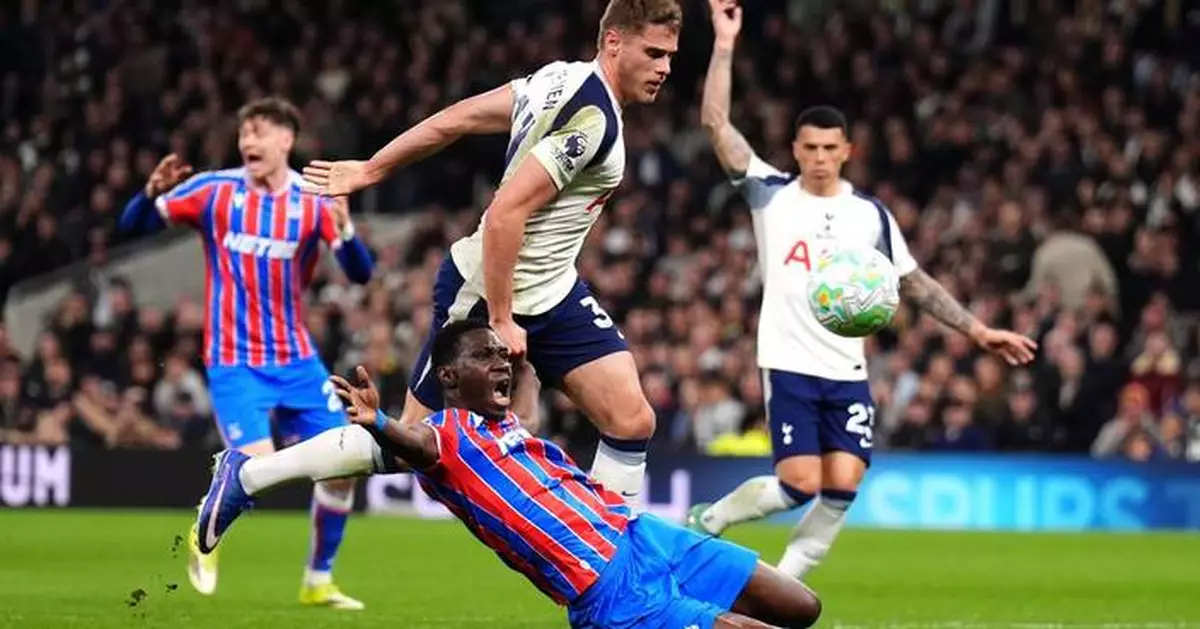
Tottenham Hotspur's Micky van de Ven,top, fouls Crystal Palace's Ismaila Sarr resulting in a red card and a penalty kick during the English Premier League soccer match between Tottenham Hotspur and Crystal Palace in London, Thursday March 5, 2026. (John Walton/PA via AP)
MIAMI GARDENS, Fla. (AP) — Manny Fernandez, a two-time Super Bowl-winning defensive lineman with the Miami Dolphins who was an anchor during the team's undefeated season in 1972, has died, the team announced Tuesday. He was 79.
No cause of death was announced by the team.
Fernandez played his entire eight-year NFL career with the Dolphins and was a key pillar on Miami's “No-Name Defense," which helped the team reach consecutive Super Bowls from 1971-1973, including back-to-back Super Bowl wins in 1972 and 1973.
“We are deeply saddened by the passing of Manny Fernandez,” the Dolphins said in a statement, “a member of the 1972 perfect team, a two-time Super Bowl champion, ring of honor member and an anchor of the Dolphins' legendary ‘No-Name Defense.’ His consistent and selfless contributions on the field were instrumental to the Dolphins' success throughout the early 1970s, particularly in the team's three consecutive Super Bowl appearances, in which he produced some of the most memorable defensive performances in the history of the game.”
Fernandez was dominant during the Dolphins' Super Bowl win over Washington following their undefeated 1972 season. That team also included stars such as Bob Griese, Nick Buoniconti and Larry Csonka.
An undrafted free agent out of Utah in 1968, Fernandez was inducted into the Dolphins' Ring of Honor in 2014.
“Our thoughts are with his family, loved ones and teammates as we remember one of the best players in Dolphins history,” the team said.
AP NFL: https://apnews.com/hub/NFL
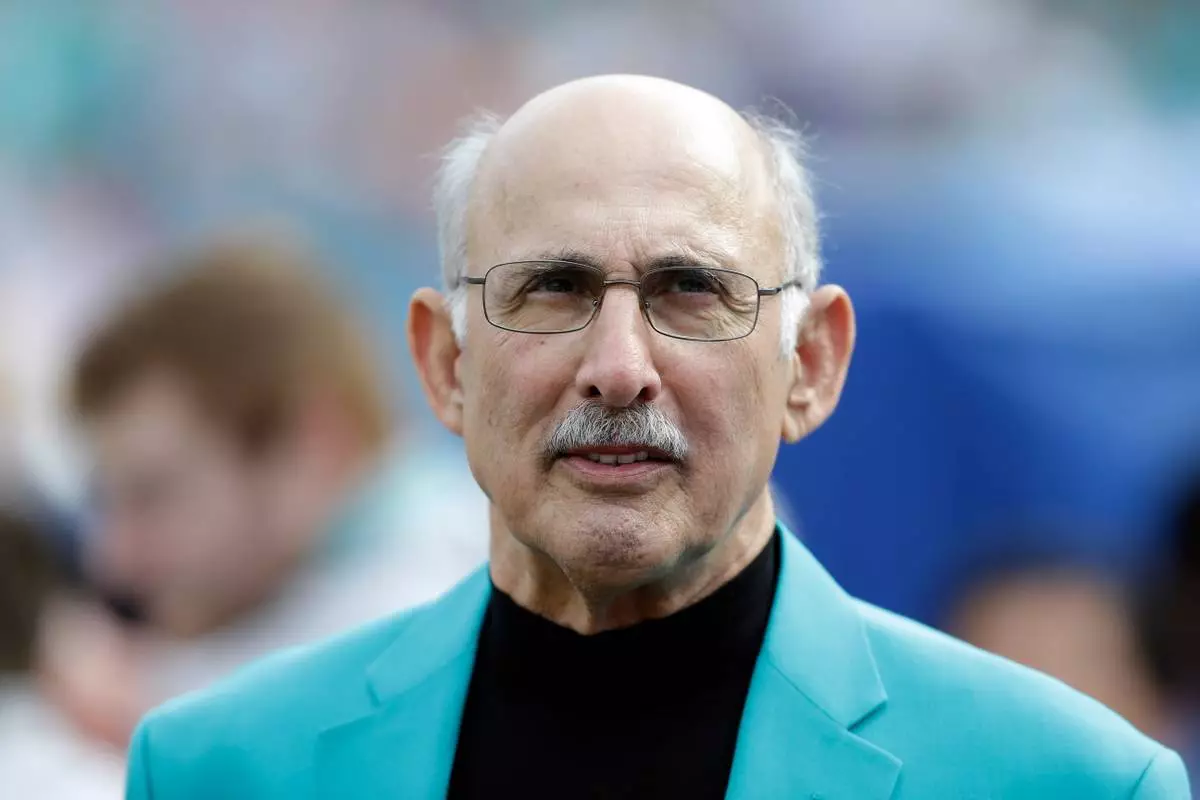
FILE - Former Miami Dolphins player Manny Fernandez waits to be inducted into the team's honor roll during half time of an NFL football game against the Minnesota Vikings, Dec. 21, 2014, in Miami Gardens, Fla. (AP Photo/Wilfredo Lee, File)
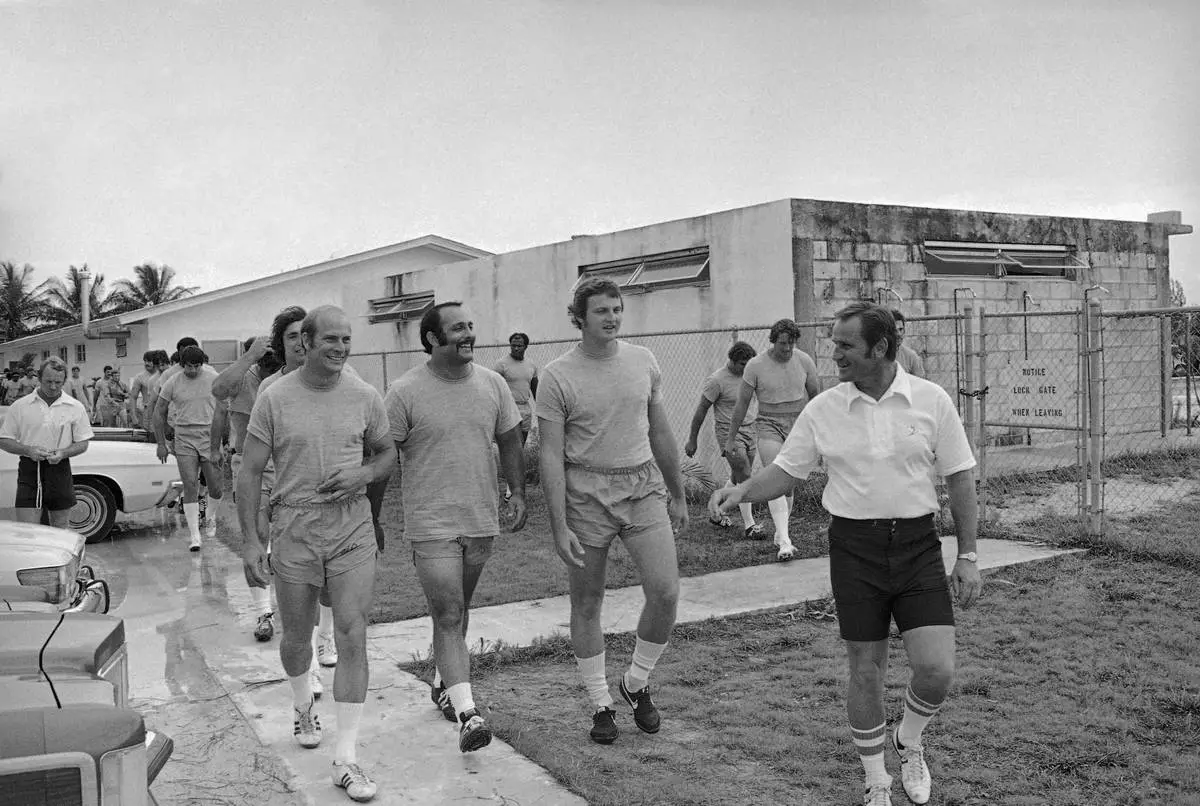
FILE - Miami Dolphins football coach Don Shula, right, leads, from left, safety Dick Anderson, defensive tackle Manny Fernandez and defensive end Bill Stanfield, to the practice field on July 11, 1973 in Miami, for the first day of workouts for the 1973 season.( AP Photo/Jim Kerlin, File)
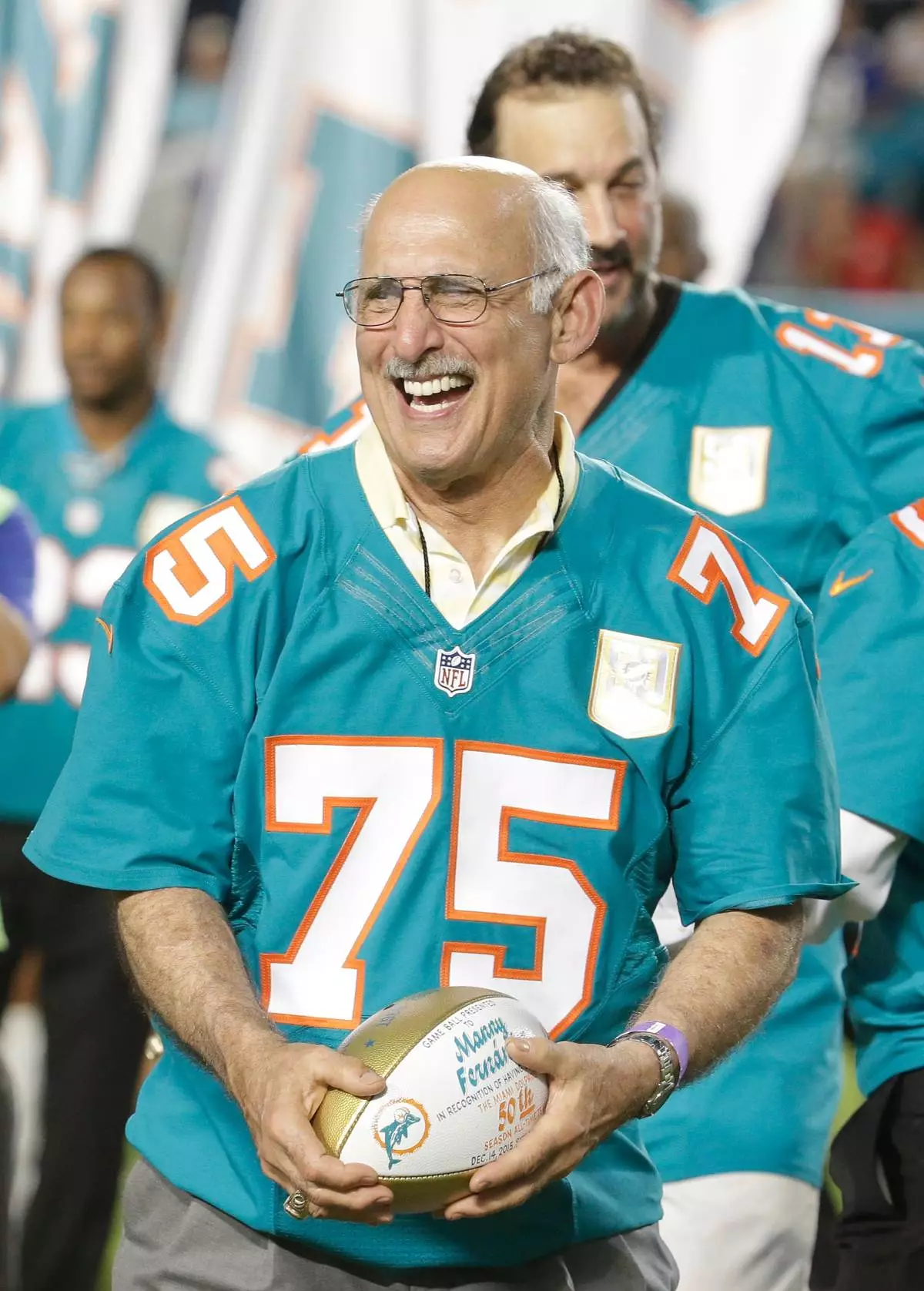
FILE - Former Miami Dolphins player Manny Fernandez smiles after being presented with a football during the Dolphins All-Time 50th Anniversary Team ceremony during half time at an NFL football game against the New York Giants, Dec. 14, 2015, in Miami Gardens, Fla. (AP Photo/Lynne Sladky, File)
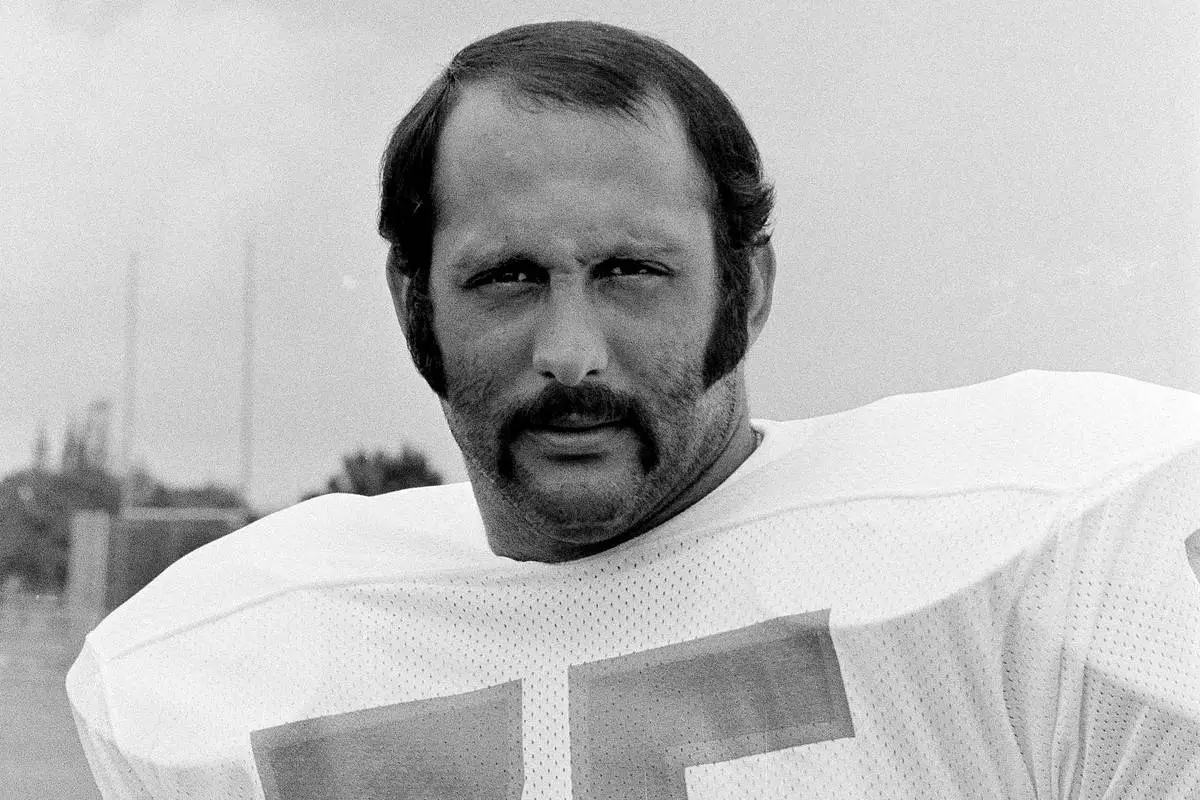
FILE - Miami Dolphins defensive tackle Manny Fernandez stands for a photo in Miami, Fla., July 18, 1973. (AP Photo/Jim Kerlin, File)
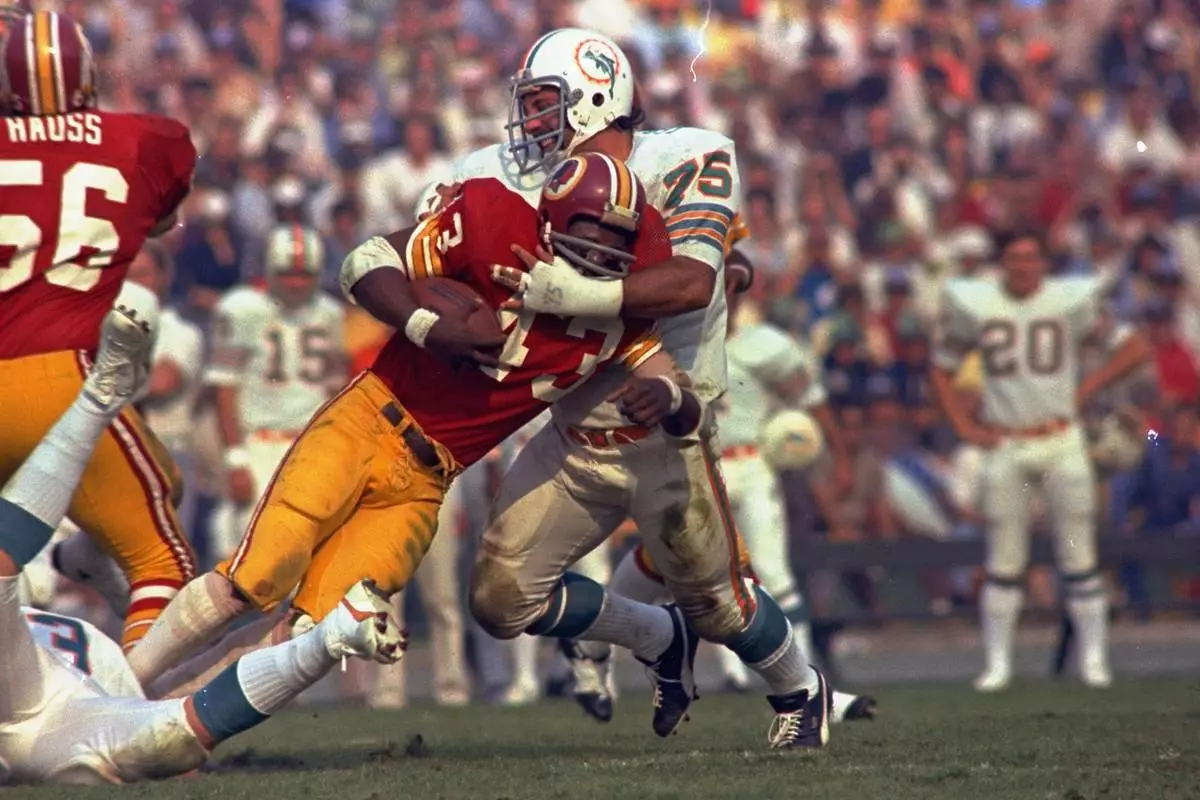
Washington Redskins running back Larry Brown (43) is stopped in his tracks by Miami Dolphins defender Manny Fernandez (75) during the NFL football Super Bowl VII game in Los Angeles, Jan. 14, 1973. (AP Photo/File)