Skip to Content Facebook Feature Image

Ruling overturns Senegal's title at Africa Cup of Nations and declares Morocco the champion

Sport

Ruling overturns Senegal's title at Africa Cup of Nations and declares Morocco the champion
Sport

Sport

Ruling overturns Senegal's title at Africa Cup of Nations and declares Morocco the champion

2026-03-18 07:16 Last Updated At:07:20

GENEVA (AP) — Morocco was stunningly awarded the Africa Cup of Nations title on Tuesday by governing body judges who overturned Senegal’s victory in a chaotic final in January.

The Confederation of African Football said its appeals board ruled that Senegal is “declared to have forfeited the final” and its 1-0 win in extra time becomes a 3-0 default win for host nation Morocco.

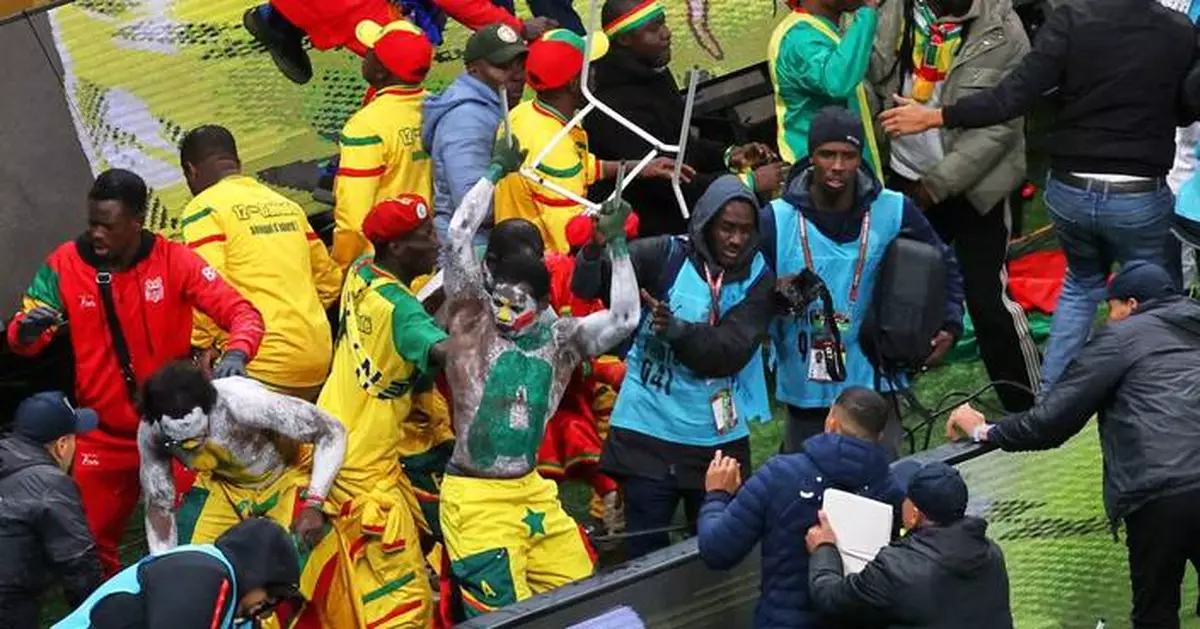
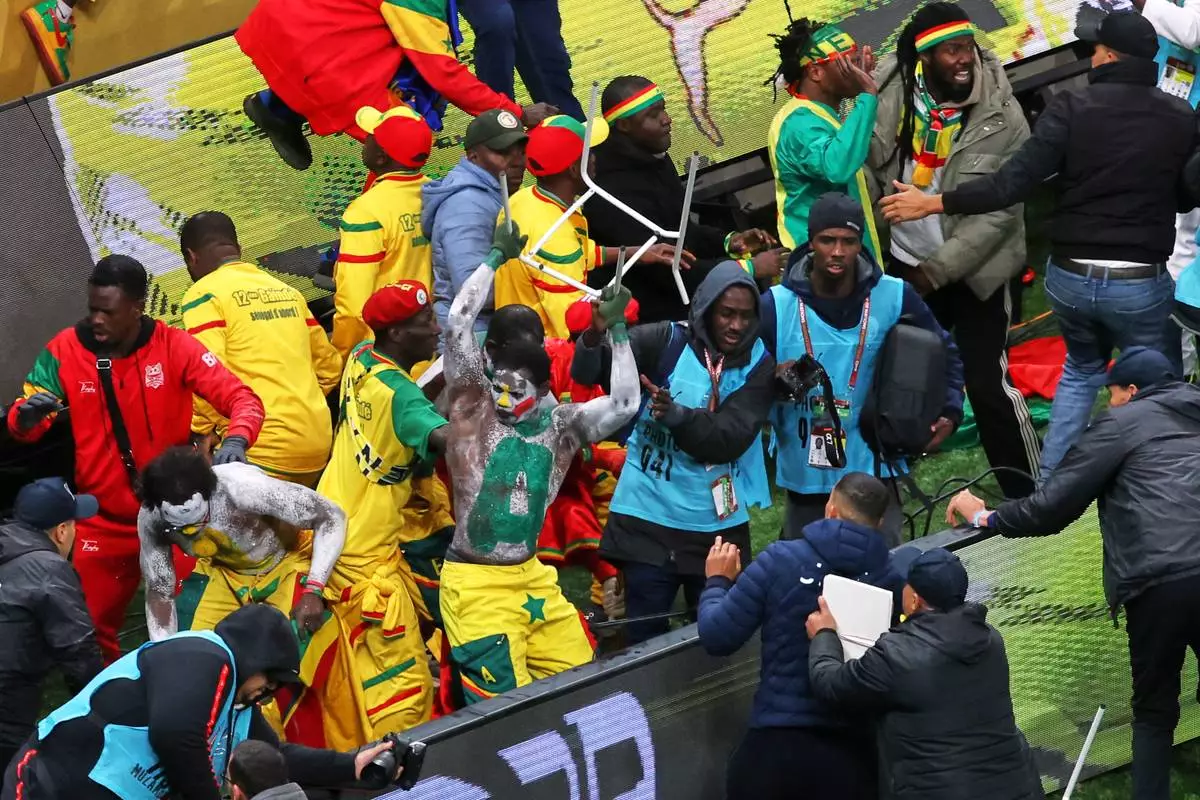
In the Jan. 18 final in Rabat, Senegal players led by coach Pape Thiaw left the field in protest during stoppage time for 15 minutes — and fans tried to storm the field — when Morocco was awarded a penalty that was set to decide the match.

When play resumed, Morocco forward Brahim Diaz’s spot kick — a controversial slow chip shot known as a “Panenka” — was saved by goalkeeper Édouard Mendy and Senegal scored the only goal in extra time.

Tension in the stadium was already raised by Senegal being denied a goal minutes before the penalty was given to Morocco.

In the second minute of stoppage time, Senegal’s apparent go-ahead goal was ruled out for a foul by Abdoulaye Seck, but TV replays showed little contact on Morocco defender Achraf Hakimi.

After the Senegal walk-off, the team's return to the field seemed to be as a result of urging by star forward Sadio Mané to complete the game.

At an initial disciplinary hearing, CAF imposed fines of more than $1 million in fines and bans for Senegal and Morocco players and officials but left the result untouched.

Senegal defender Moussa Niakhaté on Instagram posted an image of himself holding the trophy with a message that said: "Come and get it! They’re crazy!”

In a similar post, left back El Hadj Malick Diouf added: “It’s not what I expected… this thing isn’t going anywhere.”

The case could go to a further appeal at the Court of Arbitration for Sport.

CAF cited article 82 of tournament regulations for its marquee event to justify the verdict enforced on appeal, though not at the first hearing.

It states “if, for any reason whatsoever, a team withdraws from the competition or does not report for a match, or refuses to play or leaves the ground before the regular end of the match without the authorization of the referee, it shall be considered loser and shall be eliminated for good from the current competition.”

Still, the appeal verdict did seem to override the referee’s authority making field-of-play decisions.

The verdict Tuesday awards Morocco its first African title since 1976 and denied Senegal its second title, and second within three editions after also lifting the trophy in 2021.

Any appeal by Senegal to CAS in Lausanne, Switzerland, would typically take about a year to reach a verdict — long after both teams play at the 2026 World Cup being co-hosted by the United States, Canada and Mexico.

Senegal has been drawn to play in a group with France, Norway and a playoff bracket winner this month which could be Iraq. The games against France and Norway both are at MetLife Stadium near New York.

Morocco was drawn to face Brazil, Scotland and Haiti, with an opening game also at MetLife against Brazil.

Under coach Walid Regragui at the 2022 World Cup in Qatar, Morocco became the first African team ever to reach the semifinals.

Regragui left the job two weeks ago following fierce criticism for not winning the AFCON title, saying “the team needs a new lease of life before the World Cup.”

Morocco now will go the U.S. as African champion.

AP soccer: https://apnews.com/hub/soccer
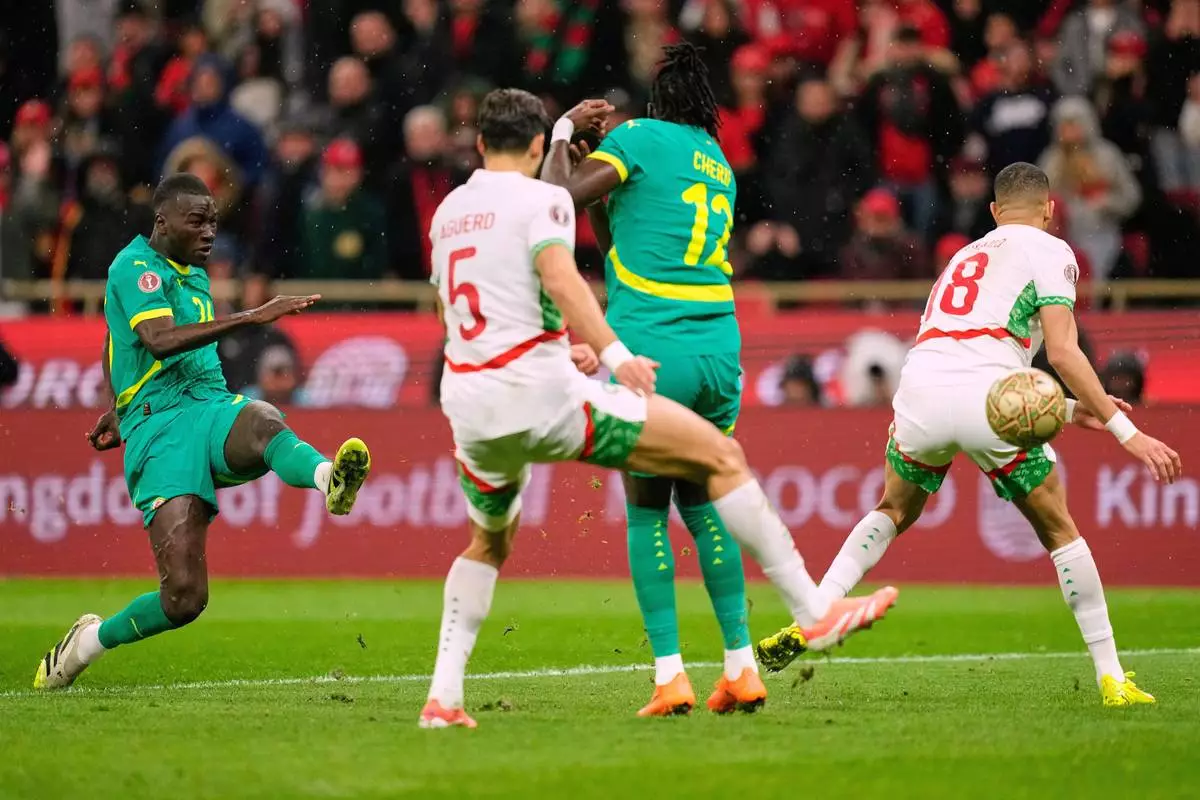
FILE - Senegal's Pape Gueye, left, scores the opening goal during the Africa Cup of Nations final soccer match between Senegal and Morocco, in Rabat, Morocco, Jan. 18, 2026. (AP Photo/Mosa'ab Elshamy, File)
FILE - Senegal's Pape Gueye, left, scores the opening goal during the Africa Cup of Nations final soccer match between Senegal and Morocco, in Rabat, Morocco, Jan. 18, 2026. (AP Photo/Mosa'ab Elshamy, File)

FILE - Senegal supporters protest after a controversial penalty was awarded to Morocco during the Africa Cup of Nations final soccer match between Senegal and Morocco on Jan. 18, 2026, in Rabat, Morocco. (AP Photo/Youssef Loulidi, File)
FILE - Senegal supporters protest after a controversial penalty was awarded to Morocco during the Africa Cup of Nations final soccer match between Senegal and Morocco on Jan. 18, 2026, in Rabat, Morocco. (AP Photo/Youssef Loulidi, File)

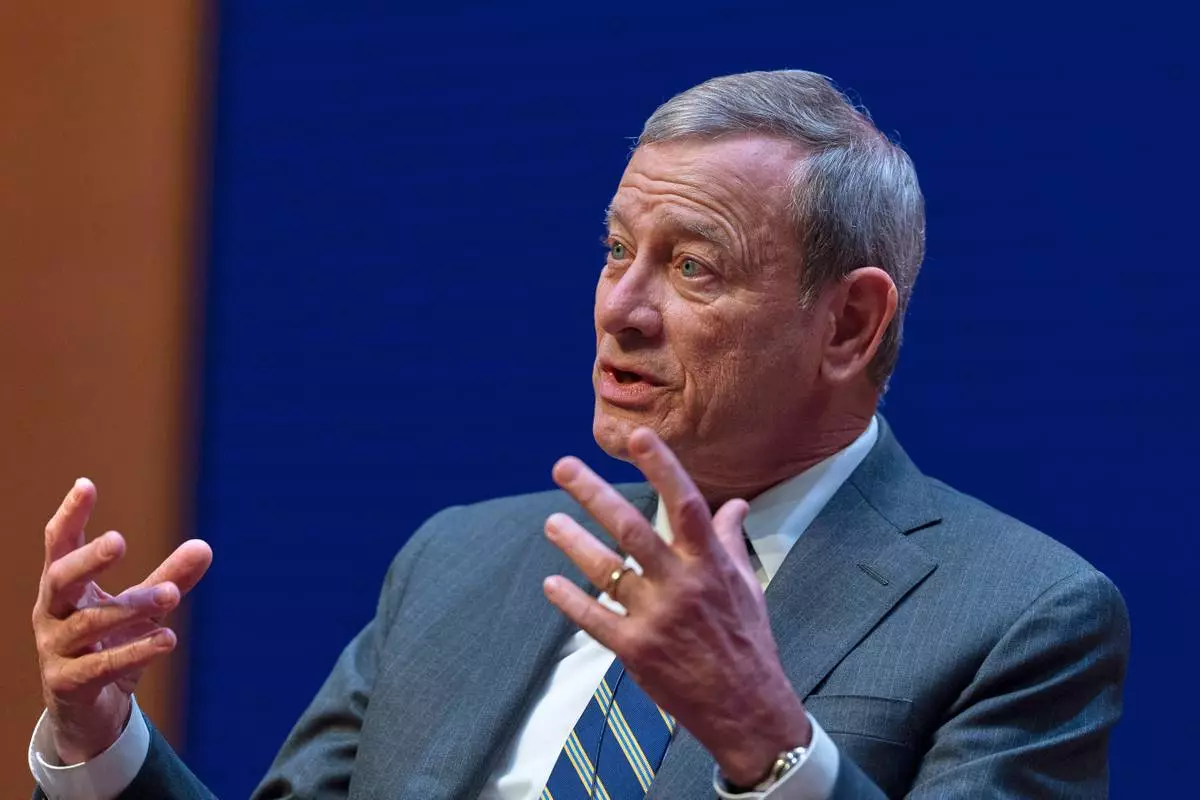
WASHINGTON (AP) — Supreme Court Chief Justice John Roberts warned Tuesday that personal criticism of federal judges is dangerous and “it’s got to stop,” two days after President Donald Trump called a federal judge who ruled against the administration “wacky, nasty, crooked and totally out of control.”

As he has done before, Roberts was careful not to single out Trump or anyone else, insisting that the attacks on judges are not from “just any one political perspective.”

Criticism of judicial opinions “comes with the territory” and can be healthy, Roberts said in remarks at Rice University’s Baker Institute for Public Policy in Houston.

But it's different when the criticism moves away from legal analysis. “Personally directed hostility is dangerous and it’s got to stop,” Roberts said.

U.S. District Judge Lee Rosenthal, who shared the stage with the chief justice, thanked Roberts because “we always know that you have our backs and that means a great deal."

The U.S. Marshals Service, responsible for protecting judges, reported 564 threats in the government fiscal year that ended in September, up from the year before. Roberts acknowledged the “serious threats” by noting Congress has responded by increasing funding for judges' security.

Trump's most recent comments about judges came Sunday in a post on his Truth Social following a ruling by U.S. District Judge James Boasberg quashing subpoenas the Justice Department had issued to the Federal Reserve.

Boasberg, Trump wrote, is “a Wacky, Nasty, Crooked, and totally Out of Control Judge” who “suffers from the highest level of Trump Derangement Syndrome (TDS), and has been ‘after’ my people, and me, for years.”

Last year, Roberts publicly rejected Trump's call for Boasberg’s impeachment when the judge blocked additional deportations to a notorious prison in El Salvador.

The president also has been highly critical of Roberts and the five other justices who struck down global tariffs he imposed under an emergency powers law. Trump said he was “absolutely ashamed” of the members of the court who ruled against him, questioning their patriotism and singling out two of his own appointees, Justices Amy Coney Barrett and Neil Gorsuch.

Trump's allies and administration officials also have joined in the criticism. After U.S. District Judge Brian Murphy in Boston on Monday blocked the administration's effort to reshape vaccines policy, Deputy Attorney General Todd Blanche noted that other rulings from Murphy had been upended.

“How many times can Judge Murphy get reversed in one year? The same day he is stayed for repeatedly refusing to follow the law, he issues another activist decision. We will keep appealing these lawless decisions, and we will keep winning. The question is, how much embarrassment can this Judge take?” Blanche posted on X.

FILE - Chief Justice of the U.S. Supreme Court John Roberts speaks during a lecture to the Georgetown Law School graduating class in Washington on May 12, 2025. (AP Photo/Manuel Balce Ceneta, File)

FILE - Chief Justice of the U.S. Supreme Court John Roberts speaks during a lecture to the Georgetown Law School graduating class in Washington on May 12, 2025. (AP Photo/Manuel Balce Ceneta, File)

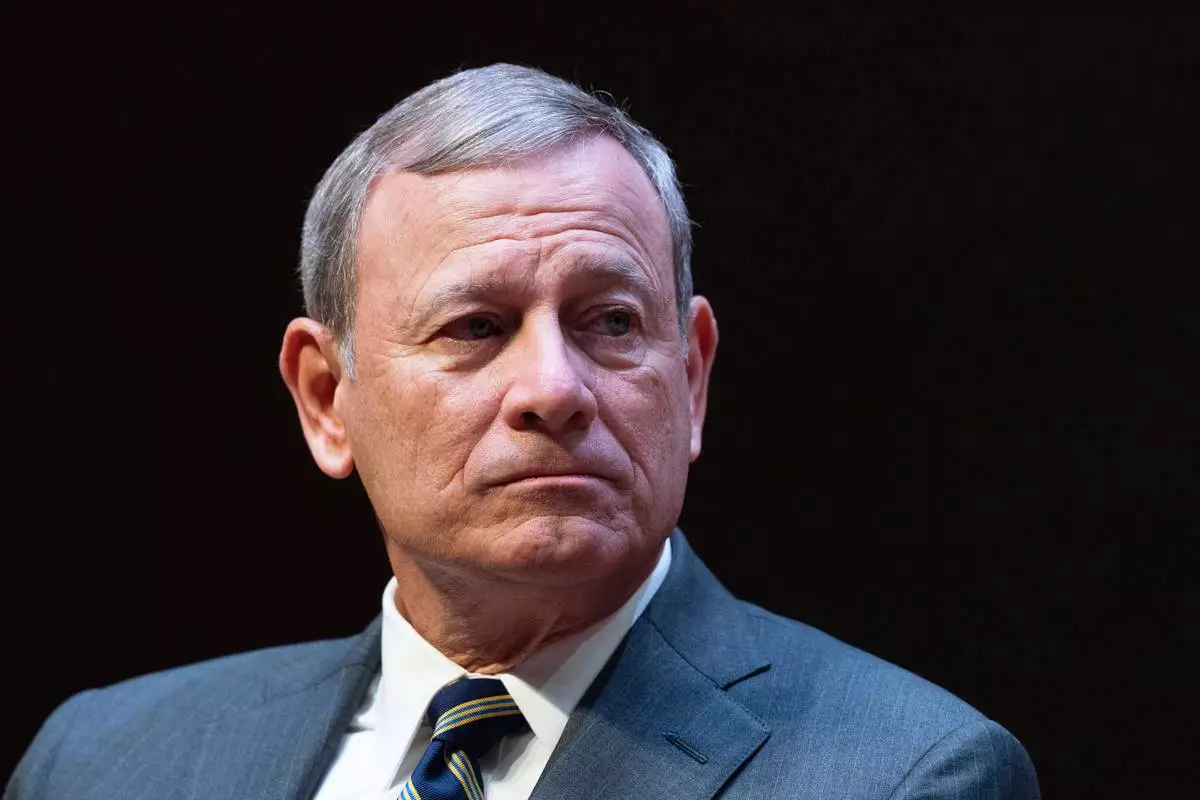
FILE - John Roberts, Chief Justice of the U.S. Supreme Court, speaks during lecture to the Georgetown Law School graduating class of 2025, in Washington, May 12, 2025. (AP Photo/Manuel Balce Ceneta, File)

FILE - John Roberts, Chief Justice of the U.S. Supreme Court, speaks during lecture to the Georgetown Law School graduating class of 2025, in Washington, May 12, 2025. (AP Photo/Manuel Balce Ceneta, File)

Recommended Articles